

 Arabic
shop

Iranian Tribal & Nomadic Handmade Rugs
These rugs are not just floor coverings, but collectible works of art with lasting cultural and aesthetic value. Crafted by skilled nomadic and tribal weavers such as Qashqai, Bakhtiari, Shahsavan, and Afshar, Iranian tribal rugs are made using time-honored techniques passed down through generations. They are hand-knotted or hand-woven on vertical or ground looms, typically using high-quality hand-spun wool and, in some cases, natural silk accents. Vegetable and mineral dyes create rich, earthy tones that age beautifully over time, enhancing durability and color depth. Popular patterns include geometric medallions, tribal symbols, stylized animals, and abstract floral motifs, all inspired by daily life, beliefs, and surrounding landscapes. Each rug is unique in size, pattern, and color variation, making it a one-of-a-kind interior statement. Known for their dense knots, strong foundations, and thick pile, these rugs offer excellent longevity and are well suited for both high-traffic areas and decorative spaces. Their organic textures and bold designs appeal strongly to modern, rustic, bohemian, and classic interiors alike, making them highly desirable in global home décor markets.
From a market perspective, Iranian tribal and nomadic rugs are valued for their authenticity, ethical craftsmanship, and investment potential. Their handmade nature, limited production, and cultural significance increase long-term value while offering immediate visual impact. Technical features such as knot density, wool quality, natural dyes, and regional weaving styles help buyers identify originality and quality. Easy to maintain and naturally resilient, these rugs combine practicality with artistic depth. Ideal for living rooms, dining spaces, boutique hotels, and curated interiors, they bring warmth, character, and history into any setting. Choosing an Iranian tribal rug means investing in timeless design, sustainable craftsmanship, and a living piece of Persian heritage.

Iranian Village Handmade Rugs
Each piece offers timeless beauty, durability, and genuine cultural value, making it an ideal choice for both classic and contemporary interiors. Village rugs are typically hand-knotted on vertical looms by skilled artisans using high-quality hand-spun wool and, in some cases, cotton foundations for added strength. Natural and semi-natural dyes produce warm, harmonious color palettes that mature gracefully with age. Common designs include central medallions, all-over floral patterns, garden motifs, and geometric interpretations influenced by famous Persian styles such as Heriz, Hamadan, Bijar, and Senneh. These rugs are known for their balanced knot density, medium to thick pile, and sturdy construction, offering excellent resistance to daily wear. Slight variations in pattern and color highlight their handmade character, ensuring every rug is truly unique. Their versatile designs and practical sizes make Iranian village rugs especially appealing for living rooms, dining areas, offices, and high-traffic spaces. This combination of artistic detail and functional performance has made them highly sought after in international rug and interior design markets.
From a commercial and decorative standpoint, Iranian village handmade rugs offer outstanding value and long-term appeal. They combine affordability with authenticity, making them accessible entry points into genuine Persian rugs. Technical elements such as knot structure, wool quality, dye composition, and regional weaving techniques help define quality and origin. Easy maintenance, natural resilience, and timeless design enhance their market demand. Suitable for residential and hospitality interiors, these rugs bring warmth, elegance, and character to any environment. Investing in an Iranian village rug means choosing lasting craftsmanship, cultural heritage, and enduring style.
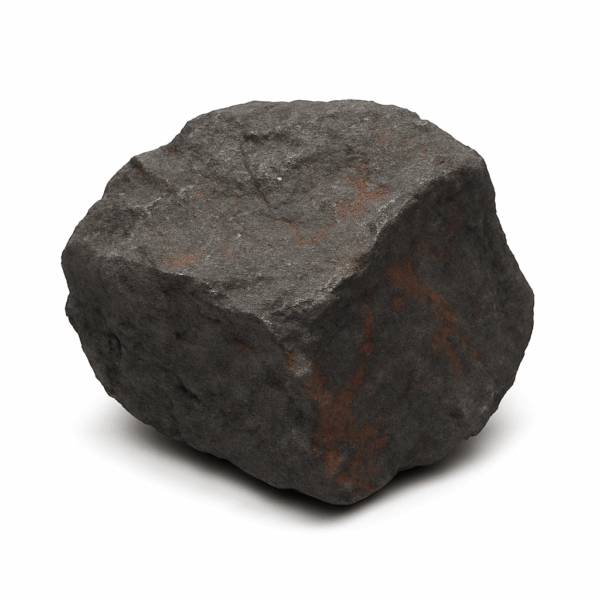
Iron Concentrate
Iron Concentrate grades vary according to iron content, mineralogy, particle size, moisture level, and the intended steelmaking process, with common commercial specifications including concentrates containing approximately 60–69% Fe or higher depending on the ore source and beneficiation technology. Magnetite Iron Concentrate is widely used as a feedstock for pellet production and direct reduction processes, while hematite-based concentrates are also used for sintering, pelletizing, and other ironmaking applications when their chemical and physical properties meet the required process specifications. Fine Iron Concentrate can be agglomerated into pellets before entering blast furnaces or direct reduction plants, while specially controlled concentrates may be selected for applications requiring low levels of silica, alumina, sulfur, or phosphorus. The main advantages of Iron Concentrate include higher iron content compared with untreated ore, reduced gangue concentration, consistent chemical quality, suitability for pelletizing and sintering, improved utilization of iron units, and compatibility with modern direct reduced iron production routes. Properly processed concentrate can also support more predictable furnace operation and help steel producers optimize raw-material consumption when its specifications are matched with the requirements of the production process.
Iron Concentrate is generally supplied in bulk quantities because steel mills, pelletizing plants, direct reduction facilities, and mineral processing companies typically purchase according to production requirements and long-term supply contracts. Depending on transportation conditions and buyer requirements, commercial packaging may include bulk vessel shipments, bulk truck or rail transportation, jumbo bags, or other heavy-duty industrial packaging suitable for mineral products. Packaging and logistics are normally selected according to the concentrate’s moisture content, particle size, loading method, destination, and handling facilities, while export documentation and quality-control certificates can be arranged according to the terms agreed between buyer and supplier.
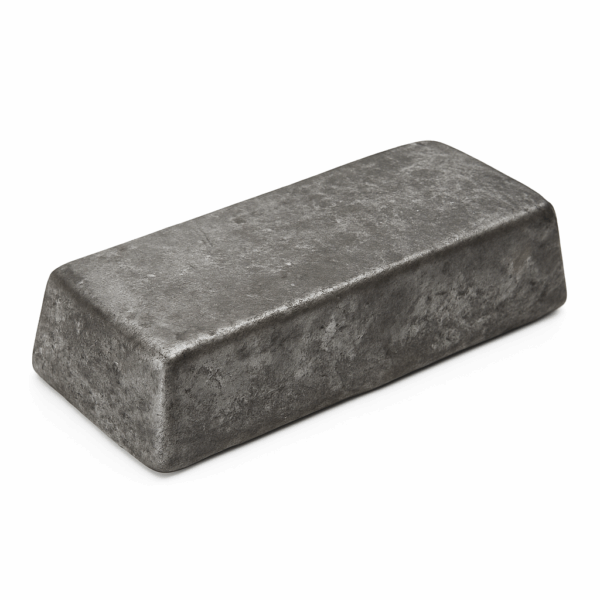
Iron Ingot
Commercial iron ingots are available in different sizes, weights, shapes, and chemical grades according to the requirements of downstream users, with common variations including foundry-grade iron ingots, remelting-grade ingots, high-purity iron ingots, and composition-controlled grades for specialized applications. Foundry-grade iron ingots are widely used as charge material for producing cast iron components, machinery parts, pipes, housings, automotive components, and industrial castings, while remelting grades are suitable for foundries and metal-processing facilities that require a reliable metallic input for subsequent melting operations. Higher-purity and controlled-composition iron ingots can be used where predictable metallurgical performance and tighter chemistry control are important. Key specifications may include total iron content, carbon, silicon, manganese, phosphorus, sulfur, dimensional tolerances, ingot weight, surface condition, and chemical consistency, with exact values normally determined according to the buyer’s technical requirements and applicable standards. The main advantages of iron ingots include convenient handling, efficient storage, suitability for remelting, consistent batch quality, controllable chemistry, and compatibility with a wide range of industrial metal-production processes.
Iron ingots can be supplied in bulk quantities for international B2B trade and are normally packaged according to transportation method, buyer requirements, and loading conditions. Depending on size and destination, commercial packaging may include steel strapping, bundled units, pallets, protective wrapping, or loose bulk loading in suitable containers and trucks. For international procurement, buyers generally specify the required iron ingot grade, chemical composition, dimensions, individual weight, total quantity, packaging method, inspection requirements, and delivery terms before finalizing an order. Reliable quality control, accurate product documentation, consistent specifications, and appropriate packaging make iron ingots a practical raw material for foundries, metal processors, and industrial manufacturers seeking dependable ferrous feedstock for continuous production.
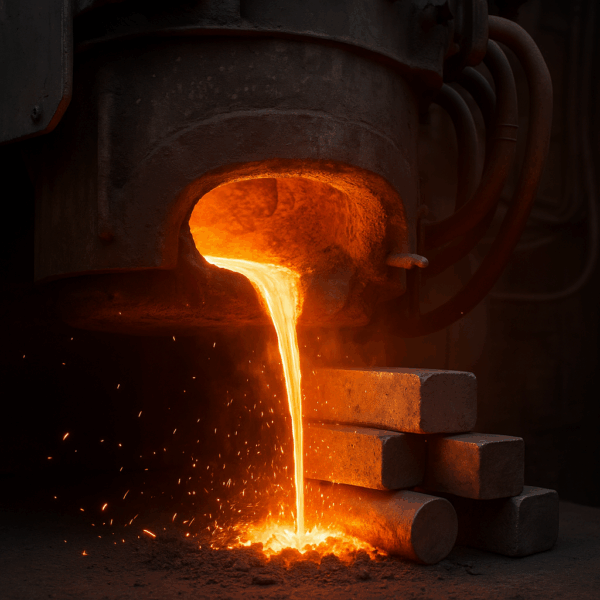
Iron Ore
Iron Ore is commonly supplied as lump ore, fine ore, concentrate, pellet feed, and iron ore pellets, with each form serving a specific industrial purpose. Lump iron ore consists of relatively coarse particles and can be charged directly into suitable blast furnace operations, while iron ore fines are generally used for sintering or pellet production because their smaller particle size requires agglomeration before efficient furnace charging. Iron ore concentrate is produced after beneficiation and contains a higher proportion of iron with reduced levels of silica and other impurities, making it suitable for sintering, pelletizing, and direct reduction processes. Pellet feed is a finely ground concentrate designed for pelletizing plants, where it is agglomerated into uniform pellets that provide controlled permeability and consistent furnace performance. Iron ore pellets are hardened agglomerates with controlled size and chemical composition and are widely used in blast furnaces and direct reduction plants. Depending on the deposit and processing route, commercial specifications may include Fe grades such as 58%, 60%, 62%, 64%, 65%, and higher, while exact impurity limits and particle-size distributions vary according to the buyer’s process requirements. The major advantages of quality iron ore include high iron recovery potential, consistent metallurgical performance, efficient handling, suitability for different steelmaking technologies, and the ability to be customized through beneficiation and agglomeration processes to meet specific customer requirements.
Iron Ore can be supplied according to agreed chemical and physical specifications, including Fe content, silica, alumina, phosphorus, sulfur, moisture, FeO, and particle-size distribution, with laboratory analysis and quality documentation available according to the commercial contract and shipment requirements. Packaging and transportation methods depend on the product form, order volume, destination, and buyer’s handling facilities, with bulk vessel shipment being widely used for large-volume international transactions and suitable bulk containers, jumbo bags, or other industrial packaging being available for selected quantities and product forms where required.
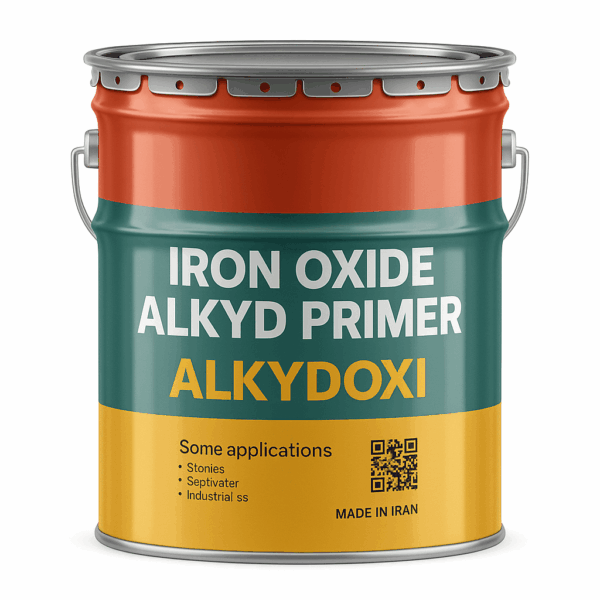
Iron Oxide Alkyd Primer
Iron Oxide Alkyd Primers are typically supplied as single-pack (one-component) coatings and are commonly applied on structural steel, metal frameworks, fences, machinery, storage racks, handrails, agricultural equipment, and building steel components. Key advantages include good adhesion to properly cleaned steel, effective barrier protection against moisture, easy application by brush, roller, or spray, and good compatibility with alkyd, synthetic enamel, and certain epoxy topcoats. Typical properties include fast air drying, good flow and leveling, moderate corrosion resistance, and suitability for indoor or outdoor use in low to medium corrosive environments.
Iron Oxide Alkyd Primers are available in standard packaging such as 1 kg, 5 kg, 10 kg, 12 kg, and 20 kg metal pails, as well as 200 kg drums for large-scale projects. These primers are widely used in infrastructure, construction, and maintenance painting due to their economical cost, ease of use, and availability. Iron Oxide Alkyd Primers provide a practical solution for projects requiring dependable protection, straightforward application, and compatibility with traditional coating systems.
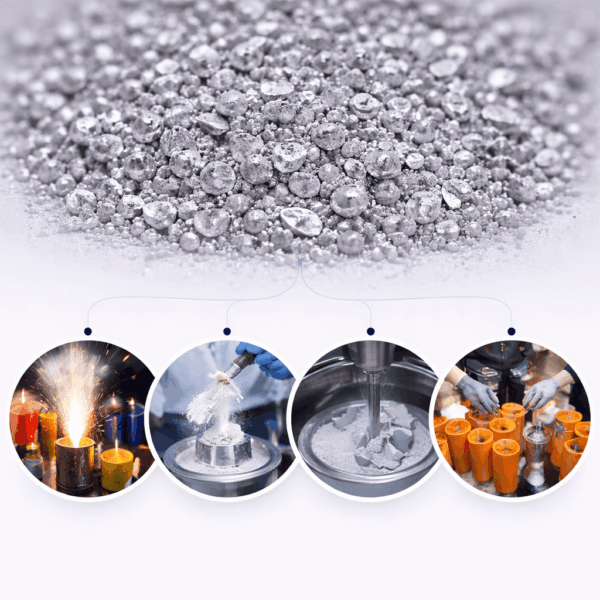
Irregular Aluminum Powder
Its metallic gray appearance and high activity make it a preferred choice for applications where performance and reactivity are critical. Irregular aluminum powder is offered in fine, medium, and coarse grades, with particle sizes commonly ranging from 10 to 500 microns, depending on application needs. Typical aluminum purity levels range from 98.0% to 99.5% Al, with optional passivation or surface treatments to enhance handling safety and shelf life. Key applications include pyrotechnics and fireworks, thermite and welding compounds, explosives and propellants, chemical reactions, metallurgical additives, and specialty metallic pigments. Due to its sharp-edged morphology, irregular aluminum powder provides rapid ignition, high energy release, and strong interlocking behavior in composite mixtures, making it especially effective in high-performance and reactive systems.
Available irregular aluminum powder packages are packaged in sealed polyethylene bags, fiber drums, or steel drums, typically available in 5 kg, 10 kg, 25 kg, and bulk industrial quantities. Technically, it features controlled bulk density, high surface area, and consistent particle distribution for reliable processing. Easy to blend with oxidizers, binders, and other metallic powders, it ensures predictable performance across demanding applications. As a cost-effective and powerful raw material, irregular aluminum powder remains a vital component in energetic materials, industrial processing, and advanced metallurgical solutions worldwide.
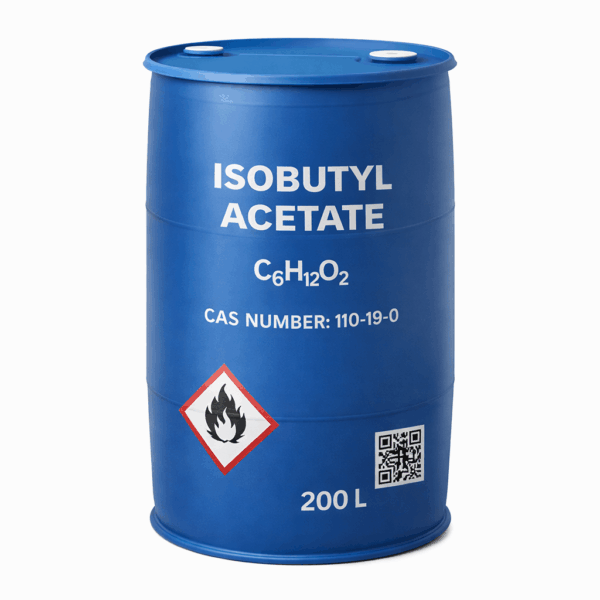
Isobutyl Acetate
Isobutyl Acetate is especially valued in applications where smooth flow, proper leveling, and uniform film formation are essential. This solvent is extensively applied in industrial and decorative paints, coatings, inks, adhesives, sealants, and formulated thinners, contributing to improved surface appearance and controlled drying behavior. Isobutyl Acetate shows strong compatibility with acrylic, nitrocellulose, vinyl, polyurethane, and alkyd resin systems, making it suitable for a wide range of solvent-based technologies. It is also used in leather finishing, textile coatings, specialty chemicals, fragrances, and selected cosmetic-related industrial products, thanks to its clean odor profile and reliable performance.
Isobutyl Acetate is manufactured under carefully monitored conditions to achieve low moisture content, controlled acidity, and high ester purity, in line with international quality standards. Our commercial supply is available in industrial grade, coating grade, and high-purity grade, depending on end-use requirements. For export and global distribution, Isobutyl Acetate is commonly packed in 200-liter steel drums, HDPE drums, IBC tanks, and ISO tanks, with customized packaging options to meet international logistics and bulk supply needs.
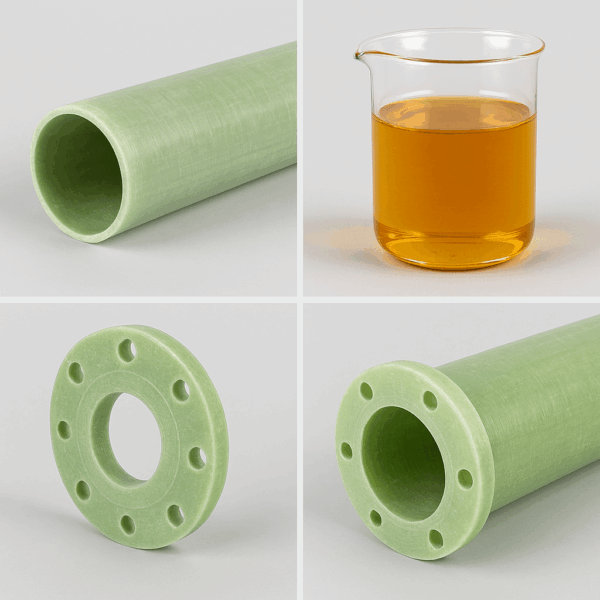
Isophthalic Unsaturated Polyester Resin for GRP Pipes
The enhanced resin-to-glass bonding property of Isophthalic Unsaturated Polyester Resin ensures excellent structural strength with minimal creep, even under continuous operating pressure that makes them applicable in GRP chemical pipelines, seawater intake and discharge lines, fire-fighting networks, high-pressure water supply pipelines, oil & gas flow channels, desalination plant piping, power-plant cooling circulation, and long-life underground composite infrastructure. The high chemical resistance of isophthalic UPR enables safe transport of aggressive fluids, saline media, brine solution, and industrial wastewater. Ingredients / Composition generally include isophthalic UPR base resin, reactive diluent (styrene), cobalt naphthenate accelerator, MEKP initiator, controlled inhibitors, low-shrink modification packages, glass-wetting enhancers, anti-osmosis additives, and high-temperature stabilizers. This resin works efficiently with continuous filament winding, high-glass-ratio laminates, chopped mat, woven roving, and surface veil reinforcement systems.
Production Process involves polycondensation of isophthalic anhydride with glycols, molecular-weight control for mechanical stability, reactive dilution with styrene, inhibitor stabilization, viscosity tuning, and wet-out optimization for GRP manufacturing equipment.
Key Advantages include extremely high corrosion resistance, excellent pressure endurance, low water absorption, long service life, superior thermal stability, reduced micro-cracking, outstanding glass-fiber bonding, and extended lifespan in coastal or chemical environments. Compared to orthophthalic resin, Isophthalic GRP composites deliver 2–5× longer durability in demanding service conditions.
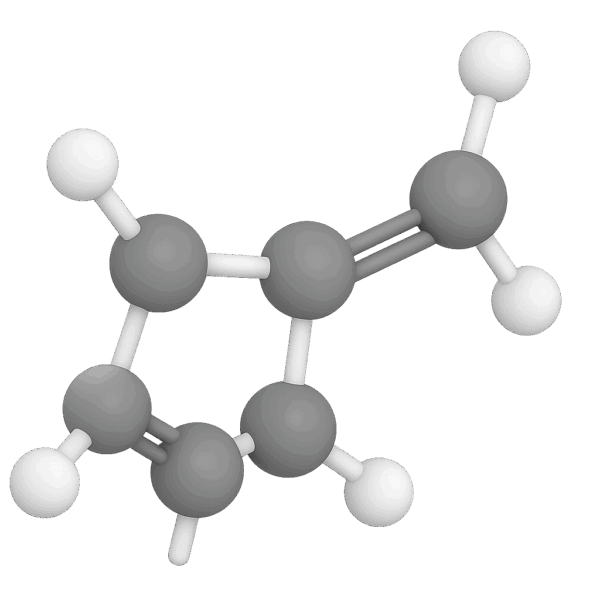
Isoprene
Isoprene is widely used in the manufacture of polyisoprene rubber, which provides properties similar to natural rubber and is valued for its elasticity, tensile strength, resilience, and fatigue resistance. It is also used in synthetic rubber formulations for tires, rubber goods, industrial components, footwear, adhesives, sealants, and flexible polymer products. Other applications include the production of specialty elastomers, thermoplastic materials, chemical intermediates, and research-grade polymer systems. Commercially available isoprene can be supplied in different purity levels and stabilized grades according to the requirements of polymer manufacturers, chemical processors, laboratories, and other industrial users. High-purity isoprene is suitable for demanding polymerization and specialty chemical applications, while standard industrial grades can be selected for general synthetic rubber and chemical manufacturing processes. Stabilized isoprene grades contain controlled inhibitor levels to improve storage stability and reduce the risk of unwanted polymerization during transportation and handling.
The main advantages of commercial isoprene include high reactivity, excellent polymerization capability, suitability for producing elastic polymers, and flexibility in industrial formulation and processing. Its controlled purity and consistent quality make it suitable for large-scale manufacturing where reproducible polymer performance is required. Isoprene is generally supplied in properly sealed drums, pressure-rated containers, tank containers, or bulk tank systems depending on customer requirements, shipment volume, and transportation regulations. Packaging and stabilization conditions should be selected according to the intended storage period and applicable hazardous-material transportation requirements because isoprene is highly flammable and reactive. Commercial specifications may include purity, inhibitor content, water, non-volatile matter, color, and other impurity parameters. Reliable sourcing should focus on product specification, certificate of analysis, packaging integrity, storage conditions, and consistent supply capability. Isoprene can therefore serve as a valuable industrial raw material for manufacturers seeking a reliable monomer for synthetic rubber, elastomer, polymer, and specialty chemical production.
J Bolts
J Bolts are also used in household settings for do-it-yourself projects like hanging baskets and deck building. J bolts are mechanical fasteners with a unique J-shaped hook designed for strong anchoring. This distinct shape enhances their anchoring strength when embedded in concrete or similar foundations. They are designed with a threaded end that allows for secure attachment with nuts and washers, making them highly effective in resisting pull-out forces. J bolts are manufactured from several materials, including Carbon Steel , Stainless Steel and Galvanized Steel. In construction, J bolts anchor columns, beams, and machinery to concrete foundations, ensuring structural integrity and preventing movement. J bolts are commonly used to secure heavy machinery and equipment, providing stability and preventing movement under load. Their strong anchoring capability makes them indispensable in industrial settings.
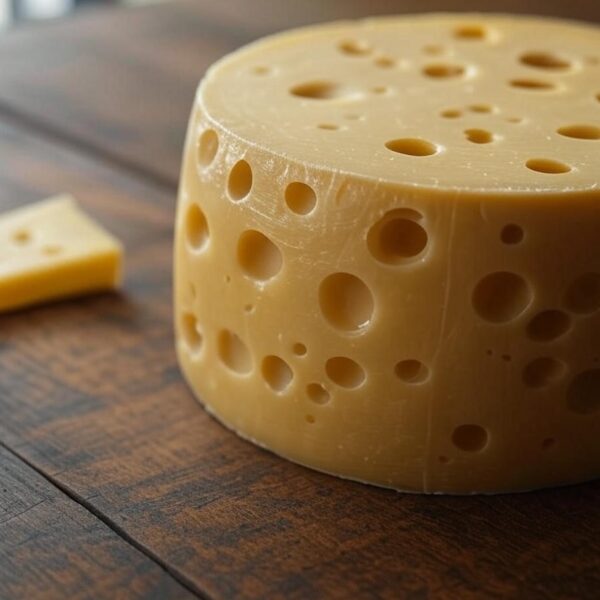
Jarlsberg Cheese
Jarlsberg Cheese is a mild, semi-soft cheese that resembles Emmental thanks to its open and irregular holes. This melt able cheese works well in hot dishes, on sandwiches and more
Jarlsberg cheese origin Norway , made from pasteurized cow’s milk and the type is semi-soft
Jarlsberg often finds itself marketed as a Swiss cheese because of its close resemblance to Emmentaler; in reality, it is a much sweeter and more substantial cheese with marked dissimilarities.