

 Arabic
shop
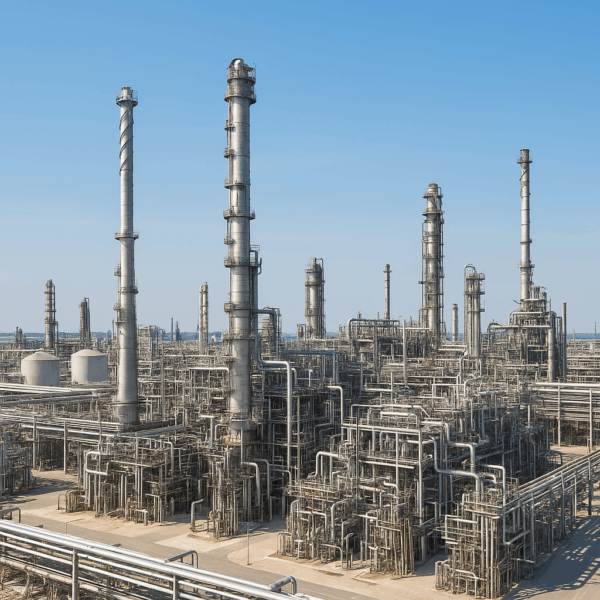
1-Butene
A major application of 1-Butene is as a comonomer in the production of polyethylene, particularly linear low-density polyethylene (LLDPE) and certain high-density polyethylene (HDPE) grades, where its incorporation helps control polymer density, crystallinity, flexibility, toughness and processing characteristics. It is also used in the production of poly-1-butene and can serve as a feedstock or intermediate for the manufacture of various chemicals and specialty products. Commercially available types may include polymerization-grade 1-Butene, high-purity 1-Butene and industrial-grade material, with the appropriate grade selected according to polymerization requirements, purity specifications and process conditions. High-purity grades are generally preferred for sensitive polymerization applications because controlled levels of impurities such as water, oxygenates, sulfur compounds and other hydrocarbons can be important for catalyst performance and final polymer quality. The principal advantages of 1-Butene include its high chemical reactivity, suitability as an alpha-olefin comonomer, reliable incorporation into polyethylene chains and ability to contribute to balanced mechanical and processing properties.
1-Butene is commonly supplied in pressure-rated cylinders, tube trailers, ISO tanks or other approved pressurized containers according to the transportation method, destination regulations and customer requirements. Packaging and handling must account for its highly flammable nature, vapor pressure and compatibility with the selected container.
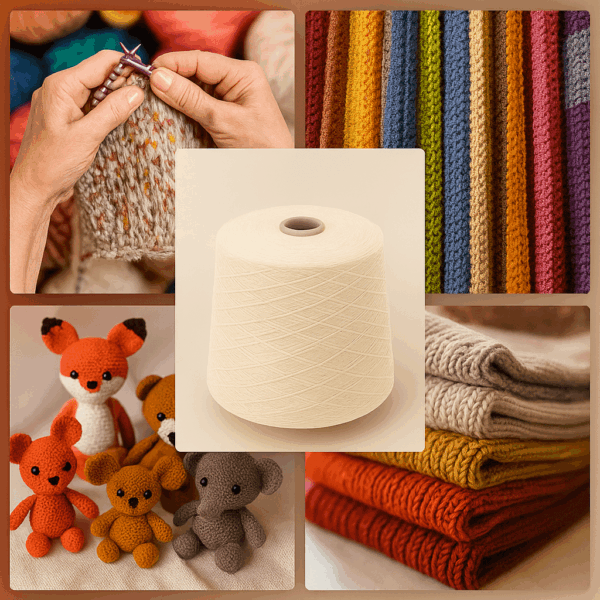
100% ACRYLIC YARN FOR WEAVING / KNITTING
Acrylic yarn is often favored for its affordability and versatility, suitable for creating a wide range of items from garments to blankets and accessories. Acrylic yarn is a synthetic fiber that has gained popularity in the textile and crafting industries as a versatile alternative to natural fibers.
It is made from polymers derived from petrochemicals, and its development was driven by the desire to create a cost-effective and easy-to-care-for option for various applications.
Technics: Ring Spun, Siro compact
NE10- NE60

100% Cotton Carded Yarn
Cotton yarns are lightweight and soft to the touch as well as other yarners. Carded cotton is super comfortable, soft, and warm to the touch. It is because of its characteristics that wool and cotton allows for sweat and moisture to pass through so that the fabric does not absorb moisture, meaning it is very breathable, lightweight, and super soft. Both carded cotton yarn is special designed to protect sensitive fibers and so the skin of the fibers.
- Structure: Carded
- Count: Ne 10- Ne 50
- Suitable for weaving / knitting
SAME YARNS ARE ALSO PRODUCED AS SLUB AND DYED.
For all of your knitting and weaving needs, our cotton ring spun combed yarn is available in a variety of counts.
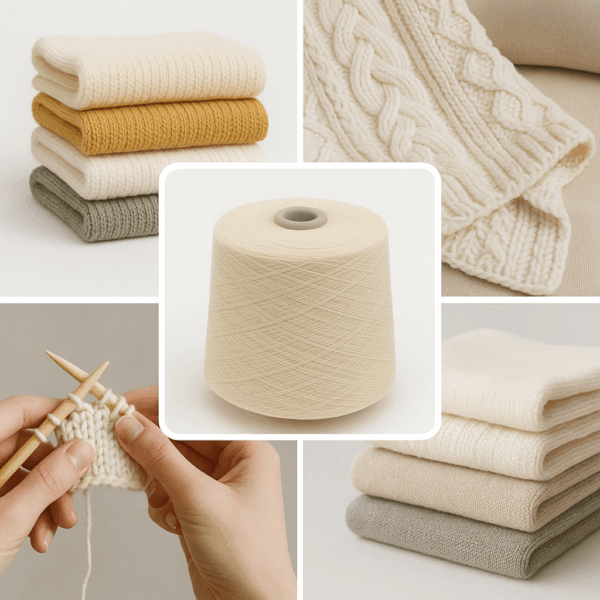
100% Cotton Ring Spun Yarn
The term “100% cotton” refers to the composition of the fabric, indicating that the material used is entirely made of cotton fibers. On the other hand, “ring spun cotton” is a specific method of spinning the cotton fibers into yarn. 100% ring spun cotton yarn is suited to a wide range of product category applications, such as Apparel and Knitting, Workwear and Weaving, Toweling, Socks, and more. The structure of ring spun yarns gives them visual, tactile, aesthetic properties suitable for a wide range of end uses. The fibres which form the body of yarn lie parallel along the Z/S twist helix (usually ‘Z’ twisted). The yarn can be carded or combed, with the latter having lower hairiness, a higher uniformity and strength due to longer and more parallel fibres.
In compact ring spinning, the single ribbon of fibres is compacted before twisting to further reduce hairiness and increase yarn strength.
- Structure: Ring Spun Yarn
- Yarn Count: Ne10 – 50
- Transport Package: Carton Package or Woven Bag Package
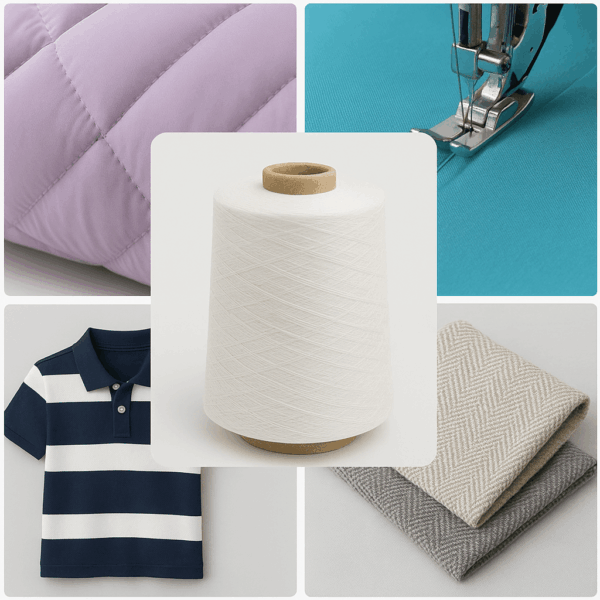
100% Polyester Yarn
The reason why polyester yarns are extensively used as it has high tensile strength, low shrinkage and lustrous properties. It protects the skin from extreme weather conditions and is highly resistant to chemicals. Polyester yarns are light in weight and affordable hence used widely in clothing globally. Application of polyester yarns is in Circular knitting, Warp knitting, Weaving, Elastics, Narrow fabrics, Twisting, Yarn dyeing, Industrial applications and many more which is used in making home furnishings, Fashion apparels, threads, ropes, cords, footwear etc.
Polyester Yarn Types
- Filament Yarn – Made from long continuous strands of fiber. It’s strong and used in sewing
- Textured Yarn – This has a nubby surface. It’s often used for sweaters and hats
- Spun Yarn – Made from shorter strands of fiber twisted together. It’s often used for garments and accessories

100% Wool Yarn
Variations: There are many variations under the umbrella of wool. Take a look at these common wool variations.
- Merino Wool. Derived from Merino sheep, Merino wool is highly praised for it’s soft, smooth texture. Merino wool is popular for its texture and versatility but is prone to pilling and comes at a higher price point.
- Virgin Wool. This wool comes directly from the fleece of a sheep and does not include any recycled wool.
- Super wash Wool. This is wool that has been chemically or electronically treated to remove the outer layers of wool yarn. The resulting fiber is soft to the touch and machine-washable.
Spinning can be done using various methods, such as ring spinning, open-end spinning, or worsted spinning. Wool can be used for nearly any project but is often preferred for warm, fitted sweaters, heavy heirloom blankets, and other prized garments and accessories. Wool is highly praised for its flexibility and hardwearing nature. This animal-fiber has great stitch memory, meaning garments made in wool are more likely to keep their shape over time.
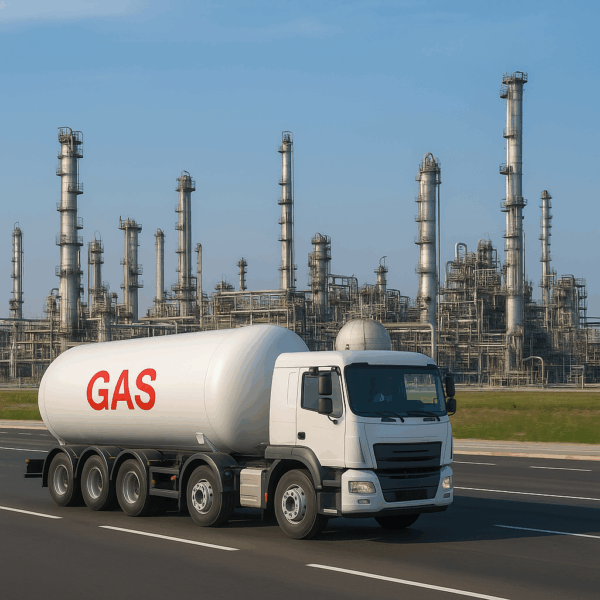
2-Methylpropene
One of the most significant applications of 2-Methylpropene is the production of polyisobutylene, a synthetic polymer used in sealants, adhesives, lubricants, fuel additives, electrical insulation, and other industrial formulations where flexibility, chemical resistance, and low gas permeability are required. Isobutylene is also an important component in the manufacture of butyl rubber, where its incorporation into the polymer structure contributes to the material’s characteristic low permeability and excellent sealing performance, making butyl rubber suitable for tire inner liners, pharmaceutical closures, tubes, seals, and various technical rubber products. In the fuel and petrochemical sector, 2-Methylpropene can be converted into high-octane hydrocarbon components such as isooctane and can also be used as a feedstock for producing tert-butyl-based compounds and other valuable chemical intermediates. Commercially available forms are generally differentiated according to purity, impurity profile, and intended application, with standard industrial grades suitable for general chemical processing and higher-purity grades preferred for polymerization, specialty chemical synthesis, and processes requiring strict feedstock specifications. Typical quality parameters include product purity, molecular composition, water content, sulfur compounds, and other C4 hydrocarbons, while consistent specification control helps manufacturers achieve stable reaction conditions, predictable conversion, and dependable downstream product quality. The material is normally handled through closed industrial systems because of its highly flammable nature and its gaseous state under normal atmospheric conditions. Appropriate storage and handling procedures, compatible pressure-rated equipment, ventilation, and compliance with applicable regulations are therefore essential throughout the supply chain. Depending on the required quantity and delivery method, 2-Methylpropene may be commercially supplied in pressurized cylinders, specialized pressure containers, ISO tanks, or bulk storage and transportation systems, with bulk supply generally preferred for large-volume industrial consumers and cylinder or smaller pressure-container supply being more appropriate for lower-volume applications.
High-purity Isobutylene is particularly important for applications in which feedstock impurities could influence polymerization efficiency, catalyst performance, reaction selectivity, or final product properties, while standard industrial grades can provide a practical solution for less demanding chemical conversion processes. The product’s high reactivity, versatility, established petrochemical production routes, and broad range of downstream applications are among its principal commercial advantages, allowing manufacturers to use a single C4 feedstock across multiple production chains and chemical manufacturing operations. 2-Methylpropene is consequently an important industrial raw material for the global petrochemical sector, offering manufacturers an efficient and versatile route to polymers, synthetic rubber, fuel-related products, chemical intermediates, and specialty chemicals.
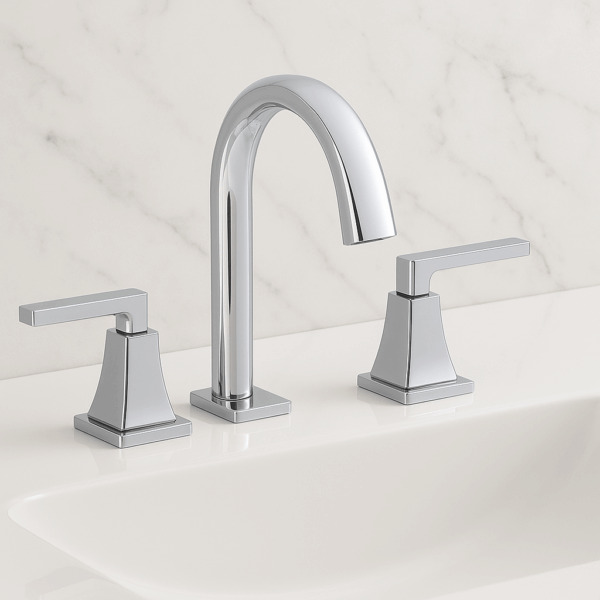
3-Hole Basin Tap
This mounting style provides a stable and secure installation, as the tap is anchored directly to the sink. Basin-mounted taps are available in a range of styles and configurations, allowing for a customized look that complements the sink and overall bathroom design. This integration can create a cohesive and polished appearance, seamlessly blending with the sink’s design. Basin-mounted taps also simplify the installation process compared to some other types of mounts, as they are typically designed to fit standard sink configurations.

4X4 Tires ( Off-Road)
There are typically 3 types of 4WD tires:
- Highway Terrain: Suitable for city and highway driving.Highway Terrain (HT) – 90% Road, 10% Off-Road.Highway Terrain tires are suited to 4WDs that spend most of their time on-road and a limited amount of time off-road (like parked up on the nature strip while you give it a wash).
- All-purpose( All-terrain):All Terrain (AT) – 60% Road, 40% Off-RoadAll Terrain, or AT tires, are designed to be used mostly on-road with some time spent doing light off-road duties. When it comes to 4WD tires, All Terrains are considered a good all-rounder. Can switch between on-road and off-road driving, however the tread is not as aggressive as other tires. Works well with all types of terrain; however, may not be suitable as other tire options in certain conditions.
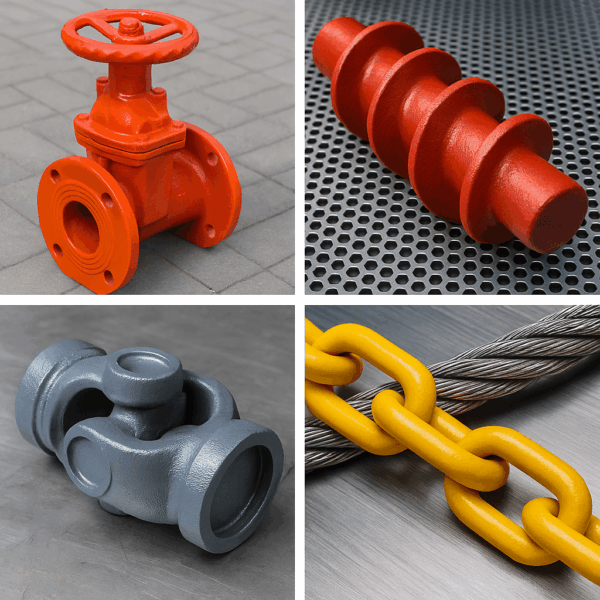
Abrasion Resistant Epoxy Powder Coating
Formulated with advanced epoxy resins, reinforced fillers, anti-abrasion additives, and functional curing agents, these powders produce a dense cross-linked film with excellent mechanical strength. Their optimized particle size distribution ensures smooth flow, uniform film thickness, and superior edge coverage during application. The coatings offer strong resistance to abrasion, erosion, slurry wear, chemical fluids, oils, salt spray, and harsh industrial atmospheres. The exceptional adhesion of these epoxy-based coatings to metal substrates, they ensure long-term service life and reduced maintenance costs for demanding industries.
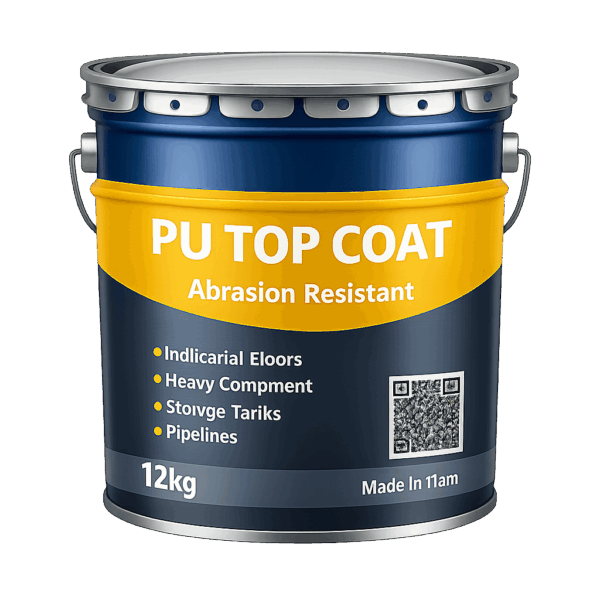
Abrasion Resistant Polyurethane Top Coat
Abrasion resistant polyurethane top coats are formulated using advanced polyurethane resin systems with high mechanical strength consequently they provide excellent adhesion to properly primed steel, concrete, and metal surfaces and also combine long-term durability with excellent surface appearance.
The cured coating exhibits outstanding resistance to scratching, scuffing, and repeated mechanical stress. High flexibility allows the film to absorb impact without cracking or peeling. They show strong resistance to oils, fuels, water, and many industrial chemicals, Smooth flow and leveling result in uniform, defect-free finishes.
Abrasion resistant polyurethane top coats are commonly applied on industrial floors, machinery, conveyors, pipelines, storage tanks, and heavy-duty equipment. They are ideal for high-traffic areas and surfaces exposed to frequent contact or movement. Excellent wear resistance helps extend maintenance intervals and the coating maintains its protective properties under harsh operational conditions, so it can reduce downtime and long-term repair costs. These coatings integrate well with epoxy and polyurethane primer systems and are available in various colors and gloss levels to meet project specifications.

ABS Compound for Injection Molding
Engineered for high flow, short cycle molding, and stable shrinkage control, ABS compounds ensure smooth processing, precision part replication, and low defect rates in mass-production environments. The material supports high-gloss, matte, textured, and colored surface requirements with excellent paintability, electroplating compatibility, and uniform pigment dispersion that makes ABS one of the most widely used engineering plastics in industrial manufacturing.
ABS Injection Molding Compound is ideal for automotive interior/exterior components, appliance housings, electrical enclosures, consumer electronics, toys, power-tool casings, luggage shells, medical device covers, and industrial equipment parts. Its excellent impact tolerance, dimensional stability, chemical resistance, and thermal balance provide long-service performance even under dynamic load and environmental stress.
Available Grades:
- Natural, Black & Custom Color ABS compounds
- Heat-resistant & UV-stable
- Flame Retardant & Plating-grade ABS
- Glass Fiber Reinforced
- High-gloss and High-Flow Variants