

 Arabic
shop
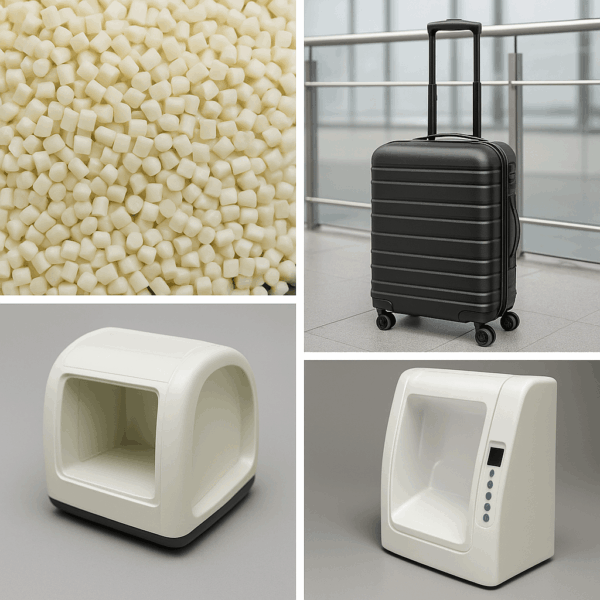
ABS for Extrusion
The production process of ABS extrusion grade involves polymerization of acrylonitrile, butadiene, and styrene components followed by compounding, filtration, drying, and pelletizing under controlled industrial conditions. During manufacturing, additives such as stabilizers, lubricants, impact modifiers, flame retardants, UV resistance agents, and color pigments can be incorporated to achieve specific performance requirements. ABS extrusion pellets are designed for smooth melt flow, consistent processing, and excellent compatibility with extrusion equipment. Available commercial grades include standard ABS extrusion grade for general profiles and sheets, high-impact ABS for applications requiring enhanced toughness, flame-retardant ABS for electrical and electronic uses, UV-resistant ABS for outdoor applications, and high-gloss ABS for decorative and visible surface products.
ABS for Extrusion is widely applied in automotive components, electrical and electronic housings, appliance parts, construction profiles, interior panels, protective covers, consumer products, toys, furniture components, refrigeration parts, and industrial equipment. Its major advantages include high impact strength, excellent rigidity, easy machining, good surface appearance, low moisture absorption, reliable processing performance, and long service life. ABS extrusion pellets are commercially available in different melt flow rates, colors, and customized formulations according to customer requirements, making them suitable for wholesale export supply to manufacturers seeking consistent quality, competitive pricing, and dependable industrial plastic raw materials.
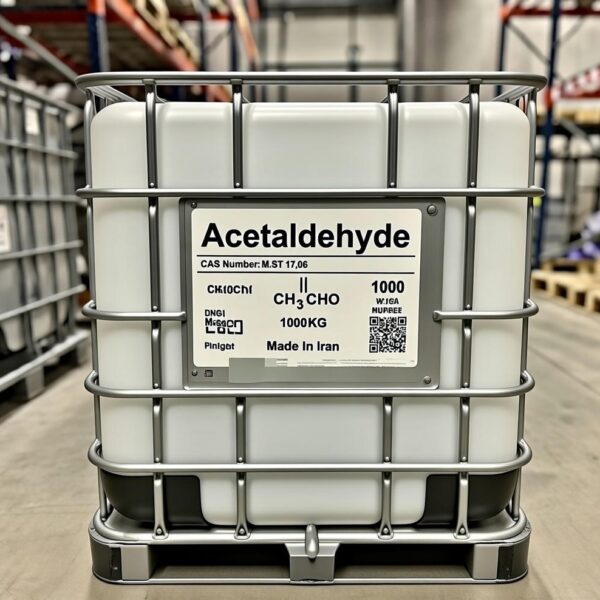
Acetaldehyde
Chemically, acetaldehyde is a low-molecular-weight aldehyde produced mainly by the oxidation of ethanol or ethylene-based processes. Key technical properties include high chemical reactivity, low boiling point, good solubility in water and organic solvents, and excellent participation in condensation and polymerization reactions. These characteristics allow efficient synthesis, fast reaction rates, and high conversion efficiency in industrial processes.
Acetaldehyde can be supplied in specialized commercial packaging designed for safety and efficiency, including pressurized cylinders, stainless steel drums, ISO tanks, and bulk tanker deliveries for large consumers. It requires controlled storage conditions due to its volatility and flammability, typically under inert gas and low temperatures. With its broad application range, high industrial value, and consistent quality standards, acetaldehyde remains a critical building block for chemical manufacturers seeking reliability, scalability, and performance in advanced production systems.
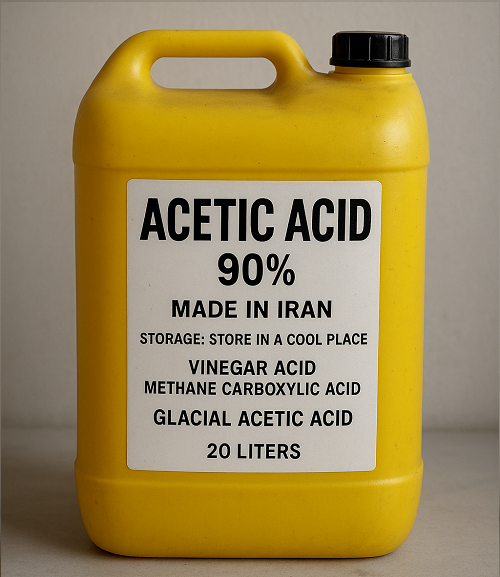
Acetic Acid
Key features include controlled acidity, low impurity levels, high solubility in water and organic solvents, and stable performance under varied process conditions. Acetic acid is extensively used in the production of vinyl acetate monomer (VAM), acetic anhydride, acetate esters, purified terephthalic acid (PTA), solvents, adhesives, coatings, textiles, plastics, inks, dyes, pharmaceuticals, food preservatives, and agrochemicals. From a technical perspective, it is a weak organic acid typically produced via methanol carbonylation, offering high conversion efficiency and scalability for continuous industrial operations. Its consistent quality supports precise reactions, improved yields, and cost-effective manufacturing.
For commercial supply, acetic acid is offered in a wide range of packaging solutions to meet diverse customer requirements, including HDPE drums, IBC totes, ISO tanks, flexitanks, and bulk tanker shipments for large-volume consumers. Proper storage under recommended conditions ensures long shelf life and product stability. With its broad application scope, dependable quality standards, and flexible logistics options, acetic acid remains a strategic raw material for manufacturers seeking efficiency, performance, and long-term supply reliability in competitive global markets.
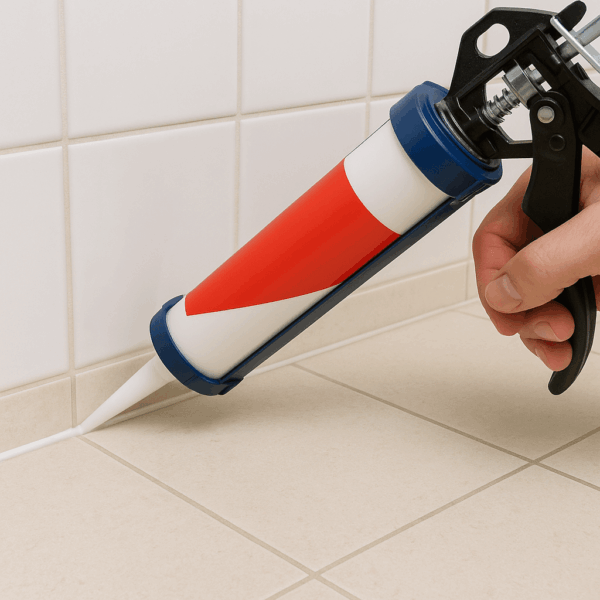
Acetoxy Cure Silicone Sealants
Acetoxy silicones offer outstanding adhesion to glass, ceramics, anodized aluminum, coated metals, and many non-porous substrates. Their excellent tensile strength, reliable waterproofing, and permanent flexibility ensure long service life in demanding weather conditions. Key advantages include rapid curing, crystal-clear transparency options, anti-mold additives, excellent thermal stability, superior UV resistance, and high bonding strength without shrinkage. Their smooth extrusion, quick curing, and long-lasting elasticity make them ideal for high-volume professional usage.
These sealants are widely used in glazing, window & door assembly, bathroom and kitchen sealing, household repairs, industrial equipment maintenance, and general bonding tasks. With resistance to moisture, ozone, and temperature fluctuations, acetoxy silicones remain a trusted solution for reliable sealing performance. Export-ready Acetoxy Cure Silicone Sealants are available in 300 ml cartridges, silicone tubes, and bulk packaging.
Acrylic Art Paint
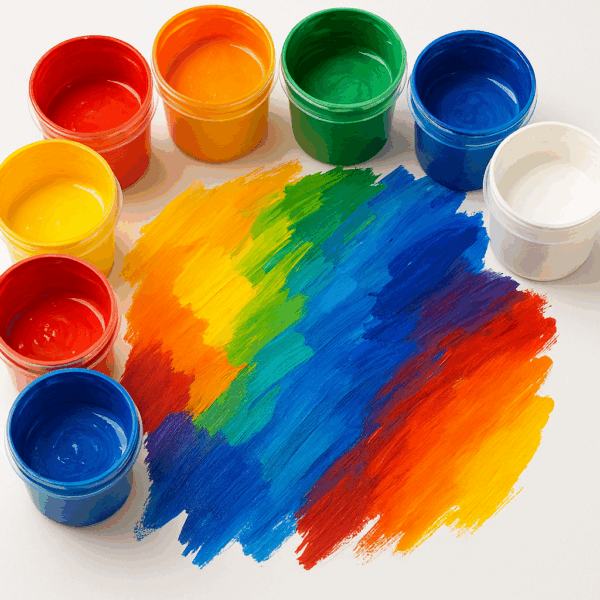
The pigments used in a paint can be derived from natural sources, such as minerals and plants, or they can be synthesized chemically in a laboratory. The binder holds the pigments together to help the paint adhere to the painted surface. Other ingredients, such as solvents that adjust the paint’s consistency or additives that improve its performance or durability, may also be added to the mixture. Acrylic Art Paint is a fast-drying paint made with a synthetic polymer binder. It is known for its versatility and ability to mimic the appearance of oil paints, making it a popular choice for artists working in various styles and techniques. It is also water-soluble, which means it can be thinned with water and easily cleaned up with soap and water.
Acrylic Modified Alkyd Top Coat
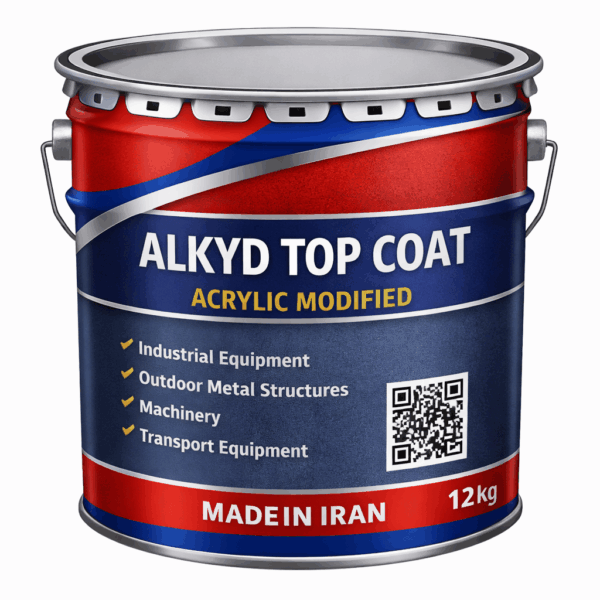
It is widely used in industrial and commercial projects where reliable protection and a smooth appearance are required. Acrylic modified alkyd top coat is formulated using carefully selected alkyd resins blended with acrylic components to achieve better gloss retention and faster surface drying. The cured coating provides good adhesion to properly prepared steel, metal, and previously painted surfaces. It offers improved resistance to weathering, moisture, and atmospheric exposure compared to standard alkyd coatings. Excellent flow and leveling properties ensure uniform finishes when applied by spray, roller, or brush. The film maintains balanced hardness and flexibility, supporting long-term performance in service.
Acrylic modified alkyd top coats are commonly applied on steel structures, machinery, equipment housings, agricultural implements, and general maintenance coatings. They perform well in both indoor and outdoor environments with moderate exposure conditions. The coating helps reduce drying time and improve production efficiency. Available in a wide range of colors and gloss levels, acrylic modified alkyd top coats offer a practical and cost-effective solution for durable industrial finishing and maintenance applications.

Acrylic Paint
Commercial acrylic paints come in many grades that some of them can be :
- Artist acrylics (professional acrylics) , Student acrylics Varieties
- Heavy body acrylics
- Medium viscosity acrylics –
- Open acrylics
- Iridescent, pearl and interference acrylic colors
- Craft acrylics , Interactive , Exterior acrylics
- Acrylic glass , Acrylic enamel paint
Acrylic coatings are mainly used for topcoats with high decorative and high weather resistance. They are widely used in the automotive industry and machinery industries. They are also important topcoats in steel structure heavy-duty anti-corrosion systems. Acrylic coatings modified with epoxy have good recoating properties, acrylic coatings modified with silicone have good heat resistance, resistance to high and low-temperature changes, water repellency, stain resistance and chalking resistance.
Acrylic Paint Thinner
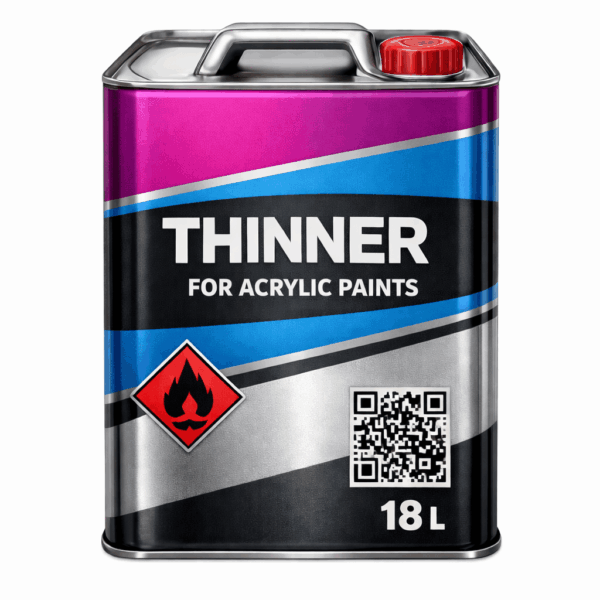
Acrylic paint thinner improves spray atomization and leveling, resulting in a uniform and visually appealing finish. Its controlled evaporation rate allows proper open time for smooth film formation. The thinner enhances wetting and adhesion of acrylic paints on metal, concrete, wood, and previously coated surfaces. It helps reduce common application defects such as orange peel, sagging, and brush marks. Acrylic paint thinner supports consistent drying behavior under different environmental conditions. It is compatible with a wide range of solvent-based acrylic primers, intermediate coats, and top coats. The formulation maintains color stability, gloss, and durability of the final coating. It improves application efficiency and reduces labor time. Easy blending ensures stable and predictable performance. The product meets common industrial quality standards. It is suitable for indoor and outdoor applications. It supports reliable results in commercial and industrial projects.
Typical applications include thinning acrylic primers, acrylic top coats, and protective acrylic finishes used in industrial and architectural projects. Acrylic paint thinner is widely used on steel structures, machinery, equipment, facades, and decorative surfaces. It is suitable for spray, roller, and brush application methods. Proper use helps improve coverage and reduce paint consumption. The product supports consistent coating quality in large-scale operations. Available in different packaging sizes for commercial and export supply. Acrylic paint thinner offers an excellent balance of performance and cost efficiency. It remains a reliable solution for achieving high-quality acrylic coating results.
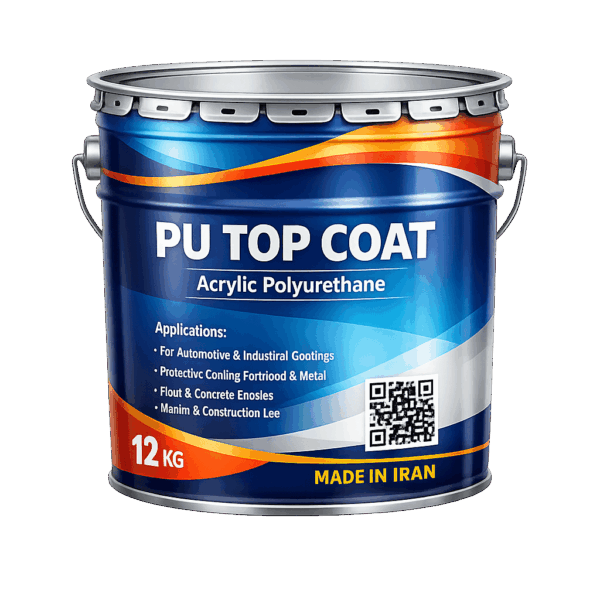
Acrylic PU Top Coat
Acrylic Polyurethane Top Coat is engineered with high solids content to achieve greater dry film thickness per coat, improving efficiency while reducing the number of required applications, and it is available in multiple commercial grades including high gloss, semi-gloss, and matte finishes as well as fast-drying versions designed to accelerate project completion and reduce downtime. The coating provides excellent flow and leveling properties, ensuring a smooth, uniform, and aesthetically superior finish when applied by spray, roller, or brush, and it is recommended for use on properly primed substrates such as steel, galvanized steel, and concrete, where it demonstrates strong adhesion to epoxy primers and compatible industrial coating systems. With reliable performance across a wide range of temperatures and environmental conditions, along with a low VOC formulation that supports environmental compliance and reduced emissions, this product significantly lowers maintenance costs by extending protection intervals and improving coating lifecycle efficiency.
Acrylic Polyurethane Top Coat is widely used in industrial and infrastructure sectors including bridges, pipelines, steel structures, storage tanks, marine and offshore equipment, petrochemical facilities, and heavy industrial machinery exposed to severe weather conditions, where long-term corrosion protection and surface durability are critical requirements. For global supply and export markets, it is available in standard industrial packaging formats including 5-liter and 20-liter metal cans, 18–20-liter steel pails, and 200-liter drums, ensuring safe handling, storage stability, and efficient international transportation. This system provides a complete protective and decorative solution that combines high durability, aesthetic quality, and cost efficiency, making it a reliable choice for high-performance industrial coating projects with extended service life.
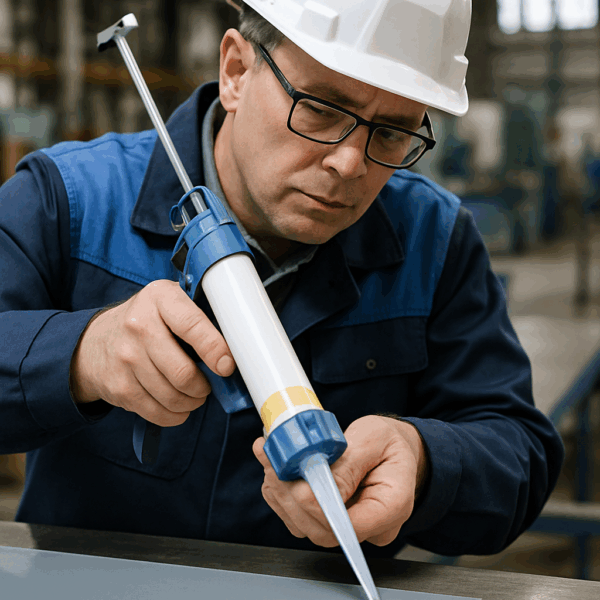
Acrylic Sealant
Acrylic Sealants are available in several types, including General Purpose Acrylic Sealant, Painter’s Acrylic Sealant, Construction Acrylic Sealant, Flexible Acrylic Sealant, and Modified Acrylic Sealant. General-purpose grades are suitable for standard indoor sealing applications, while flexible and modified grades are designed for applications requiring better movement capability and improved environmental resistance. These sealants are widely used for sealing joints around windows and doors, wall cracks, ceiling gaps, concrete structures, gypsum boards, wood surfaces, PVC profiles, aluminum frames, and other porous construction materials. They are also used in interior decoration, building maintenance, prefabricated construction, and general repair applications where reliable sealing performance is required.
The main advantages of Acrylic Sealant include excellent paintability, low odor, easy application, good adhesion to porous surfaces, economical cost, and compatibility with a wide range of construction materials. Compared with many other sealant technologies, acrylic sealants provide a practical solution for applications where surface finishing and ease of use are important factors. Depending on the application requirements, Acrylic Sealants are supplied in different packaging options such as 280 ml and 310 ml cartridges, sausage packs from 400 ml to 600 ml, plastic pails, and industrial bulk containers. Packaging selection depends on project size, application method, and customer requirements
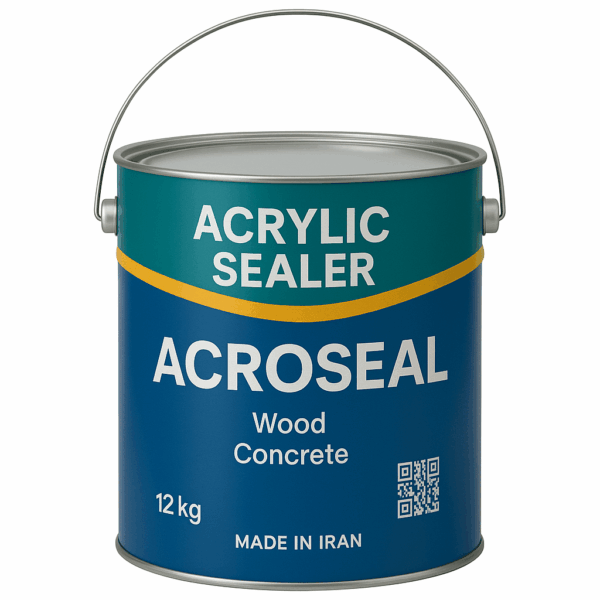
Acrylic Sealer
Acrylic sealers are available in solvent-based, water-based, and 100% solids systems to meet specific application needs. Common applications include concrete floors, stone and masonry surfaces, wood decks, pavers, metal surfaces, and industrial coatings. The main ingredients typically include acrylic resins, water or organic solvents, additives for flow and leveling, UV stabilizers, and hardeners. Key advantages include excellent adhesion to porous surfaces, resistance to weathering, quick curing time, and ease of application by spray, roller, or brush. Acrylic sealers also provide enhanced gloss retention, moisture resistance, and abrasion resistance, which makes them suitable for high-traffic areas and exposed surfaces.
In terms of performance properties, acrylic sealers offer low VOC emissions (in water-based formulations), non-yellowing finishes, UV stability, and improved surface appearance, making them ideal for long-term use in both commercial and residential projects. Acrylic sealers also provide good chemical resistance and easy maintenance. They are supplied in a variety of industrial packaging options, including 1–5 kg cans, 10–12 kg pails, 20–25 kg containers, and 200 kg drums for large-scale applications. These features make acrylic sealers a versatile and widely used solution for sealing, protecting, and enhancing the appearance of various surfaces in different industries.