Your gateway to numerous Iranian top exporters

Create one request and get multiple quotes from verified suppliers. 100% free.

Isoprene

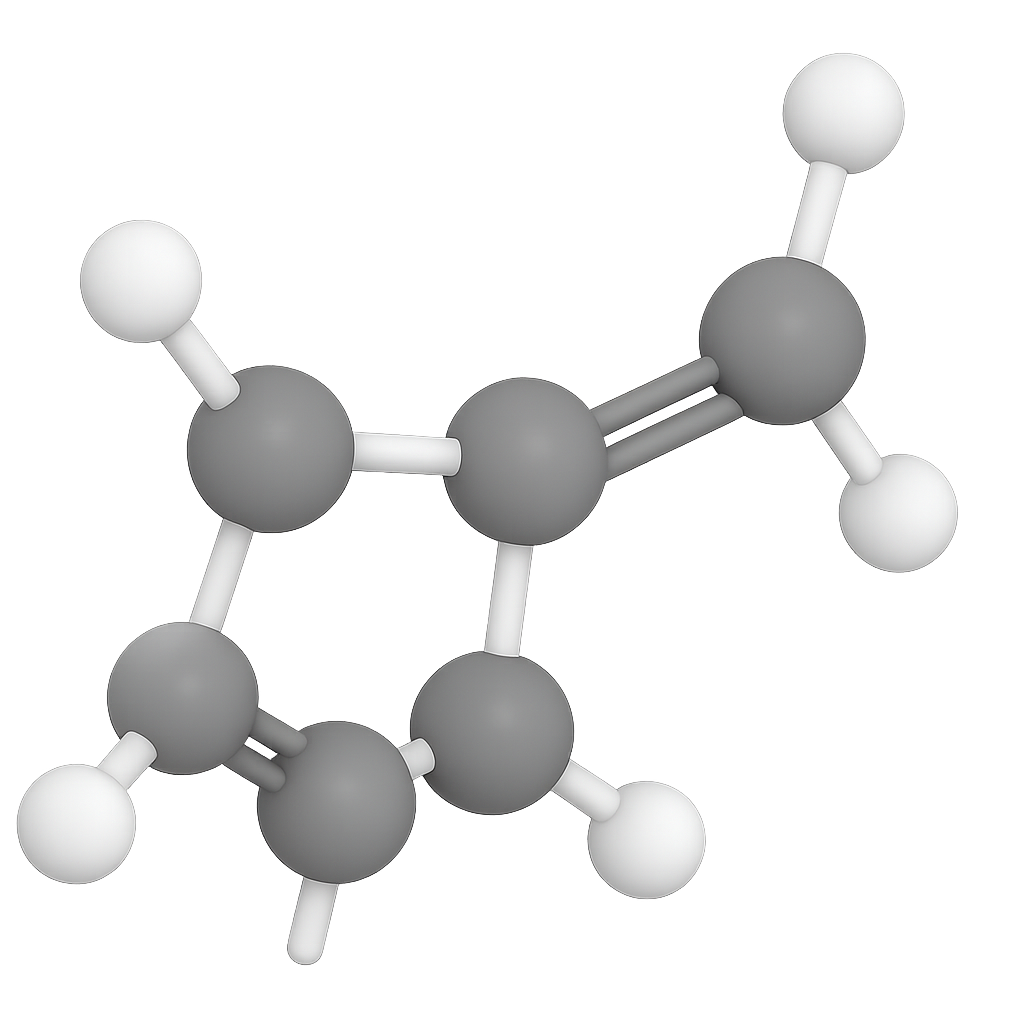
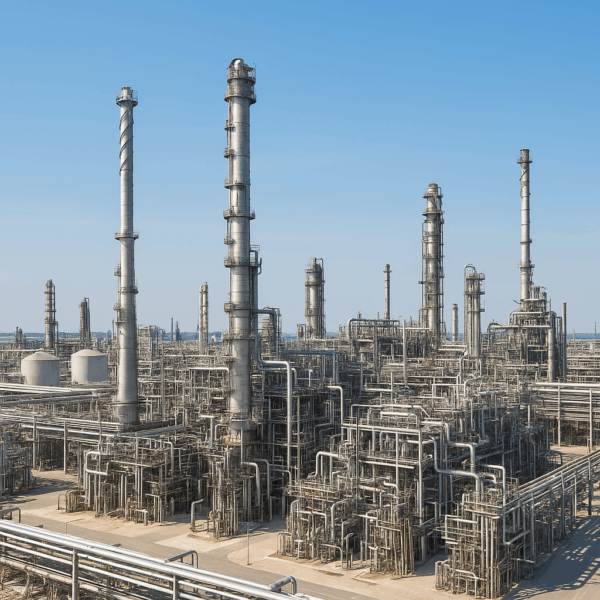
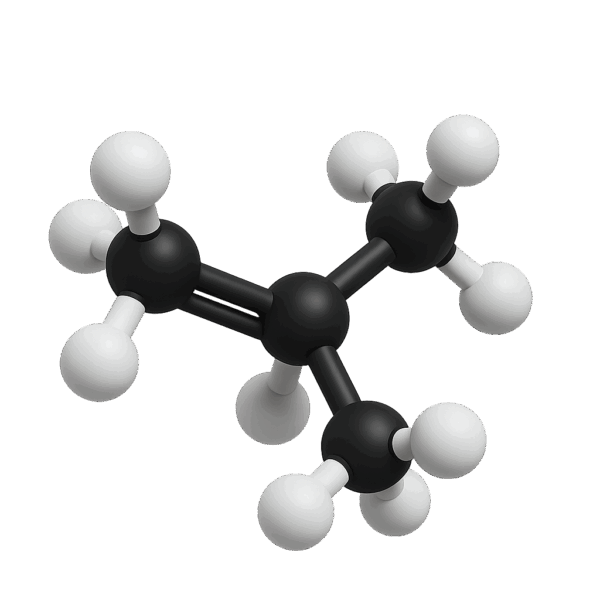
Isoprene is a highly versatile unsaturated hydrocarbon and an important industrial chemical used as a key building block in the production of synthetic rubber, elastomers, specialty polymers, and various chemical intermediates. With the molecular formula C5H8, isoprene is a colorless, highly flammable liquid with a characteristic hydrocarbon odor and high chemical reactivity due to its conjugated diene structure. Commercial isoprene is primarily supplied as a high-purity monomer for polymerization processes where consistent composition, low impurity levels, and reliable performance are essential. Industrial isoprene is commonly obtained as a by-product of ethylene and propylene production or recovered from hydrocarbon streams through separation, purification, and distillation processes. Depending on the production route, the crude isoprene stream is subjected to extraction, fractionation, purification, and stabilization to achieve the required commercial specification. High-purity isoprene is particularly important for applications requiring controlled polymer properties, predictable molecular weight, and excellent process consistency.

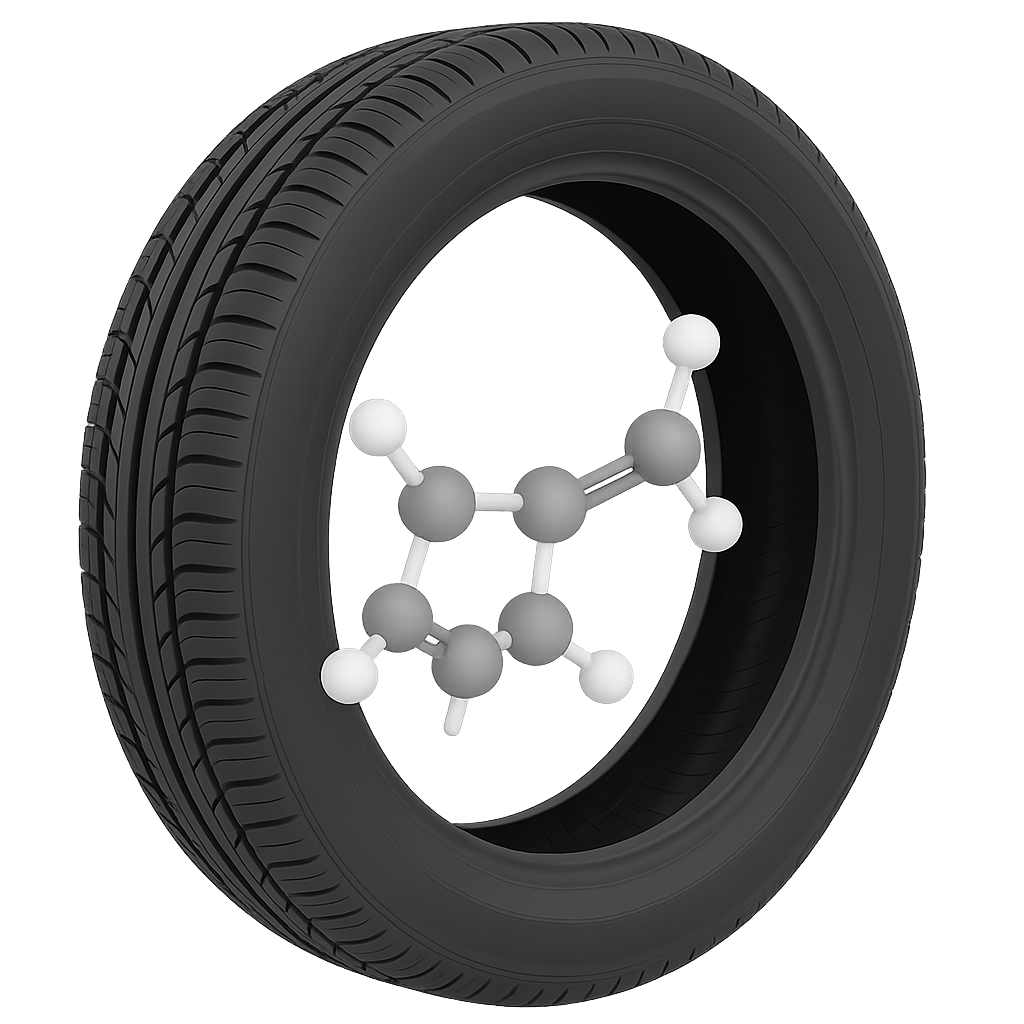
Isoprene is widely used in the manufacture of polyisoprene rubber, which provides properties similar to natural rubber and is valued for its elasticity, tensile strength, resilience, and fatigue resistance. It is also used in synthetic rubber formulations for tires, rubber goods, industrial components, footwear, adhesives, sealants, and flexible polymer products. Other applications include the production of specialty elastomers, thermoplastic materials, chemical intermediates, and research-grade polymer systems. Commercially available isoprene can be supplied in different purity levels and stabilized grades according to the requirements of polymer manufacturers, chemical processors, laboratories, and other industrial users. High-purity isoprene is suitable for demanding polymerization and specialty chemical applications, while standard industrial grades can be selected for general synthetic rubber and chemical manufacturing processes. Stabilized isoprene grades contain controlled inhibitor levels to improve storage stability and reduce the risk of unwanted polymerization during transportation and handling.

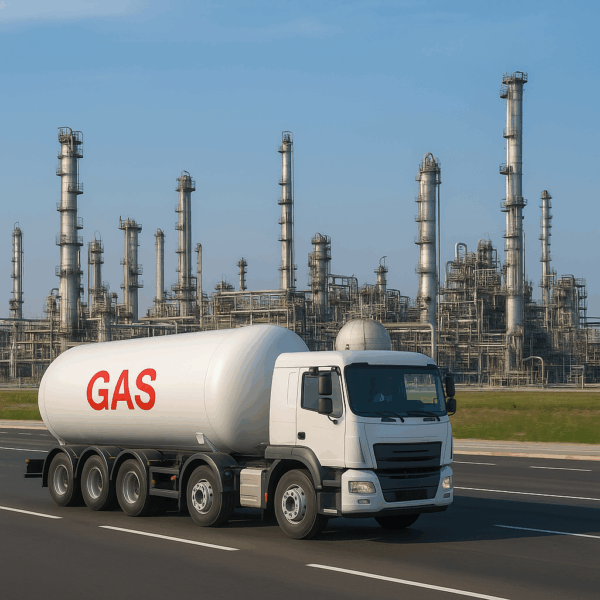
The main advantages of commercial isoprene include high reactivity, excellent polymerization capability, suitability for producing elastic polymers, and flexibility in industrial formulation and processing. Its controlled purity and consistent quality make it suitable for large-scale manufacturing where reproducible polymer performance is required. Isoprene is generally supplied in properly sealed drums, pressure-rated containers, tank containers, or bulk tank systems depending on customer requirements, shipment volume, and transportation regulations. Packaging and stabilization conditions should be selected according to the intended storage period and applicable hazardous-material transportation requirements because isoprene is highly flammable and reactive. Commercial specifications may include purity, inhibitor content, water, non-volatile matter, color, and other impurity parameters. Reliable sourcing should focus on product specification, certificate of analysis, packaging integrity, storage conditions, and consistent supply capability. Isoprene can therefore serve as a valuable industrial raw material for manufacturers seeking a reliable monomer for synthetic rubber, elastomer, polymer, and specialty chemical production.

 

Isoprene
Specification Typical Value / Description
Chemical Name Isoprene
Chemical Formula C₅H₈
CAS Number 78-79-5
Molecular Weight 68.12 g/mol
Appearance Colorless liquid
Purity Typically ≥ 99%
Density Approx. 0.68 g/cm³
Boiling Point Approx. 34°C
Melting Point Approx. −146°C
Inhibitor Content As specified by grade
Main Use Synthetic rubber & polymer production
Packaging Drums, IBCs, tank containers, bulk


IF YOU ARE WILLING TO BUY ISOPRENE FROM IRANIAN SUPPLIERS, PLEASE SCROLL DOWN AND SUBMIT YOUR REQUEST.

0 reviews
0
0
0
0
0

There are no reviews yet.

Be the first to review “Isoprene”

FAQ Isoprene

Isoprene is mainly used as a monomer for producing polyisoprene rubber, synthetic elastomers, specialty polymers, adhesives, sealants, and various chemical intermediates.
Industrial isoprene is commonly recovered from hydrocarbon streams generated during ethylene and propylene production, followed by separation, extraction, fractionation, purification, and stabilization to obtain the required commercial grade.
Commercial isoprene is generally available in different purity and stabilization grades, including high-purity grades for demanding polymerization applications and industrial grades for synthetic rubber and chemical manufacturing.
Isoprene offers high chemical reactivity, excellent polymerization characteristics, good elasticity in resulting polymers, and suitability for producing synthetic rubber with properties comparable to natural rubber.
Isoprene is commonly supplied in sealed drums, pressure-rated containers, tank containers, or bulk systems. Because it is highly flammable and prone to polymerization, it should be stored in approved containers under controlled conditions away from ignition sources.
You can find a suitable Isoprene supplier in Iran through Irancorps, which can assist international buyers in identifying Iranian suppliers and manufacturers according to required specifications, purity, packaging, and commercial requirements.

Request for Quotes

Create one request and get multiple quotes from verified suppliers.