


Your gateway to numerous Iranian top exporters

Create one request and get multiple quotes from verified suppliers. 100% free.

Iron Concentrate

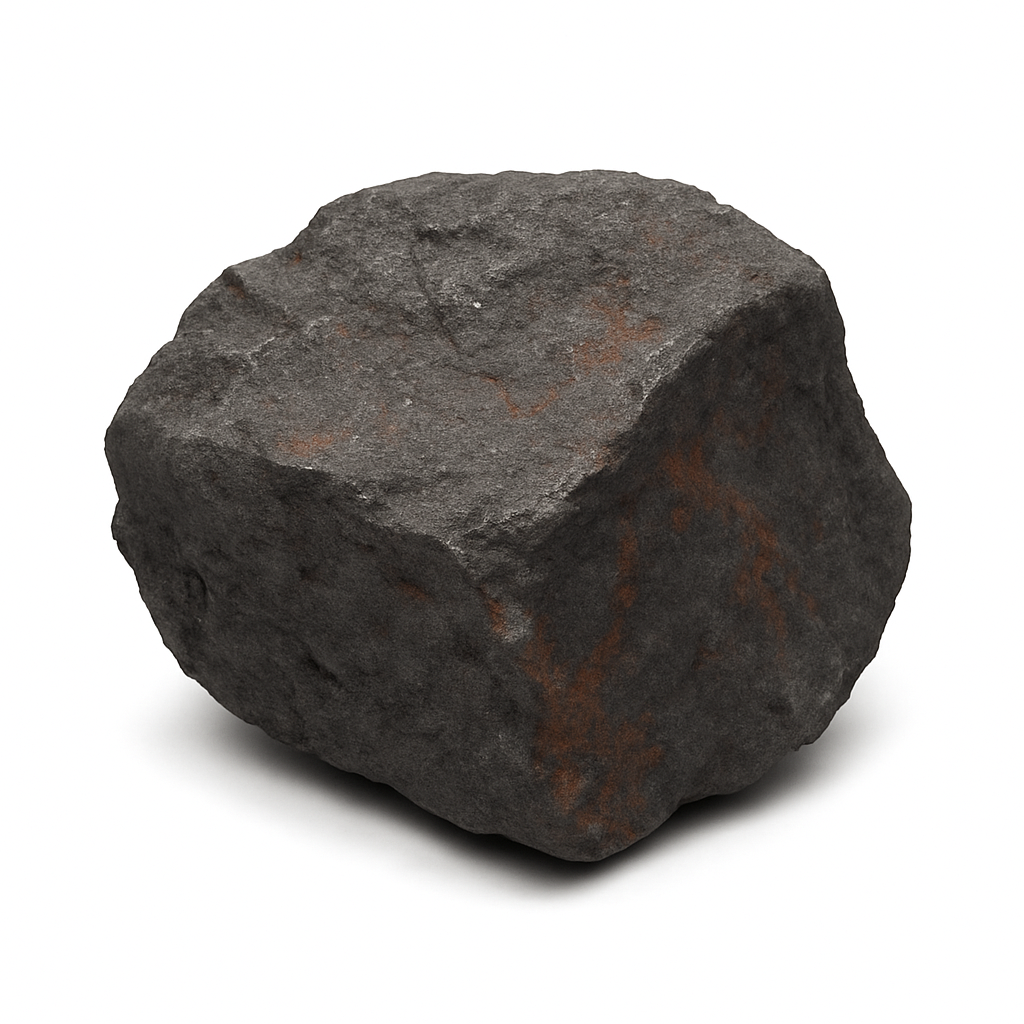
Iron Concentrate is a high-value iron-bearing raw material produced by processing iron ore to increase its iron content and reduce unwanted gangue minerals, making it suitable for use as a feedstock in modern iron and steel production. It is commonly produced from magnetite or hematite ores through a combination of crushing, grinding, screening, magnetic separation, gravity separation, flotation, and dewatering, depending on the mineralogical characteristics of the source ore. During beneficiation, valuable iron minerals are separated from silica, alumina, sulfur, phosphorus, and other impurities to achieve a more consistent and commercially useful concentrate. The resulting Iron Concentrate is typically supplied as a fine mineral powder with controlled chemical composition and particle-size distribution, and its quality is primarily evaluated according to total iron content, FeO where applicable, silica, alumina, phosphorus, sulfur, moisture, and particle size. High-grade Iron Concentrate is particularly important for direct reduction and pelletizing operations because its relatively high iron content and controlled impurity levels can contribute to efficient downstream processing and improved metallurgical performance.

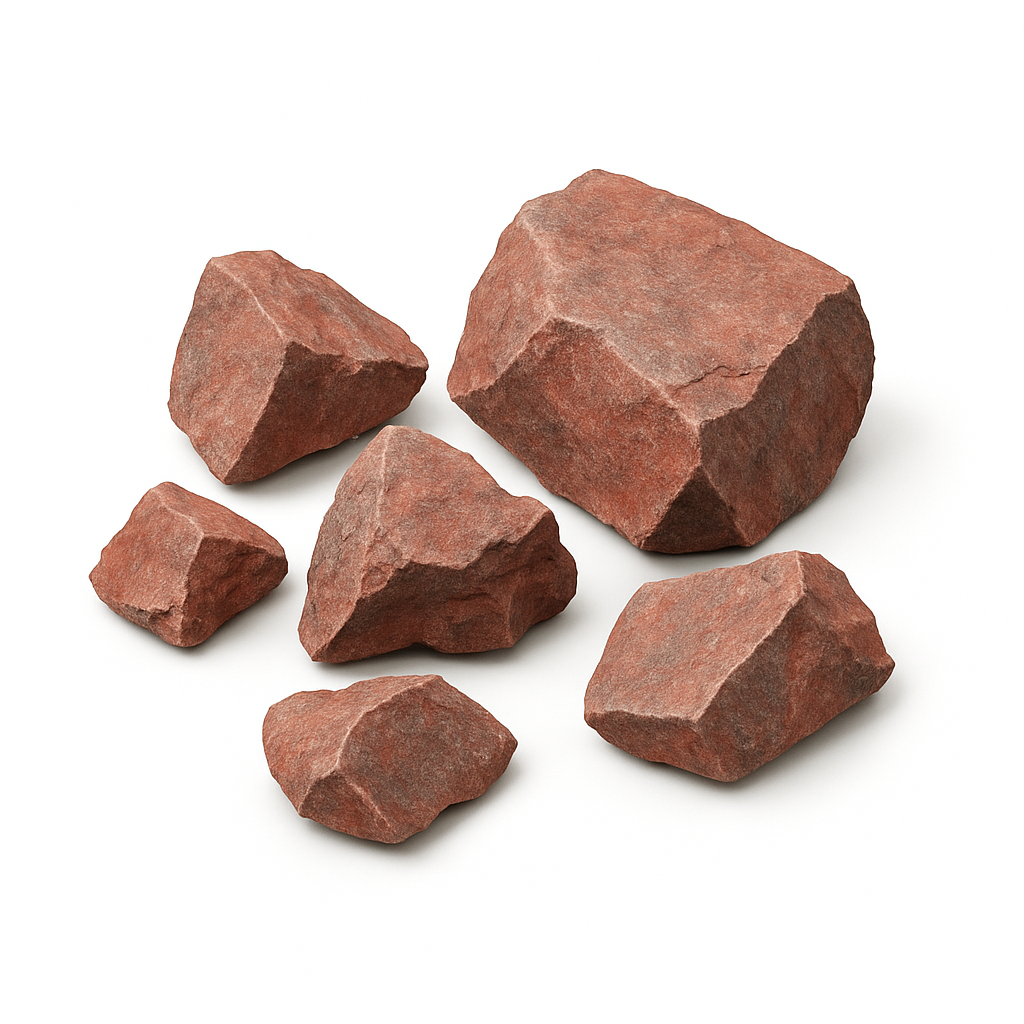
Iron Concentrate grades vary according to iron content, mineralogy, particle size, moisture level, and the intended steelmaking process, with common commercial specifications including concentrates containing approximately 60–69% Fe or higher depending on the ore source and beneficiation technology. Magnetite Iron Concentrate is widely used as a feedstock for pellet production and direct reduction processes, while hematite-based concentrates are also used for sintering, pelletizing, and other ironmaking applications when their chemical and physical properties meet the required process specifications. Fine Iron Concentrate can be agglomerated into pellets before entering blast furnaces or direct reduction plants, while specially controlled concentrates may be selected for applications requiring low levels of silica, alumina, sulfur, or phosphorus. The main advantages of Iron Concentrate include higher iron content compared with untreated ore, reduced gangue concentration, consistent chemical quality, suitability for pelletizing and sintering, improved utilization of iron units, and compatibility with modern direct reduced iron production routes. Properly processed concentrate can also support more predictable furnace operation and help steel producers optimize raw-material consumption when its specifications are matched with the requirements of the production process.

Iron Concentrate is generally supplied in bulk quantities because steel mills, pelletizing plants, direct reduction facilities, and mineral processing companies typically purchase according to production requirements and long-term supply contracts. Depending on transportation conditions and buyer requirements, commercial packaging may include bulk vessel shipments, bulk truck or rail transportation, jumbo bags, or other heavy-duty industrial packaging suitable for mineral products. Packaging and logistics are normally selected according to the concentrate’s moisture content, particle size, loading method, destination, and handling facilities, while export documentation and quality-control certificates can be arranged according to the terms agreed between buyer and supplier.


Iron Concentrate
Specification Typical Value / Description
Product Name Iron Concentrate
Main Iron Content (Fe) 60–69%+
Iron Oxide Form Magnetite / Hematite
FeO Content Typically controlled according to grade
Silica (SiO₂) Typically 1–8%
Alumina (Al₂O₃) Typically 0.5–3%
Phosphorus (P) Typically ≤0.10%
Sulfur (S) Typically ≤0.10%
Moisture Typically 6–10%
Particle Size Fine concentrate, commonly <150 μm
Appearance Fine dark gray to black mineral powder
Main Applications Pelletizing, DRI, sintering, ironmaking


IF YOU ARE WILLING TO BUY IRON CONCENTRATE ROM IRANIAN SUPPLIERS, PLEASE SCROLL DOWN AND SUBMIT YOUR REQUEST.

0 reviews
0
0
0
0
0

There are no reviews yet.

Be the first to review “Iron Concentrate”

FAQ Iron Concentrate

Iron Concentrate is primarily used as a raw material for iron ore pelletizing, direct reduced iron production, sintering, blast furnace ironmaking, and other steel production processes where a consistent high-iron feedstock is required.
Iron Concentrate is produced through iron ore beneficiation, which may include crushing, grinding, screening, magnetic separation, flotation or gravity separation, followed by dewatering and quality control to obtain the required iron content and impurity levels.
Iron Concentrate has undergone beneficiation to increase its iron content and remove a significant portion of gangue minerals such as silica and alumina, making it more suitable and consistent for downstream ironmaking and steelmaking processes.
Commercial grades are mainly differentiated by Fe content, impurity levels, mineral type, moisture, and particle size, with concentrates commonly produced in approximately 60–69% Fe ranges or higher depending on the source ore and beneficiation process.
Iron Concentrate can be supplied in bulk by vessel, truck, or rail, while smaller or specialized shipments may be packed in jumbo bags or other heavy-duty industrial packaging according to the buyer's handling and transportation requirements.
You can find and connect with suitable Iranian Iron Concentrate manufacturers and exporters through Irancorps, which helps international buyers identify Iranian suppliers according to product specifications, required quantity, quality requirements, and commercial needs.

Request for Quotes

Create one request and get multiple quotes from verified suppliers.