

 Arabic
shop
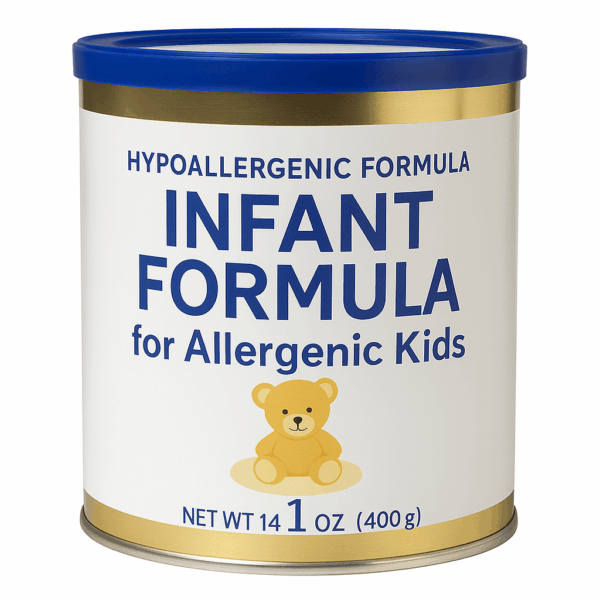
Infant Powder Milk, Hypoallergenic Formulas
Comfort formula is made from partly broken down (partially hydrolysed) proteins. It’s not suitable for babies with cows’ milk allergy. Extensively hydrolyzed formulas offer complete nutrition for infants who are allergic to cow’s milk protein. Casein is a cow’s milk protein that is a common cause for allergy symptoms. Extensively hydrolyzed formulas break casein into pieces. About 90% of babies with cow’s milk allergy will tolerate these formulas. Many times, cow’s milk allergies are easily treated by switching formulas. Hypoallergenic formulas, specifically ones that are extensively hydrolyzed or amino-acid based, are allergen-friendly and more gentle on your baby than cow’s milk formulas.

Infrared‑Reflective Powder Coating
Infrared‑Reflective Powder Coating is formulated using high-durability polyester resins, TGIC-free curing systems, high-reflectance ceramic pigments, IR-reflective inorganic oxides, UV absorbers, HALS stabilizers, flow modifiers, and anti-yellowing agents, the coating delivers superior weatherability and long-term color retention. By minimizing heat buildup, IR-reflective coatings improve comfort, reduce cooling loads, and maintain stable mechanical performance under extreme temperatures its optimized pigment structure reflects NIR wavelengths while preserving visible color appearance, enabling dark shades to stay significantly cooler under direct sunlight. Available in glossy, matte, metallic, architectural, and industrial finishes, Infrared-Reflective Powder Coating provides exceptional resistance to fading, corrosion, chalking, and thermal degradation.
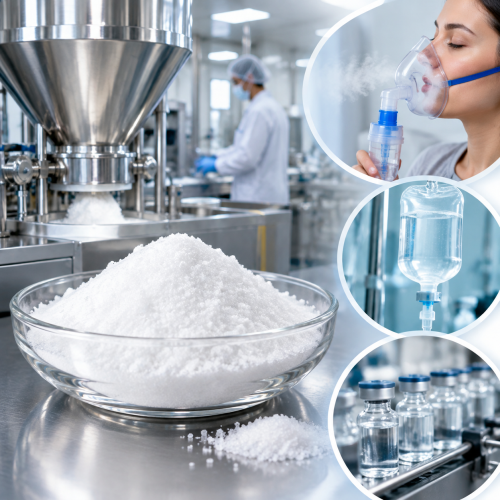
Inhalation Grade Sodium Chloride
The main ingredient of Inhalation Grade Sodium Chloride is sodium chloride (NaCl), which is purified through advanced refining and crystallization processes to achieve pharmaceutical-grade quality. Depending on the manufacturer’s specification and application requirements, the product may be supplied in fine powder or controlled particle size crystal form suitable for pharmaceutical processing. The product is generally manufactured according to recognized pharmacopeial standards such as USP (United States Pharmacopeia), EP (European Pharmacopoeia), and BP (British Pharmacopoeia), with strict control of assay content, heavy metals, bacterial limits, endotoxins, moisture content, and other critical parameters. High purity and controlled microbiological characteristics make it suitable for international pharmaceutical production and export markets.
Inhalation Grade Sodium Chloride offers important advantages including excellent solubility, consistent quality, high chemical purity, low impurity levels, and reliable performance in respiratory formulations. It is widely used by pharmaceutical manufacturers for preparing isotonic and hypertonic saline inhalation solutions, nebulizer fluids, and respiratory care products. Due to increasing global demand for respiratory healthcare products, pharmaceutical manufacturers and distributors require dependable suppliers capable of providing consistent batches, complete technical documentation, Certificates of Analysis (CoA), and compliance with pharmaceutical standards. Export-quality Inhalation Grade Sodium Chloride is available in different particle sizes and packaging options to meet the requirements of pharmaceutical companies worldwide.

Injectable Grade Sodium Chloride
The manufacturing process of Injectable Grade Sodium Chloride includes advanced purification, crystallization, drying, and quality control procedures to ensure compliance with pharmaceutical standards. Depending on the target market and customer requirements, it can be supplied according to USP (United States Pharmacopeia), BP (British Pharmacopoeia), EP (European Pharmacopoeia), and other recognized pharmaceutical standards. The product is available in controlled particle sizes such as fine powder and pharmaceutical crystal grades, allowing easy dissolution and efficient processing in pharmaceutical production. Injectable Grade Sodium Chloride offers excellent purity, high solubility, chemical stability, consistent batch quality, and reliable performance in sterile pharmaceutical manufacturing.
Due to its essential role in healthcare industries, Injectable Grade Sodium Chloride is exported worldwide as a key pharmaceutical ingredient for hospitals, pharmaceutical companies, and medical solution manufacturers. Its main applications include manufacturing of 0.9% Sodium Chloride Injection (Normal Saline), hypertonic saline solutions, infusion therapies, electrolyte solutions, and pharmaceutical preparations requiring high-purity sodium chloride. The advantages of this grade include controlled endotoxin levels, low heavy metal content, high assay purity, excellent safety profile, and compliance with stringent pharmaceutical regulations. Manufacturers and exporters supply Injectable Grade Sodium Chloride with complete quality documentation, including Certificate of Analysis (CoA), quality certificates, and batch traceability to support international pharmaceutical production requirements.
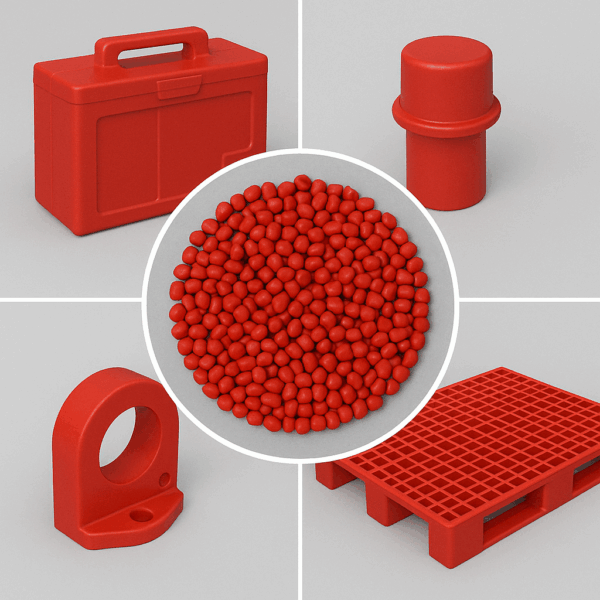
Injection Molding PE Compound
Injection molding PE compounds demonstrate outstanding mechanical properties including high impact strength, excellent flexibility, and strong environmental stress-crack resistance (ESCR). Their chemical inertness provides long-term durability against oils, detergents, acids, and alkaline substances, making them suitable for demanding industrial environments. With optimized crystallinity and heat resistance, these materials maintain stable performance under repeated mechanical stress and thermal cycling. Their enhanced rheological behavior provides excellent processing efficiency on both high-speed and multi-cavity injection molding machines that make them suitable for caps and closures, household items, industrial containers, automotive components, toys, crates, pallets, medical accessories, cosmetic packaging, and electrical appliance parts.
Available types include HDPE injection molding grades, LLDPE injection grades, high-stiffness grades, high-impact black compounds, food-contact & pharmaceutical-safe grades, UV-stabilized compounds, anti-static PE compounds, flame-retardant formulations, filled & reinforced PE compounds, and custom pigment-integrated grades. Each type is designed to meet specific performance needs such as improved rigidity, enhanced melt flow, superior weatherability, or optimized resistance for outdoor applications. These materials are produced using advanced polymerization and compounding technologies with additive packages that enhance thermal stability, processing smoothness, and mechanical durability.
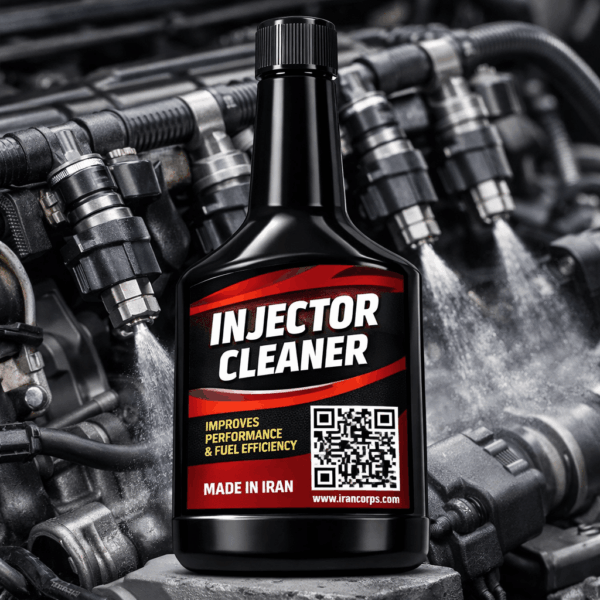
Injector Cleaner
Injector Cleaners are available in gasoline injector cleaner, diesel injector cleaner, and high-performance concentrated formulations designed for direct injection (GDI), multi-point injection (MPI), and common-rail diesel systems. Typical components include high-strength detergents, deposit control additives, dispersants, lubricity enhancers, and corrosion inhibitors that effectively dissolve carbon, varnish, and gum deposits. Injector cleaners are widely used in passenger cars, light commercial vehicles, heavy-duty trucks, buses, agricultural machinery, generators, and marine engines. Advanced formulations are compatible with turbochargers, fuel pumps, catalytic converters, and emission control systems when used at the recommended treat rate.
Injector Cleaner is supplied in 250 ml, 300 ml, 500 ml, and 1 L bottles for retail use, as well as 4 L containers, 20 L jerry cans, 200 L drums, and IBC tanks for workshops and fleet operators. Key technical parameters include detergent concentration, recommended dosage, fuel compatibility, and injector material safety. Many products comply with international automotive additive standards and are suitable for regular preventive maintenance. With proven cleaning efficiency, flexible packaging options, and broad engine compatibility, injector cleaner remains an essential product for maintaining optimal fuel injection performance and long-term engine reliability.

Ink Wash Art Paint
The pigments used in a paint can be derived from natural sources, such as minerals and plants, or they can be synthesized chemically in a laboratory. The binder holds the pigments together to help the paint adhere to the painted surface. Other ingredients, such as solvents that adjust the paint’s consistency or additives that improve its performance or durability, may also be added to the mixture. Ink wash painting is a type of paint made with water and ink. It is known for its ability to create delicate, transparent washes of color, making it a popular choice for calligraphy and other brushwork techniques.
Iodine
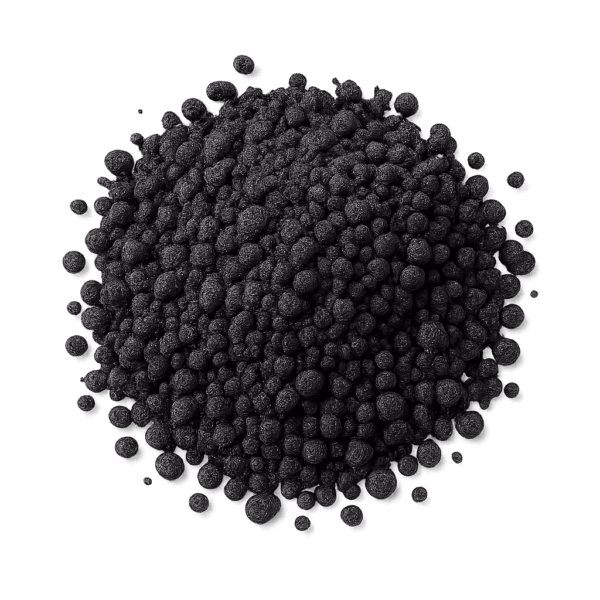
Iodine canbe offered in different grades according to purity, particle form, intended application and customer specifications, including industrial-grade iodine, high-purity iodine, pharmaceutical or reagent-oriented grades and iodine intended for chemical synthesis. Industrial iodine is used as a raw material in the manufacture of iodine compounds, catalysts, specialty chemicals and various chemical intermediates, while high-purity grades are particularly suitable for laboratories, analytical applications and processes where trace impurities can affect performance. Iodine is also an important raw material for producing iodides, iodates and organoiodine compounds used across chemical manufacturing, pharmaceuticals and other specialized industries. In the healthcare and pharmaceutical sectors, iodine compounds are used in antiseptic formulations, pharmaceutical manufacturing and diagnostic-related applications, subject to the applicable regulatory requirements and grade specifications. Iodine is also associated with nutritional applications because iodine is an essential micronutrient, although food, feed and pharmaceutical uses generally require specifically controlled compounds and regulatory-compliant formulations rather than unrestricted use of elemental iodine. Its chemical characteristics, strong reactivity, versatility in synthesis and effectiveness in producing iodine-based compounds make iodine an important strategic raw material for manufacturers and distributors serving international markets.
Important iodine specifications may include iodine content or purity, moisture, ash or residue, halide content, non-volatile matter, particle size and appearance, with the exact limits depending on the commercial grade and end-use requirements. High-purity iodine is particularly important for pharmaceutical, laboratory and specialty chemical applications, whereas industrial grades can be selected according to the requirements of chemical synthesis and downstream iodine-compound production. The principal advantages of quality iodine include high chemical activity, versatility, reliable suitability as a synthesis raw material and compatibility with numerous industrial chemical processes when handled under appropriate conditions. Because elemental iodine is volatile and can cause irritation or staining, professional storage and handling procedures should be followed, including suitable sealed packaging, protection from excessive heat and moisture, and compliance with applicable transport and safety regulations.
Ion Exchange Water Filter
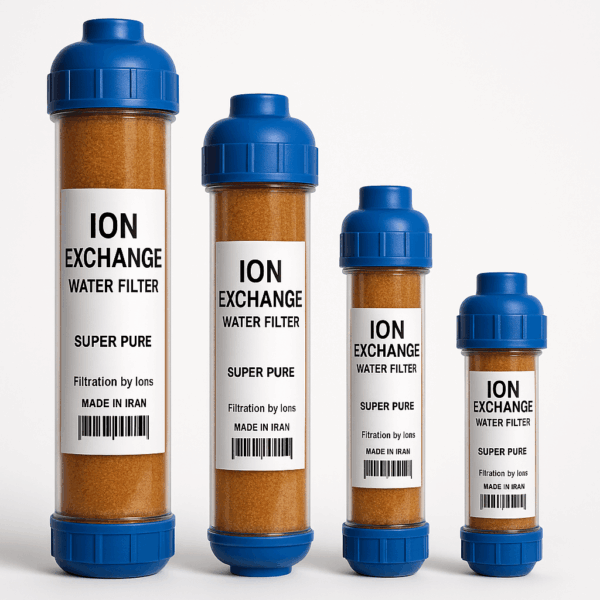
Manufactured with high-performance resins such as styrene-divinylbenzene copolymers, the Ion Exchange water filters come in various types including cation exchange, anion exchange, and mixed bed designs. They are available in standard cartridge sizes of 10”, 20”, and 30”, with customizable flow rates from 1 to 5 liters per minute. Their chemical composition typically includes strong acid cation (SAC) and strong base anion (SBA) resins in sodium or hydrogen form. Technical specifications feature operating temperatures up to 60°C, maximum pressure of 125 psi, and ion exchange capacities up to 2 eq/L. These filters meet international standards such as NSF, ANSI, and ISO for water treatment performance.
Ion Exchange filters are ideal for use in laboratories, power plants, pharmaceutical production, and residential softening systems. They effectively reduce hardness, nitrates, fluorides, and heavy metal ions such as lead and copper. With easily replaceable cartridges, high regeneration efficiency, and long operational life, these filters represent a perfect blend of chemistry and technology — ensuring clean, safe, and mineral-optimized water for every purpose.

Iranian Fine & Collector Handmade Rugs
Each piece reflects master craftsmanship, refined design, and centuries of artistic excellence. Fine and collector rugs are meticulously hand-knotted using ultra-fine, high-grade materials such as kork wool and natural silk, often with silk highlights for added luminosity. They feature very high knot density, precise symmetry, and detailed drawing, resulting in sharp patterns and smooth surfaces. Classic designs include elaborate medallions, all-over floral compositions, hunting scenes, garden layouts, and pictorial motifs inspired by Persian art and architecture. Natural vegetable dyes produce rich, layered colors with exceptional clarity and aging properties. These rugs are typically woven in prestigious regions such as Isfahan, Tabriz, Qom, Nain, Kashan, and Kerman, each known for distinctive technical standards and artistic signatures. Due to the extensive time required for production, collector rugs are limited in quantity, increasing their exclusivity and desirability in the global luxury market. Their refined elegance makes them ideal for formal living spaces, galleries, executive offices, and curated interiors.
From an investment and market perspective, Iranian fine handmade rugs are valued for their rarity, craftsmanship, and historical continuity. Technical factors such as knot count per square meter, material purity, dye quality, and workshop reputation determine authenticity and long-term value. These rugs are durable despite their delicacy, offering both visual sophistication and structural integrity when properly maintained. Highly favored by collectors, designers, and art investors, they retain and often appreciate in value over time. Easy to integrate into classic, modern, and luxury interiors, they elevate any space with prestige and artistic depth. Owning an Iranian fine or collector rug is an investment in enduring beauty, cultural heritage, and timeless Persian excellence.

Iranian Handwoven Jajim
Its lightweight structure and cultural value make it a unique choice for design-conscious buyers. Made primarily from natural wool and sometimes cotton, Iranian Jajim is known for its durability, flexibility, and breathable texture. The weaving technique is based on narrow strips that are later joined together, creating characteristic linear and striped patterns. Color palettes often feature earthy tones, warm neutrals, and vibrant accents achieved through natural or low-impact dyes. Jajim patterns are typically geometric, rhythmic, and symmetrical, inspired by nature, tribal symbolism, and daily nomadic life. Unlike pile rugs, Jajim is flatwoven, making it lightweight, reversible, and easy to maintain. It can be used as a rug, runner, wall hanging, bedspread, or decorative throw, offering excellent versatility for residential and boutique spaces. Each piece is handmade and one of a kind, which increases its appeal in markets that value authenticity and craftsmanship. Its compact structure also makes it ideal for shipping and export.
From a commercial and market perspective, Iranian Handwoven Jajim has strong appeal in international markets seeking sustainable, handmade, and story-driven products. It aligns perfectly with current interior design trends focused on minimalism, natural materials, and cultural depth. Technically, Jajim features tight weaving, resilient fibers, and long-lasting color stability, ensuring functional longevity alongside visual charm. As a result, Iranian Jajim serves not only as a decorative textile but also as a meaningful investment in tradition, quality, and ethical production—making it an excellent addition to curated collections and premium online retail platforms.
Iranian Pistachio
The commercial pistachio varieties of Iran are these types:
- Akbari Pistachio (Super Long Pistachio)
- Ahmad Aghaei Pistachio (Long Pistachio)
- Fandoghi Pistachio (Round Pistachio)
- Kalleh Ghouchi Pistachio (Jumbo Pistachio)
- Badami Pistachio (Row Long Pistachio)
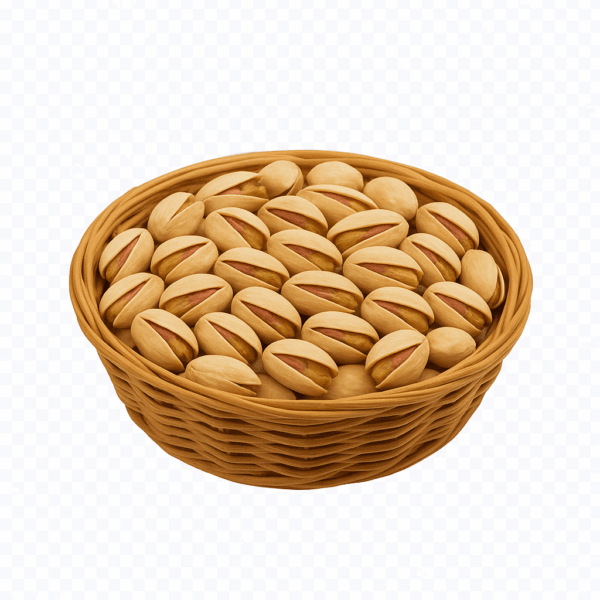
Pistachios are also available in Kernel , means that the shell is fully removed and you can have the edible part of pistachio , the other product is pistachio powder that is produced from kernel to be used in different other locally made chocolates or foods .
Scientific evidence suggests that eating 1.5 ounces (42.5 g) per day of most nuts, such as pistachios, as part of a diet low in saturated fat and cholesterol may reduce the risk of heart disease
Types of Pistachios based on shell opening
- Naturally Opened Pistachios
- Mechanically Opened Pistachios
- Closed Shell Pistachios