

 Arabic
shop
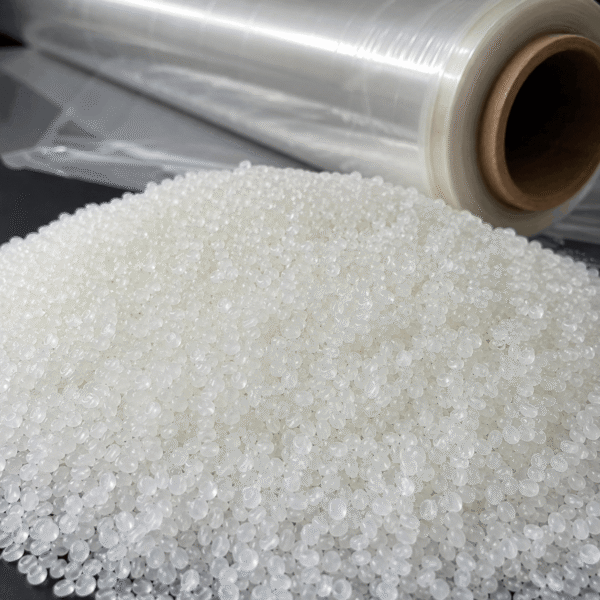
LDPE Film Grade Granules
LDPE Film Grade Granules are commonly used for manufacturing shopping bags, packaging films, agricultural greenhouse films, shrink films, liner bags, food packaging films, and general-purpose plastic sheets. Depending on the grade properties, LDPE film resin can provide a good balance between softness, sealing performance, durability, and optical properties. These granules are suitable for different film extrusion machines and can be combined with other polyethylene grades such as LLDPE to improve mechanical strength and film performance.
For international buyers looking for LDPE Film Grade suppliers, important factors include melt flow index (MFI), density, tensile strength, elongation, purity, and consistency of quality between production batches. Iranian LDPE producers offer various film grades suitable for domestic consumption and export markets. LDPE Film Grade Granules are supplied in standard packaging such as 25 kg bags, jumbo bags, and customized export packing according to buyer requirements.
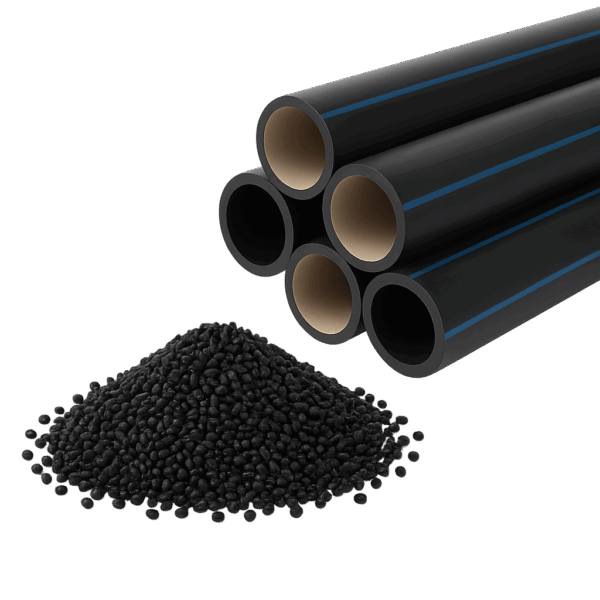
LDPE Granule
Once produced, LDPE is highly malleable and can be melted and reshaped numerous times without losing its desirable properties. The available LDPE granules are flexible material with low molecular weight and have properties such as softness, flexibility, and semi – transparency. They has a semi-rigid structure and their density is between 0.91 and 0.94 g / cm3. Other advantages of LLDPE granules such as their Chemical resistance acids, and dilute bases, Moisture resistance make them suitable material for producing food packaging , plastic containers for water and chemicals. Although LLDPE has low tensile strength but has good impact resistance, which makes it durable.
Packaging , including plastic bags, shrink wrap, and stretch film , is the main applications of light polyethylene due to its flexibility and lightness , but it also can be used for producing green house film and mulch film, toys , Lightweight irrigation pipes and fittings, Electrical Insulation , Modeling and Crafts .In construction it is used to make geomembranes, pipe coatings, and insulation.
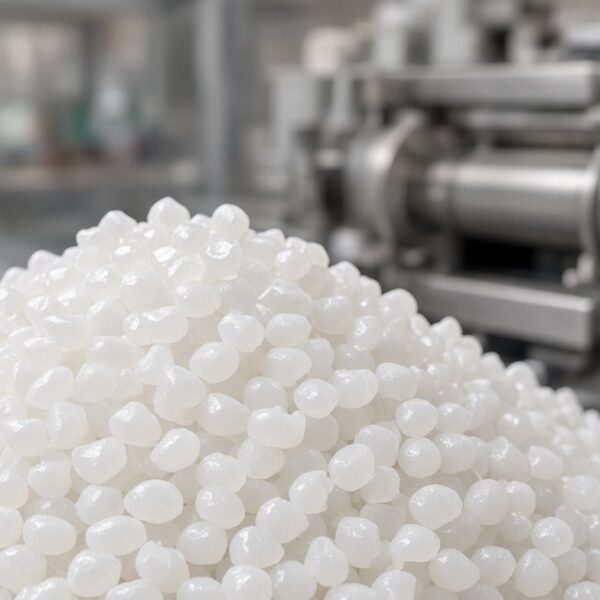
LDPE Injection Molding Grade Granules
One of the most important specifications when selecting LDPE for injection molding is the Melt Flow Rate, as it affects how easily the molten polymer fills the mold. Higher-flow grades are generally suitable for thin-wall products, complex shapes, and molds where easy filling is important, while other grades may be selected when different strength or melt characteristics are required. LDPE injection molding material is commonly used for caps, closures, lids, household products, toys, flexible containers, packaging components, and various consumer and industrial parts where flexibility and toughness are required. Its relatively low density also allows manufacturers to produce lightweight products while maintaining suitable performance for the intended application. The material provides good resistance to moisture and many commonly encountered chemicals, which further expands its use in different manufacturing environments. Processing is normally carried out on conventional injection molding equipment, with barrel temperature, injection pressure, injection speed, holding pressure, and cooling time adjusted according to the selected grade and product design. Correct material selection and processing conditions can help achieve stable mold filling, consistent dimensions, good surface appearance, and efficient production cycles. For international B2B purchasing, buyers should consider the exact grade, manufacturer, country of origin, MFI, density, packaging, production lot, available quantity, and required documentation before confirming an order. A Technical Data Sheet and, when required, a Certificate of Analysis can be provided for the selected material. We can supply LDPE Injection Molding Grade Granules according to the buyer’s required application, technical specifications, packaging, quantity, origin, and delivery requirements. For current availability, competitive pricing, and bulk supply options, buyers can send their required specifications and target quantity to receive a commercial quotation.
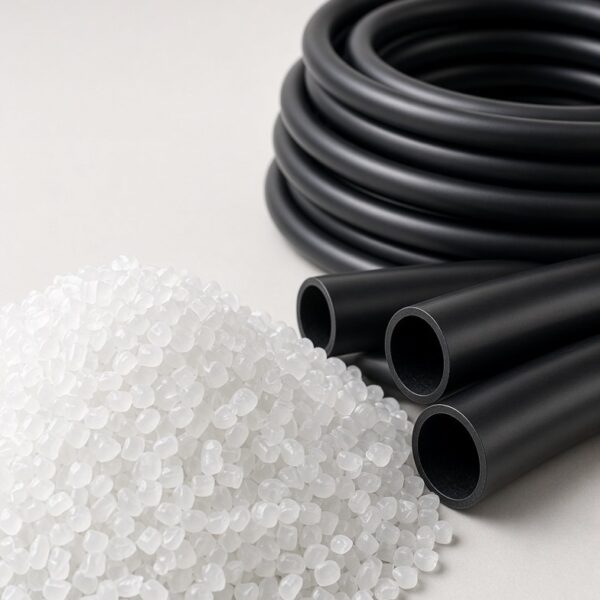
LDPE Pipe Grade Granules
Depending on the final application, LDPE Pipe Grade Granules are available with different Melt Flow Rate (MFR), density, melt strength, flexibility, and mechanical properties. Their good extrusion behavior helps manufacturers achieve stable production, uniform wall thickness, and a smooth pipe surface. LDPE also offers good resistance to moisture, many chemicals, and environmental conditions. Selected grades can be used for outdoor applications with suitable UV stabilization, while different colors, including natural, translucent, and black, can be supplied according to production requirements.
The main advantages of LDPE Pipe Grade Granules are high flexibility, good impact resistance, easy processing, lightweight construction, and an attractive cost-to-performance ratio. They are particularly suitable for flexible irrigation pipes, agricultural and greenhouse systems, drainage tubes, protective conduits, air tubes, and low-pressure water applications. The appropriate grade should be selected according to pipe diameter, wall thickness, operating pressure, temperature, environmental exposure, and required service life. LDPE Pipe Grade Granules can be supplied according to the required technical specifications, application, packaging, and quantity for international buyers.
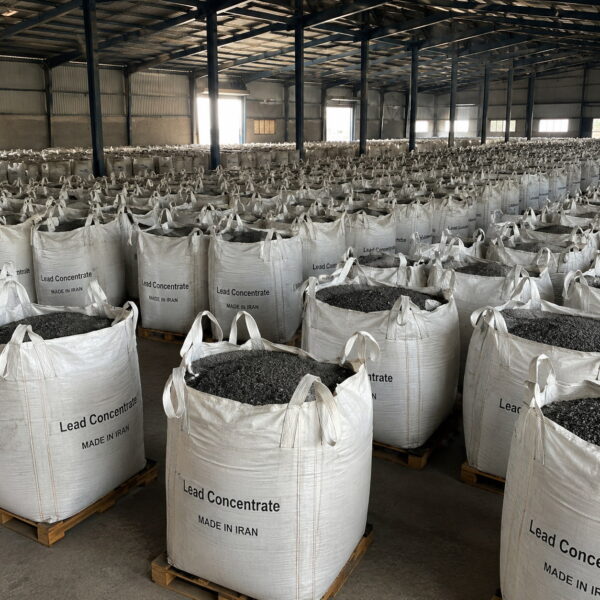
Lead Concentrate
Lead Concentrate can be supplied in different grades according to lead content, mineral composition, impurity levels and the requirements of the receiving smelter or refinery. High-grade Lead Concentrate is preferred for efficient lead recovery and may be used as a direct feedstock for lead smelting, while standard commercial grades can be blended with other concentrates to achieve the desired furnace feed composition. Silver-bearing Lead Concentrate is also commercially important because it can contain recoverable silver values and may be processed in metallurgical facilities designed for the recovery of both lead and precious metals. Depending on the deposit and processing technology, concentrates may also contain zinc, copper, iron and sulfur in varying proportions. Typical specifications are established through laboratory analysis and are agreed between buyer and seller before shipment. Important parameters include Pb content, moisture, particle size, sulfur, zinc, copper, iron, silver and other penalty or payable elements. The material can be supplied according to customer specifications, production requirements and applicable export or transportation conditions.
Lead Concentrate offers several commercial advantages for lead smelters, refineries and metal-processing companies, including concentrated lead content, efficient transportation compared with raw ore and suitability for established pyrometallurgical processing routes. Consistent chemical quality can help metallurgical plants optimize furnace operation, blending ratios and lead recovery. For international B2B supply, Lead Concentrate is commonly packed in durable bulk packaging such as jumbo bags or Flexible Intermediate Bulk Containers (FIBCs), with packaging specifications selected according to handling, storage and transportation requirements. Bulk shipments can also be arranged according to contractual requirements and logistics conditions.

Leaded Brass
Leaded Brass alloys are commonly produced with different compositions to meet specific application needs. Popular commercial grades include C36000 Free-Cutting Brass, C34500 High Leaded Brass, and other lead-containing brass alloys used for automatic machining operations. These materials offer a balanced combination of strength, electrical conductivity, thermal conductivity, wear resistance, and corrosion resistance. Due to their excellent machinability, Leaded Brass products are widely used in the production of valves, fittings, fasteners, gears, bearings, connectors, automotive components, plumbing parts, and industrial machine components.
The main advantages of Leaded Brass include superior machinability, excellent dimensional stability, good corrosion resistance, and reliable mechanical performance. It can be easily turned, drilled, milled, and formed, making it a preferred material for high-volume precision manufacturing. Leaded Brass is supplied in different tempers and sizes for industries such as automotive, construction, electrical, marine, and general engineering. International buyers can source Leaded Brass products in various specifications, surface finishes, and packaging options depending on project requirements.

Leather Shoes
animal leather is divided into five different types: Top-grain leather, full-grain leather, split-grain leather, genuine leather and bonded leather. The sole is also an essential part of the shoe. The sole consists out of three layers including insole , Midsole , And outsole. There are two common methods to attach the sole to the upper leather part . These stitching methods are called ‘the Blake’ and ‘the Goodyear’. With the Blake method the sole is sewn through from the inside and with the Goodyear method there is an extra edge around the shoe.
The material used for the sole and heals can be leather , rubber , cork , EVA and polyurethane .
Common types of leather footwear that are available to supply can be:
- Dress Shoes
- Boots
- Sneakers
- Sandals
- Loafers
- Moccasins
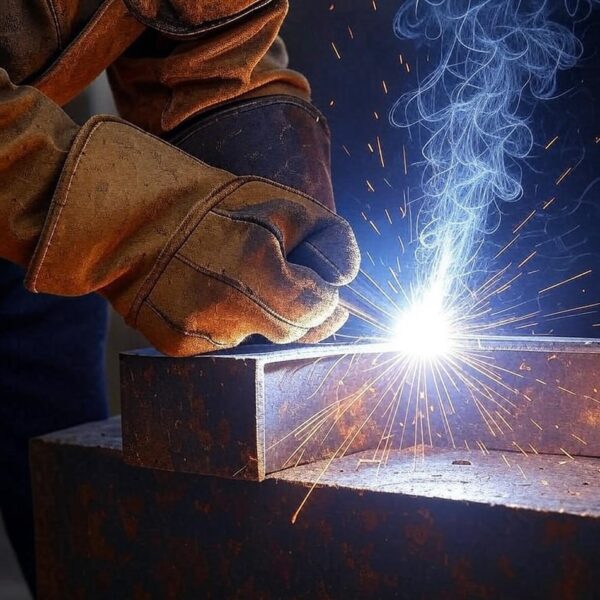
Leather Welding Glove
It is comfortable, conforms to the shape of the hand and allows for freedom of movement. It also offers protection from the elements and even a slight degree of chemical resistance.
Leather Welding gloves are personal protective equipment (PPE) that protect the hands of welders from the hazards of welding. These gloves allow digit articulation while protecting the operator from electrical shock, extreme heat, and ultraviolet and infrared radiation, and also provide abrasion resistance and enhanced grip.
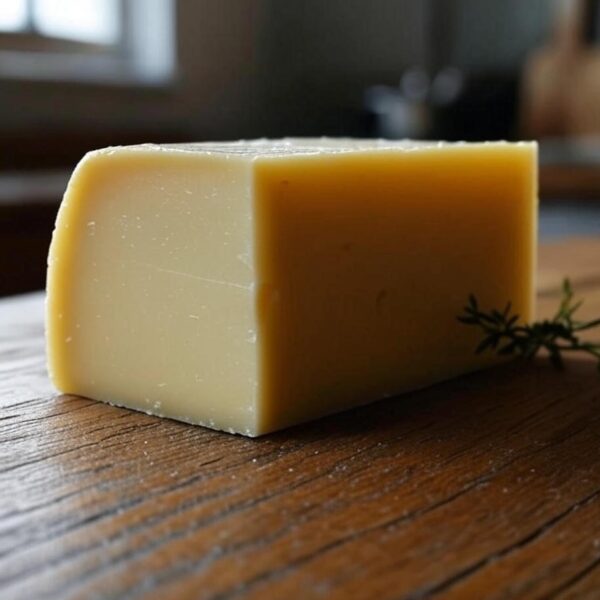
Limburger Cheese
Limburger Cheese is known for its pungent odor, limburger is a semi-soft cheese with a mild flavor despite its stinky aroma. The cheese, which softens with age, goes well with dark rye bread and onion.
Limburger Cheese , with its unique and intense flavor profile, has captivated both cheese enthusiasts and culinary professionals. Its robust flavor and intense aroma have made it a cheese of both admiration and notoriety. Limburger is a semi-soft, washed-rind cheese that originated in the historical duchy of Limburg, the cheese is popularly known for its stinky aroma, which has been compared to foot odor.
This cheese is made from pasteurized cow’s milk sourced from local, organic farms. As a result, the flavor of the cheese is mild despite the stinky aroma. Limburger cheese boasts an intense and complex flavor profile that can be quite polarizing. Some describe it as robust and sharp, while others find it to be rich and savory.
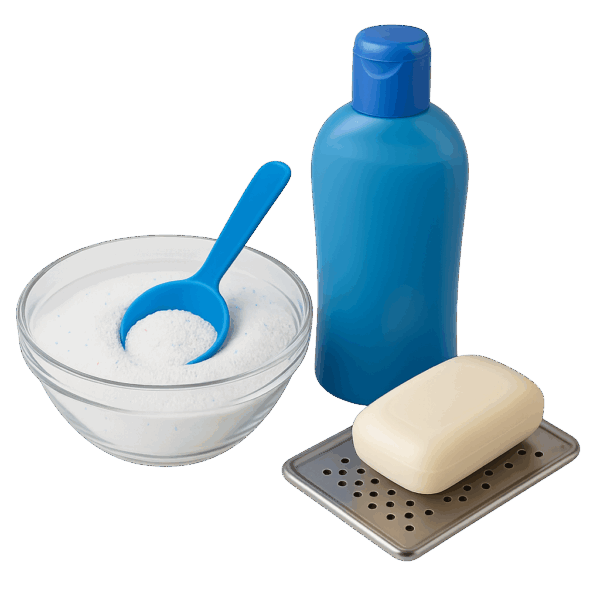
Linear Alkyl Benzene (LAB)
Linear Alkyl Benzene grades are generally differentiated according to purity, molecular weight distribution, alkyl chain range, bromine index, color, acidity and other parameters that influence processing performance and final surfactant quality. Common commercial LAB grades are based on linear alkyl chains within the C10–C13 or C10–C14 range, with C10–C13 LAB being particularly common in household and industrial detergent applications. High-purity LAB grades are preferred where consistent sulfonation efficiency, low impurity levels and stable product quality are important, while specifications may be adjusted according to the requirements of detergent manufacturers and sulfonation plants. LAB is mainly used for manufacturing Linear Alkylbenzene Sulfonate (LAS), which is subsequently incorporated into laundry detergents, dishwashing liquids, liquid cleaners, powder detergents, industrial cleaning agents and other formulated surfactant systems. Due to its linear molecular structure, LAB enables the production of readily biodegradable anionic surfactants with strong detergency, good foaming characteristics and effective grease and soil removal properties. In addition to detergent applications, LAB can be used as an important intermediate in the broader surfactant industry where controlled feedstock quality and reliable chemical performance are essential.
Linear Alkyl Benzene ( LAB) is commonly supplied in bulk quantities according to the technical requirements of detergent producers, surfactant manufacturers and chemical processing companies. Commercial packaging options may include ISO tanks, flexitanks, bulk tank trucks, drums and other suitable liquid chemical containers, depending on transportation conditions, customer requirements and shipment volume.
Linoleic Acid
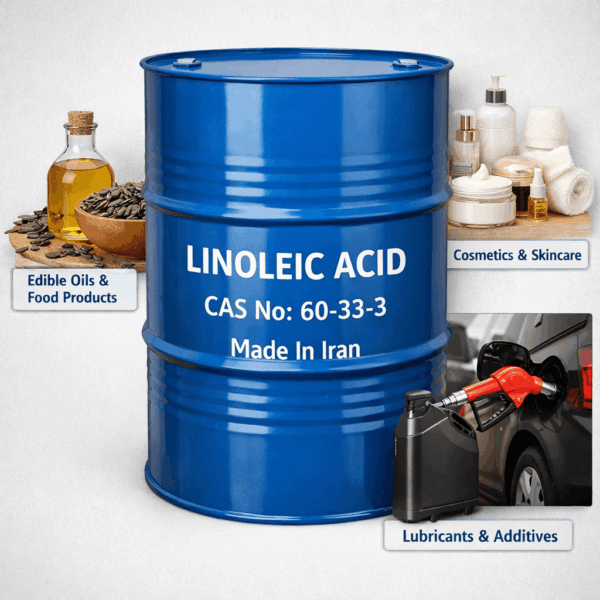
Commercial grades of Linoleic Acid are available according to purity level, source, and intended application. Food Grade Linoleic Acid is used in nutritional supplements, functional foods, infant nutrition products, and dietary formulations due to its role as an essential fatty acid. Pharmaceutical Grade Linoleic Acid is produced with higher purity requirements and is used in medical nutrition, capsules, therapeutic formulations, and pharmaceutical intermediates. Cosmetic Grade Linoleic Acid is widely applied in skincare products, moisturizers, anti-aging formulations, hair care products, and personal care products because of its skin-conditioning and moisturizing properties. Industrial Grade Linoleic Acid is used as a bio-based raw material in alkyd resins, coatings, lubricants, surfactants, soaps, detergents, and chemical intermediates. Different grades are selected based on purity, acid value, iodine value, oxidation stability, and customer-specific requirements.
Linoleic Acid offers several advantages including natural origin, excellent nutritional properties, biodegradability, high compatibility with cosmetic formulations, and versatility in industrial applications. Its unsaturated chemical structure provides high reactivity, making it suitable for manufacturing modified oils, polymers, coatings, and specialty chemicals. High-quality Linoleic Acid provides consistent performance, low impurity levels, and reliable functionality in various applications. Due to increasing demand for natural ingredients, plant-based chemicals, and sustainable raw materials, Linoleic Acid has become an important export product for international markets. Manufacturers and exporters supply Linoleic Acid in different packaging options and specifications according to global customer requirements, making it a valuable ingredient for food, pharmaceutical, cosmetic, and chemical industries.
Liquefied Natural Gas (LNG)
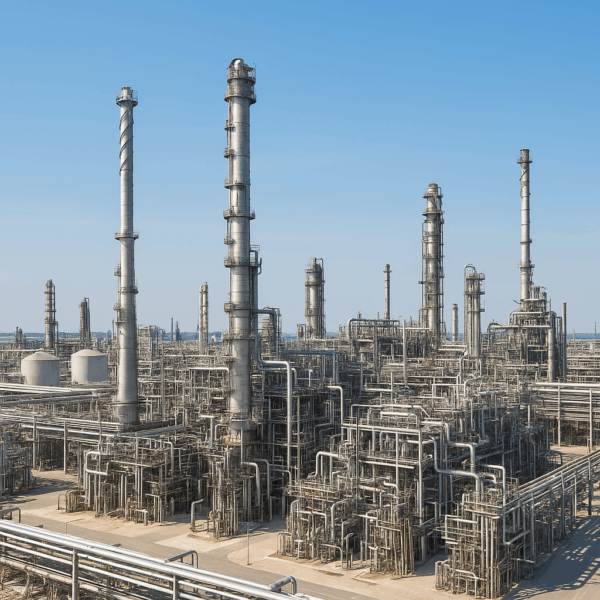
One of the most important advantages of Liquefied Natural Gas is its dramatically reduced volume, as LNG occupies roughly 1/600 of the volume of the same quantity of natural gas in gaseous form under comparable conditions. This significant volume reduction makes LNG particularly suitable for international energy trade, long-distance transportation and supply to locations where natural gas pipeline infrastructure is unavailable or insufficient.
Commercial LNG is normally produced according to agreed specifications covering methane content, nitrogen, carbon dioxide, sulfur compounds, water, heating value, density and other relevant quality parameters. Depending on the source and processing conditions, LNG can be supplied in different commercial compositions and quality grades designed for power generation, industrial fuel, marine applications, transportation and specialized energy systems. The physical properties and composition of each LNG cargo should therefore be confirmed against the applicable product specification and contractual requirements before loading, transportation and final use.
LNG is widely used as a fuel for electricity generation because natural gas-fired power plants can provide flexible and reliable energy generation with lower particulate and sulfur emissions than many conventional solid and liquid fossil fuels.Industrial users also utilize LNG as a high-efficiency fuel for boilers, furnaces, kilns, dryers, process heating systems and other equipment where a clean and controllable gaseous or liquid fuel is required. In the transportation sector, LNG can be used as a fuel for heavy-duty vehicles, buses, mining equipment and marine vessels where its energy density and relatively clean combustion characteristics can provide operational advantages. LNG can additionally support remote industrial operations, isolated power systems, peak-shaving facilities and locations where extending a natural gas pipeline would be technically difficult or economically impractical.