

 Arabic
shop
Linoleic Acid
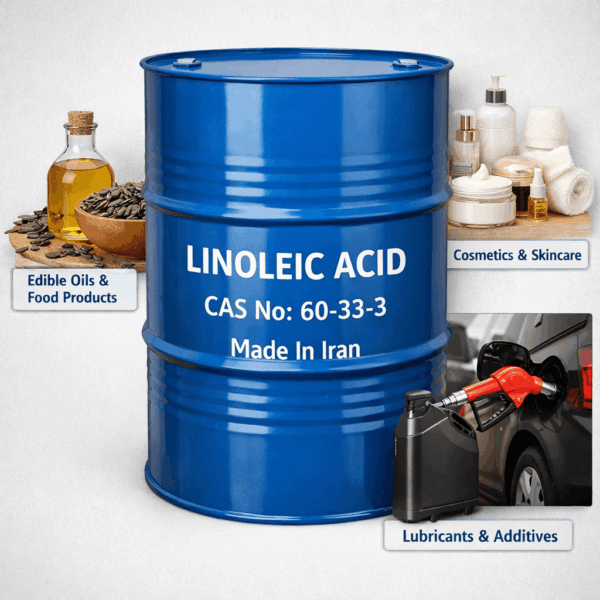
Commercial grades of Linoleic Acid are available according to purity level, source, and intended application. Food Grade Linoleic Acid is used in nutritional supplements, functional foods, infant nutrition products, and dietary formulations due to its role as an essential fatty acid. Pharmaceutical Grade Linoleic Acid is produced with higher purity requirements and is used in medical nutrition, capsules, therapeutic formulations, and pharmaceutical intermediates. Cosmetic Grade Linoleic Acid is widely applied in skincare products, moisturizers, anti-aging formulations, hair care products, and personal care products because of its skin-conditioning and moisturizing properties. Industrial Grade Linoleic Acid is used as a bio-based raw material in alkyd resins, coatings, lubricants, surfactants, soaps, detergents, and chemical intermediates. Different grades are selected based on purity, acid value, iodine value, oxidation stability, and customer-specific requirements.
Linoleic Acid offers several advantages including natural origin, excellent nutritional properties, biodegradability, high compatibility with cosmetic formulations, and versatility in industrial applications. Its unsaturated chemical structure provides high reactivity, making it suitable for manufacturing modified oils, polymers, coatings, and specialty chemicals. High-quality Linoleic Acid provides consistent performance, low impurity levels, and reliable functionality in various applications. Due to increasing demand for natural ingredients, plant-based chemicals, and sustainable raw materials, Linoleic Acid has become an important export product for international markets. Manufacturers and exporters supply Linoleic Acid in different packaging options and specifications according to global customer requirements, making it a valuable ingredient for food, pharmaceutical, cosmetic, and chemical industries.
Liquefied Natural Gas (LNG)
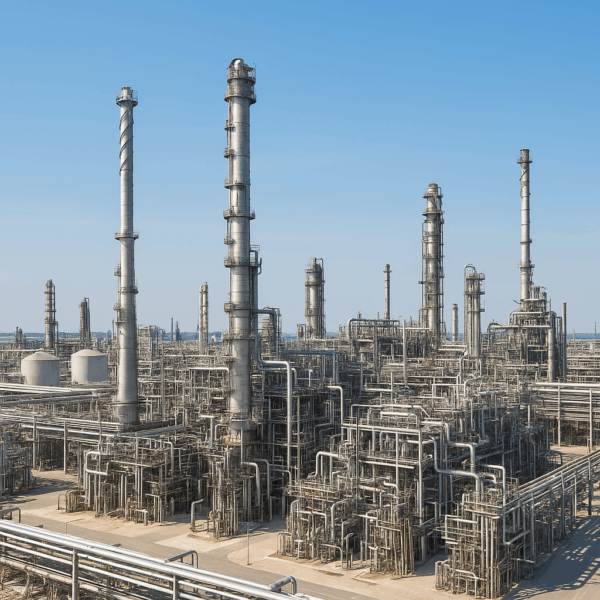
One of the most important advantages of Liquefied Natural Gas is its dramatically reduced volume, as LNG occupies roughly 1/600 of the volume of the same quantity of natural gas in gaseous form under comparable conditions. This significant volume reduction makes LNG particularly suitable for international energy trade, long-distance transportation and supply to locations where natural gas pipeline infrastructure is unavailable or insufficient.
Commercial LNG is normally produced according to agreed specifications covering methane content, nitrogen, carbon dioxide, sulfur compounds, water, heating value, density and other relevant quality parameters. Depending on the source and processing conditions, LNG can be supplied in different commercial compositions and quality grades designed for power generation, industrial fuel, marine applications, transportation and specialized energy systems. The physical properties and composition of each LNG cargo should therefore be confirmed against the applicable product specification and contractual requirements before loading, transportation and final use.
LNG is widely used as a fuel for electricity generation because natural gas-fired power plants can provide flexible and reliable energy generation with lower particulate and sulfur emissions than many conventional solid and liquid fossil fuels.Industrial users also utilize LNG as a high-efficiency fuel for boilers, furnaces, kilns, dryers, process heating systems and other equipment where a clean and controllable gaseous or liquid fuel is required. In the transportation sector, LNG can be used as a fuel for heavy-duty vehicles, buses, mining equipment and marine vessels where its energy density and relatively clean combustion characteristics can provide operational advantages. LNG can additionally support remote industrial operations, isolated power systems, peak-shaving facilities and locations where extending a natural gas pipeline would be technically difficult or economically impractical.
Liquid Dielectric Transformer
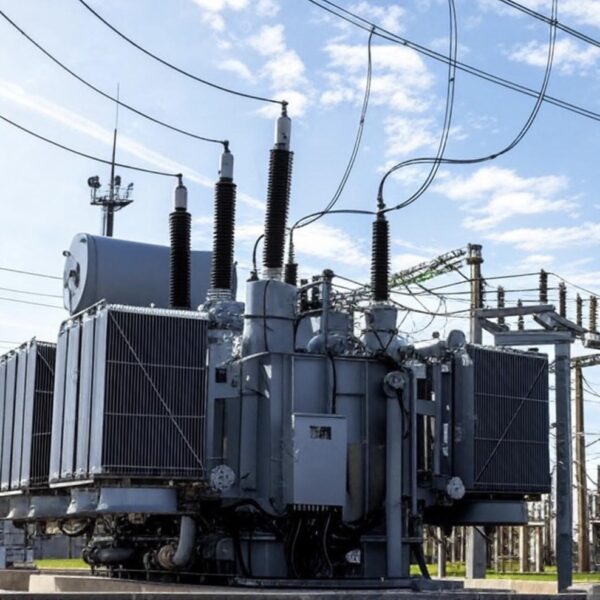
Liquid transformers are ideal for medium voltage and high-voltage applications .Not all kinds of liquid-filled transformers operate with the same cooling system. The cooling method can also vary depending on the mechanism’s power capacity. Here are the standard cooling methods in liquid transformers.
- Oil Natural Air Natural (ONAN) – For oil-filled transformers that operate at up to 30mVa.
- Oil Natural Air Forced (ONAF) – Medium voltage oil filled transformers that operate up to 60mVa uses.
- Oil Forced Air Forced (OFAF) – High-rated transformers use this mechanism of forced fluid circulation using a pump and forced air through a fan.
- Oil Forced Water Forced (OFWF) – For transformers with significantly higher capacities, this involves adding water to further aid in heat dissipation.
The liquid filled transformers are robust and are suitable for installation indoors or outdoors in harsh environments. LV , MV, HV transformers require very little maintenance and have a long life span of up to 35 years.
Liquid Filled Transformers advantages:
- Low initial transformer cost.
- Long service life of up to 35 years.
- Low load losses.
- Large choice of styles, ratings and types.
- Can be custom built to meet customer requirements.
Liquid Laundry Detergents
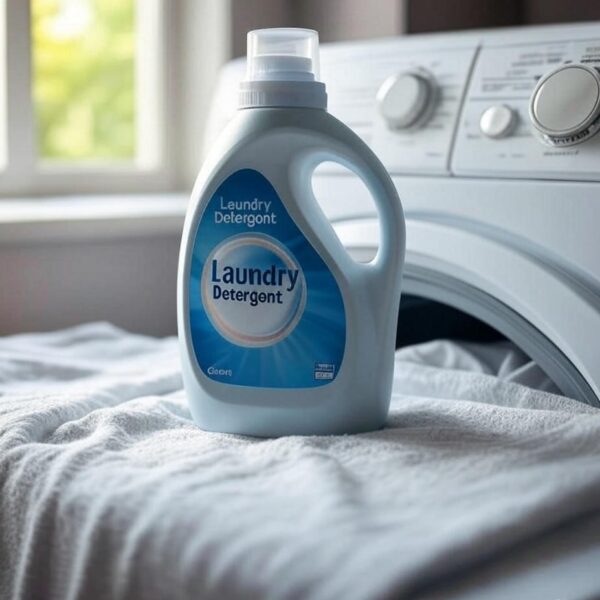
Liquid detergents disperse easily in cold water, making them suitable for energy-efficient laundry practices. This characteristic is particularly beneficial for washing delicate fabrics that require lower temperatures, as it helps prevent damage while still effectively cleaning clothes.
Liquid detergents excel at pre-treating stains because they penetrate fabrics quickly. This feature allows users to apply the detergent directly to stains before washing, enhancing stain removal effectiveness for spills and splatters.
These detergents are particularly effective at breaking down oily stains and are more resilient in hard water conditions. Their formulation allows for better emulsification of oils, which is essential for effective cleaning.
Liquid Soap
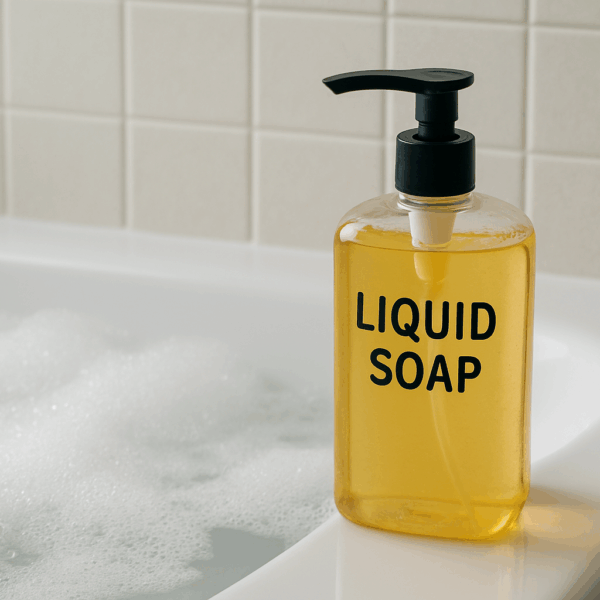
Some of available Liquid Soaps Composed of natural ingredients, each wash is enriched with glycerin, leaving your skin thoroughly cleansed and beautifully hydrated. Liquid soaps also tend to be less messy and can be easier to use when washing hands and body .
Many fragrances are available such as Lemon , lavender , strawberry ,roses , mint , pomegranate,…
Liquid Sodium Silicate
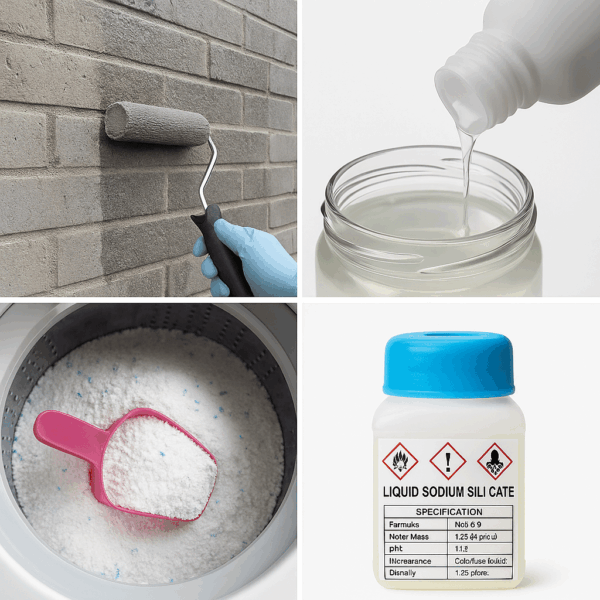
Liquid Sodium Silicate grades are generally differentiated according to concentration, density and SiO₂/Na₂O molar ratio, allowing manufacturers to select a grade appropriate for a specific production process. Sodium silicate with relatively higher alkalinity is commonly used in detergents, cleaning compounds and chemical formulations, while grades with different silicate ratios and concentrations are widely used as binders and additives in construction, foundry and ceramic industries. In detergent manufacturing, liquid sodium silicate can contribute to alkalinity, soil suspension, corrosion protection and builder performance. In the foundry industry, sodium silicate is used as an inorganic binder in sand molding systems, while in welding electrode manufacturing it can act as a binder during electrode production. In construction, sodium silicate is utilized in cementitious and mineral-based formulations, hardeners, sealers and certain fire-resistant applications.
Ceramic and refractory manufacturers may use suitable grades as binders or processing aids, while paper and pulp industries can use sodium silicate in selected bleaching and processing systems. Liquid Sodium Silicate can also be used in water treatment and industrial chemical formulations where its alkalinity and silicate functionality are advantageous. Typical specifications may include SiO₂ content, Na₂O content, SiO₂/Na₂O ratio, total solids, specific gravity, viscosity, pH and visual appearance. Because industrial requirements differ significantly, concentration and silicate ratio can be adjusted or selected according to the final application and buyer specification. Major advantages of Liquid Sodium Silicate include good binding strength, alkaline performance, thermal stability, compatibility with numerous inorganic formulations, cost efficiency and versatility across multiple industries.
Liquide Dish Washing Detergents
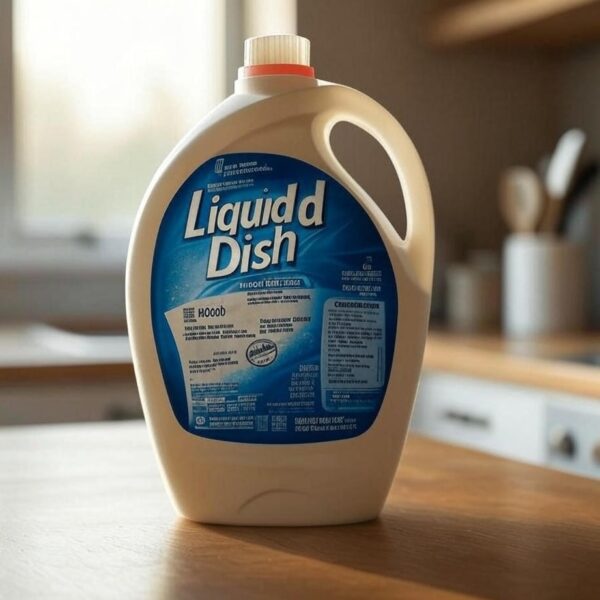
When it comes to the active ingredients, most detergents use a combination of grease-cutting bleach, enzymes, oxi beach, and rinsing agent to keep dishes clean, clear, and polished . Liquide dish washing detergents are primarily filled with enzymes. They remove all the tough stains from the dishes and clean tea stains and cleans greasy and nasty looking dishes to sparkling clean and spot free dishes.
A liquid dish washing detergent removes hard water stains from the dishes and gives them a refreshing look like they never were there in the first place. It fights on stuck food. It also acts on baked food and removes them. It is safe for all types of dishes whether it is cutlery or plastic wares. Liquide dish washing detergents also save glassware and protect the glass from getting scratched and damaged.

Liquorice
Liquorice grows best in well-drained soils in deep valleys with full sun. It is harvested in the autumn two to three years after planting . Licorice root has a long history of use, going back to ancient cultures. It was used traditionally for treating a variety of conditions, including lung, liver, circulatory, and kidney diseases. Licorice root and extract is promoted as a dietary supplement for conditions such as digestive problems, menopausal symptoms, cough, and bacterial and viral infections. Licorice gargles or lozenges have been used to try to prevent or reduce the sore throat that sometimes occurs after surgery. Licorice is also an ingredient in some products for topical use appliable to the skin. due to its sweetness and flavoring characteristics, licorice extract is mostly used in the confectionery industry.
Nevertheless, licorice oil is used as agent in care products, food products, beverages, toothpaste, and cosmetics. Also, licorice extract has antimicrobial, antioxidant, antiviral, anti-inflamatory, antihepatotoxic, and antimutagenic effects, and its use as an additive provides foods with these functional properties. Licorice, is used in cosmetics for the protection of skin and hair from oxidative processes as well as to regulate skin pigmentation because of its properties such as Deoxidizer ,Despigmentante ,Anti-aging, Disinfectant , Photoprotector
Lithium Grease
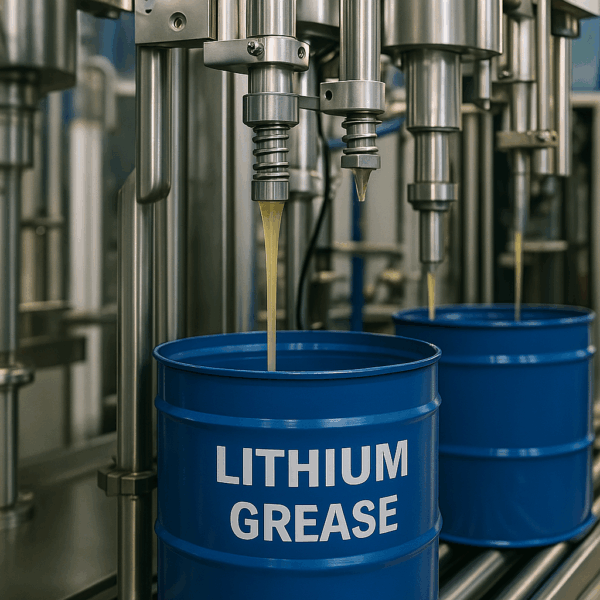
Lithium Grease is available in different grades and formulations, with NLGI 00, NLGI 0, NLGI 1, NLGI 2, and NLGI 3 being common consistency grades for different lubrication systems and operating conditions. Among these grades, Lithium Grease NLGI 2 is one of the most widely used options because its consistency provides a practical balance between pumpability, adhesion, mechanical stability, and protection of moving components. Standard lithium greases are commonly produced with mineral base oils, while premium formulations may use highly refined or synthetic base oils to provide improved low-temperature performance, oxidation resistance, service life, and operating stability.
Lithium EP Grease contains extreme-pressure additives and is designed for applications exposed to high loads, shock loading, heavy-duty mechanical contact, and demanding industrial operating conditions. Multipurpose Lithium Grease is formulated for general-purpose lubrication and can be used across bearings, bushings, chassis components, electric motors, conveyors, and various industrial machinery where a conventional lithium grease is suitable. High-temperature lithium grease and specialized lithium complex formulations are also commercially available when higher thermal stability, improved dropping point, or extended service intervals are required. The main technical characteristics of lithium grease include good mechanical stability, strong adhesion to metal surfaces, effective corrosion protection, reliable water resistance, and good resistance to oxidation under normal service conditions. Lithium grease is particularly suitable for rolling-element bearings, plain bearings, bushings, gears, pins, joints, shafts, chassis components, electric motors, pumps, fans, conveyors, and industrial machinery.
In automotive applications, lithium grease can be used for chassis lubrication, wheel bearings, universal joints, hinges, linkages, and other components when the equipment manufacturer’s lubrication requirements are compatible with the grease specification.
In industrial plants, lithium grease is commonly used for electric motor bearings, conveyor systems, machine tools, material-handling equipment, pumps, fans, compressors, and general mechanical assemblies. Agricultural and construction equipment can also benefit from suitable lithium grease formulations for pins, bushings, joints, bearings, shafts, and other moving components exposed to dust, vibration, load, and outdoor operating conditions. The selection of lithium grease should consider NLGI consistency, base oil viscosity, operating temperature, load conditions, water exposure, rotational speed, relubrication interval, and compatibility with the existing lubricant. NLGI 2 lithium grease is generally appropriate for many standard bearing and general machinery applications, while softer NLGI grades may be preferred where centralized lubrication systems or improved pumpability are required. For heavy-load applications, lithium EP grease can provide additional protection against wear and surface damage, particularly where shock loads, high pressure, or metal-to-metal contact may occur.
L
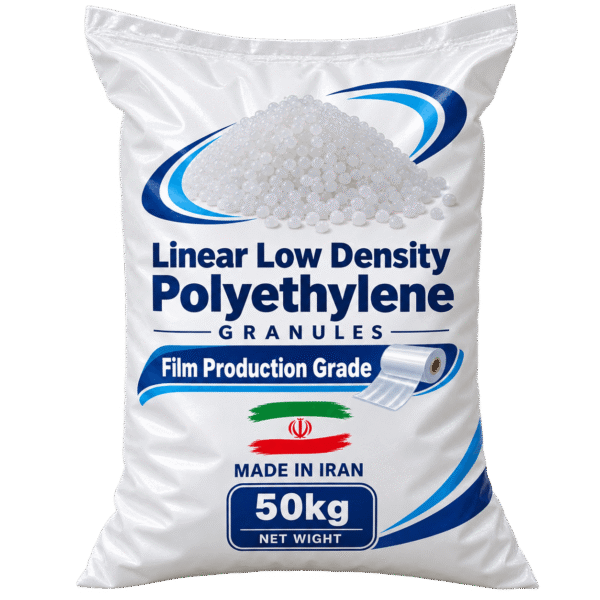
LLDPE Agricultural Film Grade Granules
The appropriate LLDPE grade can provide good elongation, puncture resistance and film toughness while maintaining stable processing during blown film extrusion. The commercial applications of Agricultural LLDPE extend across greenhouse cultivation, soil mulching, crop protection, fodder preservation and agricultural packaging. Depending on the final product, manufacturers may combine LLDPE with LDPE, mLLDPE and specialized additives such as UV stabilizers, anti-drip or anti-fog additives to achieve the required service life and optical performance. Greenhouse films may require controlled light transmission and durability, while mulch films place greater emphasis on tear resistance, flexibility and resistance to environmental conditions. Silage films require strong stretching performance and reliable sealing to protect agricultural material from oxygen and moisture. Consequently, agricultural film producers should select the polymer according to the specific film structure, thickness, climate, expected service life and extrusion technology.
For international B2B supply, LLDPE Agricultural Film Grade Granules are generally packed in moisture-resistant, sealed polyethylene-lined bags or durable multi-layer industrial packaging. Depending on the order size, suppliers may offer standard 25 kg bags or jumbo bags for larger industrial shipments. The granules should be stored in a dry and clean area and protected from direct sunlight and excessive heat before processing. When sourcing Agricultural Film Grade from Iran, buyers should evaluate the resin’s MFR, density, mechanical properties and compatibility with the intended additive package and multilayer film structure.
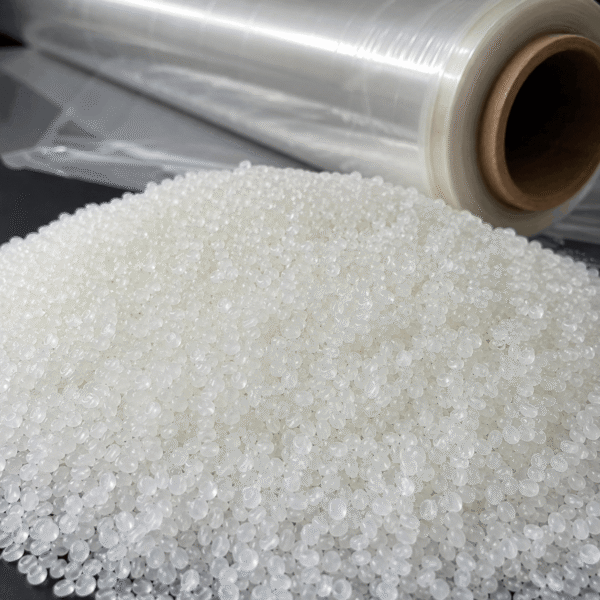
LLDPE Film Grade Granules
It is commonly used where manufacturers need strong, flexible films with good resistance to tearing and puncture. The material can also be blended with LDPE or other polyethylene grades to optimize film performance and processing behavior. In commercial film production, LLDPE Film Grade Granules are widely used for shopping bags, garbage bags, industrial packaging films, liner films, wrapping films and various general-purpose flexible packaging applications. One of the main advantages of LLDPE is its ability to provide high mechanical performance even when producing relatively thin films, which can help manufacturers reduce material consumption without sacrificing essential film properties. The appropriate grade should be selected according to the required MFR, density, film thickness, extrusion equipment and final application. For demanding packaging applications, factors such as puncture resistance, tensile strength, elongation and seal performance should be considered when choosing an LLDPE grade.
LLDPE Film Grade is normally supplied as clean, free-flowing polymer granules suitable for industrial extrusion lines. For international B2B trade, the material is commonly packed in moisture-resistant polyethylene-lined bags or multi-layer industrial bags, with standard commercial packaging often available in 25 kg bags, while larger quantities can be supplied in jumbo bags depending on supplier capability and buyer requirements. Proper packaging helps protect the granules from contamination, moisture and physical damage during storage and transportation.
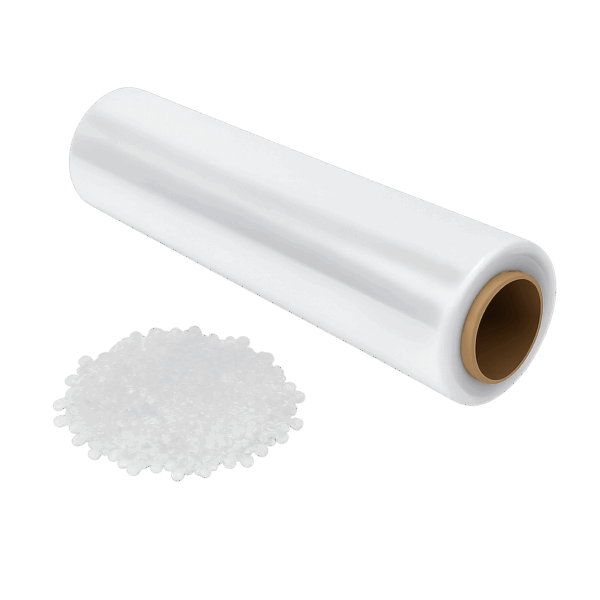
LLDPE Granule
LLDPE is mainly used in the production of plastic films, packaging materials, stretch films, shrink films, agricultural films, and industrial packaging products. Due to its superior puncture resistance and mechanical strength, LLDPE is an ideal choice for food packaging films, shopping bags, liners, and flexible packaging applications. This polyethylene grade is also widely used in agriculture for greenhouse films, mulch films, irrigation components, and protective covers. In addition, LLDPE Granules are utilized in rotational molding, extrusion coating, wire and cable insulation, and injection molding applications where durability and flexibility are required. The balanced properties of LLDPE make it suitable for blending with other polyethylene grades to improve processing performance and final product quality. Iranian LLDPE suppliers provide different grades based on Melt Flow Index (MFI), density, and application requirements to meet the needs of global buyers. With competitive pricing, consistent quality, and access to large petrochemical production capacity, Iran has become an important source of LLDPE Granules for international markets. Our platform connects buyers with verified Iranian LLDPE exporters and manufacturers, offering a reliable supply chain for industrial polymer requirements. LLDPE Granules are available in various packaging options including 25 kg bags, jumbo bags, and bulk shipment solutions according to customer requirements.