

 Arabic
shop
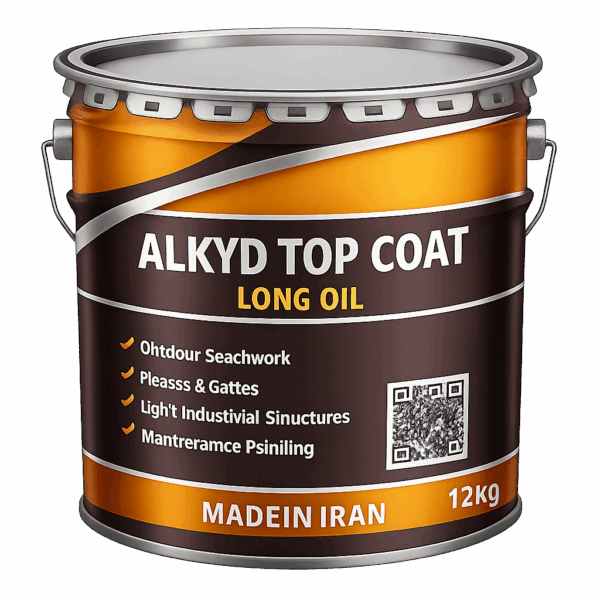
Long Oil Alkyd Top Coat
With its high oil length formulation, this coating offers excellent flow, easy application, and strong adhesion to various substrates. It is widely used where cost-effective protection and attractive finish are required. From a technical perspective, long oil alkyd top coat is formulated using high-quality long oil alkyd resins that deliver good elasticity and surface wetting. The cured coating provides satisfactory resistance to weathering, moisture, and atmospheric exposure, making it suitable for outdoor use. Its flexible film accommodates substrate movement without cracking or peeling. Long oil alkyd top coats offer good gloss retention and smooth leveling, resulting in uniform finishes. They can be applied by brush, roller, or spray over properly prepared surfaces and compatible primers.
Long oil alkyd top coats are commonly applied on steel structures, railings, fences, agricultural equipment, machinery frames, and general maintenance projects. They perform well in mild to moderate environmental conditions. The coating supports economical maintenance cycles and easy recoating. Available in various colors and gloss levels, long oil alkyd top coats provide a practical balance of flexibility, appearance, and cost efficiency for industrial and commercial coating systems.

Loose Glass Wool
Loose Glass Wool is commonly available in standard insulation grades, high-density grades, acoustic grades, and specialized loose-fill grades for building and industrial applications. The appropriate grade is normally selected according to required thermal conductivity, density, installation method, operating temperature, and acoustic performance. Loose glass wool can be used in residential buildings, commercial facilities, industrial plants, warehouses, factories, HVAC systems, ventilation ducts, suspended ceilings, partition walls, roof spaces, and equipment insulation. It is particularly useful where conventional rigid insulation boards or pre-formed blankets are difficult to install because its loose structure can conform to irregular spaces and complex geometries. The material provides effective thermal resistance and can contribute to lower heating and cooling energy consumption when correctly installed. Its sound-absorbing characteristics also make it suitable for acoustic ceilings, wall cavities, machinery enclosures, and noise-control systems. For industrial applications, the product can be selected according to temperature requirements and the specific insulation system in which it will be installed.
Loose Glass Wool can be offered in compressed bags, polyethylene-lined bags, kraft paper bags, woven bags, cartons, or other protective packaging depending on product density, transportation requirements, and customer specifications. Compression can significantly reduce shipping volume while allowing the material to recover its intended volume after opening and installation. Packaging is normally designed to protect the glass fibers from moisture, contamination, and physical damage during handling and transportation. Bulk packaging and customized packing options can also be considered for large-volume industrial and construction projects. Key purchasing parameters include glass wool density, fiber diameter, thermal conductivity, service temperature, fire performance, moisture resistance, acoustic absorption, packaging format, and net weight per package. Buyers should select the appropriate Loose Glass Wool grade according to the technical requirements of the insulation system, installation conditions, and applicable project standards.
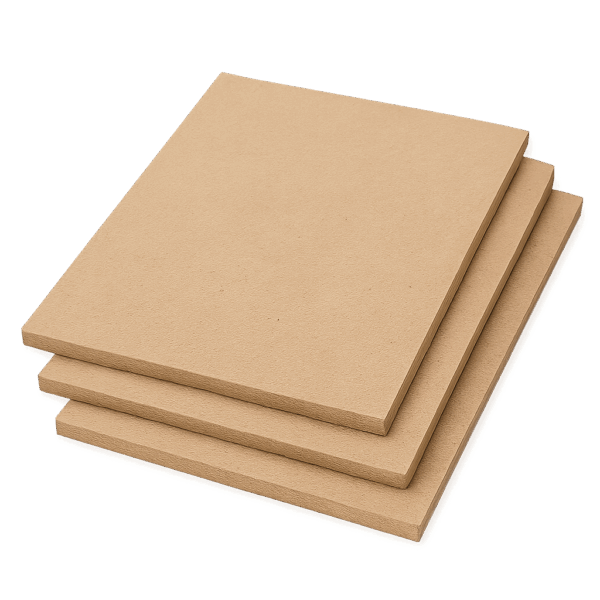
Low Density Fibreboard (LDF)
This light-weight panels offer the unique combination of low density and ease in machinability making it an excellent choice for a variety of applications. Low Density Fibreboard (LDF) is often used when there is a need to reduce weight without sacrificing its versatility. Due to its low density, it is light and made handling much easier. It has excellent machinability and consistent core which make it suitable for architectural moldings, trade show exhibits, ready to assemble furniture and many more applications.
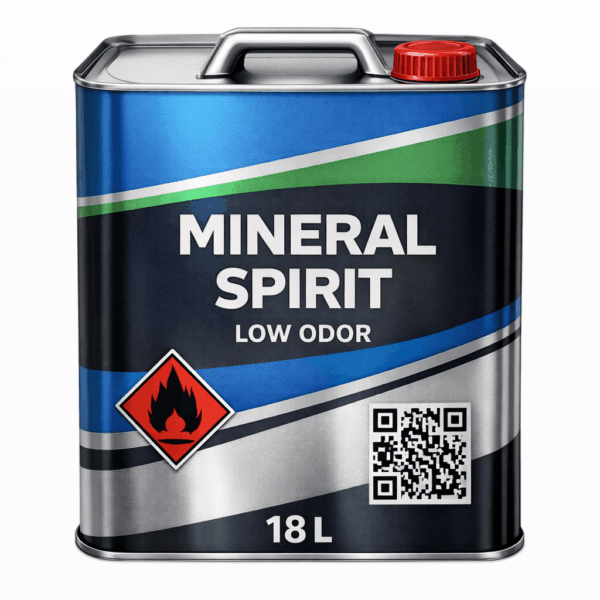
Low Odor Mineral Spirit (LOMS)
This solvent enhances penetration and adhesion on wood, metal, and previously coated surfaces. It is also effective for cleaning tools, machinery, and equipment contaminated with oils, greases, and coating residues. The reduced odor formulation improves indoor air quality and workplace safety. It supports consistent performance in brush, roller, and spray applications. Low odor mineral spirits are suitable for industrial, architectural, and maintenance painting projects. The refined composition ensures stable and predictable results. It meets common quality and safety standards.
Typical applications include thinning alkyd primers, oil-based top coats, and decorative paints used in commercial and industrial projects. Low odor mineral spirits is widely applied in factories, workshops, furniture production, and building maintenance. It is suitable for both professional contractors and industrial users. Proper use helps improve coverage and reduce material waste. The product supports efficient workflows and high-quality finishing results. Available in various packaging sizes for commercial supply and export markets. Low odor mineral spirits offer an excellent balance of performance, comfort, and cost efficiency. It remains a trusted solvent solution for modern coating applications.
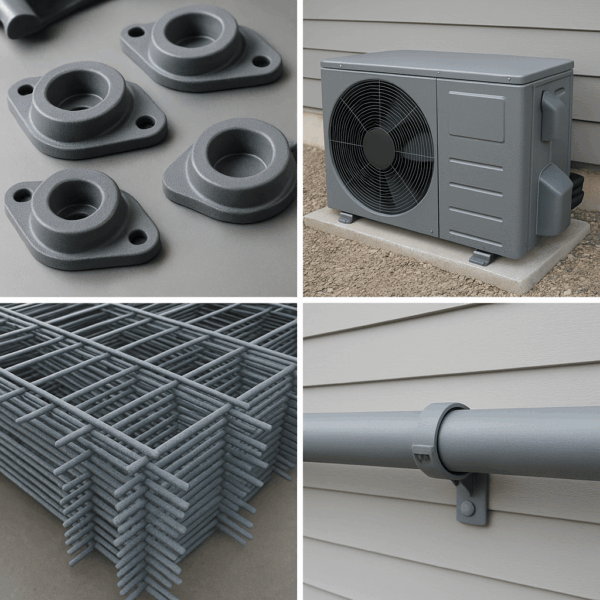
Low Temperature Epoxy Powder Coating
Produced using high-reactive epoxy resins, optimized curing agents, flow enhancers, anti-corrosion pigments, and performance additives, this coating forms a dense, smooth, and highly adhesive film even when cured at 120–150°C. Its excellent chemical resistance, strong adhesion to steel and aluminum, and impressive mechanical durability make it suitable for cost-sensitive and temperature-restricted industrial applications. This epoxy coating supports faster curing cycles, lower energy consumption, and higher production efficiency.
Low Temperature Epoxy Powder Coating is used in electrical housings, HVAC components, thin-gauge steel parts, automotive accessories, office furniture, construction fittings, storage systems, agricultural equipment, and general metal fabrication. It is widely chosen by manufacturers who operate energy-efficient coating lines or process substrates that cannot withstand high thermal exposure.

Luxury Automotive Paint
Metallic basecoats are formulated so that the aluminium flake is parallel to the substrate. The aluminium flake which is in a random orientation after spraying is locked into this position while there is still much solvent (or water) in the coating. Subsequent evaporation of the solvent (or water), leads to a reduction in the film thickness of the drying coating, causing the aluminium flake to be dragged into an orientation parallel to the substrate. This orientation then needs to be unaffected by the application of the clear coat solvents. Metallic colors use very fine aluminum powder dispersed in flat paint, which imparts a shimmering glow and depth to the paint when viewed at certain angles.
Pearlescent paints contain special iridescent pigments commonly referred to as “pearls”. Pearl pigments impart a colored sparkle to the finish which works to create depth of color. It appears as a multi-colored sheen under different lighting and is one of the most expensive paints to apply.
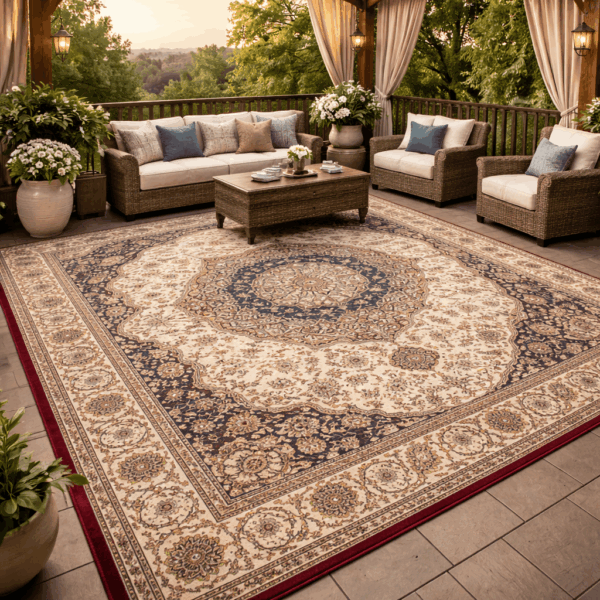
Machine Made Iranian Carpet – 1000 Pile Density
It is widely recognized in both domestic and international markets for its quality and visual precision. produced on advanced high-speed weaving machines, 1000 pile density carpets feature tightly packed piles that deliver excellent surface clarity, strong shape retention, and long-term performance. Common commercial yarn types include heat-set polypropylene (HS PP), polyester (PET), high-bulk continuous filament (BCF) yarn, and selected acrylic blends for enhanced softness and color brilliance. These carpets are ideally suited for living rooms, reception areas, luxury apartments, hotels, offices, prayer halls, and medium to high-traffic environments. Design options include classic Persian medallion and floral patterns, traditional Iranian motifs, and contemporary geometric or minimalist styles. Technical specifications typically include controlled pile height, high knot concentration, strong latex backing, high color fastness, antistatic properties, and excellent abrasion resistance, ensuring both beauty and durability.
Machine Made 1000 Pile Density Iranian Carpet is available in standard and custom sizes, including room-size formats and runner options, with export-grade packaging for safe transportation. Manufactured under strict quality control systems, these carpets offer consistent texture, uniform design alignment, and reliable batch-to-batch quality. With premium yarn selections, advanced construction, and timeless design appeal, Machine Made 1000 Pile Density Iranian Carpet is an ideal choice for customers seeking luxury, durability, and authentic Iranian craftsmanship in machine-made flooring solutions.
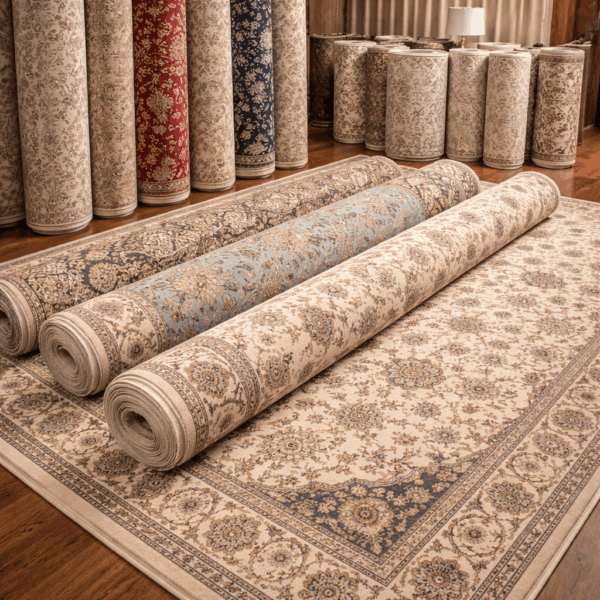
Machine Made Iranian Carpet – 1200 Pile Density
It is a premium flooring solution widely selected for luxury interiors and high-end export markets. Manufactured using state-of-the-art high-density weaving machines, 1200 pile density carpets feature very tightly packed piles that create sharp patterns, smooth texture, and excellent resilience. Common commercial yarn types include heat-set polypropylene (HS PP), high-quality polyester (PET), advanced BCF yarns, and selected acrylic or blended yarns for enhanced softness and color depth. These carpets are ideal for luxury living rooms, formal reception areas, executive offices, hotels, villas, and prestigious commercial spaces. Design collections include classic Persian and Iranian motifs, fine medallion and floral patterns, as well as modern and minimalist designs with exceptional detail. Technical features typically include low pile height, very high knot concentration, strong and stable latex backing, excellent color fastness, antistatic behavior, and superior abrasion resistance.
Machine Made Iranian Carpet – 1200 Pile Density is offered in a wide range of standard and custom sizes, including large room sizes and runners, with export-grade packaging suitable for long-distance shipping. Produced under strict quality control systems, these carpets ensure perfect design alignment, uniform texture, and long-term dimensional stability. With premium materials, advanced technology, and refined aesthetics, 1200 pile density Iranian carpets are the ultimate choice for customers seeking luxury, durability, and high-definition Persian design in machine-made flooring.
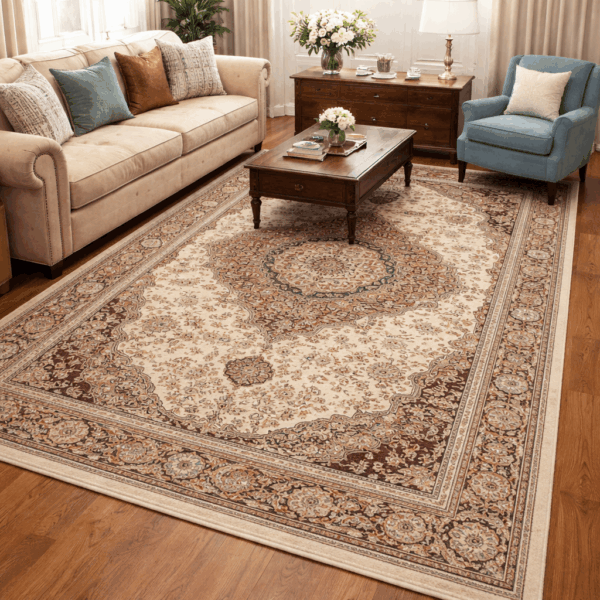
Machine Made Iranian Carpet – 500 Pile Density
These carpets are produced using advanced weaving machines with a pile density of approximately 500 points, making them suitable for light to medium foot traffic areas. Common commercial yarn types include polypropylene (PP), heat-set polypropylene, polyester (PET), Acrylic and BCF yarns, selected for durability, color stability, and easy maintenance. Machine Made 500 Density Iranian Carpets are extensively used in residential spaces, apartments, rental units, prayer rooms, offices, guest houses, and temporary or budget-focused projects. Available designs range from classic Persian patterns such as medallion, floral, and traditional motifs to modern geometric and minimalist styles. Technical specifications typically include medium pile height, balanced knot structure, good color fastness, acceptable abrasion resistance, and compatibility with standard latex backing systems. These carpets are engineered for easy cleaning, quick production cycles, and consistent batch quality.
Machine Made 500 Density Iranian Carpet is offered in various standard sizes, roll formats, and customized dimensions to meet different market needs. Products are securely packed in export-grade packaging suitable for container loading and long-distance transportation. Manufactured under controlled quality systems, these carpets provide stable performance, uniform appearance, and competitive cost advantages. With wide design selection, flexible yarn options, and strong commercial appeal, Machine Made 500 Density Iranian Carpet remains a practical and market-driven choice for value-focused flooring solutions.
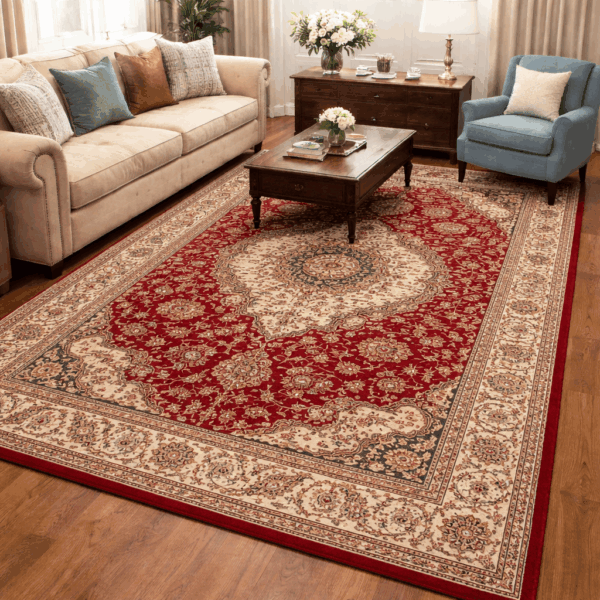
Machine Made Iranian Carpet – 700 Pile Density
This density level is widely recognized as a standard choice for quality-focused residential and export markets. manufactured using advanced weaving technology, 700 density carpets are produced with tightly packed piles that enhance resilience and shape retention. Common commercial yarn types include heat-set polypropylene (HS PP), polyester (PET), Acrylic and BCF yarn, and in some collections acrylic blends, ensuring color stability, softness, and abrasion resistance. These carpets are widely used in living rooms, bedrooms, offices, hotels, prayer halls, and medium-traffic commercial spaces. Available designs range from classic Persian and oriental patterns to contemporary, minimal, and geometric styles. Technical specifications typically include medium to low pile height, balanced knot structure, strong latex backing, good color fastness, antistatic properties, and easy maintenance performance, making them suitable for everyday use.
700 Pile Density Carpet is offered in standard and customized sizes, roll formats, and export-ready packaging to meet diverse market requirements. Products are packed securely for container loading and long-distance transportation. Produced under strict quality control systems, these carpets ensure consistent texture, uniform appearance, and reliable batch-to-batch quality. With versatile design options, durable yarn selection, and strong commercial value, 700 pile density carpet remains a preferred solution for customers seeking comfort, elegance, and long-term performance at a competitive price.
Magnesium Oxide
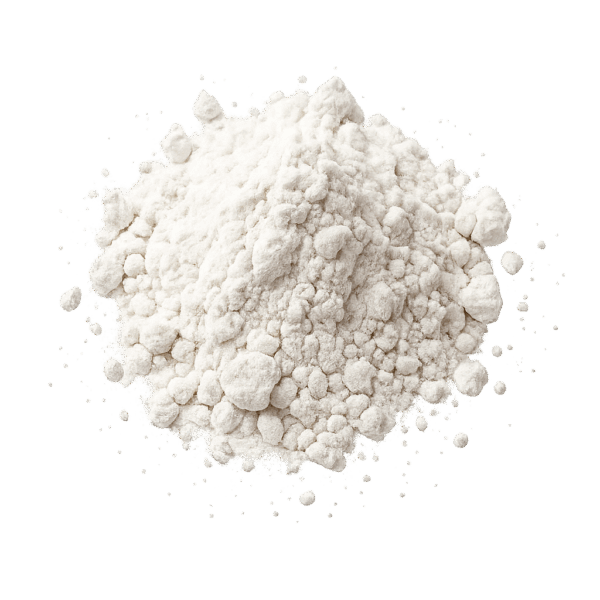
Magnesium Oxide is generally available in light-burned magnesium oxide (light-burned MgO), hard-burned magnesium oxide, and dead-burned magnesium oxide (DBM), with each type designed for specific industrial requirements. Light-burned MgO, commonly known as caustic-calcined magnesium oxide, has relatively high chemical reactivity and is widely used in fertilizers, animal-feed formulations, wastewater treatment, chemical processing, rubber compounds, and soil-conditioning applications. Hard-burned MgO offers lower reactivity and greater stability and is used in construction materials, mineral processing, and selected industrial formulations. Dead-burned magnesium oxide is produced at much higher temperatures, creating a dense and highly stable material with excellent resistance to heat, chemical attack, and thermal shock, making it particularly important for refractory bricks, furnace linings, steelmaking, cement kilns, and other high-temperature applications. Magnesium oxide is also used in electrical insulation, ceramics, glass production, flame-resistant materials, magnesium compounds, and specialized chemical processes where controlled alkalinity and thermal performance are required.
The specifications of magnesium oxide vary according to grade and intended application, with key commercial parameters including MgO content, CaO content, SiO₂ content, Fe₂O₃ content, loss on ignition, particle size, bulk density, and reactivity. High-purity grades are selected where low levels of impurities and consistent chemical performance are essential, while industrial grades may be optimized for cost efficiency, controlled reactivity, or refractory performance. Important advantages of magnesium oxide include excellent heat resistance, high melting point, alkaline properties, good chemical stability, low solubility in water, and the ability to neutralize acidic materials. For B2B buyers, selecting the appropriate magnesium oxide grade is essential because calcination temperature, purity, particle size, and reactivity directly influence processing behavior and final product performance. Magnesium oxide can be supplied in powder, granular, or other specified forms and packed according to transportation, storage, and industrial handling requirements, including bags, jumbo bags, and bulk shipments.

Magnesium Powder
Magnesium Powder is widely used as a valuable raw material in metallurgy, chemical industries, aerospace manufacturing, automotive production, defense-related industries, and specialized manufacturing processes. Different grades of magnesium powder serve different applications; coarse magnesium powder (20–80 mesh) is mainly used for metallurgical processes, desulfurization of molten iron and steel, and chemical reactions, while medium grades (80–200 mesh) are suitable for welding applications, pyrotechnic formulations, and industrial chemical production. Fine magnesium powder (200–325 mesh and finer) is commonly used in powder metallurgy, additive manufacturing research, laboratory applications, and advanced material production where high surface area and controlled reactivity are required. High-purity magnesium powder is preferred for aerospace, electronics, and specialty alloy industries due to its low impurity content and excellent performance.
Export-quality Magnesium Powder offers important advantages including high purity, controlled particle size distribution, excellent chemical reactivity, lightweight characteristics, and compatibility with various industrial processes. Magnesium metal powder is valued for its ability to act as a reducing agent, alloying element, and energy-efficient material in many applications. Manufacturers supply different specifications according to international standards and customer requirements, including purity levels, mesh size, morphology, and packaging conditions. Due to the growing demand for lightweight metals and advanced manufacturing materials, Magnesium Powder has become an important industrial commodity for global wholesale export markets.