Your gateway to numerous Iranian top exporters

Create one request and get multiple quotes from verified suppliers. 100% free.

Magnesium Oxide

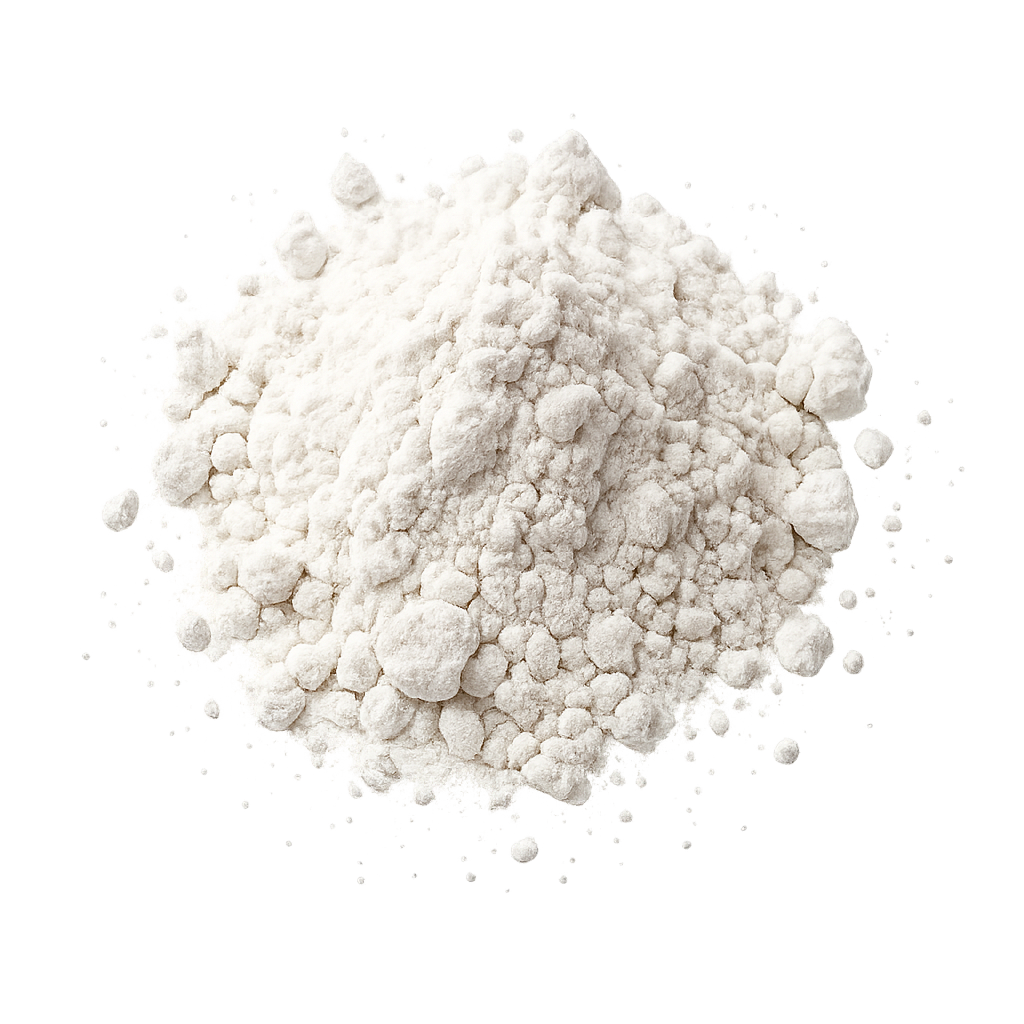
Magnesium Oxide (MgO) is a versatile inorganic compound widely used as an industrial raw material because of its high thermal stability, alkaline character, chemical reactivity, and resistance to high temperatures. Commercial magnesium oxide is produced primarily from naturally occurring magnesium-bearing materials such as magnesite (magnesium carbonate) or magnesium hydroxide through controlled thermal decomposition and calcination. During production, the raw material is crushed, purified, sized, and heated in rotary or shaft kilns at controlled temperatures to remove carbon dioxide or water and form magnesium oxide with the required chemical and physical characteristics. Depending on the calcination temperature and processing conditions, manufacturers can produce different grades of MgO with significantly different reactivity, surface area, density, and crystal structure. This controlled manufacturing process allows magnesium oxide suppliers to offer products suitable for applications ranging from chemical processing and environmental treatment to refractory manufacturing, construction, agriculture, and specialized industrial formulations.

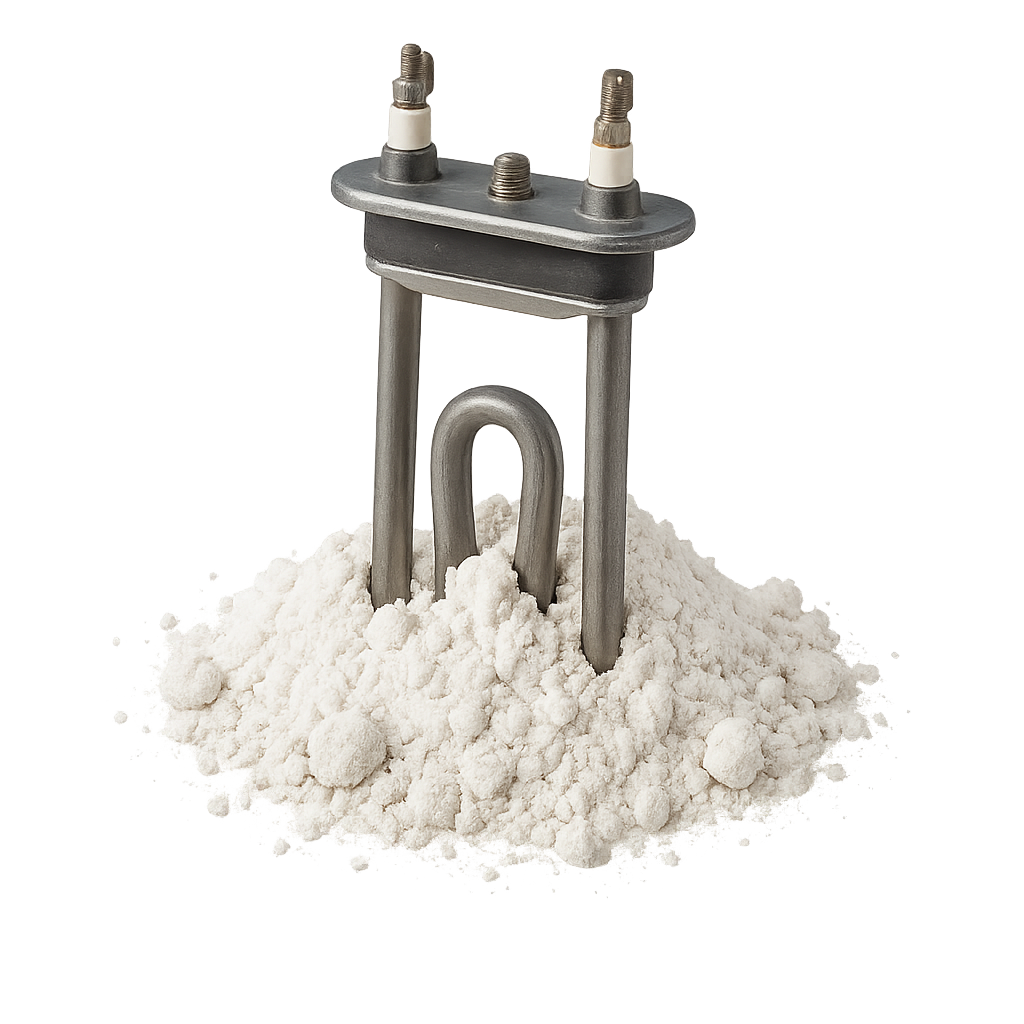
Magnesium Oxide is generally available in light-burned magnesium oxide (light-burned MgO), hard-burned magnesium oxide, and dead-burned magnesium oxide (DBM), with each type designed for specific industrial requirements. Light-burned MgO, commonly known as caustic-calcined magnesium oxide, has relatively high chemical reactivity and is widely used in fertilizers, animal-feed formulations, wastewater treatment, chemical processing, rubber compounds, and soil-conditioning applications. Hard-burned MgO offers lower reactivity and greater stability and is used in construction materials, mineral processing, and selected industrial formulations. Dead-burned magnesium oxide is produced at much higher temperatures, creating a dense and highly stable material with excellent resistance to heat, chemical attack, and thermal shock, making it particularly important for refractory bricks, furnace linings, steelmaking, cement kilns, and other high-temperature applications. Magnesium oxide is also used in electrical insulation, ceramics, glass production, flame-resistant materials, magnesium compounds, and specialized chemical processes where controlled alkalinity and thermal performance are required.

The specifications of magnesium oxide vary according to grade and intended application, with key commercial parameters including MgO content, CaO content, SiO₂ content, Fe₂O₃ content, loss on ignition, particle size, bulk density, and reactivity. High-purity grades are selected where low levels of impurities and consistent chemical performance are essential, while industrial grades may be optimized for cost efficiency, controlled reactivity, or refractory performance. Important advantages of magnesium oxide include excellent heat resistance, high melting point, alkaline properties, good chemical stability, low solubility in water, and the ability to neutralize acidic materials. For B2B buyers, selecting the appropriate magnesium oxide grade is essential because calcination temperature, purity, particle size, and reactivity directly influence processing behavior and final product performance. Magnesium oxide can be supplied in powder, granular, or other specified forms and packed according to transportation, storage, and industrial handling requirements, including bags, jumbo bags, and bulk shipments.

 

Magnesium Oxide

Technical Specifications

Specification Typical Commercial Value
Chemical Name Magnesium Oxide
Chemical Formula MgO
CAS Number 1309-48-4
MgO Content 85–99.5% min., depending on grade
Appearance White to off-white powder or granules
CaO Content Typically 0.5–5%
SiO₂ Content Typically 0.1–5%
Fe₂O₃ Content Typically 0.05–3%
Loss on Ignition (LOI) Typically 0.5–10%
Particle Size Customized according to application
Bulk Density Approx. 0.5–3.0 g/cm³, grade dependent
Commercial Grades Light-Burned, Hard-Burned, Dead-Burned


IF YOU ARE WILLING TO BUY MAGNESIUM OXIDE ROM IRANIAN SUPPLIERS, PLEASE SCROLL DOWN AND SUBMIT YOUR REQUEST.

0 reviews
0
0
0
0
0

There are no reviews yet.

Be the first to review “Magnesium Oxide”

FAQ Magnesium Oxide

Magnesium Oxide is mainly produced by calcining magnesite or magnesium hydroxide at controlled temperatures, followed by crushing, grinding, classification, and quality control to achieve the required grade and particle size.
Light-Burned MgO has high reactivity and is suitable for chemical, agricultural, environmental, and processing applications, while Hard-Burned MgO provides moderate reactivity and stability, and Dead-Burned MgO offers very high thermal stability for refractory and high-temperature applications.
Magnesium Oxide is used in refractory products, steelmaking, cement and construction materials, wastewater treatment, chemical processing, agriculture, fertilizers, rubber compounds, ceramics, glass manufacturing, electrical insulation, and other industrial formulations.
Buyers should evaluate MgO purity, CaO and SiO₂ levels, Fe₂O₃ content, loss on ignition, particle size, bulk density, reactivity, calcination type, packaging, and consistency between production batches.
Magnesium Oxide provides high-temperature resistance, chemical stability, alkaline properties, high melting point, acid-neutralizing capability, and controlled reactivity, making it suitable for demanding industrial processes.
You can find suitable Iranian Magnesium Oxide manufacturers and exporters through Irancorps, which helps international buyers connect with evaluated Iranian suppliers according to product grade, specifications, quantity, packaging, and purchasing requirements.

Request for Quotes

Create one request and get multiple quotes from verified suppliers.