

Your gateway to numerous Iranian top exporters

Create one request and get multiple quotes from verified suppliers. 100% free.

Aluminum Oxide

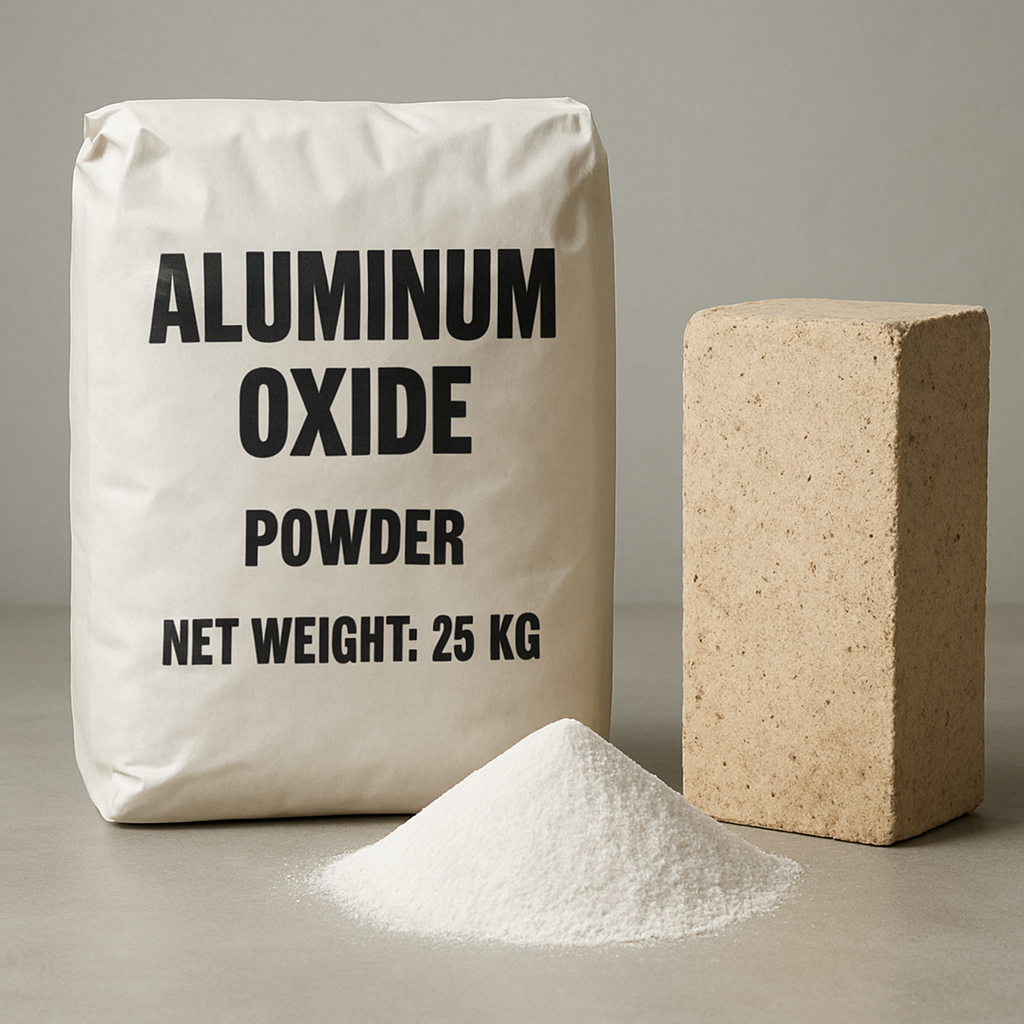
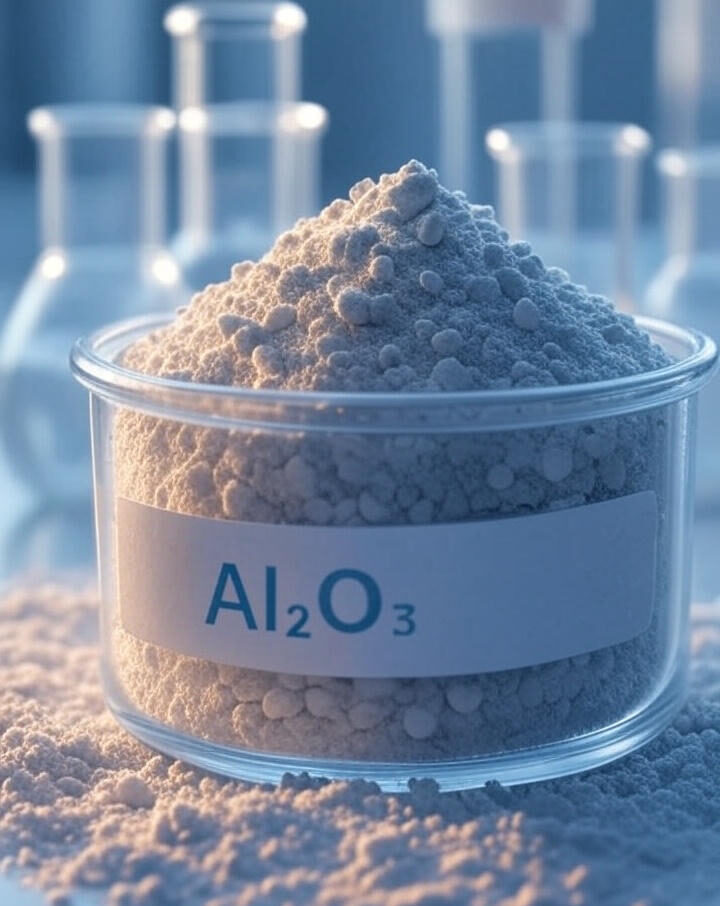
Aluminum oxide (or aluminum(III) oxide) is a chemical compound of aluminium and oxygen with the chemical formula Al2O3. It is the most commonly occurring of several aluminium oxides, and specifically identified as aluminium oxide. It is commonly called alumina and may also be called aloxide, aloxite, or alundum in various forms and applications.

Aluminum Oxide is most significant use is in the production of aluminum metal, although it is also used as an abrasive due to its hardness and as a refractory material due to its high melting point. The Production of Aluminum Oxide is by first digesting Bauxite ore, containing a maximum of 55% alumina, in a hot sodium hydroxide solution. At temperatures of around 175°C, the aluminum dissolves and forms sodium aluminate. High-purity alumina is filtered from the compound, and the resulting solution is transitioned to a precipitator tank for cooling. As it cools, the solution becomes seeded with extremely fine-grained aluminum hydroxide (Al(OH)3) crystals. These crystals are moved to a kiln for calcination at temperatures approaching 1,260°C, yielding aluminum oxide powder.

High aluminum oxide refractories are a mainstay in petrochemical applications, particularly syngas reactors which have demanding thermochemical and thermomechanical process conditions. Another critical application of Al2O3 ceramics is in autothermal reforming (ATR). By using Aluminum oxide the refractories are an extremely robust, with high hardness, strong resistance to abrasion and high compression strength. It is highly resistant to thermal shock and chemical attack even at raised temperatures. These properties are why aluminum oxide stands out as the material of choice for low-cost production and manufacturing. Large tonnages of aluminium hydroxide, from which alumina is derived, are used in the manufacture of zeolites, coating titania pigments, and as a fire retardant/smoke suppressant. Aluminum oxide is an electrical insulator but has a relatively high thermal conductivity (30Wm−1K−130Wm−1K−1) for a ceramic material. It is thus used as insulating material in power electronics.

Aluminum Oxide

Aluminum Alloy Technical Specification

Property Specification
Material Type Aluminum Alloy
Main Element Aluminum (Al)
Alloy Series 1000, 2000, 3000, 5000, 6000, 7000 Series
Available Forms Sheet, Plate, Coil, Bar, Rod, Tube, Profile, Foil
Alloying Elements Magnesium, Silicon, Copper, Zinc, Manganese
Density Approx. 2.65 – 2.85 g/cm³
Tensile Strength Approx. 70 – 600 MPa (Depending on Grade)
Corrosion Resistance Good to Excellent
Electrical Conductivity Approx. 30 – 62% IACS
Thermal Conductivity Approx. 120 – 235 W/m·K
Weldability Good to Excellent (Depending on Alloy)
Surface Finish Options Mill Finish, Anodized, Polished, Painted


IF YOU ARE WILLING TO BUY ALUMINUM OXIDE FROM IRANIAN SUPPLIERS, PLEASE SCROLL DOWN AND SUBMIT YOUR REQUEST.

0 reviews
0
0
0
0
0

There are no reviews yet.

Be the first to review “Aluminum Oxide”

FAQ Aluminum Oxide

Aluminum Alloy is an engineered metal material where aluminum is combined with alloying elements such as magnesium, silicon, copper, zinc, or manganese to improve strength, durability, corrosion resistance, and manufacturing performance.
Aluminum alloys are commonly classified into different series including 1000 series (pure aluminum), 2000 series (copper alloyed), 3000 series (manganese alloyed), 5000 series (magnesium alloyed), 6000 series (magnesium and silicon), and 7000 series (zinc alloyed).
Aluminum alloys are widely used in automotive parts, aerospace components, construction materials, electrical equipment, marine structures, packaging, machinery, heat exchangers, and industrial profiles due to their lightweight and high performance.
The main advantages include lightweight structure, high strength-to-weight ratio, excellent corrosion resistance, good machinability, recyclability, thermal conductivity, and suitability for various fabrication processes.
Yes. Aluminum Alloy products can be supplied in different grades, sizes, tempers, surface finishes, and forms according to industrial requirements, drawings, and international standards.
Yes. IranCorps provides sourcing and export solutions for Aluminum Alloy products from reliable manufacturers, offering different grades, customized dimensions, technical documentation, competitive offers, and international B2B supply support for customers worldwide.

Request for Quotes

Create one request and get multiple quotes from verified suppliers.