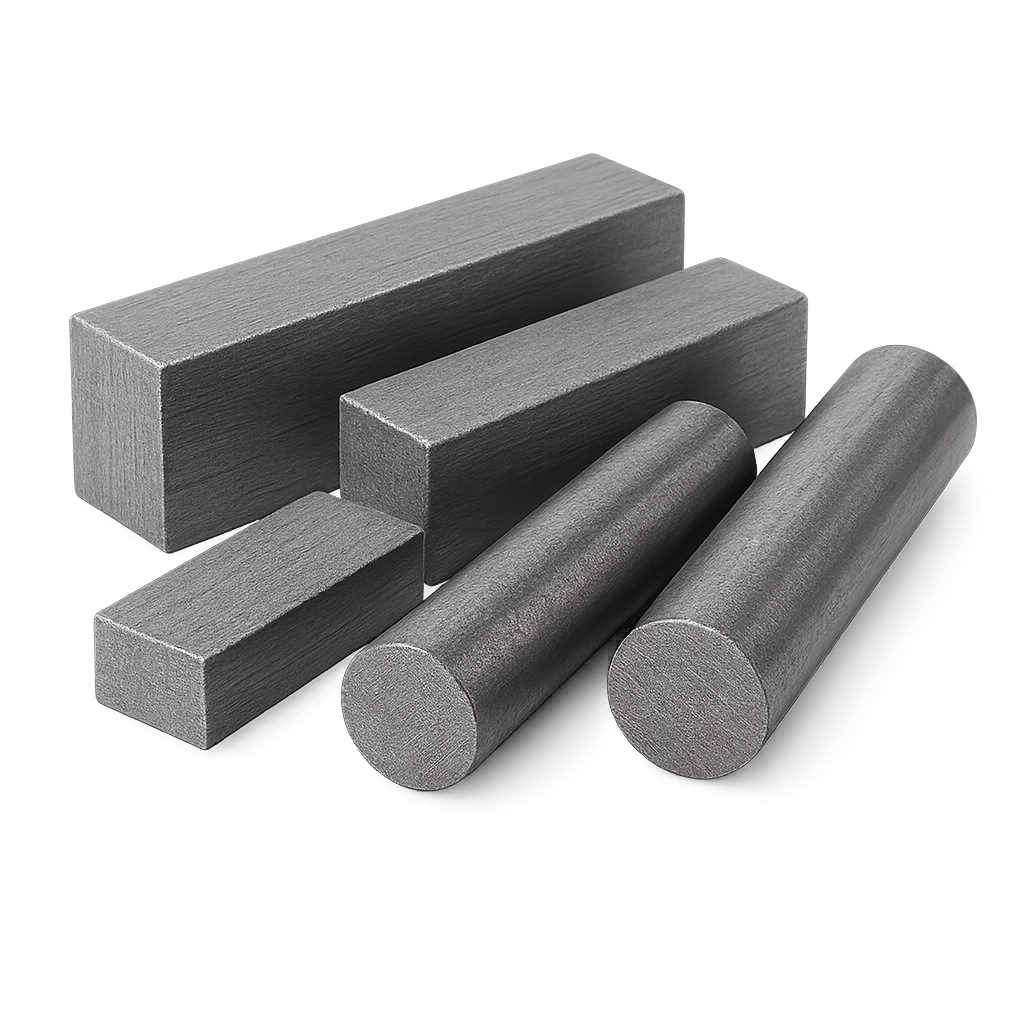
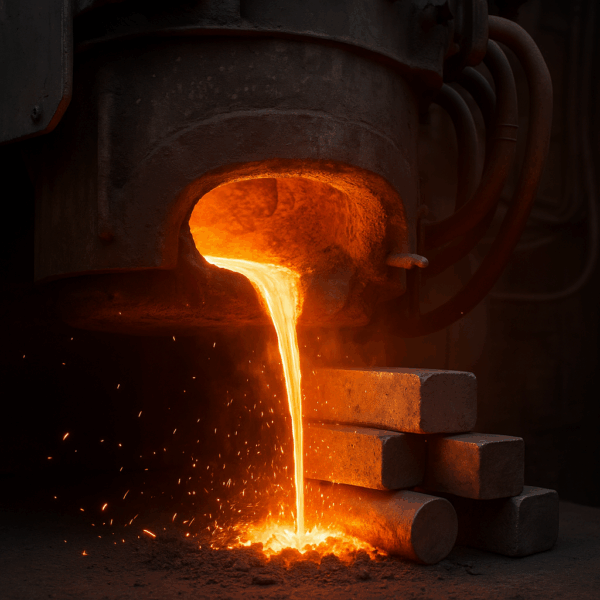
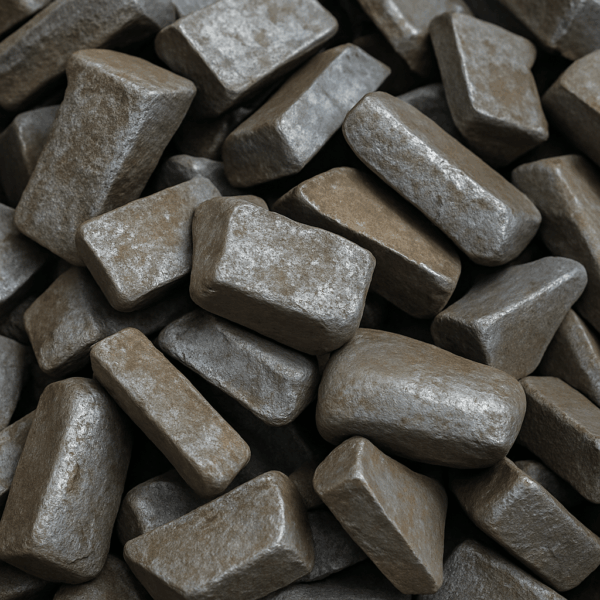
Commercial iron ingots are available in different sizes, weights, shapes, and chemical grades according to the requirements of downstream users, with common variations including foundry-grade iron ingots, remelting-grade ingots, high-purity iron ingots, and composition-controlled grades for specialized applications. Foundry-grade iron ingots are widely used as charge material for producing cast iron components, machinery parts, pipes, housings, automotive components, and industrial castings, while remelting grades are suitable for foundries and metal-processing facilities that require a reliable metallic input for subsequent melting operations. Higher-purity and controlled-composition iron ingots can be used where predictable metallurgical performance and tighter chemistry control are important. Key specifications may include total iron content, carbon, silicon, manganese, phosphorus, sulfur, dimensional tolerances, ingot weight, surface condition, and chemical consistency, with exact values normally determined according to the buyer’s technical requirements and applicable standards. The main advantages of iron ingots include convenient handling, efficient storage, suitability for remelting, consistent batch quality, controllable chemistry, and compatibility with a wide range of industrial metal-production processes.
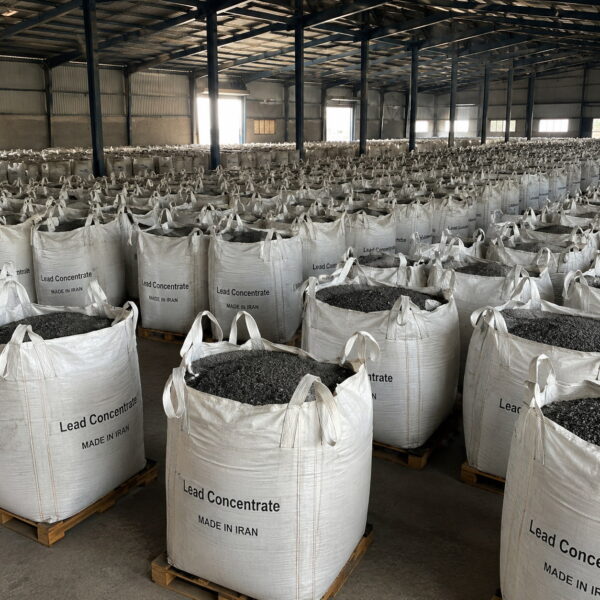
Iron ingots can be supplied in bulk quantities for international B2B trade and are normally packaged according to transportation method, buyer requirements, and loading conditions. Depending on size and destination, commercial packaging may include steel strapping, bundled units, pallets, protective wrapping, or loose bulk loading in suitable containers and trucks. For international procurement, buyers generally specify the required iron ingot grade, chemical composition, dimensions, individual weight, total quantity, packaging method, inspection requirements, and delivery terms before finalizing an order. Reliable quality control, accurate product documentation, consistent specifications, and appropriate packaging make iron ingots a practical raw material for foundries, metal processors, and industrial manufacturers seeking dependable ferrous feedstock for continuous production.


 Arabic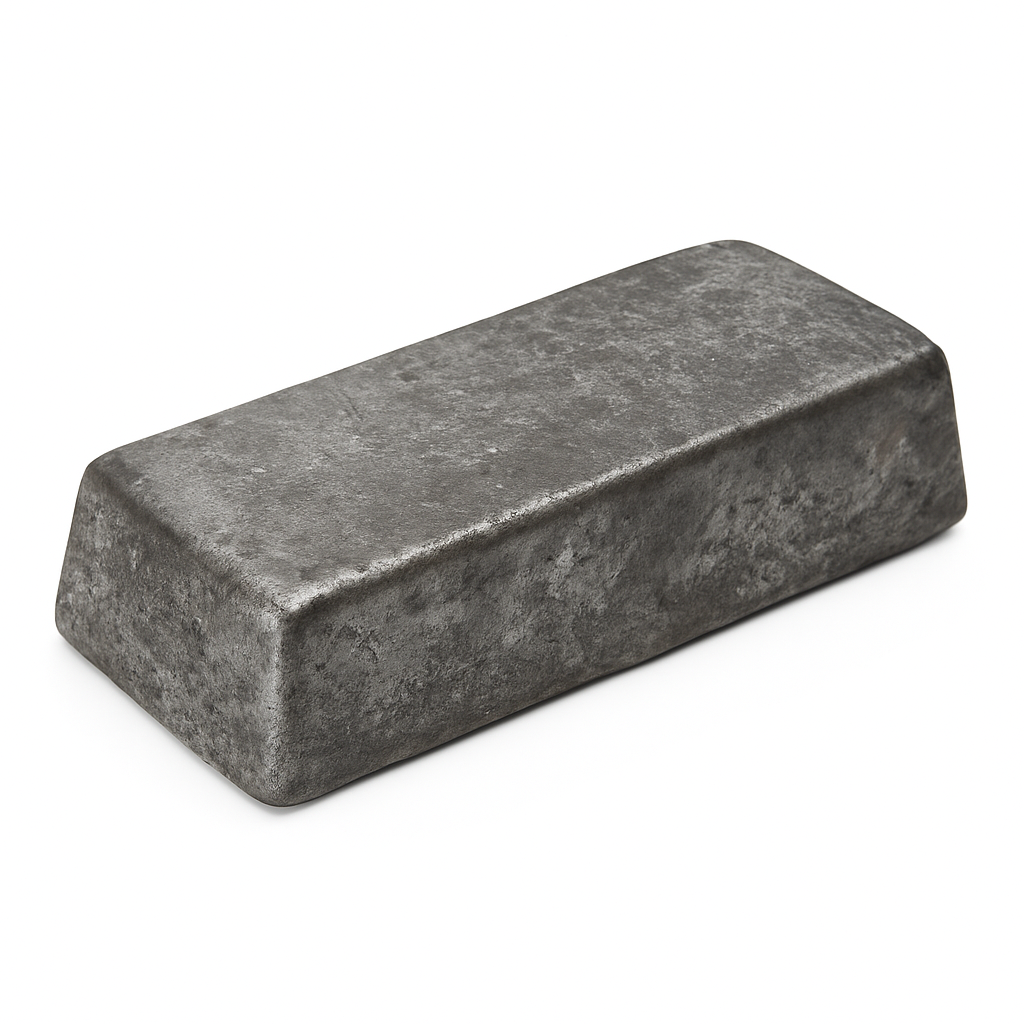



Reviews
Clear filtersThere are no reviews yet.