

 Arabic
shop
HDPE Pipe Grade Granules
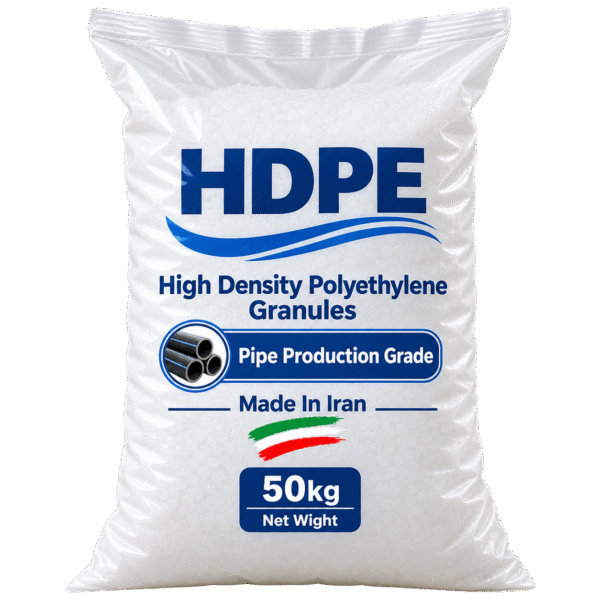
Pressure pipe grades are typically selected according to the required long-term hydrostatic strength, resistance to slow crack growth and operating pressure. The formulation can also incorporate carefully controlled stabilizer packages to improve resistance to thermal degradation during processing. HDPE Pipe Grade is widely used for potable water pipelines, irrigation networks, sewage systems, industrial piping, mining applications and gas distribution pipes. One of its major technical advantages is its resistance to corrosion, chemicals, moisture and many aggressive environments, eliminating many of the corrosion-related problems associated with metallic piping. The material also provides good flexibility and impact resistance, allowing polyethylene pipes to tolerate ground movement and mechanical stresses more effectively than many rigid materials. For pressure applications, manufacturers select the grade according to pipe diameter, wall thickness, pressure class, extrusion conditions and applicable performance requirements. Consistent melt flow, low contamination and stable processing behavior are particularly important for producing pipes with uniform dimensions and reliable mechanical performance.
HDPE Pipe Grade Granules are normally supplied in clean, free-flowing form and packed in moisture-resistant polyethylene-lined bags or heavy-duty multi-layer bags. Standard industrial packaging commonly includes 25 kg bags, while jumbo bags may be supplied for large-volume manufacturing operations depending on production and logistics requirements. During storage, the resin should be protected from contamination, excessive heat and direct sunlight before processing. Each commercial batch should ideally be accompanied by a Technical Data Sheet and Certificate of Analysis covering key parameters such as density, melt flow rate, mechanical properties and other relevant quality characteristics.
HDPE Raffia Grade Granules
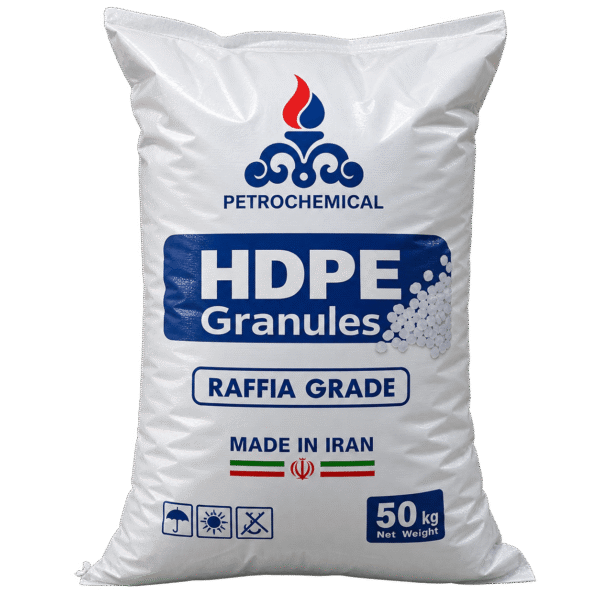
Major applications include woven polypropylene alternatives, HDPE bags, industrial sacks, agricultural bags, FIBC components, tarpaulins, ground covers and various woven packaging materials. HDPE Raffia provides good tensile strength, low moisture absorption and resistance to many chemicals and environmental conditions. The resulting tapes can be woven into lightweight structures that combine flexibility with high load-bearing capability. Manufacturers can adjust tape thickness, orientation and weaving density according to the required strength and product design. Grade selection should take into account MFR, density, tensile performance, drawability and compatibility with the specific tape extrusion equipment.
HDPE Raffia Grade Granules are normally supplied as uniform pellets in sealed 25 kg industrial bags or larger jumbo packaging for high-volume raffia production. Packaging must protect the material from dust, moisture and foreign particles because contamination can cause tape breakage and processing defects. Palletized bags with stretch wrapping are commonly suitable for warehouse and export handling, while bulk packaging can be selected according to plant feeding systems. Technical purchasing decisions should be based on the resin’s processing behavior and tape performance rather than density alone, with batch-specific quality documentation recommended for large commercial orders.
HDPE Rotomolding Grade Granules
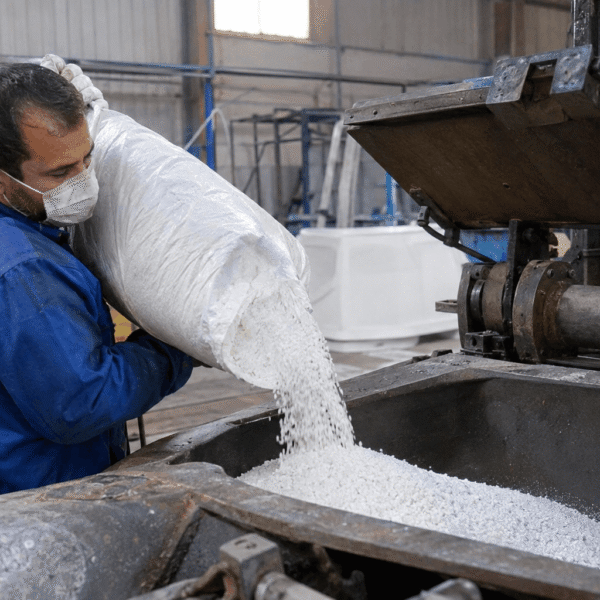
The material is extensively used for water tanks, chemical storage tanks, agricultural containers, waste bins, road barriers, industrial vessels, playground components and other large hollow products. HDPE Rotomolding Grade provides good impact resistance, chemical resistance and environmental durability, which are valuable for products exposed to outdoor conditions and repeated handling. The absence of high injection pressure also allows manufacturers to produce large, seamless structures with relatively complex shapes. Product performance depends on powder particle size, melt flow behavior, heating cycle, cooling rate, mold design and wall thickness, so resin selection must be matched carefully with the intended rotational molding application.
Rotomolding HDPE is supplied in pellet form or, depending on the production system, as processed rotational molding powder. Pelletized material is commonly packed in 25 kg bags, while larger industrial quantities may be supplied in jumbo bags. Packaging should prevent moisture, dust and contamination from affecting the resin before grinding or processing. For commercial production, buyers should evaluate melt flow characteristics, density, thermal stability, impact performance and powder processing requirements to ensure compatibility with the rotational molding equipment and final product specifications.
HDPE Spiral Pipe
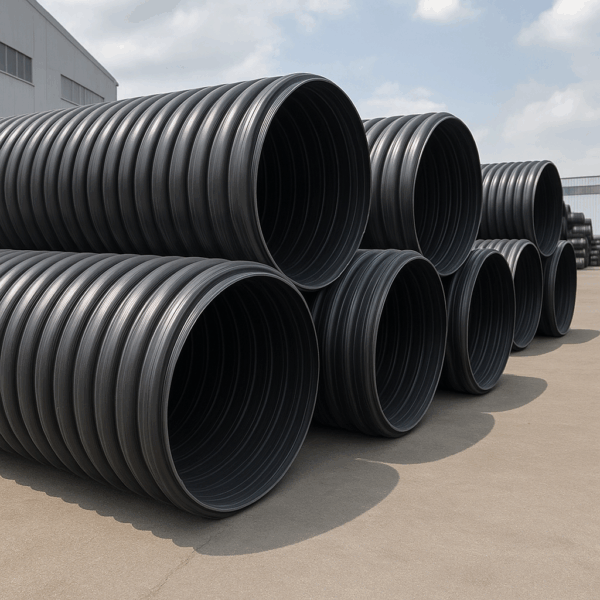
Spiral PE pipe are manufactured from weather resistant Polyethylene using a unique process by which a specially designed extruded profile strip is spirally wound over a pre-heated and revolving mandrel. Overlap on the edge is fused homogeneously together while it is in the hot plastic state, producing a smooth internal surface. The profile wall thickness is designed according to the ring stiffness required to withstand the loading on the pipe. HDPE Spiral Pipes are manufactured within Ø600 – 3600 mm range and with SR2 – 128 kN/m2 ring rigidity. According to DIN 16961 standards, 7 different rigidity classes are defined for HDPE Spiral Pipes. These ring rigidity values are based on LN/m2 SR that starts from <2 to ≥ 125 but its possible to manufacture products in any ring rigidity according to the specific needs of our customers.
HDPE spiral pipes are :
- Tough Light Weight and Easy to Transport
- High Chemical Resistance
- High Abrasion Resistance Compare to Other Pipe Material
- Corrosion Resistance Longer Service Life
- Excellent Hydraulics Economical /
- Easier Installation
- Low Cost Handling at Site
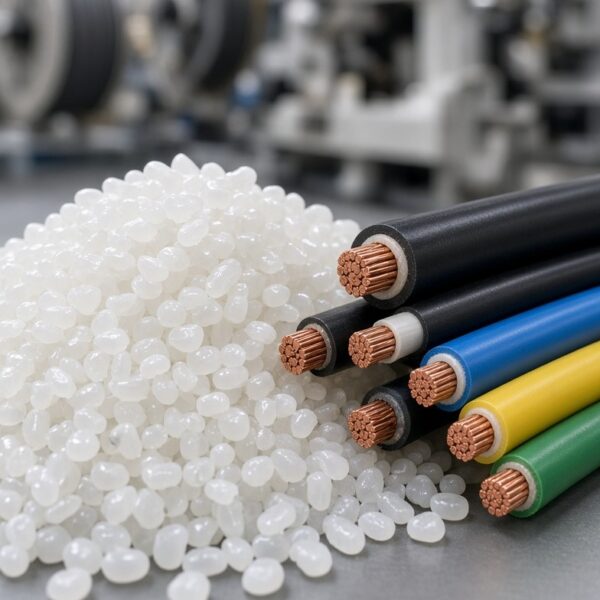
HDPE Wire & Cable Grade Granules
HDPE is used in selected power, telecommunications, data communication and utility cable applications where its electrical and environmental properties are suitable. Its low moisture absorption and good dielectric characteristics can be advantageous in cables exposed to humid environments or underground installations. The polymer also provides useful abrasion and chemical resistance, helping protect the conductor from external mechanical and environmental stresses. Cable manufacturers select the grade according to conductor diameter, insulation thickness, extrusion equipment, operating temperature and required electrical performance. Processing stability is essential because surface imperfections, dimensional variation or contamination can compromise the quality of the finished cable.
HDPE Cable Grade is commonly supplied as uniform pellets in moisture-resistant bags, with 25 kg packaging widely used for industrial transportation and storage. Larger jumbo bags can be considered for high-throughput cable extrusion facilities depending on plant handling systems. The resin should be stored in clean, dry conditions and protected from contamination before entering the extrusion line. Technical evaluation should include melt flow characteristics, density, electrical properties, thermal stability and application-specific performance data to ensure that the selected grade is suitable for the intended cable construction.
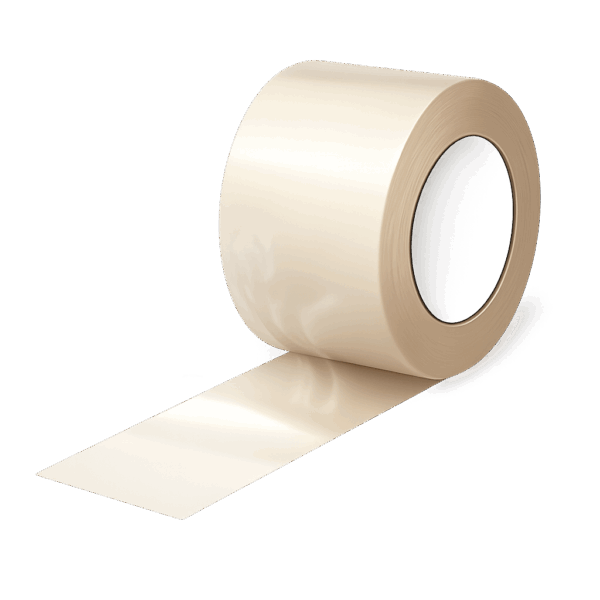
Heat Activated Tape
Heat Activated Tape is available in different grades, widths, thicknesses, adhesive formulations, and roll lengths to meet various industrial requirements. Standard grades include general-purpose heat activated tape for packaging and assembly applications, high-temperature heat activated tape for automotive, electronics, and industrial bonding, textile heat bonding tape for garment and fabric lamination, film bonding tape for plastic and composite materials, and specialty grades designed for medical, aerospace, and electrical applications. Common sizes include widths from 5 mm to 1500 mm, thicknesses from 0.05 mm to 0.50 mm, and roll lengths from 25 meters to 500 meters depending on customer requirements and production specifications.
Heat Activated Tape provides excellent bonding strength, chemical resistance, moisture resistance, dimensional stability, and clean application without adhesive residue. It improves production efficiency by reducing sewing, mechanical fastening, and liquid adhesive processes while providing uniform bonding quality. Its applications include automotive interior components, textile and garment industries, footwear manufacturing, electronics assembly, flexible circuits, insulation materials, furniture production, packaging, bookbinding, medical products, and composite material manufacturing. The availability of customized grades, different activation temperatures, and various carrier materials allows manufacturers to select the most suitable Heat Activated Tape for specific industrial and export requirements.
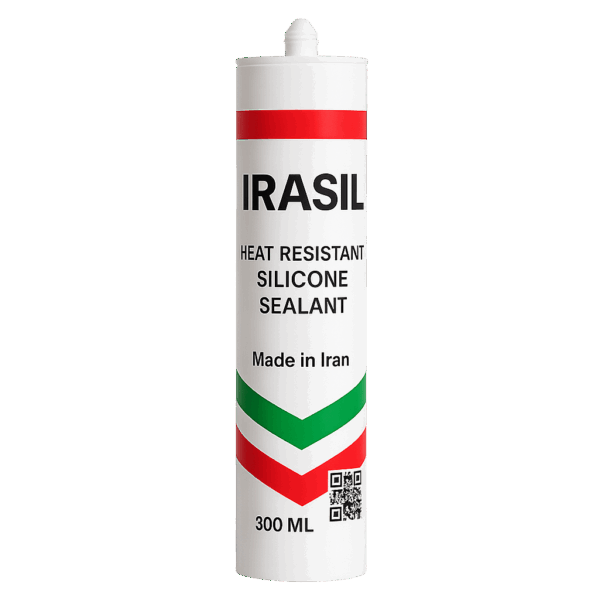
Heat Resistant Silicon Sealant
Available types include High-Temperature Acetoxy Silicone (up to 250°C), Neutral Cure Heat Resistant Silicone (up to 300°C), Ultra-High-Temperature Silicone (up to 350–380°C), and Industrial-Grade Red RTV Silicone designed for engines, exhaust systems, machinery housings, and thermal insulation components. Specialized formulations include oil-resistant, vibration-resistant, gasket-forming, and electrical-grade heat resistant RTV. Heat Resistant Silicone Sealants offer excellent adhesion to metals, ceramics, glass, coated steel, aluminum, composites, and many heat-exposed substrates. Their key advantages include superior thermal stability, resistance to oils and engine fluids, permanent flexibility, excellent dielectric properties, and non-shrinking, crack-free curing. These sealants are UV-resistant, weatherproof, and designed for long service life under mechanical stress and fluctuating temperatures.
Typical applications include oven and furnace assembly, chimneys and flue pipes, automotive engines and valve covers, industrial heaters, high-temperature ducts, electrical insulation, gasketing, appliance manufacturing, and sealing components exposed to continuous heat loads. Their smooth extrusion, fast curing, and long-term reliability make them essential for OEM and maintenance operations. Export-ready Heat Resistant Silicone Sealants are supplied in 300 ml cartridges, gasket tubes, sausage packs, and bulk industrial packaging.
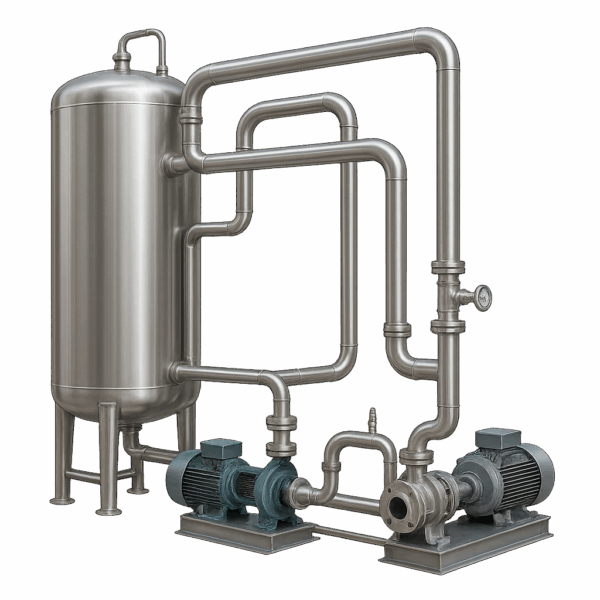
Heat Transfer Oil
- Function:
They circulate through a closed loop system, absorbing heat from a heat source and transferring it to the desired process area, enabling indirect heating. Heat transfer oils are Formulated to promote energy efficient heat transfer performance , to control Oxidation and creating thermal stability that helps resist harmful sludge and coke formation and contributes to long oil service life . Low temperature fluidity assists rapid system start-up , Low vapour pressure at elevated temperatures helps minimise evaporation, vapour lock and pump cavitation and Efficient low pressure operation avoids the need for expensive high pressure pipe-work and heat exchanger systems.
Heat transfer oils have many applications such as used in various industrial processes like plastic molding, chemical reactions, food processing, asphalt production, metal heat treating , food processing , petroleum and wax processing where precise temperature control is crucial.
Composition:
Heat transfer oils are exceptionally stable and highly refined paraffin-based oils that are designed to be utilised as a quenching oil and a heat transfer medium, with specific additives to enhance performance depending on the required temperature range.
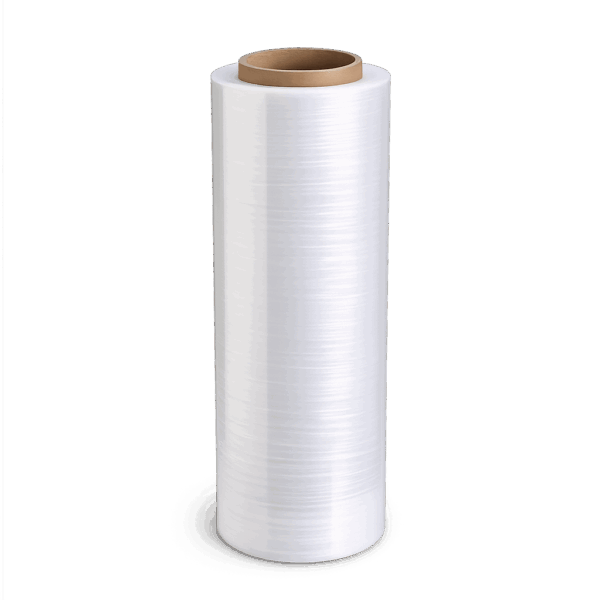
Heavy Duty PE Stretch Film
It is the preferred choice for industries that require maximum protection and reliable pallet integrity. Our heavy duty PE stretch film is available in industrial-grade, power-grade, and reinforced performance grades, engineered to deliver superior holding force and long-lasting performance. Typical thicknesses range from 23, 25, 30, 35, up to 50 microns, with custom specifications available for specialized applications. The film is offered in clear, black, white, and UV-stabilized colors, allowing for product visibility, load concealment, and outdoor protection. Key technical features include high puncture and tear resistance, excellent elongation capacity, strong load retention, controlled cling options, and consistent thickness across the roll. Designed for both manual and machine use, heavy duty polyethylene stretch film performs reliably in high-speed wrapping systems and harsh environmental conditions.
Heavy Duty Polyethylene Stretch Film is widely used in industrial pallet wrapping, export packaging, construction materials, metal products, chemical bags, machinery, and bulk goods. It ensures superior protection against dust, moisture, shifting, and mechanical damage during transportation and long-term storage. By reducing film breakage, minimizing re-wrapping, and improving load security, this stretch film enhances operational efficiency and lowers packaging costs. Its recyclable nature, robust performance, and adaptability make it an essential solution for heavy-duty packaging applications across global markets.
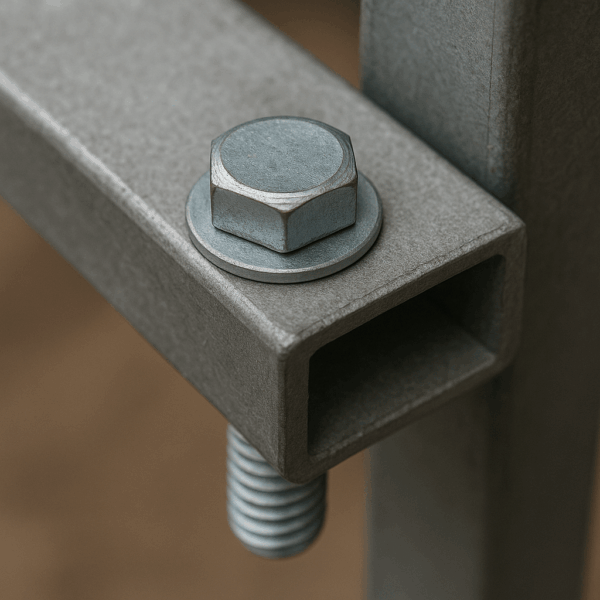
Hex Head Bolt, Hex Head Cap Screw
A hex bolt that is also called Hex caps crew is a type of threaded fastener with a six-sided (hexagonal) head, designed for easy tightening and loosening with a wrench or socket. They are widely used in various applications due to their versatility and ability to provide strong and secure connections.
The six-sided head allows for a firm grip and efficient torque application using a wrench or socket. The threaded portion of the bolt engages with a nut or a tapped hole to create a secure fastening. Hex bolts are adaptable to different materials like steel, wood, and concrete. They are commonly made from materials like steel, stainless steel, or brass, offering varying degrees of strength and corrosion resistance. Hex bolts are crucial for securing structural components like beams and frames in buildings, bridges, and other infrastructure. They are used extensively in assembling machinery, vehicles, and various mechanical components. Hex bolts are used in furniture assembly, creating strong and reliable joints in wooden structures.
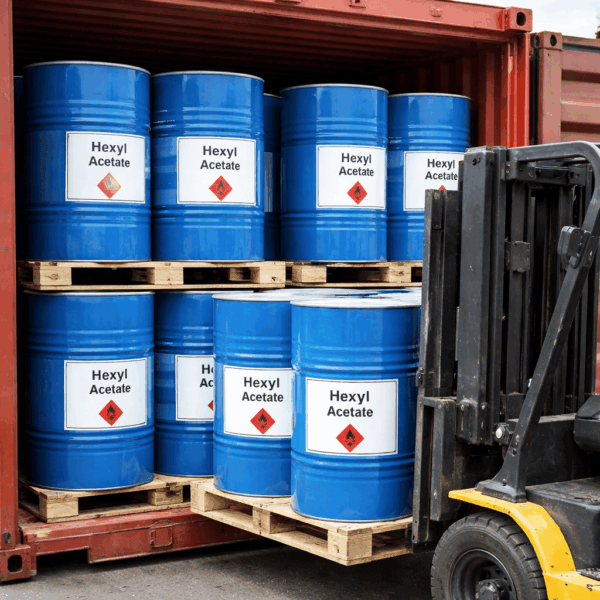
Hexyl Acetate
It is extensively applied as a solvent in paints, coatings, printing inks, lacquers, and adhesives, and as a key component in flavors, fragrances, personal care products, and air fresheners. Chemically, Hexyl Acetate is an ester formed from hexanol and acetic acid, offering strong solvency for resins such as nitrocellulose, acrylics, and certain alkyd systems. Technical characteristics include a moderate evaporation rate, high flash point, low water solubility, excellent compatibility with organic solvents, and good resistance to oxidation. These properties contribute to improved flow, leveling, gloss development, and uniform film formation in coating systems.
Hexyl Acetate is supplied in a variety of commercial packaging options to meet diverse market needs, including 25 kg and 30 kg plastic drums, 180 kg or 200 kg steel drums, 1,000 kg IBC containers, and bulk deliveries. It offers good storage stability when kept in tightly closed containers under recommended conditions. With its dual functionality as an efficient solvent and a pleasant fragrance ingredient, Hexyl Acetate remains a preferred solution for coatings, inks, fragrances, and specialty chemical industries seeking performance, reliability, and market appeal.
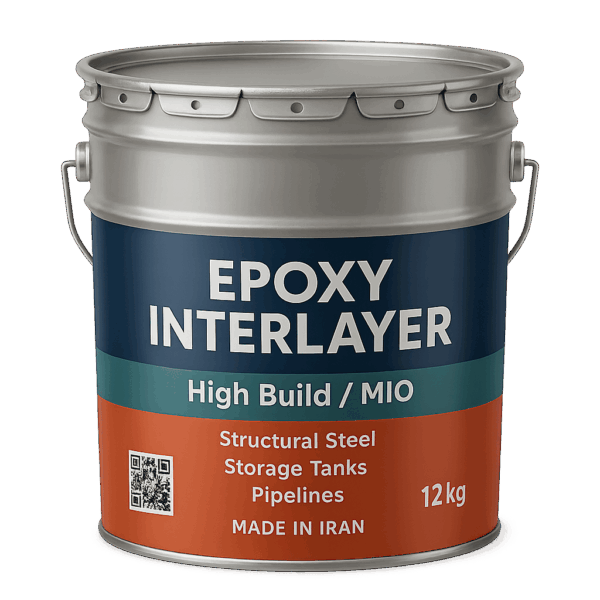
High Build MIO Epoxy Interlayer
High Build MIO Epoxy Interlayer paints are available in standard high-build MIO epoxies, surface-tolerant MIO epoxy interlayers, and offshore-grade formulations designed for severe exposure conditions. They are widely applied on structural steel, bridges, oil & gas pipelines, storage tanks, offshore platforms, marine structures, power plants, and heavy industrial equipment. The main ingredients typically include high-solid epoxy resins (Bisphenol-A or Bisphenol-F), amine or polyamide curing agents, micaceous iron oxide pigments, anti-corrosive fillers, and performance additives. Key advantages include very high film build per coat, outstanding barrier effect due to the plate-like MIO structure, excellent adhesion to epoxy primers, low water vapor permeability, and high resistance to abrasion and mechanical stress.
High Build MIO Epoxy Interlayer paints provide exceptional durability, extended maintenance intervals, and long-term corrosion resistance in environments classified as C4–C5 and CX under ISO 12944. They improve coating system stability by minimizing cracking and enhancing intercoat adhesion. These coatings are supplied as two-component systems (base + hardener) and are available in 5 kg, 10 kg, 12 kg, and 20–25 kg metal pails, as well as 200 kg steel drums and IBC containers for large-scale industrial projects. This makes MIO High Build Epoxy Interlayer paints a preferred solution for high-specification corrosion protection systems.