Your gateway to numerous Iranian top exporters

Create one request and get multiple quotes from verified suppliers. 100% free.

HDPE Rotomolding Grade Granules

HDPE Rotomolding Grade is a polyethylene material designed specifically for rotational molding of large, hollow and often complex plastic products. Unlike conventional injection molding, rotational molding involves placing polymer material inside a mold, heating the mold while it rotates around multiple axes and allowing the polymer to melt and coat the internal surface before controlled cooling. HDPE grades for this process require suitable flow characteristics, thermal stability and resistance to degradation during repeated heating. Particle size distribution and powder quality are also critical because the resin is generally converted into fine powder before being charged into the rotational molding machine. Proper material formulation helps produce uniform wall thickness and strong molded structures with fewer internal defects.

The material is extensively used for water tanks, chemical storage tanks, agricultural containers, waste bins, road barriers, industrial vessels, playground components and other large hollow products. HDPE Rotomolding Grade provides good impact resistance, chemical resistance and environmental durability, which are valuable for products exposed to outdoor conditions and repeated handling. The absence of high injection pressure also allows manufacturers to produce large, seamless structures with relatively complex shapes. Product performance depends on powder particle size, melt flow behavior, heating cycle, cooling rate, mold design and wall thickness, so resin selection must be matched carefully with the intended rotational molding application.

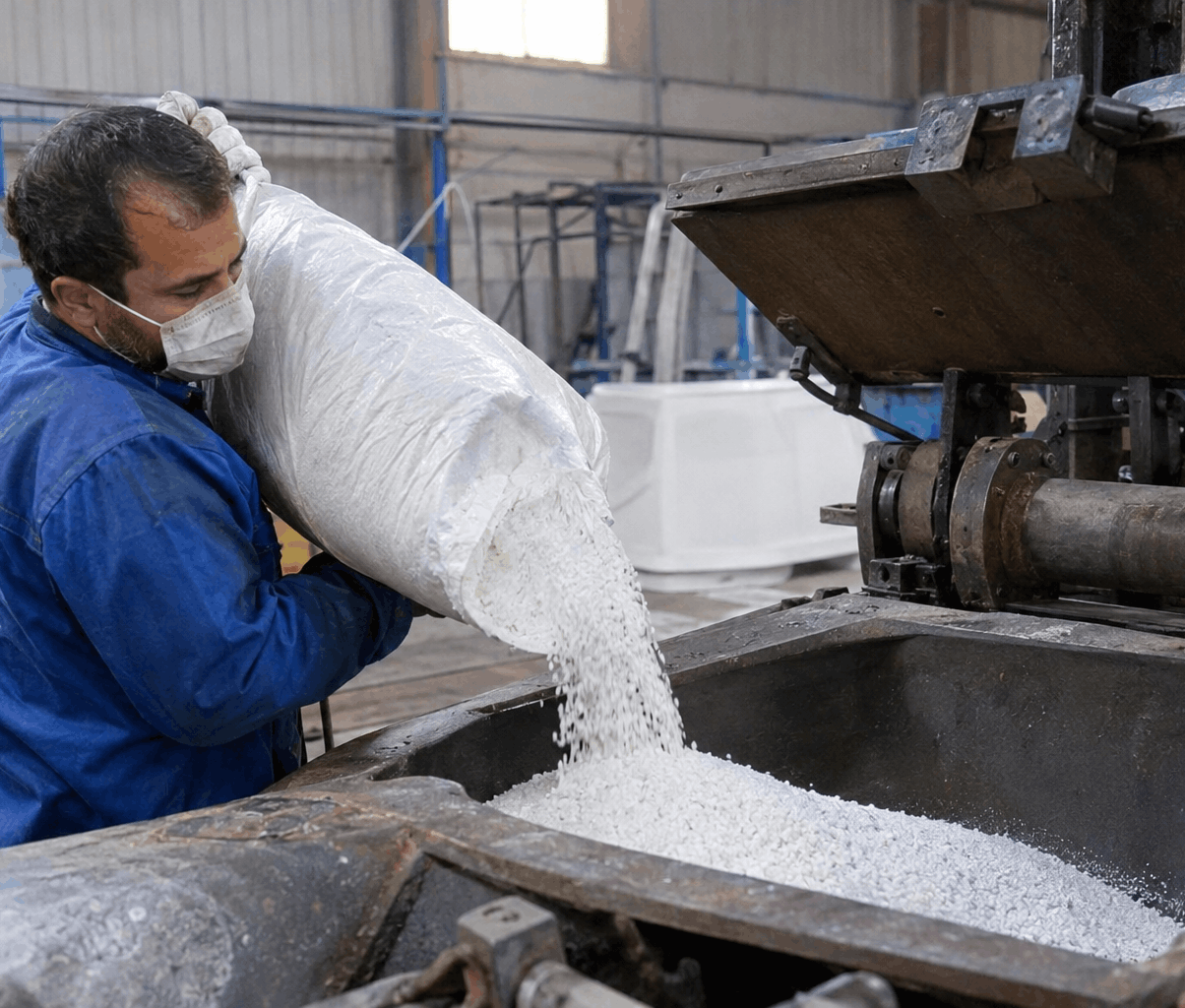
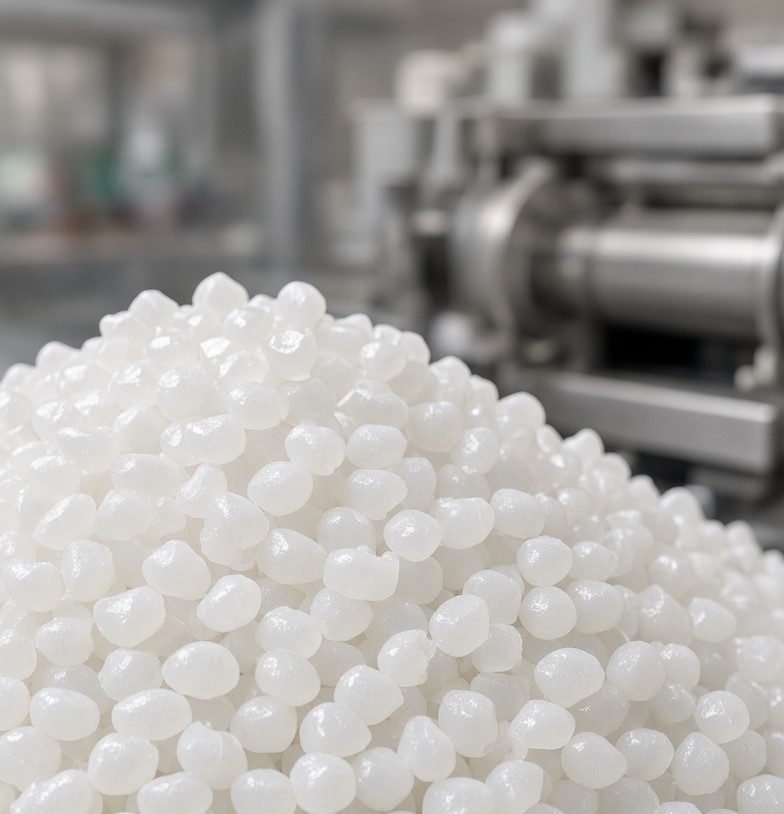
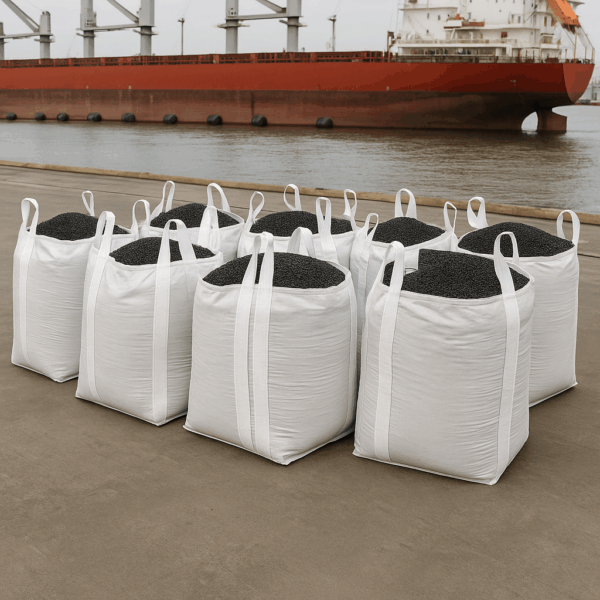
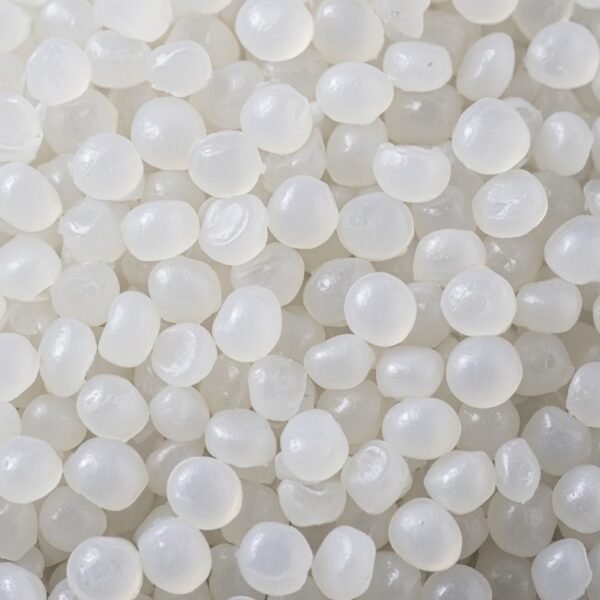
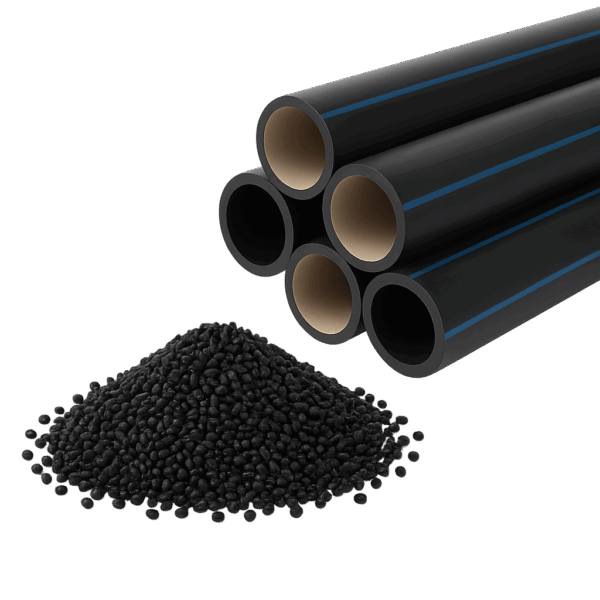
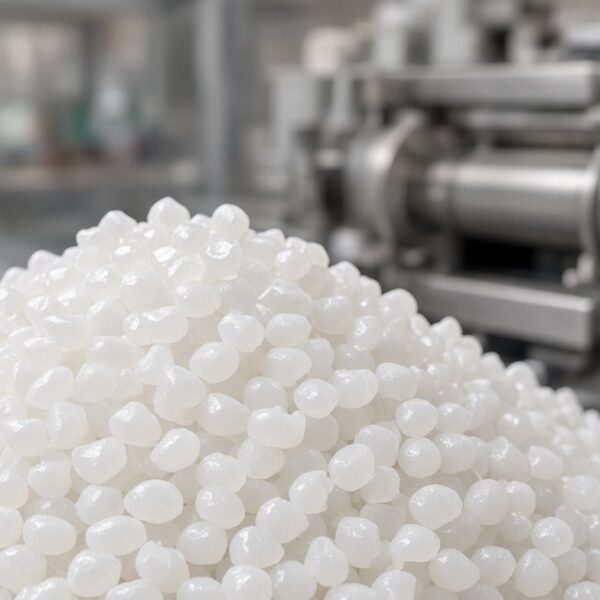
Rotomolding HDPE is supplied in pellet form or, depending on the production system, as processed rotational molding powder. Pelletized material is commonly packed in 25 kg bags, while larger industrial quantities may be supplied in jumbo bags. Packaging should prevent moisture, dust and contamination from affecting the resin before grinding or processing. For commercial production, buyers should evaluate melt flow characteristics, density, thermal stability, impact performance and powder processing requirements to ensure compatibility with the rotational molding equipment and final product specifications.

 

LDPE rotomolding granule grade supply from Iran Technical Specifications

Technical Property Specification / Value
Polymer Type High Density Polyethylene (HDPE)
Physical Form Granules / Pellets
Density 0.940 – 0.965 g/cm³
Melt Flow Index (MFI) 0.2 – 30 g/10 min, depending on grade
Melting Temperature Approx. 125 – 135 °C
Tensile Strength at Yield Approx. 20 – 30 MPa
Elongation at Break Typically >100%
Flexural Modulus Approx. 800 – 1,400 MPa
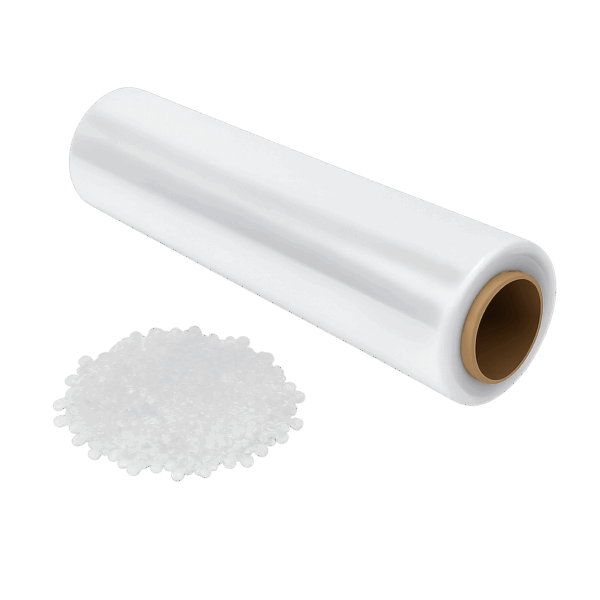
Processing Methods Injection Molding, Extrusion, Blow Molding, Film Production
Main Applications Pipes, Containers, Crates, Bottles, Tanks, Packaging, Pallets and Industrial Products

Note: Technical values may vary depending on the specific HDPE grade.


IF YOU ARE WILLING TO BUY HDPE GRANULE FROM IRANIAN SUPPLIERS, PLEASE SCROLL DOWN AND SUBMIT YOUR REQUEST.

0 reviews
0
0
0
0
0

There are no reviews yet.

Be the first to review “HDPE Rotomolding Grade Granules”

FAQ HDPE Rotomolding Grade Granules

HDPE granules are widely used for manufacturing pipes, bottles, containers, crates, pallets, tanks, packaging products, household items and various industrial components. The appropriate grade should be selected according to the processing method and required mechanical properties.
The main difference is their melt flow behavior and molecular characteristics. Injection molding grades generally have higher MFI for easier filling of molds, while extrusion and blow molding grades typically use lower-flow materials to provide better melt strength and dimensional stability.
Commercial HDPE granules generally have a density of around 0.940–0.965 g/cm³, although the exact value depends on the grade and formulation.
The required MFI depends on the final application. Lower-MFI grades are commonly preferred for applications such as pipes and certain extrusion processes, while higher-MFI grades are often selected for injection molding and thin-wall products.
Yes. IranCorps can help international buyers connect with Iranian manufacturers and exporters of HDPE granules and other polymer products. Buyers can submit their requirements, including grade, MFI, quantity, packaging and destination, to identify suitable suppliers and obtain commercial quotations.
You can provide the required HDPE grade, application, quantity, MFI, packaging requirements and destination country through IranCorps. This information helps suppliers provide a more accurate technical and commercial quotation.

Request for Quotes

Create one request and get multiple quotes from verified suppliers.