

 Arabic
shop

Mono Basin Mixer Tap
This mounting style provides a stable and secure installation, as the tap is anchored directly to the sink. Basin-mounted taps are available in a range of styles and configurations, allowing for a customized look that complements the sink and overall bathroom design. This integration can create a cohesive and polished appearance, seamlessly blending with the sink’s design. Basin-mounted taps also simplify the installation process compared to some other types of mounts, as they are typically designed to fit standard sink configurations. Mono Basin Mixer Taps or monobloc taps – they require a single tap hole and have a single spout from where both hot and cold water is dispensed.
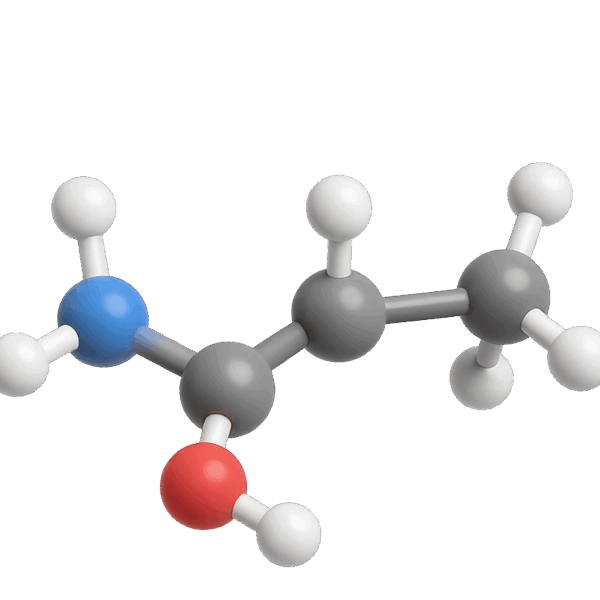
Monoethanolamine (MEA)
Industrial Monoethanolamine is primarily manufactured through the reaction of ethylene oxide with ammonia, a controlled chemical process that can produce monoethanolamine together with other ethanolamine derivatives such as diethanolamine (DEA) and triethanolamine (TEA). Process conditions, reactant ratios, purification stages, and distillation parameters are carefully controlled to achieve the required product purity and commercial grade. After the reaction stage, separation and purification processes are used to obtain Monoethanolamine with controlled water content, color, amine purity, and other quality parameters suitable for specific industrial applications. Commercial MEA is commonly available in high-purity grades, including approximately 99% or higher purity material, while specifications can vary according to manufacturer requirements and end-use applications. High-purity Monoethanolamine is particularly suitable for applications where consistent chemical performance and controlled impurities are important, including gas treatment, chemical synthesis, pharmaceuticals, personal care ingredients, and specialty chemical manufacturing, while technical and industrial grades are widely used in detergents, surfactants, cement additives, corrosion inhibitors, textile processing, and general chemical formulations.
Monoethanolamine has a particularly important role in natural gas processing, refinery operations, syngas treatment, and other gas purification systems where aqueous MEA solutions are used to remove acidic gases, especially carbon dioxide and hydrogen sulfide, from process gas streams. In the detergent and surfactant industry, MEA can function as a neutralizing and formulation component and is used in the manufacture of ethanolamine-based surfactants and cleaning products. In cement and construction chemicals, Monoethanolamine is used in selected grinding aids and performance-enhancing formulations, while its neutralizing properties make it useful in corrosion inhibitors, metalworking fluids, coatings, and industrial cleaning systems. MEA is also used as an intermediate for producing specialty chemicals, agricultural chemicals, textile auxiliaries, emulsifiers, and other ethanolamine derivatives. Key advantages of commercial Monoethanolamine include its strong alkalinity, excellent water miscibility, effective acid neutralization, gas absorption capability, chemical versatility, and suitability for producing a wide range of downstream products.
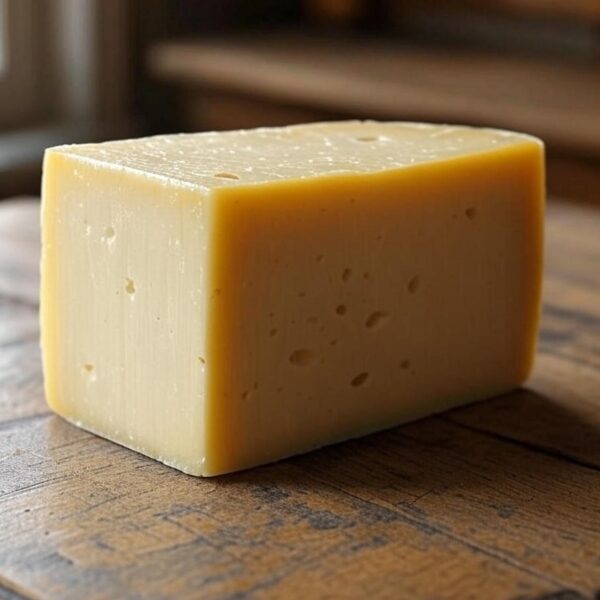
Monterey Jack Cheese
Monterey Jack cheese, which has a mild and buttery flavor with a bit of tang, melts well. Monterey Jack cheese is also perfect for burgers.
Monterey Jack can be sold rindless or coated in paraffin or wax, while mature versions (Dry Jack) are rubbed with oil, cocoa and pepper.
Made from pasteurized cow’s milk, it is mild in flavour and melts really well. It is similar in taste and texture to Colby and Cheddar.

Motorcycle Street Tires
Produced using advanced silica-infused rubber compounds and multi-layer carcass technology, these tires ensure exceptional traction, durability, and cornering precision. Available in various types such as sport, touring, and commuter models, each is optimized for specific riding styles—from agile city maneuvering to long-distance travel. The manufacturing process employs precision molding and heat-vulcanization techniques to guarantee balance, uniform wear, and consistent performance. Reinforced belts and optimized tread designs help reduce noise, improve fuel efficiency, and enhance comfort.

Mountain Bike Tires
Produced using advanced rubber compounds, reinforced sidewalls, and multi-layer carcass construction, these tires withstand punctures and high-impact shocks. Available in various types such as cross-country (XC) for lightweight speed, trail and enduro for all-around grip, and downhill (DH) for maximum traction under extreme conditions, each model is engineered for a specific riding style. The production process combines vulcanization technology with precision tread design to ensure consistent performance and long lifespan. With tubeless-ready and wire bead options, they adapt perfectly to modern wheel systems.
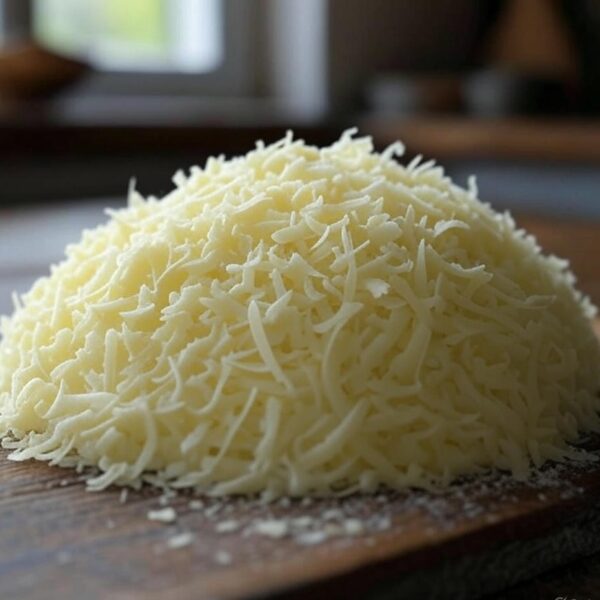
Mozzarella Cheese
Mozzarella Cheese is available in several major categories, including fresh Mozzarella, low-moisture Mozzarella, part-skim Mozzarella, whole-milk Mozzarella, buffalo Mozzarella, shredded Mozzarella, sliced Mozzarella, and diced or cubed Mozzarella. Fresh Mozzarella generally contains higher moisture and has a soft, elastic structure, making it suitable for Caprese salads, sandwiches, pasta dishes, gourmet pizzas, and fresh culinary applications. Low-moisture Mozzarella has a firmer texture and lower water content and is widely selected for pizza production, frozen pizza, bakery products, ready meals, foodservice, and industrial food processing. Whole-milk Mozzarella provides a richer flavor and creamier melting profile, while part-skim Mozzarella offers a lower-fat option with good melting and stretching characteristics. Shredded and grated Mozzarella are designed for efficient portioning, even distribution, and high-volume food production, while blocks and loaves are commonly preferred by manufacturers that require further cutting, shredding, or processing. Mozzarella Cheese is widely used in pizza, pasta, lasagna, sandwiches, burgers, baked dishes, casseroles, calzones, bakery products, ready-to-eat meals, frozen foods, and foodservice recipes. Its functionality is influenced by moisture, fat, protein, salt, acidity, age, and storage conditions, so buyers should select the appropriate grade according to the required melt, stretch, browning, slicing, shredding, and flavor profile.
Mozzarella Cheese can be packed in vacuum-sealed blocks, laminated or food-grade plastic bags, bulk cartons, retail-size packs, or foodservice packs, with common commercial formats including 200 g, 500 g, 1 kg, 2 kg, 5 kg, 10 kg, and larger bulk quantities depending on the supplier and market. Shredded Mozzarella is commonly packed in sealed bags to maintain product quality and facilitate direct use in industrial kitchens and food-processing lines. Block and loaf formats are suitable for manufacturers requiring longer handling flexibility and customized cutting or shredding. Packaging should protect the cheese from contamination, moisture loss, physical damage, and temperature fluctuations throughout storage and transportation. Mozzarella Cheese is normally supplied under refrigerated conditions, and frozen formats may also be available for specific industrial and foodservice applications. Important commercial specifications include milk source, cheese type, moisture content, fat content, protein level, salt content, texture, meltability, stretchability, flavor, piece or block size, packaging format, net weight, and shelf life. Buyers should choose a Mozzarella grade according to the final application because a cheese optimized for high-speed pizza production may have different moisture, fat, and melting characteristics from fresh Mozzarella intended for premium culinary use. Consistent quality, uniform shredding, reliable melting performance, and suitable packaging are key factors for professional buyers purchasing Mozzarella Cheese in wholesale and industrial quantities.

Mud-Terrain Car Tire
Mud-Terrain tires are generally identified by four rows or tread lugs compared to five rows on all-terrain tires. MT tire lugs are much larger and deeper, and arranged for the purpose of digging into loose earth and tossing it away. MUD Terrain tires are Off-Road Maximum Traction tire, a category often referred to as mud tires, designed for the drivers of Jeeps, pickup trucks, full-size SUVs and dedicated off-road vehicles who want a tire that incorporates a long heritage of championship-winning technology in a street tire. Designed to overcome any obstacle that may get in the way. Mud-terrain tires are a type of tire designed for off-road use, particularly in muddy or rocky terrain. They have large tread blocks with wide channels that push any rocks or chunks of mud out from under the tires, giving the driver the most traction possible. This mean M/T tires are able to handle steep trails and deep mud better compared to all-terrain and rugged-terrain tires. Additionally, they have a self-cleaning footprint, which is made possible with their high void ratio and wider lug spacing, making them excellent rough terrain tires.
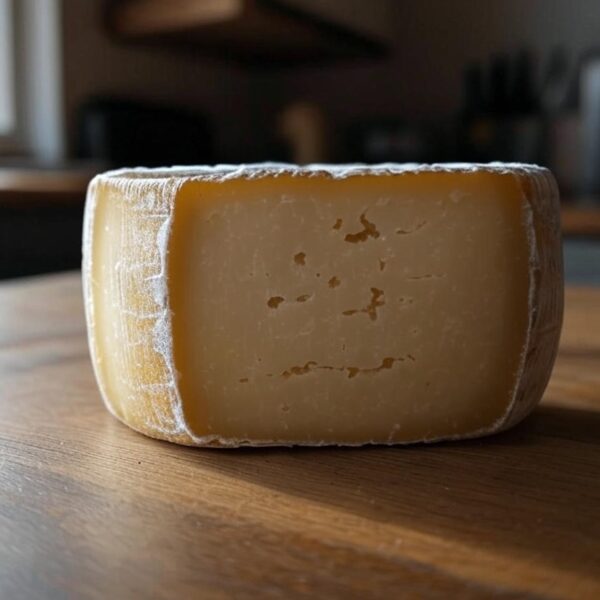
Muenster Cheese
Muenster cheese is a smooth, pale yellow cheese with an orange rind. Its taste can vary from mild and bland to sharp. Since it melts well, it can be used in sandwiches, on cheeseburgers and more.
- Made from unpasteurized cow’s milk
- Type: soft
Munster AOC, also known as Munster-géromé or Minschterkaas, is a soft cheese made using unpasteurized cow’s milk and Its name is derived from the Alsace town of Munster.
Munster presents a delightful combination of sweetness and savory notes with a prolonged spicy taste. Cheese Munster is known for its intense aroma and robust flavors. It has a creamy and smooth texture with a slightly gooey interior. The taste of Munster ranges from mild to assertive
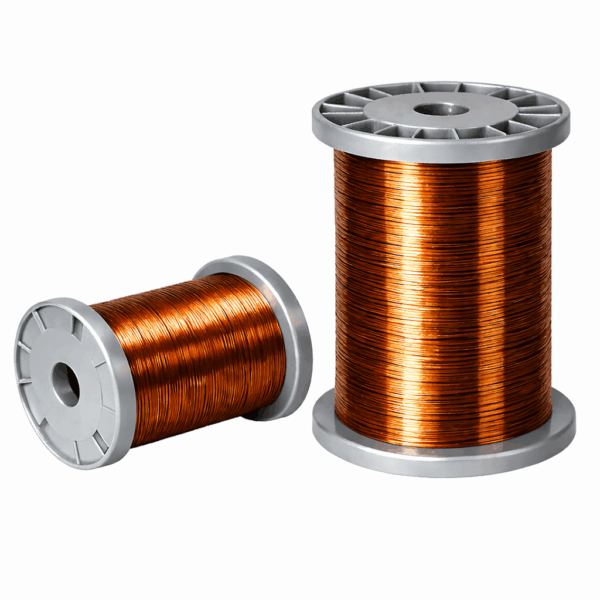
Multi-Coated Enameled Copper Wire
By combining multiple enamel layers, this wire delivers outstanding durability and consistent electrical performance in demanding environments. Manufactured from high-purity electrolytic copper and insulated with dual or multi-layer enamel systems such as polyester, polyesterimide, and polyamide-imide combinations, this wire offers excellent dielectric strength and insulation integrity. It is available in commercial grades in accordance with IEC, NEMA, JIS, and GB standards, ensuring global compatibility and consistent quality. Multi-coated enameled copper wire is supplied mainly in round conductors, with size ranges from ultra-fine diameters around 0.02 mm up to larger gauges suitable for heavy-duty windings. Depending on the insulation system, it is offered in temperature classes 155°C, 180°C, 200°C, and up to 220°C. Key technical features include high abrasion resistance, superior cut-through strength, improved chemical resistance, uniform enamel thickness, excellent flexibility, and stable performance in high-speed automated winding processes.
Multi-Coated Enameled Copper Wire is widely used in high-efficiency electric motors, transformers, generators, compressors, automotive and EV motors, traction motors, and industrial coils where enhanced insulation safety is critical. It is especially suitable for compact designs, high voltage stress, and long-duty cycles. With its proven reliability, advanced insulation structure, and adaptability to harsh operating conditions, this wire provides a dependable and long-lasting solution for modern electrical and industrial manufacturing worldwide.
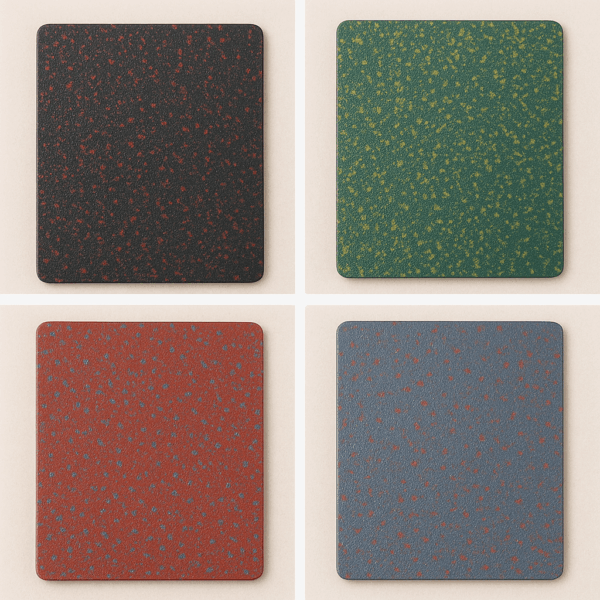
Multicolor Powder Coating
Multicolor Powder Coating technology delivers eye-catching visuals with excellent durability, making it ideal for furniture frames, lighting fixtures, metal art pieces, architectural elements, outdoor equipment, household appliances, shelving systems, children’s playground structures, and commercial decorative components. The multi-tone effect adds depth, texture, and vibrant character to metal surfaces while maintaining industrial-grade protection. It is formulated with high-quality polyester or hybrid resins, multi-pigment blends, metallic or pearlescent flakes (optional), flow modifiers, texture additives, UV absorbers, anti-yellowing stabilizers, and corrosion inhibitors, Multicolor Powder Coating provides long-term weather resistance and stable color performance. It produces distinctive speckled, mixed-shade, stone-effect, granite-effect, or confetti-style finishes without additional processing steps.
The production process includes precise formulation of multiple colored powder components, controlled premixing to maintain color separation, gentle extrusion to avoid pigment blending, cooling, micronized grinding, and sieving for uniform particle size. During application, the multicolor particles are electrostatically sprayed onto steel, aluminum, or cast-metal surfaces, creating a naturally randomized multi-tone pattern. Curing at 160–200°C forms a strong crosslinked film with excellent adhesion and mechanical properties. Key advantages include zero VOC emissions, excellent abrasion resistance, superior UV and corrosion protection, efficient coverage, and unique aesthetic possibilities. Multicolor Powder Coating is the ideal solution for manufacturers seeking visually distinctive finishes combined with high durability and environmental efficiency. The coating hides surface defects effectively and ensures uniform decorative appearance across large production volumes.
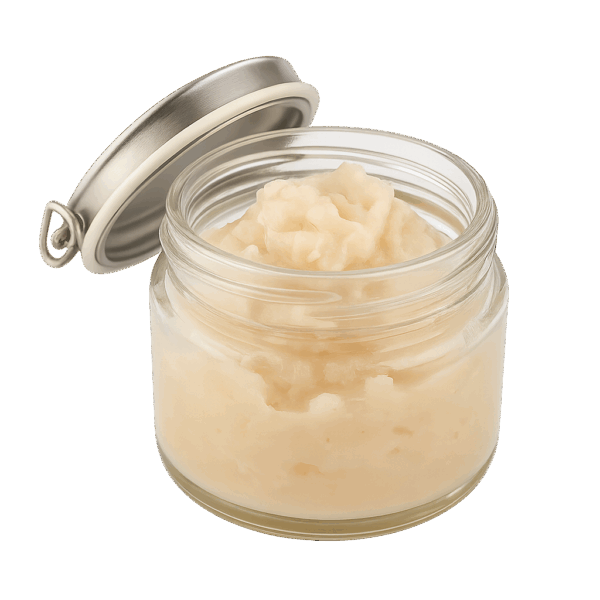
Mutton Tallow
Mutton Tallow can be supplied in different grades according to the source material, rendering method, refining level, and final application, with rendered mutton tallow commonly used as a cost-effective industrial raw material, refined mutton tallow preferred where improved purity and appearance are required, and deodorized or further processed grades suitable for applications where odor and color control are important. In the soap and detergent industry, mutton tallow is valued for its fatty-acid composition and can contribute to hardness, cleansing performance, foam characteristics, and product structure, while in candle manufacturing it can be used as a traditional animal-fat component or as a feedstock for further processing. The oleochemical industry can use mutton tallow as a source of fatty acids and glycerol through hydrolysis or related processing routes, making it suitable for producing fatty acids, glycerin, soaps, surfactants, and other chemical intermediates. Depending on regulatory requirements and the grade supplied, mutton tallow may also be used in selected cosmetic formulations, leather processing, industrial lubricants, polishes, and other technical applications. For food-related applications, only appropriately processed and legally approved food-grade material should be considered, with specifications and certification requirements established according to the destination market and end use.
One of the main advantages of mutton tallow is its natural origin combined with functional fatty-acid characteristics that can provide useful melting behavior, consistency, stability, and processing performance while offering manufacturers an alternative to certain vegetable or synthetic raw materials. Its relatively high solid-fat content can be advantageous in formulations that require firmness and structural stability, while its fatty-acid composition makes it a practical feedstock for downstream oleochemical processing.
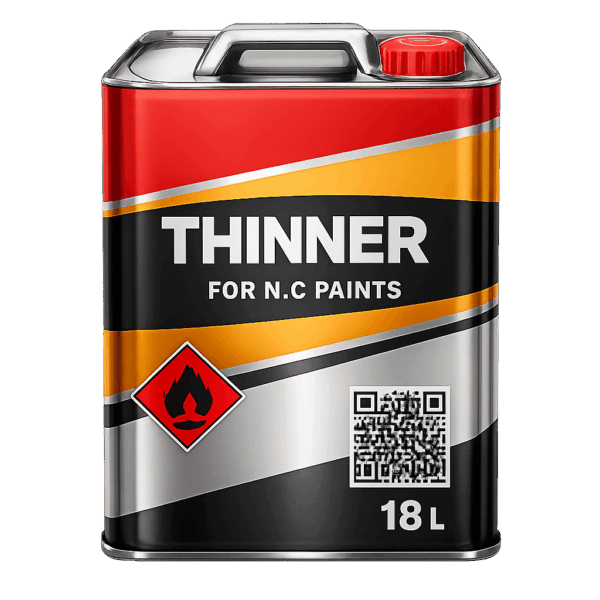
N.C Paint Thinner
Nitrocellulose paint thinner provides excellent solvency, allowing rapid and consistent dispersion of nitrocellulose resins. Its balanced evaporation rate ensures quick drying while reducing surface defects such as blushing, pinholes, and orange peel. The thinner improves spray atomization and promotes smooth film formation with high clarity. It enhances adhesion on wood, metal, MDF, and previously coated surfaces. Nitrocellulose paint thinner supports efficient application in high-speed production lines. It is compatible with a wide range of nitrocellulose primers, sealers, and top coats. The formulation helps achieve a high-gloss and uniform finish. It improves sanding properties between coats. Easy mixing ensures stable and predictable performance. The product supports consistent quality in mass production. It meets common industrial coating requirements. It is suitable for professional use.
Typical applications include thinning nitrocellulose lacquers used in furniture, cabinetry, musical instruments, and decorative wood finishes. Nitrocellulose paint thinner is widely applied in workshops, factories, and industrial finishing lines. It is suitable for spray application and cleaning of equipment. Proper use improves productivity and reduces coating defects. The product supports fast turnaround times in commercial projects. Available in various packaging sizes for industrial and export supply. Nitrocellulose paint thinner offers excellent performance and cost efficiency. It remains a trusted solution for high-quality nitrocellulose coating systems.