

 Arabic
shop
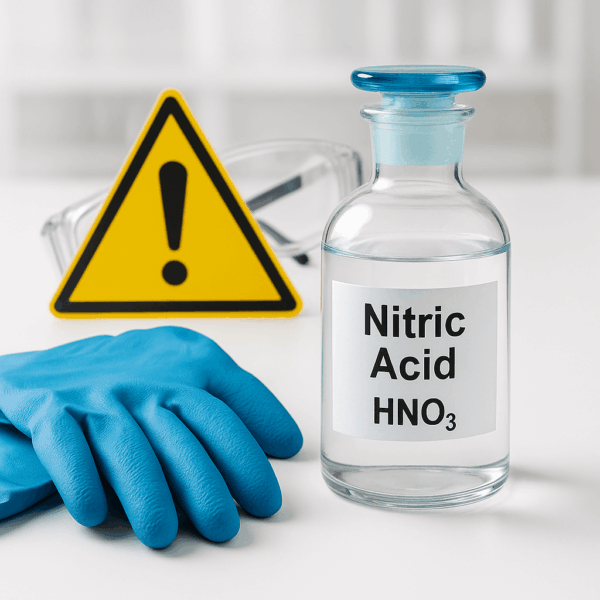
Nitric Acid
Industrial nitric acid is mainly produced through the Ostwald process, in which ammonia is catalytically oxidized with air at elevated temperature to produce nitric oxide, which is subsequently oxidized to nitrogen dioxide and absorbed in water to form nitric acid. The production process is carefully controlled to achieve the required concentration, purity, and consistency, while industrial-grade material is normally subjected to quality control and analytical testing before packaging and shipment. Depending on customer requirements and the intended end use, commercial nitric acid may be supplied as dilute nitric acid, concentrated nitric acid, or higher-purity grades for specialized chemical and technical applications. Dilute nitric acid is commonly used in fertilizer and chemical manufacturing, metal cleaning, pickling, and surface treatment, while concentrated nitric acid is widely used in nitration reactions, specialty chemical production, and applications requiring a stronger oxidizing medium. High-purity nitric acid can be used in analytical, laboratory, electronics, and other controlled industrial processes where low levels of impurities are important.
Nitric acid is particularly important in the manufacture of ammonium nitrate and other nitrate-based fertilizers, supporting large-scale agricultural and fertilizer industries. It is also used for metal pickling, cleaning, etching, surface treatment, and the preparation of metal nitrates, as well as in the production of dyes, pigments, pharmaceuticals, explosives, specialty chemicals, and intermediates. Depending on concentration and customer requirements, nitric acid can be supplied in compatible HDPE containers, drums, intermediate bulk containers (IBCs), or bulk tankers, with packaging selected according to transportation regulations, concentration, volume, and handling requirements. Key advantages of quality nitric acid include consistent concentration, high chemical reactivity, reliable oxidizing performance, broad industrial applicability, and suitability for continuous manufacturing processes.
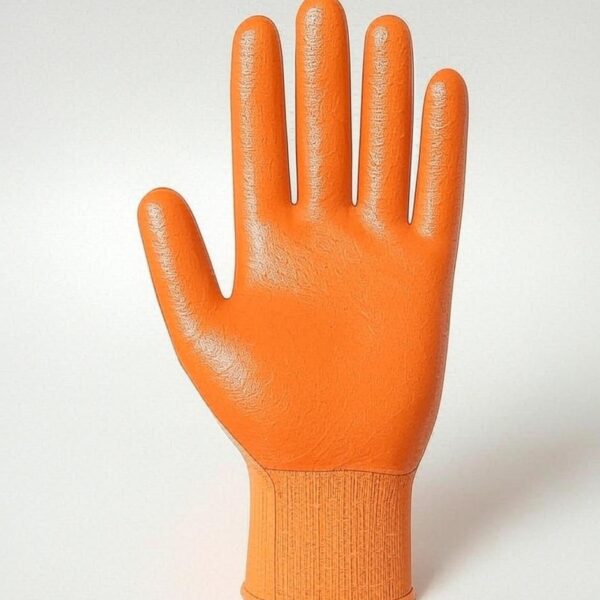
Nitrile Coated Glove
Fabric gloves coated with Nitrile are becoming popular due to their excellent properties.These gloves are known for their durability. Nitrile coating provides protection against abrasion, puncturing, snagging, and tearing. Additionally, nitrile is more durable than latex, which results in a longer-lasting glove that withstands harsh environments.
One of the main advantages of nitrile coated gloves is their flexibility. The seamless, machine-knit design provides form-fitting comfort, providing excellent dexterity, and reduced hand fatigue. Nitrile’s wet and dry dip technologies also enable sure-handed performance on various surfaces.

Nitrile Glove
Because Nitrile Gloves protect against biohazards, grease, oils and chemicals, many professionals in scientific and healthcare settings wear them. Also , inner layer made from nitrile rubber.
They’re used for everything from food preparation to gardening, and can withstand harsh environments and chemicals
Nitrile gloves are composed of three different parts: latex base, synthetic rubber layer so they have a very high level of resistance to chemicals, heat, and oil. This makes them ideal for the protection of the user’s hands and arms from exposure to harmful substances in industrial settings.
Many people suffer from latex allergies. Nitrile gloves are preferred because they are made of synthetic rubber. Nitrile Gloves are durable ,Chemical resistant , Hypoallergenic , Puncture Resistant , Non-toxic , Flexible and No Allergenic
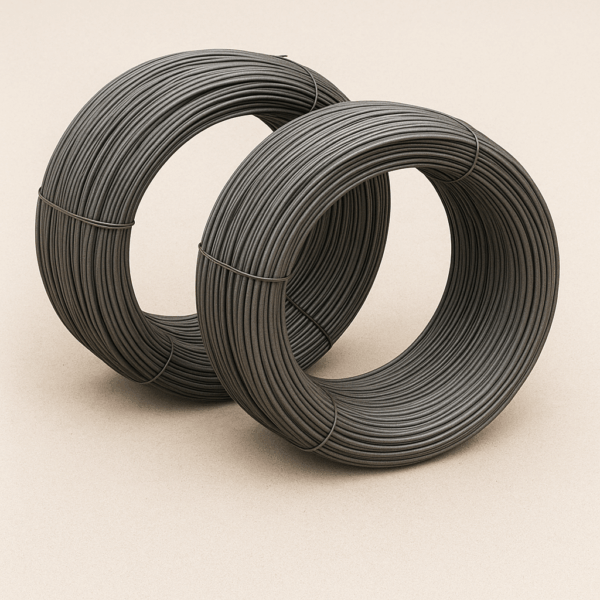
Non-Alloy Steel Wire
The production process of Non-Alloy Steel Wire begins with high-quality hot rolled steel wire rods, which are inspected before processing. The wire rods are cleaned through mechanical or chemical surface preparation, followed by cold drawing operations to reduce diameter and improve tensile strength and dimensional accuracy. Depending on the final application, additional processes such as annealing, galvanizing, coating, cutting, or surface finishing can be performed to improve ductility, corrosion resistance, and usability. Commercially available types include low carbon steel wire for construction and general fabrication, medium carbon steel wire for industrial components, galvanized non-alloy wire for outdoor applications, black annealed wire for binding purposes, and bright steel wire for precision manufacturing.
Non-Alloy Steel Wire is extensively used in construction, agriculture, automotive components, fencing, welding mesh, nail production, wire forming, packaging, reinforcement systems, and general industrial manufacturing. The product is available in various diameters, coil weights, surface finishes, and mechanical grades to meet different market needs. Its main advantages include excellent formability, easy processing, high production efficiency, competitive pricing, good weldability, and suitability for large-scale manufacturing. Irancorps supplies Non-Alloy Steel Wire with customized packaging options including coils, spools, bundles, and export-standard wrapped packages to ensure safe transportation and long-distance international delivery
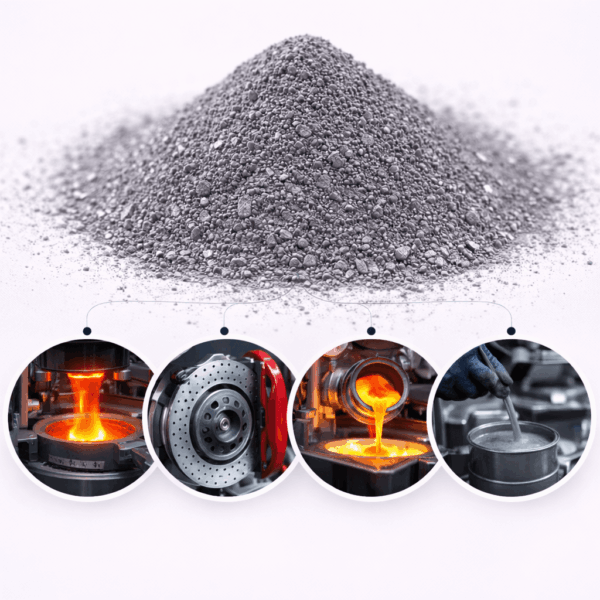
Non-Reduced Iron Powder
Non-Reduced Iron Powder is available in different grades and particle size ranges, including fine, medium, and coarse powders tailored to specific processing needs. It typically consists of iron (Fe) as the main component, with controlled levels of carbon, oxygen, and trace elements depending on the production method. Compared to reduced iron powders, non-reduced grades generally have lower porosity and higher apparent density, making them suitable for applications requiring dimensional stability and uniform compaction. Key applications include powder metallurgy parts, friction materials, magnetic components, foundry additives, diamond tools, welding electrodes, and industrial fillers. The powder is also used in brake pads, counterweights, shielding materials, and construction-related compounds. Important technical parameters include particle size distribution, apparent density, flow rate, compressibility, and chemical composition, all of which support predictable performance during pressing and sintering.
Non-Reduced Iron Powder is packed in 25 kg multiwall paper bags, PP woven bags with inner liners, big bags, or steel drums, depending on grade and customer requirements. Packaging is designed to protect the material from moisture, contamination, and segregation during transportation and storage. With its broad availability, stable quality, and economical advantages, Non-Reduced Iron Powder remains a reliable raw material for manufacturers seeking consistent iron performance across a wide range of industrial and metallurgical applications.
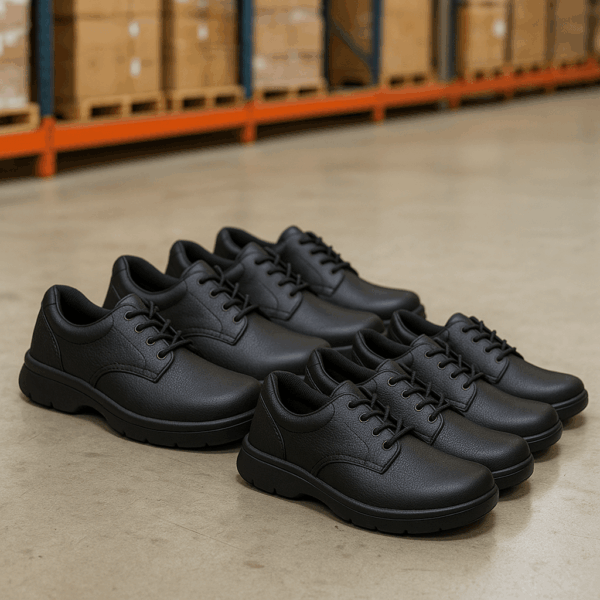
Non-Slip Work Shoes
Non-Slip work shoes feature specialized outsoles with slip-resistant properties, such as tread patterns and materials that increase grip on wet or oily surfaces. Non-slip shoes are essential for employees working in kitchens, hospitals, warehouses, and other high-risk areas where safety is paramount. By investing in non-slip shoes, businesses can prioritize employee safety and minimize workplace accidents.
Mostly materials such as rubber or synthetic compounds that offer flexibility and resistance to wear and tear are used . they are designed with Cushioned insoles and supportive features to provide comfort during long hours of standing or walking.
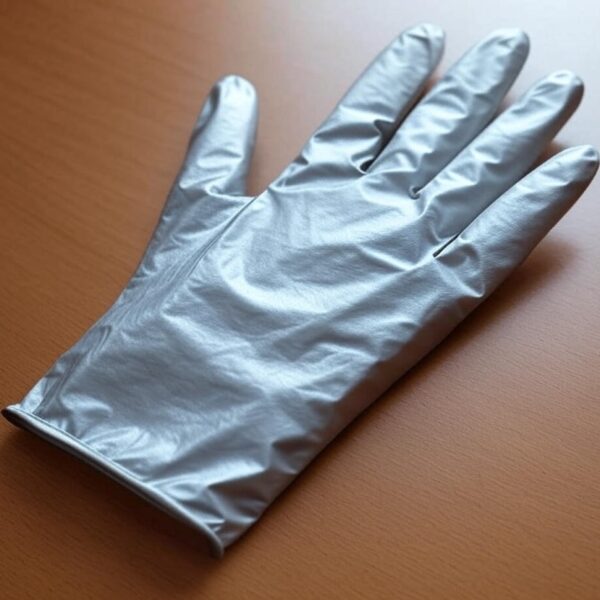
Norfoil Glove
Norfoil gloves are made for chemical resistance. They are designed to protect against permeation by a wide variety of harsh chemicals/solvents: acetone, benzene, methanol, MEK, strong acids like sulfuric acid (~93%), toluene, trichloroethylene, etc.
- They are lightweight and have good chemical barrier properties while being thin / flexible enough to avoid too much hand fatigue.
- They are latex-free and do not use chemical accelerators, which reduces risk of allergic reactions.
- Ambidextrous design: you don’t need a left and a right glove, so only one glove is needed if you just want basic protection, though in practice pair use is typical.
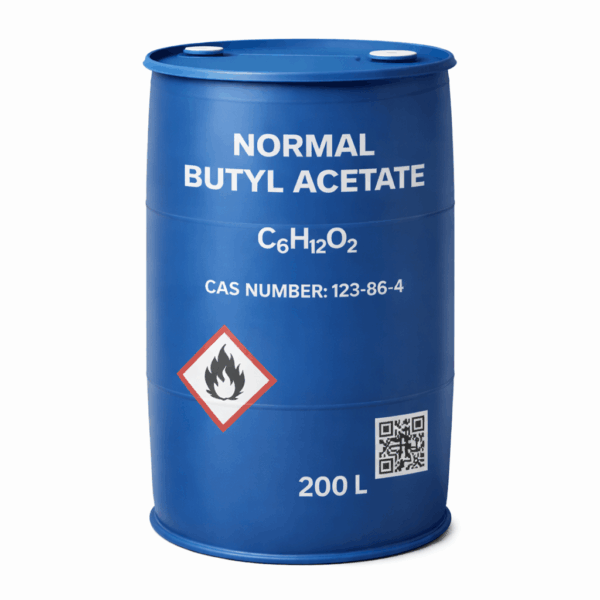
Normal Butyl Acetate
Normal Butyl Acetate is a standard solvent in the paint, coatings, resin, and chemical industries, where it is valued for improving flow, leveling, and film formation. This solvent shows outstanding compatibility with nitrocellulose, acrylic, polyurethane, vinyl, alkyd, and epoxy systems, making it a preferred choice for industrial and decorative coatings. Normal Butyl Acetate is extensively used in automotive paints, industrial top coats, primers, thinners, inks, adhesives, and printing formulations, contributing to smooth surface finish and uniform drying behavior. It is also applied in leather finishing, textile coatings, synthetic resins, and chemical processing.
Normal Butyl Acetate is manufactured under controlled conditions to ensure low moisture content, stable acidity, and high ester purity, meeting international quality standards. Commercially, it is available in industrial grade, coating grade, and high-purity grade, depending on the intended application. Thanks to its reliable performance, wide availability, and cost efficiency, Normal Butyl Acetate remains a key solvent for export markets, supporting manufacturers of paints, coatings, inks, adhesives, and chemical products worldwide. Export and bulk supply are offered in 200-liter steel drums, HDPE drums, IBC tanks, and ISO tanks, with customized packaging options for global trade.

Normal Shampoo
Shampoo was developed to replace soap for cleansing scalp and hair by removing unwanted sebum, dandruff, environmental dust, and residues of hair care products. Most of the dirt including sebum are water insoluble and cannot be effectively removed by water alone. Therefore, a shampoo containing a combination of surfactants is necessary. The content of surfactants in a shampoo is typically between 10% and 20% . Ideally, a good shampoo should produce a voluminous lather and effectively cleanse the hair and scalp and should be easily rinsed out with water, leaving the hair soft, lustrous, and moisturized. The product should not adversely affect the scalp and hands or cause irritation to the eyes, particularly when children and baby formulations are considered.
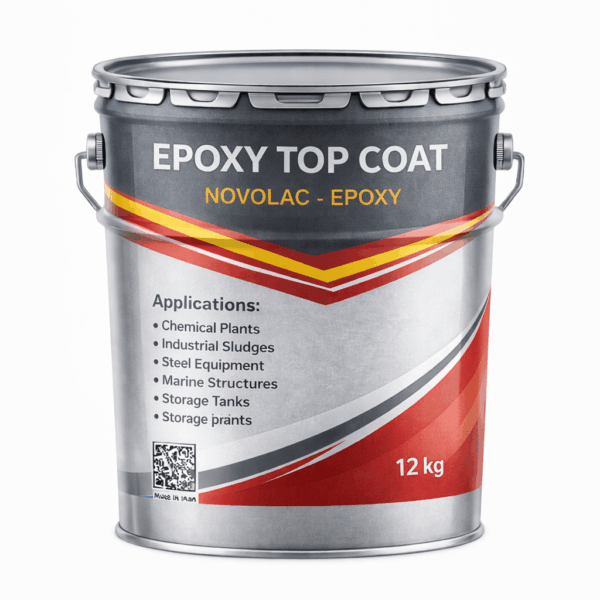
Novolac Epoxy Top Coat
Novolac Epoxy Top Coats are available in high-build, chemical-resistant, immersion-grade, and high-temperature-resistant formulations, depending on service conditions and specifications. Typical applications include chemical storage tanks, reactors, refinery units, petrochemical plants, offshore facilities, pipelines, secondary containment areas, and industrial floors exposed to acids and solvents. Key specifications include extremely high cross-link density, excellent adhesion to epoxy primers and interlayers, superior resistance to strong acids, alkalis, fuels, hydrocarbons, and solvents, and outstanding performance under continuous immersion. These coatings are commonly applied by airless spray, roller, or trowel, depending on thickness requirements.
Novolac Epoxy Top Coat paints are supplied as two-component systems (novolac epoxy base + curing agent) in standard industrial packaging such as 12 kg and 20–25 kg metal pails, as well as 200 kg drums and bulk containers for large-scale industrial projects. Export packaging is palletized, shrink-wrapped, and labeled according to international standards. Novolac Epoxy Top Coats are a premium solution for industries demanding maximum chemical resistance, long service life, and compliance with strict international coating specifications.
Nut Filled Biscuits
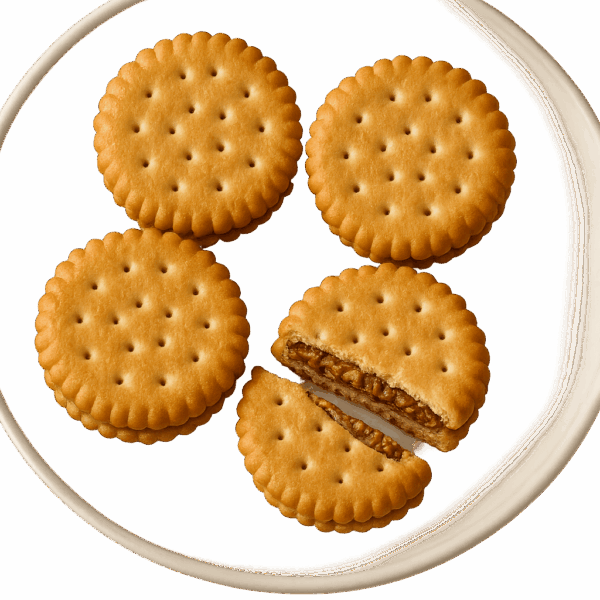
Nut Filled Biscuits are available in different commercial grades and varieties according to filling type, biscuit size, packaging format, and consumer preferences. Common varieties include Hazelnut Filled Biscuits with a smooth and aromatic hazelnut cream filling suitable for premium snack markets, Peanut Filled Biscuits offering a rich nutty taste and high consumer demand, Almond Filled Biscuits positioned as a premium healthy snack option, Mixed Nut Filled Biscuits combining different nut flavors for gourmet applications, and Chocolate Nut Filled Biscuits designed for confectionery and dessert markets. These biscuits are available in different sizes such as mini packs (20–50 g), individual consumer packs (60–150 g), family packs (200–500 g), and wholesale cartons (5–15 kg). They can be supplied in pillow packs, flow packs, plastic trays, boxes, and customized export packaging according to buyer requirements.
Nut Filled Biscuits provide several advantages including excellent taste, attractive appearance, convenient consumption, long shelf life, and suitability for international food markets. Their balanced formulation provides a crispy texture, stable filling consistency, and resistance to transportation conditions when properly packed. These biscuits are suitable for applications as everyday snacks, school snacks, office refreshments, travel food, hospitality services, gift packs, and private label food products. Manufacturers can produce customized formulations with different nut fillings, sweetness levels, biscuit shapes, and packaging designs to meet the requirements of global importers and distributors. High-quality Nut Filled Biscuits with reliable production standards are suitable for export to regional and international markets through professional food suppliers.
Nuts For Bolting
Available Types of Nuts
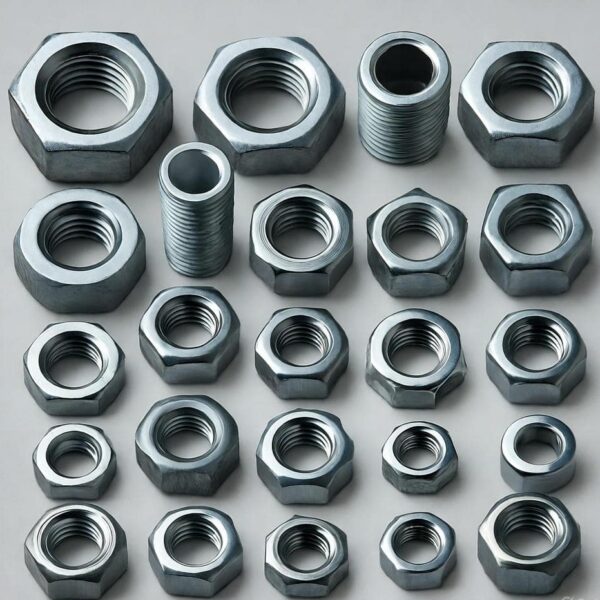
- Coupling nuts, commonly referred to as extension nuts, are threaded fasteners used to connect two threaded rods.
- Flange nuts, in a flange nut the smooth bearing surface of the flange acts like a built-in washer, distributing the clamp load wider away from the nut.
- Hex nuts, with internal threading are frequently used with machine-threaded bolts and screws.
- Lock nuts have a built-in mechanism inside the nuts to prevent itself from loosening from vibrations.
-
Slotted nuts have grooved heads that fit into holes in the bolt when they are joined, allowing for the cotter pin to be inserted and holding the nut in place.