

 Arabic
shop
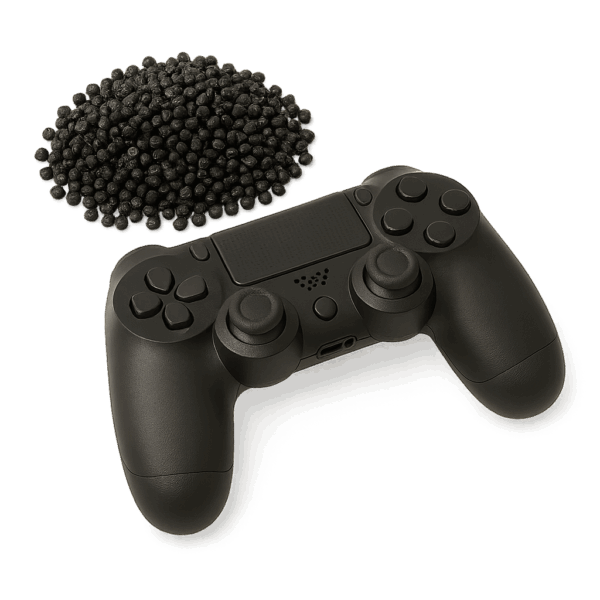
Black Masterbatch
Black masterbatch is incredibly versatile and can be used with various types of resins, including polyethylene (PE), polypropylene (PP), polystyrene (PS), and It allows manufacturers to achieve the desired colour intensity and consistency with minimal amounts, reducing overall production costs. Black Masterbatch is extensively used in the packaging industry for producing films, bags, and containers. In the automotive industry, black masterbatch is used to produce various components such as bumpers, dashboards, and interior trims. Its high dispersion quality ensures a smooth and consistent finish, enhancing the aesthetic appeal of vehicles. Black masterbatch is used in the production of construction materials such as pipes, cables, and insulation panels. From household appliances to electronic devices, black masterbatch is used to manufacture a wide range of consumer goods and finally in agriculture, black masterbatch is used in the production of irrigation pipes, greenhouse films, and mulching films.
Produced black masterbatches can be food contact acceptable grades , V blocking grades , High tint strength & superior gloss finish grades and also Economy grades for imparting coloration , Engineering resin grades including GF , ROHS reliant grades .
Masterbatches of such type can be used in :
- Blow Molding
- Blown Film process
- Thermoforming
- Injection Extrusion Molding
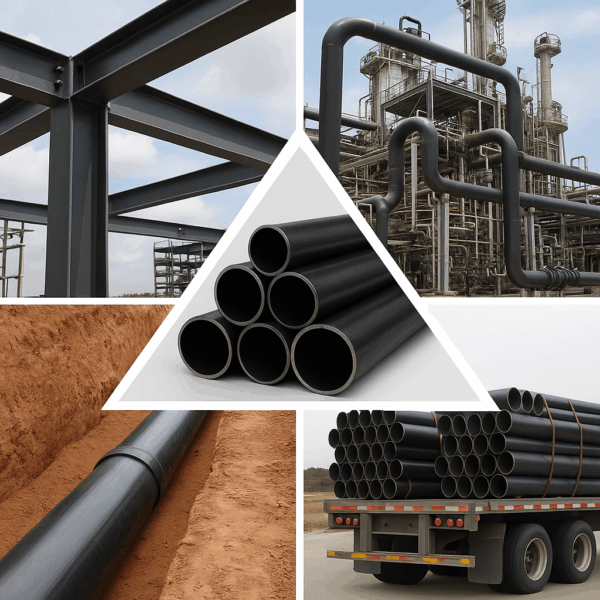
Black Steel Pipe
Black steel pipe, also known as black iron pipe, is a type of steel pipe that has not been galvanized or coated with zinc. This lack of coating not only keeps costs lower but also allows these pipes to handle high pressures, making them ideal for distributing natural gas and heating systems. In industrial applications, black steel pipes provide robust solutions for firefighting systems. These systems require resilience against high-pressure water flow and potential temperature fluctuations, roles that black pipes perform exceptionally well due to their simple yet strong design. Black steel pipe sizes are typically defined by a nominal diameter (also known as NPS or NB) and a schedule (SCH), which indicates the wall thickness. Common sizes range from 1/2 inch to 12 inches, but larger and smaller sizes are also available. Schedules like SCH 40 and SCH 80 are common, with higher schedule numbers indicating thicker walls.
Common Uses:
- Gas and water distribution: Black steel pipe is a popular choice for carrying natural gas and water to residential and commercial buildings.
- Fire sprinkler systems: Its heat resistance makes it suitable for fire sprinkler systems.
- Structural applications: Black steel pipe can be used in construction for supports, framing, and other structural elements.
- Oil and gas industry: It’s used for transporting oil and gas, especially in rural areas.

Black Tea
Iranian Black Tea offers excellent sensory characteristics, including a rich reddish-brown infusion, balanced flavor, natural fragrance, and low bitterness when properly brewed. The product is available in different commercial types such as Orthodox Black Tea, CTC Black Tea, Broken Orange Pekoe (BOP), Orange Pekoe (OP), Pekoe (P), and premium hand-picked tea varieties. These grades are selected based on leaf size, processing method, aroma profile, and customer requirements. Iranian Black Tea is supplied in various packaging options including bulk packaging, vacuum bags, carton boxes, tea bags, private label packaging, and OEM packing solutions for international buyers.
Iranian Black Tea is widely used in beverage industries, tea blending companies, hotels, restaurants, cafes, retail markets, and food service businesses. Due to its natural taste, quality consistency, and competitive export potential, Iranian Black Tea is considered a valuable product for global tea traders and importers. It can be supplied according to international trade standards with customized specifications, packaging, and documentation requirements. Buyers looking for authentic Persian tea can source different grades of Iranian Black Tea for wholesale distribution, private brands, and industrial applications.
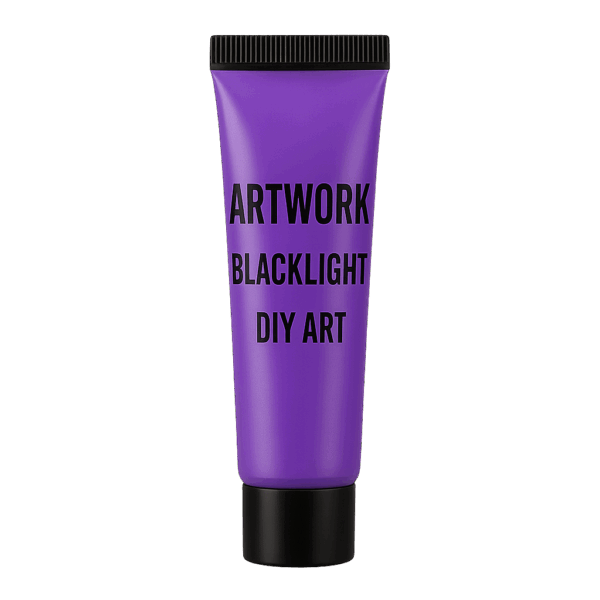
Blacklight Art Paint
The pigments used in a paint can be derived from natural sources, such as minerals and plants, or they can be synthesized chemically in a laboratory. The binder holds the pigments together to help the paint adhere to the painted surface. Other ingredients, such as solvents that adjust the paint’s consistency or additives that improve its performance or durability, may also be added to the mixture. Blacklight Art paint is a type of paint that glows under black light, making it a popular choice for light art installations, murals, and other works that are intended to be viewed in low-light conditions. It is available in various colors, from neon hues to more muted shades, allowing artists to create a wide range of effects.
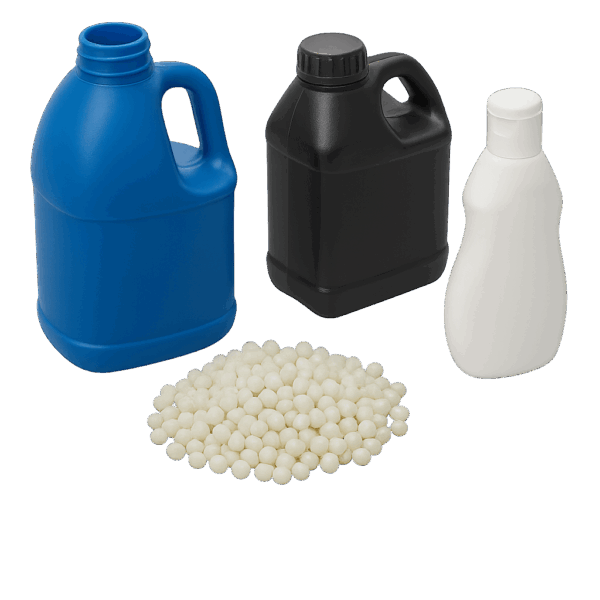
Blow Molding PE Compound
Blow molding PE compounds offer significant mechanical advantages including high impact strength, excellent stress-crack resistance (ESCR), superior environmental durability, and excellent chemical resistance to detergents, oils, fuels, acids, and alkalis. Their balanced stiffness-to-flexibility ratio ensures reliable performance for both rigid and semi-flexible packaging applications. These compounds also deliver excellent gloss, smooth surface finish, strong colorability, and UV stability for outdoor or long-shelf-life products. Meanwhile enhanced rheology of these PE Compound provides outstanding bubble stability, reduced die-swell variations, and reliable performance during long production cycles.
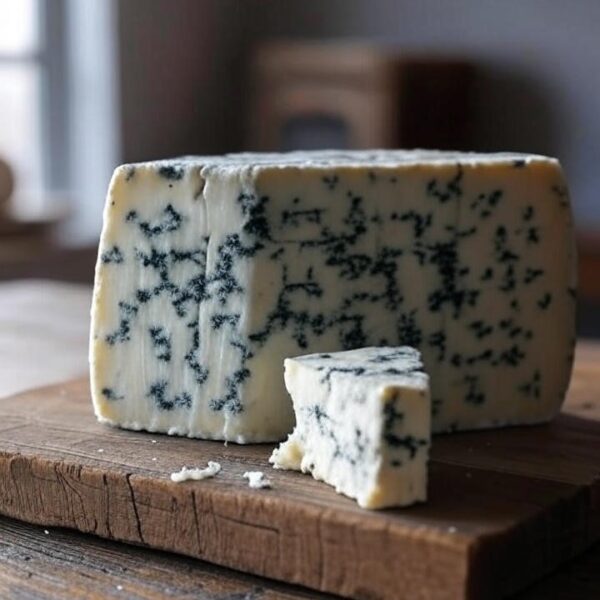
Blue Cheese
Blue Cheese is a general name for cheeses that were made with penicillium cultures, which creates “blue” spots or veins. blue cheese has a distinct smell and, what some consider, an acquired taste. blue cheeses can be eaten crumbed or melted.
blue cheeses vary in flavor from mild to strong and from slightly sweet to salty or sharp; in colour from pale to dark; and in consistency from liquid to hard. they may have a distinctive smell, either from the mold or from various specially cultivated bacteria such as brevibacterium linens.
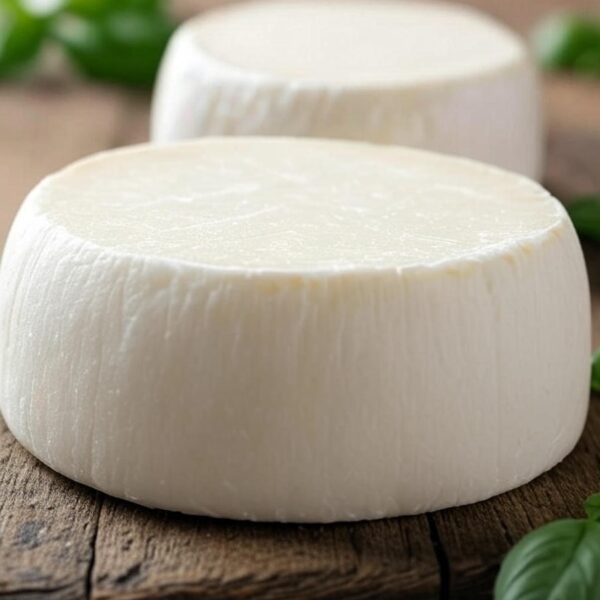
Bocconcini Cheese
Meaning “little bites,” bocconcini are egg-sized balls of mozzarella cheese. the cheese is white, rindless, unripened, and elastic in texture with a sweet, buttery taste. bocconcini can be enjoyed as they are or melted. it is white ,soft, creamy, smooth and this high-moisture version of mozzarella, typically made from whole milk, has a fresh milk flavor and is sold packed in water. often used in salads or marinated for an appetizer. small balls are called bocconcini.
Bocconcini Cheese is an adaptable cheese that can be used in a multitude of ways in the kitchen. its mild flavor and creamy texture make it an excellent addition to salads, sandwiches, and antipasto platters. it also finds use in a variety of recipes, such as bocconcini-stuffed chicken breast, bocconcini and tomato pasta, or bocconcini and prosciutto skewers, to name a few.

Body Art Paint
The pigments used in a paint can be derived from natural sources, such as minerals and plants, or they can be synthesized chemically in a laboratory. The binder holds the pigments together to help the paint adhere to the painted surface. Other ingredients, such as solvents that adjust the paint’s consistency or additives that improve its performance or durability, may also be added to the mixture. Body paint is a thick, opaque paint with a heavy pigment load. It is often used for texture and impasto effects in painting techniques, as well as for body painting style, costume design, and special effects makeup. Body paint is available in various colors and can be used with other materials, such as glitter or rhinestones, to create more complex effects.

Body Shower
Body jets are usually mounted on the wall , They can be adjusted to change the direction and pressure of the water and They are designed to spray more horizontally than a traditional showerhead. Body showers can help relax muscles and improve circulation and provide a more thorough, massaging shower . these showers can target achy muscles and give a spa-like showering experience.

Bone China Dinnerware
A complete set of dinnerware typically includes dinner plates, salad plates (or side plates), soup bowls, dessert plates, cups, saucers, and may also include additional serving pieces like platters, serving bowls, and sometimes bread and butter plates depending on the set’s size and style. Bone china is a subset of porcelain, made with some portion of calcified bone ash. The molded dish is then, generally, fired twice—the first time between 1200℃ and 1300℃, and the second time between 1050℃ and 1100℃. This produces an extremely vitrified product that’s more translucent than porcelain and very durable. Bone china is incredibly heat resistant and effective at keeping food warm. Because of its heavy vitrification, it’s considered to be very hygienic since its low porosity will prevent it from absorbing liquids or odors. Like porcelain, bone china is also an aesthetically refined type of dishware and Dinnerware sets have a remarkable ability to lend an air of completeness to whatever event, meal, party, or occasion you’re hosting.
Bone china dinnerware, known for its durability, translucence, and elegant appearance, is a popular choice for everyday and special occasions, offering a luxurious dining experience. The unique composition of bone china allows it to be translucent, meaning light can pass through it, giving it a delicate and elegant appearance and it is known for its crisp white color and refined look, adding a touch of sophistication to any dining experience. Bone china tableware is generally oven, microwave, and dishwasher safe, making it a practical and convenient choice for everyday use and easy to clean, as it is non-porous and resistant to staining.
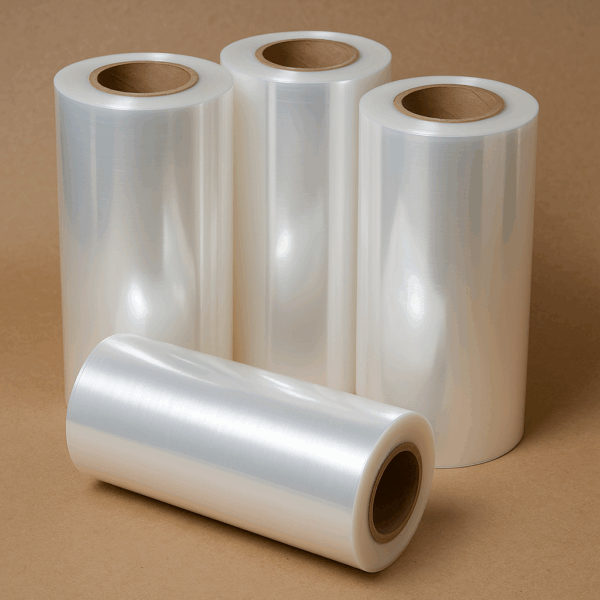
BOPP Film
BOPP Film offers outstanding features such as high tensile strength, excellent optical appearance, good stiffness, low moisture permeability, chemical resistance, and superior surface performance for printing and coating applications. It can be customized with different surface treatments including corona treatment to enhance ink adhesion and coating performance. Due to its versatility, BOPP Film is widely used in food packaging, snack packaging, confectionery wrappers, cigarette packaging, labels, tapes, lamination films, stationery products, and industrial packaging applications. The material is available in different thicknesses, widths, finishes, and functional properties according to customer requirements.
Commercially available BOPP Film grades include plain transparent film, heat sealable BOPP Film, metallized BOPP Film for barrier packaging, pearlized BOPP Film for decorative applications, and high-barrier BOPP Film for sensitive products. This film provides manufacturers with an economical and sustainable packaging solution because of its recyclability, low weight, and efficient material usage. BOPP Film is supplied in jumbo rolls with customized specifications for converters, packaging manufacturers, printing companies, and industrial users worldwide. Reliable sourcing of high-quality BOPP Film from experienced suppliers ensures consistent performance, stable supply, and compliance with international packaging standards.

BOPP Tape
Its cost-effectiveness and consistent performance make it a preferred choice for high-volume packaging operations worldwide. BOPP Tapes are available in multiple types such as acrylic-based, hot melt, and solvent-based adhesive BOPP tapes, this product meets diverse application needs from light-duty carton sealing to heavy-duty industrial packaging. Common applications include box sealing, palletizing, strapping replacement, labeling support, and general-purpose wrapping. BOPP tape is manufactured from premium polypropylene film coated with pressure-sensitive adhesive systems that provide strong initial tack, aging resistance, and noise-controlled unwinding. Technical options include transparent, brown, white, colored, printed, low-noise, and high-tack variants, with thicknesses typically ranging from 40 to 65 microns. It offers excellent resistance to moisture, abrasion, UV exposure, and temperature variations, ensuring durability in storage and transit.