

 Arabic
shop
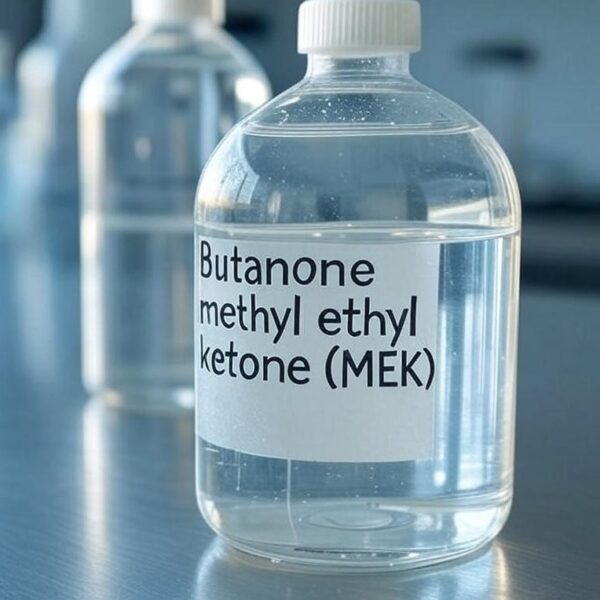
Butanone
Butanone provides outstanding dissolving power for synthetic resins, cellulose derivatives, acrylic polymers, polyurethane systems, and rubber materials. Its balanced evaporation rate makes it suitable for controlling drying speed in paints, varnishes, printing inks, and adhesive formulations. MEK is also used as a cleaning agent for removing oils, grease, waxes, and contaminants from metal and plastic surfaces before industrial processing. Commercially available grades include Industrial Grade Butanone, High Purity MEK, Solvent Grade MEK, and customized specifications based on customer requirements and application standards.
Due to its versatile chemical properties, Butanone is widely consumed in automotive coatings, construction chemicals, packaging materials, leather processing, pharmaceutical intermediates, electronics manufacturing, and polymer production. The material is supplied globally in different packaging options including drums, IBC tanks, and bulk shipments. Reliable Butanone suppliers provide products with controlled purity, stable quality, and compliance with international chemical handling standards. Selecting a professional supplier ensures consistent supply, competitive pricing, and technical support for industrial buyers worldwide.

Butyl Alcohol
The largest use of 1-butanol is as an industrial intermediate, particularly for the manufacture of butyl acetate (itself an artificial flavorant and industrial solvent). It is a petrochemical derived from propylene.
Constituting 85% of its use, 1-butanol is mainly used in the production of varnishes. It is a popular solvent, e.g. for nitrocellulose. N-butanol is used as a solvent for paints, coatings, varnishes, fats, oils, waxes, rubber, and plasticizers. A variety of butanol derivatives are used as solvents, e.g. butoxyethanol or butyl acetate. Many plasticizers are based on butyl esters, e.g., dibutyl phthalate. The monomer butyl acrylate is used to produce polymers. It is the precursor to n-butylamines , its also used in detergents.
Other uses include coating fabric in the textiles industry, as a cleaning or polishing agent, gasoline, brake fluid and in consumer products such as make-up, nail products, hygiene products and shaving products in the cosmetic industry. The chemical is present in several foods and beverages as an artificial flavouring. It is also used in food preparation such as during the manufacture of hop extract for beermaking.
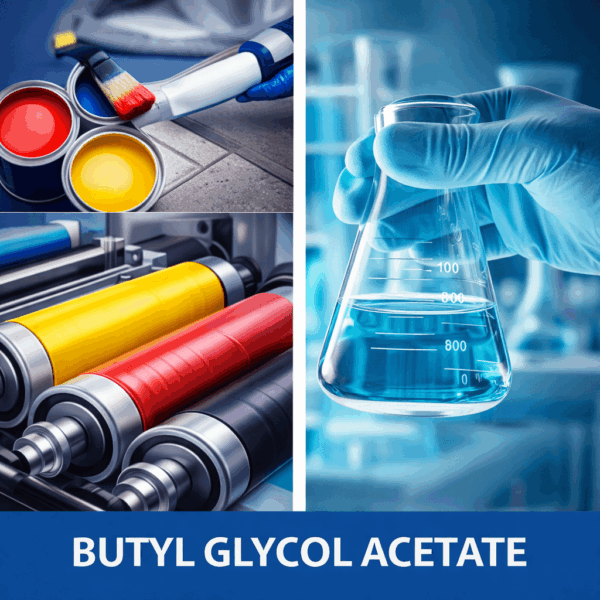
Butyl Glycol Acetate
Butyl Glycol Acetate is particularly effective in dissolving acrylic, polyurethane, epoxy, alkyd, and nitrocellulose resins, ensuring smooth film formation and excellent flow properties. Its technical advantage lies in its balanced evaporation profile, which helps prevent surface defects such as blushing, pinholes, and brush marks in coatings. In industrial paints and automotive refinish systems, it enhances gloss, leveling, and application consistency. Butyl Glycol Acetate is also widely used in printing inks and flexographic formulations, where it improves pigment wetting and drying control.
From a formulation standpoint, it offers good compatibility with alcohols, ketones, esters, and aromatic hydrocarbons, allowing flexible blending. The solvent is commonly used in high-solids and low-VOC coating systems due to its efficiency at lower dosage levels. Industrial grades are supplied with controlled purity and moisture content to meet demanding production standards. Commercially, Butyl Glycol Acetate is available in steel drums, IBCs, and bulk supply for large-scale industrial and export applications, making it a reliable and cost-effective solvent choice for modern coating and chemical industries.

Butyl Rubber Glove
It remains functional in extreme temperatures from -50 to 250 degrees Fahrenheit. Butyl Rubber gloves are utilized mostly in settings where workers will be in extended contact with a chemical substance. These gloves protect against many chemicals .
Applications
- Laboratories: Used to handle strong acids, bases, and organic solvents.
- Industrial settings: Used in the manufacturing of pesticides and chemicals.
- Emergency response: Used to respond to chemical accident sites and hazardous material spills.
- Military: Used to protect against chemical and biological warfare agents

C-PVC Pipe & Fittings
However, with its higher chlorine content than regular PVC-U, pipes and fittings made of C-PVC can withstand a wider range of temperatures. This has made C-PVC a popular choice for water piping systems in residential as well as commercial construction. C-PVC is also significantly more ductile than PVC-U. Pipes and fittings made of C-PVC are 100% recyclable. C-PVC Pipes exhibits an excellent corrosion resistant property , they can resist to most acids, bases, salts, aliphatic solutions, oxidants, and halogens.
The chlorination process of this type of polymer pipe differentiates because it is capable of withstanding a broader range of temperatures than other PVC. CPVC is a thermoplastic material produced by chlorinating PVC, making it more flexible and resistant to higher temperatures than standard PVC
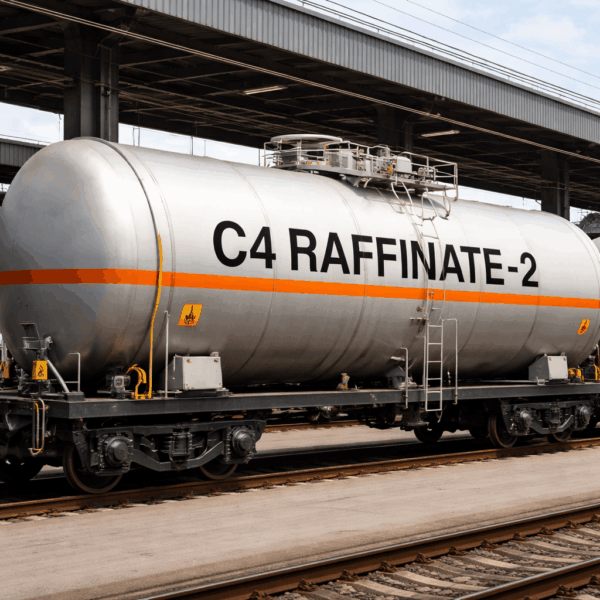
C4 Raffinate-2
C4 Raffinate-2 is an important raw material in the global petrochemical market because of its excellent chemical reactivity, consistent composition, and compatibility with various industrial processes. The alkylation grade is mainly applied in refineries for producing alkylate gasoline with superior octane performance, while chemical grade C4 Raffinate-2 is used in the production of methyl ethyl ketone (MEK), butyl alcohols, butyl rubber, and other oxygenated chemicals through further processing. Depending on customer requirements, this product can be supplied in different specifications based on butene concentration, sulfur content, moisture level, and non-C4 hydrocarbon content. The main commercial advantages of C4 Raffinate-2 include high availability from petrochemical complexes, excellent processing efficiency, stable quality, cost-effectiveness compared with pure hydrocarbons, and suitability as a versatile feedstock for multiple downstream industries.
Export-quality C4 Raffinate-2 is supplied according to international petrochemical standards with strict control of chemical composition and physical properties. It is commonly delivered as a liquefied hydrocarbon product in pressurized vessels, ISO tanks, or specialized bulk transportation systems. Manufacturers can provide customized grades according to the requirements of polymer producers, refineries, and chemical manufacturers worldwide. Due to its strategic importance in producing fuels, polymers, elastomers, and specialty chemicals, C4 Raffinate-2 remains one of the essential petrochemical feedstocks for international wholesale export markets. Reliable supply, competitive pricing, and flexible specifications make this product an attractive choice for companies seeking high-quality C4 hydrocarbon raw materials.
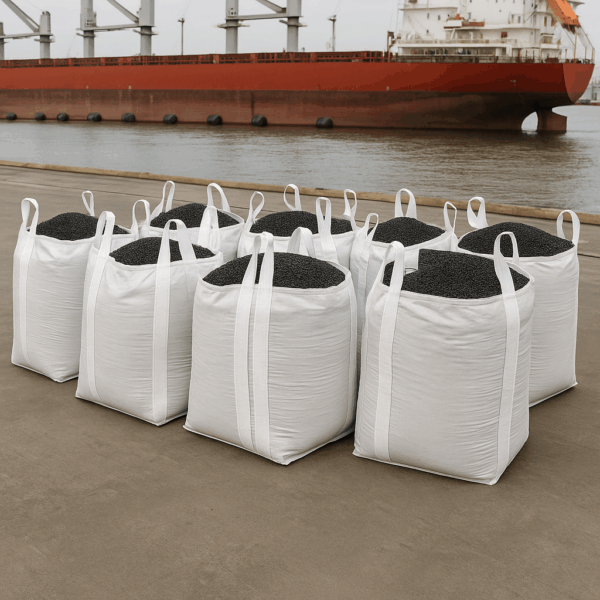
Cable Grade Polyethylene Compound
We offer a complete range of cable-grade PE compounds including LDPE insulation compounds, MDPE and HDPE jacketing compounds, XLPE (cross-linkable polyethylene) for MV/HV cables, semi-conductive PE compounds for screening layers, UV-stabilized outdoor sheathing grades, and flame-retardant cable compounds. Each type is designed for specific applications such as power transmission cables, control cables, solar cables, telecom/data cables, aerial bundled conductors, and underground distribution networks. These materials provide controlled melt flow, excellent surface finish, smooth extrusion behavior, and consistent insulation performance under varying electrical loads and environmental conditions.
Production is carried out on high-precision twin-screw compounding lines using virgin PE resins, antioxidants, carbon black, UV stabilizers, metal deactivators, flame retardants, and crosslinking agents depending on the grade. A rigorous filtration and pelletizing process ensures uniform granule size, low contamination, and high purity suitable for sensitive electrical applications. Key advantages of our compounds include long service life, high chemical resistance, excellent weatherability, stable extrusion performance, flexibility in compounding, and full compatibility with international standards.
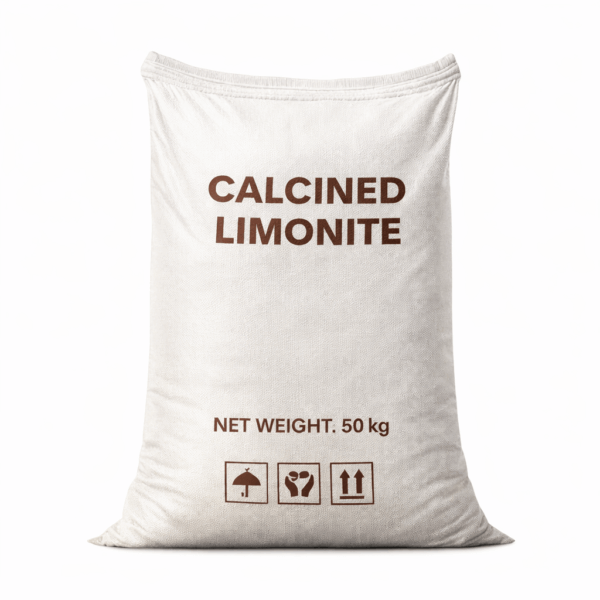
Calcined (Burnt) Limonite
. In the paint and coating industry, calcined limonite powder is widely used as a functional filler and natural iron-oxide pigment. Its red-brown to dark brown color tone, excellent heat resistance, and weather stability make it suitable for industrial paints, primers, anticorrosive coatings, and decorative finishes. The powder disperses well in both solvent-based and water-based systems, contributing to color uniformity, opacity, and long-term durability while helping formulators optimize production costs. Calcined limonite powder is also extensively applied in construction materials, including cement, concrete products, tiles, bricks, and mortars, where it provides stable coloration, bulk density control, and improved thermal performance. In rubber and plastics compounds, it functions as an inert mineral filler that enhances dimensional stability, hardness, and abrasion resistance.
Additional uses include foundry mixes, refractory products, ceramics, and metallurgical blends, benefiting from the material’s thermal stability and low moisture content. Commercial calcined limonite is commonly available in 200 mesh, 325 mesh, and micronized grades, tailored to different industrial requirements. Valued for its natural origin, consistent quality, heat stability, and competitive pricing, calcined limonite powder is supplied in export-ready packaging such as 25 kg and 50 kg PP bags or bulk options, making it an ideal solution for global industrial manufacturers seeking reliable, cost-effective mineral fillers and pigments.
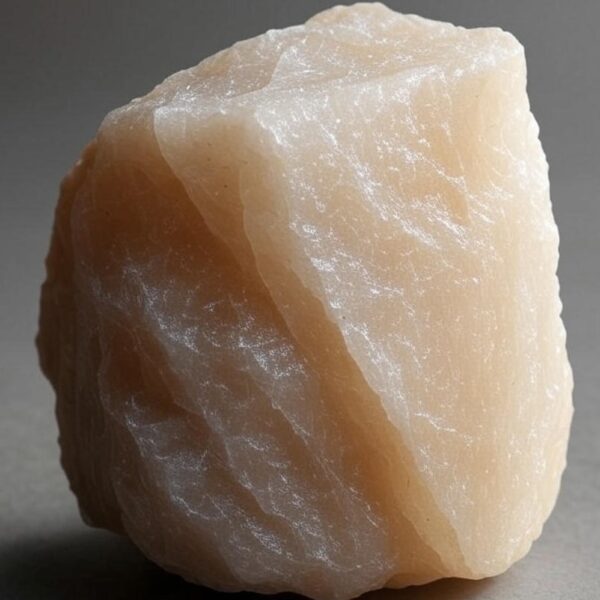
Calcite
Commercial Calcite is produced through advanced grinding, classification, and processing technologies to achieve specific particle sizes ranging from coarse granules to ultra-fine powder. Depending on the application requirements, Calcite can be supplied in different forms including industrial grade, pharmaceutical grade, food grade, and high whiteness grades. The mineral offers excellent reinforcement properties, improves dimensional stability, reduces production costs, and enhances surface quality in finished products. Calcite powder is commonly available in bulk bags, paper bags, and customized packaging according to customer requirements.
Calcite has extensive applications in plastics, paints, coatings, adhesives, construction materials, rubber, paper manufacturing, agriculture, and chemical industries. In the plastic industry, it is used as a functional filler in PVC pipes, profiles, cables, films, and injection molding products. In paints and coatings, Calcite improves opacity, brightness, durability, and rheological properties. Construction industries use Calcite in cement, concrete, putty, and building materials, while high-purity grades are used in pharmaceutical, food, and environmental applications. Reliable suppliers can provide different Calcite grades based on purity, particle size, whiteness, and end-use requirements for international B2B markets.
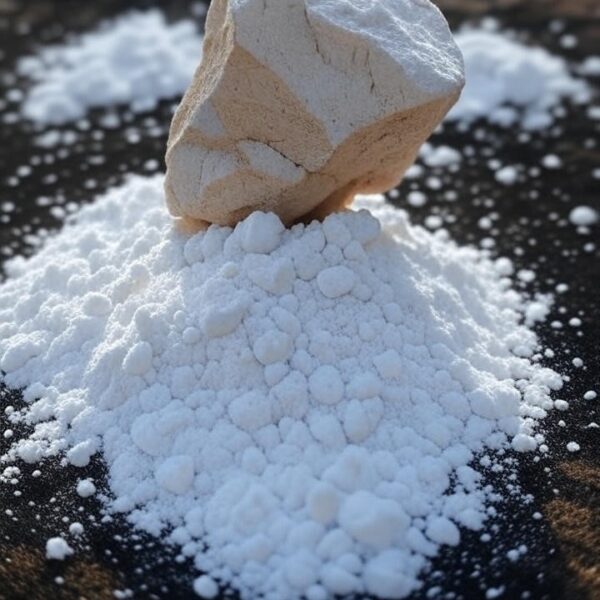
Calcium Carbonate
calcium carbonate is a valuable agent in treating osteoporosis, hypothyroidism, rheumatoid arthritis, and many other conditions or disorders that lower serum calcium levels. As an antacid, calcium carbonate also increases gastrointestinal motility and initiates peristalsis. The high whiteness and opacity of carbonates lend themselves to a great many applications. In paints and coatings, Imerys calcium carbonates are cost-effective multifunctional fillers that improve whiteness, opacity and matting. In plastics, engineered calcium carbonates improve the quality of breathable films for diapers, hygiene, medical and roofing applications. They are excellent reinforcement agents maximizing mechanical properties in PVC building profiles and flooring. In paper production, calcium carbonates are cost-effective filler substitutes for wood fiber where they improve brightness and paper optics. As paper and paperboard coatings, they enhance whiteness and opacity as well as the printability of the finished paper.
In animal feed, food and beverage, and pharmaceuticals, calcium carbonates provide a valuable source of the bone-building mineral, calcium. In adhesives and sealants, finely ground calcium carbonates can be used at high loadings where they improve rheological properties, improve whiteness and opacity and generate cost savings. In industry, it is a valued raw materials and process enablers for the steel industry, sugar industry, water treatment and the building industry. In oil and gas production, ground calcium carbonates reduce filtration loss in drilling fluid formulations.
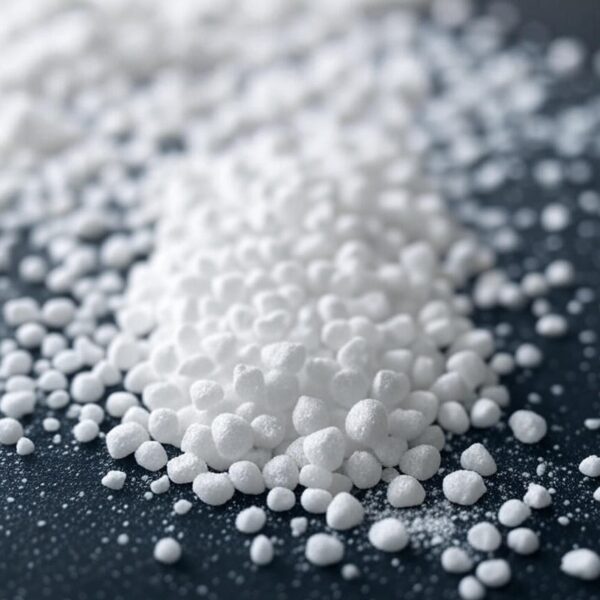
Calcium Chloride
Calcium chloride is highly effective, and one of the most hygroscopic materials, when it comes to absorbing moisture from the surrounding air. Calcium chloride is commercially available under three different forms: two solid forms and one liquid. Calcium chloride can be bought in the form of flakes containing 77–80% of calcium chloride or granules containing 94% of calcium chloride. In its liquid form, it contains from 30% to 42% of calcium chloride per liter of solution, usually sold as 30% solution. It is well suited for applications where rapid dissolution of a solid calcium chloride product is required. Calcium chloride is widely used to improve industrial and manufacturing processes in the paint production, rubber, metallurgy, paper, printing, and other chemical industries. Calcium chloride is often used for de-icing or dust control on gravel roads, in food or as the absorbing agent in desiccants.
In the food industry, calcium chloride is frequently employed as a firming agent , Calcium chloride is used in concrete mixes to accelerate the initial setting. Calcium chloride is included as an additive in plastics and in fire extinguishers, in blast furnaces as an additive to control scaffolding (clumping and adhesion of materials that prevent the furnace charge from descending), and in fabric softener as a thinner. In the oil industry, calcium chloride is used to increase the density of solids-free brines. It is also used to provide inhibition of swelling clays in the water phase of invert emulsion drilling fluids.

Calcium Grease
Calcium Grease, also known as calcium soap or calcium stearate, is a type of lubricating grease that is made from a combination of calcium hydroxide and a fatty acid, typically tallow or vegetable oil. The resulting product is a thick, opaque material with a high melting point and good water resistance. Calcium grease is one of the first greases that was manufactured for general use. Some of the key features of this multipurpose grease are great water resistance, good corrosion protection, and great mechanical stability. However, this lubricant is best used at lower temperatures, as high temperatures may cause changes in its structure.
Today, calcium grease and calcium complex grease are mainly used in marine, industrial, automotive. Calcium grease as a multi-purpose grease used in various applications. It is known for its excellent water resistance and corrosion protection. Calcium grease is commonly used in marine, and industrial applications that require resistance to water washout and agricultural applications.
Calcium grease is also commonly used in automotive applications, such as wheel bearings, steering gears, and other parts that are exposed to high loads and temperatures. Calcium grease can be used to lubricate the bearings in electric motors and power generation equipment due to its water resistance property, this equipment are often exposed to high temperatures and water.