

 Arabic
shop
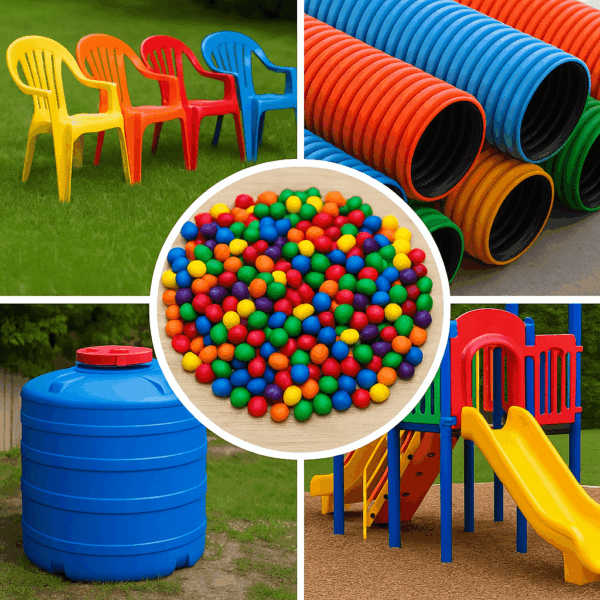
UV-Stabilized & Weather-Resistant PE Compounds
The optimized molecular design of UV-Stabilized PE compounds ensures excellent processing behavior in extrusion, blow molding, and rotational molding applications. These specialized PE materials provide outstanding long-term outdoor durability, excellent crack resistance, and superior environmental stress-crack resistance (ESCR). Their enhanced thermal stability and oxidative resistance prevent material breakdown when exposed to continuous UV radiation or fluctuating weather climates. With stable rheology and consistent melt flow, the compounds ensure smooth surface finish, uniform color distribution, and reliable manufacturability across large-scale production.
Available types include UV8, UV12, and UV18-rated PE, HALS-enhanced compounds, carbon-black UV-stable grades, color-masterbatch integrated PE, LLDPE & HDPE outdoor grades, anti-oxidative PE, high-impact weather-resistant compounds, Rotomolding UV-stabilized PE, and extrusion-grade weather-resistant PE. UV-Stabilized & Weather-Resistant PE Compounds are ideal for outdoor products such as water tanks, agricultural pipes, telecom ducts, outdoor furniture, playground components, protective covers, automotive exterior parts, packaging films, geomembranes, and industrial containers.
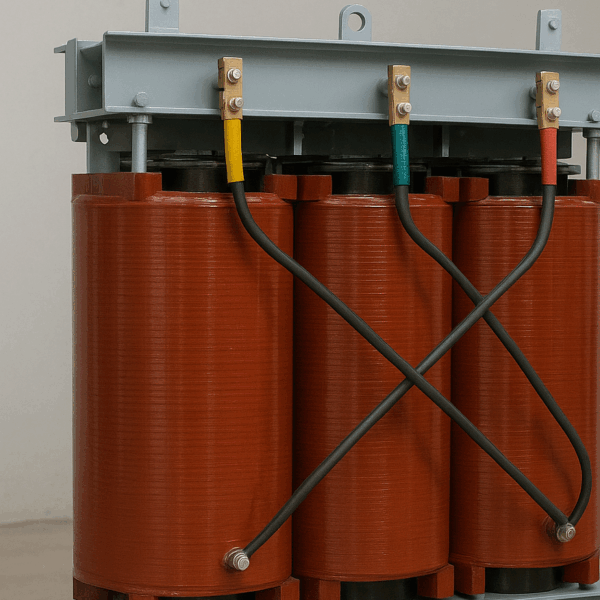
Vacuum Pressure Impregnated Transformer (VPI)
The manufacturing process of VPI transformers includes precision winding of copper or aluminum conductors, installation of insulation materials, drying of windings, vacuum treatment, resin impregnation, and controlled curing to create a strong and uniform insulation structure. Commercially available types include three-phase VPI transformers, single-phase VPI transformers, medium voltage VPI transformers, low voltage VPI transformers, and custom-designed dry-type transformers. These units provide excellent resistance against moisture, thermal stress, vibration, and harsh environmental conditions while maintaining stable electrical performance.
VPI transformers are widely used in power generation plants, renewable energy projects, industrial facilities, mining operations, marine systems, data centers, commercial buildings, and transportation infrastructure. Their flame-resistant and environmentally friendly design makes them suitable for indoor installations where oil-filled transformers are not preferred. Available in compact designs with different cooling methods, protection levels, and packaging options, VPI transformers offer a safe, efficient, and long-lasting solution for modern electrical power systems.
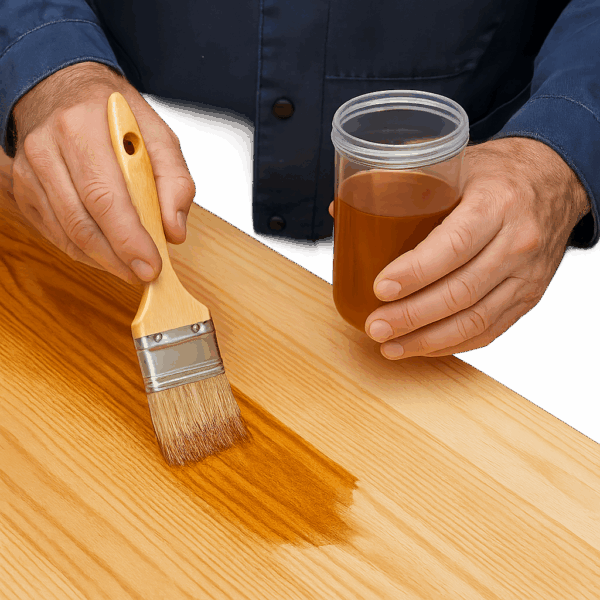
Varnish
The production process of varnish generally involves blending selected resins with solvents and additives under controlled temperature and mixing conditions to achieve the required viscosity, drying speed, adhesion, and protective properties. Different resin systems such as alkyd, polyurethane, acrylic, epoxy, and nitrocellulose are used according to the final application requirements. After formulation, the varnish undergoes filtration, quality control testing, and packaging to ensure consistent performance, stability, and compliance with industrial standards. Commercially available types include wood varnish for furniture and flooring protection, polyurethane varnish for high-strength surfaces, acrylic varnish for decorative and automotive applications, marine varnish for outdoor and moisture-resistant coatings, and industrial varnish for machinery, electrical components, and manufacturing processes.
Varnish is available in different finishes including glossy, semi-gloss, satin, and matte grades, allowing manufacturers and end users to select the most suitable product for their specific needs. High-quality varnish provides advantages such as excellent adhesion, fast drying, long-lasting protection, enhanced surface appearance, resistance to wear and chemicals, and improved product lifespan. Industrial varnishes are supplied in various commercial packaging options including metal cans, plastic containers, drums, and bulk containers depending on customer requirements and order volume. With reliable performance and wide application flexibility, varnish remains an essential coating solution for industries requiring durable, attractive, and protective surface finishes.
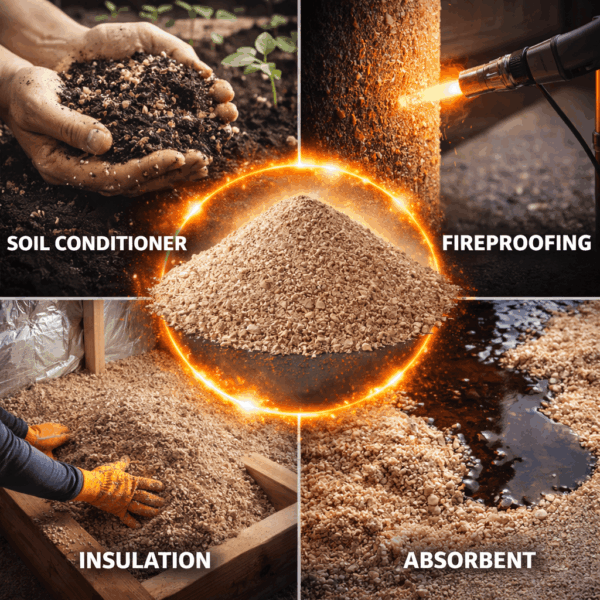
Vermiculite Powder
Vermiculite Powder is available in different grades and particle sizes according to the requirements of various industries. Fine Grade Vermiculite Powder is mainly used in seed coating, soil amendment, fertilizers, cosmetics and lightweight fillers due to its high moisture absorption and excellent blending ability. Medium Grade Vermiculite is commonly applied in horticultural substrates, nursery growing media, animal bedding and construction mixtures. Coarse Grade Vermiculite is preferred for thermal insulation boards, fire-resistant materials, refractory applications and lightweight concrete because of its superior insulation performance. Industrial Grade Vermiculite with controlled chemical composition and particle distribution is used in foundries, friction materials, drilling fluids and specialty industrial formulations.
High-quality Vermiculite Powder offers many advantages including excellent thermal insulation, fire resistance, chemical stability, low weight, sound absorption, moisture retention and resistance to decomposition. It is a non-toxic and environmentally safe mineral that improves product performance in many formulations. Vermiculite Powder specifications can be customized based on particle size, expansion ratio, bulk density, moisture content and chemical composition. Manufacturers supply vermiculite in various mesh sizes and packaging options for wholesale export markets, providing reliable solutions for agricultural, construction and industrial customers .
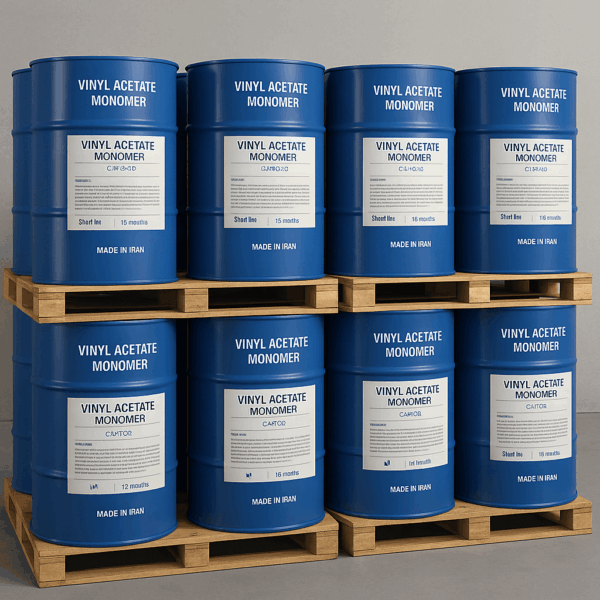
Vinyl Acetate Monomer
Vinyl Acetate is primarily used in the manufacture of polyvinyl acetate (PVA), polyvinyl alcohol (PVOH), ethylene-vinyl acetate (EVA) copolymers, and vinyl acetate-acrylic emulsions. These derivatives find applications in paints, adhesives, textiles, packaging films, and paper coatings due to their outstanding adhesion, flexibility, and clarity. Production is carried out through the controlled reaction of ethylene and acetic acid in the presence of a palladium catalyst, ensuring high conversion efficiency and product purity. Typical specifications include purity ≥ 99.8%, moisture ≤ 0.05%, and acetic acid content ≤ 0.3%, with stringent quality control for stability and consistency during polymerization.
Advantages of Vinyl Acetate include high purity, excellent polymerization behavior, and compatibility with a wide range of organic compounds. It is supplied in 200-liter steel drums, 20-liter HDPE jerry cans, 1 MT IBC containers, and bulk ISO tank shipments depending on customer requirements. With reliable performance, consistent purity, and flexible packaging options, Vinyl Acetate remains a cornerstone material for industries producing advanced adhesives, coatings, and polymer resins worldwide.
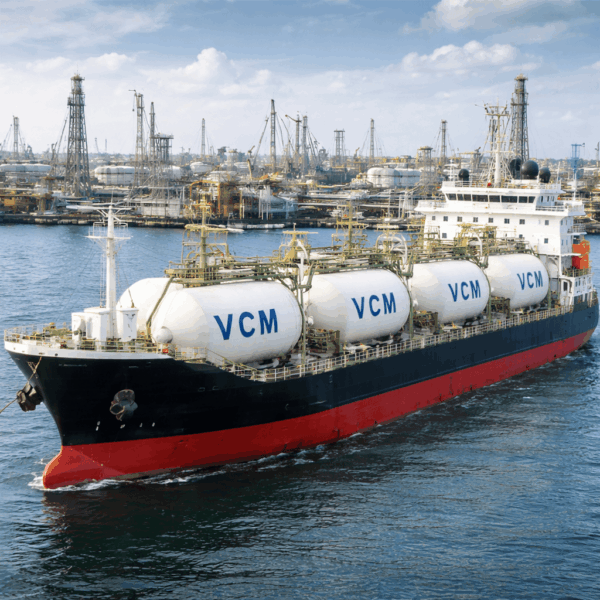
Vinyl Chloride Monomer ( VCM)
Different VCM grades are designed according to polymerization requirements and end-use applications. Polymerization Grade VCM with very high purity is widely used for suspension PVC (S-PVC), emulsion PVC (E-PVC), and bulk PVC production. High Purity VCM is preferred for specialty PVC applications where low impurity levels and excellent polymer quality are required, including medical-grade PVC, food-contact packaging, and high-performance plastic products. Industrial Grade VCM is mainly used in large-scale PVC manufacturing plants for general-purpose applications such as pipes, sheets, and construction products. The production process involves purification, removal of moisture and impurities, compression, liquefaction, and controlled storage under suitable safety conditions. The main advantages of Vinyl Chloride Monomer include excellent polymerization performance, high conversion efficiency into PVC, consistent quality, compatibility with modern PVC production technologies, and the ability to produce versatile PVC products with excellent durability, chemical resistance, weather resistance, and cost efficiency.
Vinyl Chloride Monomer is supplied worldwide for bulk export through specialized chemical transportation systems, including pressurized ISO tanks, refrigerated containers, and dedicated chemical storage facilities. As a critical building block of the PVC industry, VCM plays a fundamental role in global construction, infrastructure, packaging, healthcare, electrical, and industrial sectors. Its controlled polymerization characteristics allow manufacturers to produce PVC materials with different molecular weights, flexibility levels, mechanical properties, and processing capabilities. The major specifications of export-quality VCM include high purity, controlled moisture content, low levels of impurities, stable composition, and compliance with international petrochemical standards. The growing demand for PVC products in developing markets continues to increase the importance of reliable Vinyl Chloride Monomer supply chains. Export-grade VCM provides manufacturers with a high-quality feedstock for efficient PVC production and supports the manufacturing of durable and economical plastic products for various industries.

Vinyl Glove
vinyl gloves are a type of disposable gloves that their main advantage is their low cost, making them a popular choice for situations where gloves are changed frequently and discarded.
For situations that do not involve hazardous chemicals or pathogens, such as food service, housekeeping and certain medical procedures, vinyl gloves are a cost-effective option. These gloves are also a good choice for those who want to avoid contact with allergens. If you need a simple, light-duty glove, vinyl is a top pick for many professionals.
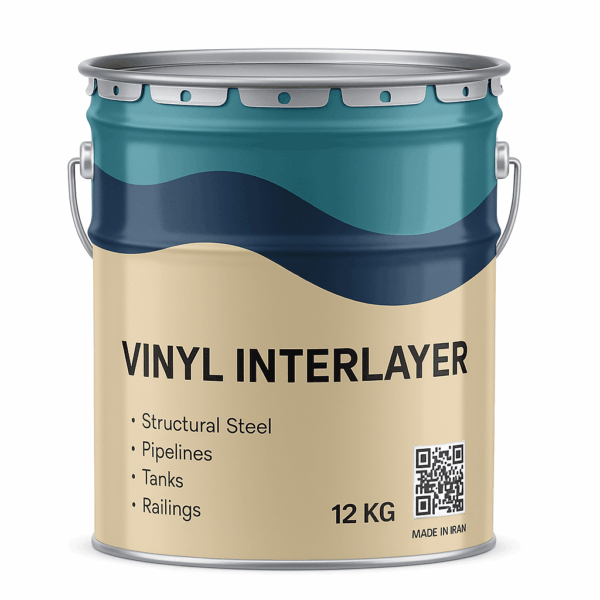
Vinyl Interlayer Paint
Vinyl Interlayer paints are available in standard vinyl mid-coats, vinyl MIO interlayers, and high-build vinyl formulations depending on protection requirements. Typical applications include structural steel, marine structures, ship hulls, offshore platforms, storage tanks, pipelines, bridges, and industrial machinery. The main ingredients generally include vinyl resins (vinyl chloride or vinyl copolymer binders), anti-corrosive pigments, MIO flakes (in MIO grades), organic solvents, and performance additives. Key advantages include very fast drying, excellent adhesion to primers, good resistance to moisture, salts, and chemicals, and strong compatibility with vinyl, epoxy, chlorinated rubber, and polyurethane topcoats.
In terms of performance and commercial value, Vinyl Interlayer paints provide good barrier protection, smooth film formation, high recoating flexibility, and durability in marine and industrial environments classified as C3–C4. They help accelerate project timelines by reducing waiting time between coats. Commercially, these coatings are supplied as single-pack systems in 1 kg, 5 kg, 10 kg, 12 kg, and 20–25 kg metal pails, as well as 200 kg drums for large-scale industrial applications. Vinyl Interlayer paints remain a practical and cost-effective solution for fast-track industrial coating systems.
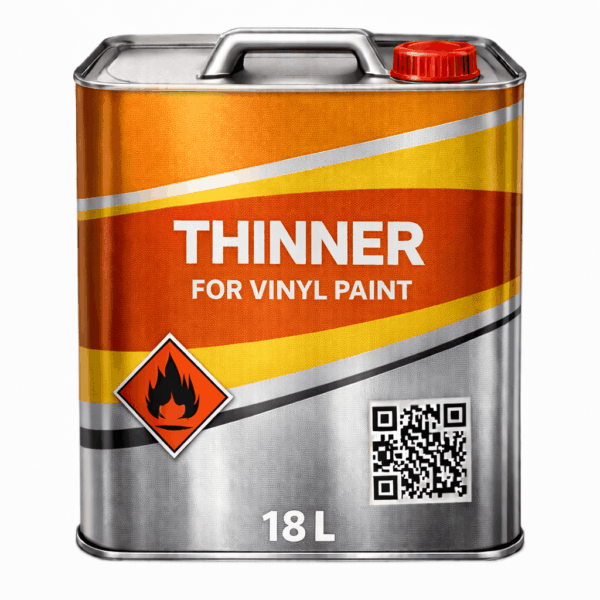
Vinyl Paint Thinner
Vinyl paint thinner enhances spray atomization and leveling, resulting in a consistent and defect-free finish. Its controlled evaporation rate allows sufficient working time for smooth application and reliable drying. The formulation improves wetting and adhesion on metal, concrete, and previously coated surfaces. It helps reduce common application defects such as sagging, pinholes, and uneven film thickness. Vinyl paint thinner is compatible with a wide range of vinyl primers, intermediate coats, and top coats. It supports stable curing and long-term performance in demanding environments. Easy blending improves application efficiency and jobsite control. The product performs reliably in both indoor and outdoor conditions. It supports industrial protective coating systems. It meets common quality and performance standards.
Typical applications include thinning vinyl primers and vinyl top coats used in industrial, marine, and infrastructure projects. Vinyl paint thinner is widely used on steel structures, tanks, pipelines, and industrial equipment. It is suitable for spray, roller, and brush application methods. Proper use improves coverage and reduces coating defects. The product supports consistent quality in large-scale projects. Available in various packaging sizes for commercial and export supply. Vinyl paint thinner offers an effective balance of performance and cost efficiency. It remains a trusted solution for high-quality vinyl coating applications.
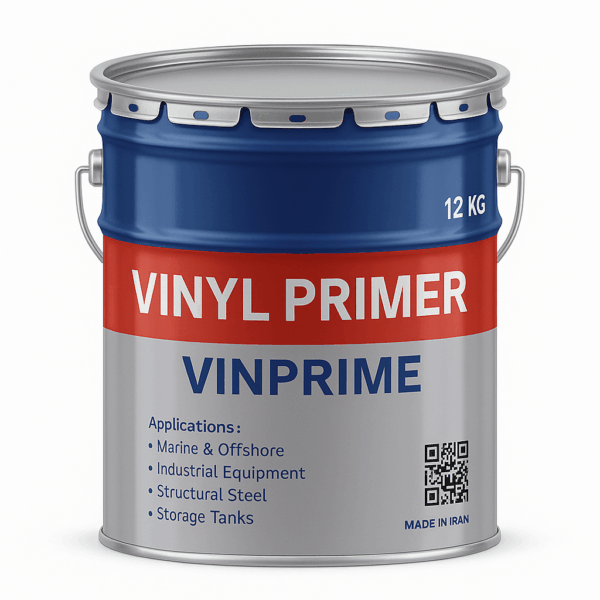
Vinyl Primer
Vinyl Primer is available in different grades and formulations to meet specific industrial requirements. Standard Vinyl Primer is commonly used for general metal protection, machinery, steel structures, and maintenance coatings. Anti-Corrosive Vinyl Primer contains special corrosion-resistant pigments and is suitable for marine equipment, pipelines, storage tanks, and industrial steel constructions. Fast Drying Vinyl Primer is designed for projects requiring quick handling and shorter production cycles, while High Adhesion Vinyl Primer is used on difficult substrates such as galvanized steel, aluminum, and smooth metal surfaces. The product is commercially available in liquid form and is supplied in various packaging sizes including 1 kg, 4 kg, 20 kg, and 200 kg drums or customized export packaging according to customer requirements.
Vinyl Primer offers excellent adhesion, fast drying properties, superior resistance to water, salt spray, chemicals, and atmospheric corrosion. Its smooth application, good coverage, and compatibility with multiple topcoat systems make it an ideal choice for industrial painting and protective coating applications. The product is widely used in shipbuilding, automotive components, construction equipment, steel fabrication, pipelines, metal structures, machinery, and industrial maintenance projects. Export-quality Vinyl Primer is manufactured according to international coating standards and can be supplied with technical specifications, safety documents, and customized formulations for global wholesale markets.

Viscose Polyester Blend Yarn
Polyviscose (also called PV) is a blend of polyester and viscose fibers, typically in ratios such as 65:35 or 70:30 (polyester to viscose).Viscose blends are often chosen for creating a variety of textiles, offering a balance of comfort, aesthetics, and functionality. poly-viscose largely retains the pleasant drape and feel of standard viscose, so its touch is quite natural to handle. the added polyester means polyviscose is much easier to care for, as its machine washable and can be tumble-dried. It’s also very robust, making it ideal for hard wearing clothes or heavy commercial settings such as public seating.
Polyviscose yarns come in spun, filament, or blended forms, and can be carded or combed depending on end use.
Widely used in:
-
-
Textiles and apparel: suits, uniforms, shirting, trousers, skirts, and dresses.
-
Home textiles: upholstery, curtains, and bed linens.
-
Industrial fabrics: due to strength and dimensional stability.
-

Viscose Yarn
Viscose yarn is commonly used in creating lightweight and breathable garments, as well as accessories and home textiles. Viscose yarn, also known as rayon, is a type of regenerated cellulosic fiber made from wood pulp or other plant-based materials. It is often considered a semi-synthetic fiber due to its manufacturing process, which involves chemically treating natural materials to create a fiber that shares some characteristics with both natural and synthetic fibers.
- Technics : ring spun, vortex, Siro Compact
- Counts: Ne10 – Ne 60
Features:
- Drape and Flow
- Soft & Breathable
- Luster, Color Retention
- Affordable
Uses:
- Apparel
- Summer Wear
- Lingerie
- Scarves and Shawls
- Crafting
- Home Textiles
- Casual and Formal Wear