

 Arabic
shop
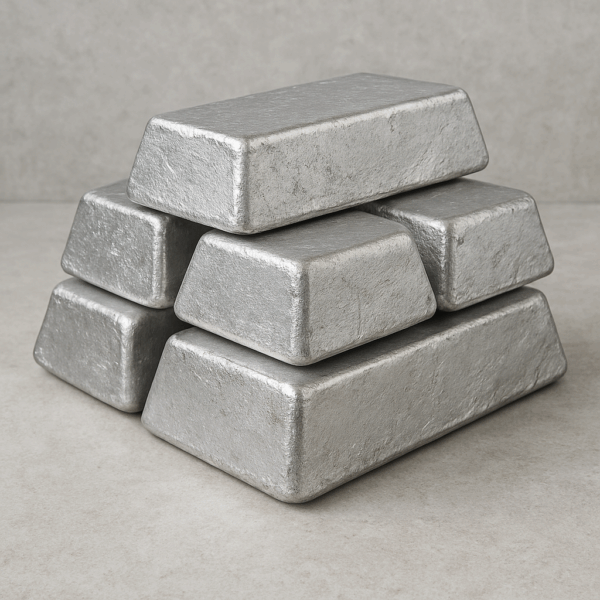
Aluminum Alloy 3003
Aluminum 3003 is commercially available in various product forms including aluminum sheets, plates, coils, strips, foil, tubes, and custom fabricated components according to customer requirements. Common tempers include O (annealed), H12, H14, H16, and H18, allowing manufacturers to select the suitable balance between flexibility, strength, and surface performance. This alloy offers excellent corrosion resistance, good weldability, high ductility, and outstanding forming capability, making it suitable for deep drawing, bending, stamping, and general fabrication processes. Aluminum Alloy 3003 is widely used in HVAC systems, heat exchangers, chemical tanks, roofing materials, kitchen equipment, food processing equipment, automotive components, packaging applications, and architectural products.
The main advantages of Aluminum Alloy 3003 include lightweight structure, long service life, resistance to atmospheric corrosion, easy machining, reliable welding performance, and excellent surface finishing capability. It is commonly supplied for industries requiring economical aluminum solutions with consistent quality and international standards compliance. Available commercial forms include Aluminum 3003 Sheet, Aluminum 3003 Plate, Aluminum 3003 Coil, Aluminum 3003 Foil, Aluminum 3003 Strip, Aluminum 3003 Tube, and customized aluminum profiles. These products can be supplied for export markets with different dimensions, thicknesses, surface finishes, and packaging options according to industrial requirements.
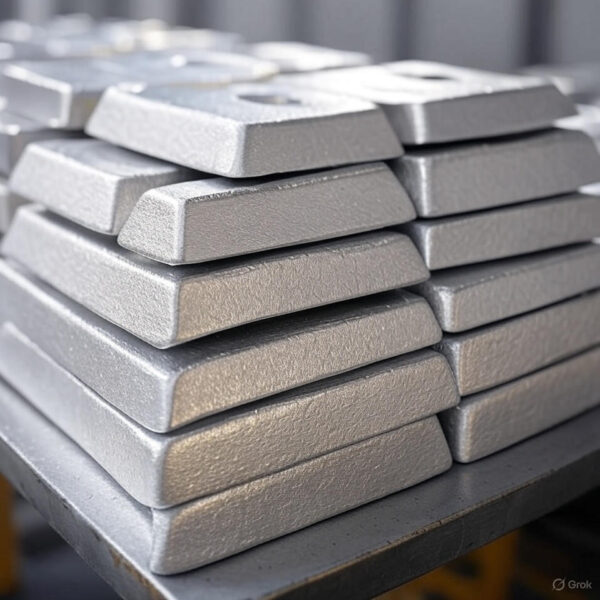
Aluminum Alloy 3004
Aluminum Alloy 3004 is especially valued in packaging industries for beverage can bodies, food containers, and deep-drawn products due to its excellent drawing characteristics and surface quality. It is also used in construction, roofing systems, wall cladding, HVAC components, heat exchangers, industrial equipment, and general sheet metal fabrication. The alloy offers good corrosion resistance, easy fabrication, weldability, and better strength compared with many conventional aluminum-manganese alloys.
Commercially available Aluminum Alloy 3004 products include 3004 aluminum sheets, 3004 aluminum coils, 3004 aluminum plates, 3004 aluminum strips, 3004 aluminum foil, and customized cut-to-size products in different tempers such as O, H14, H24, H32, H34, H36, and H19 depending on the required mechanical properties. The main advantages of Aluminum 3004 include lightweight structure, excellent deep drawing ability, good corrosion resistance, recyclable nature, attractive surface finish, and suitability for high-volume industrial manufacturing.
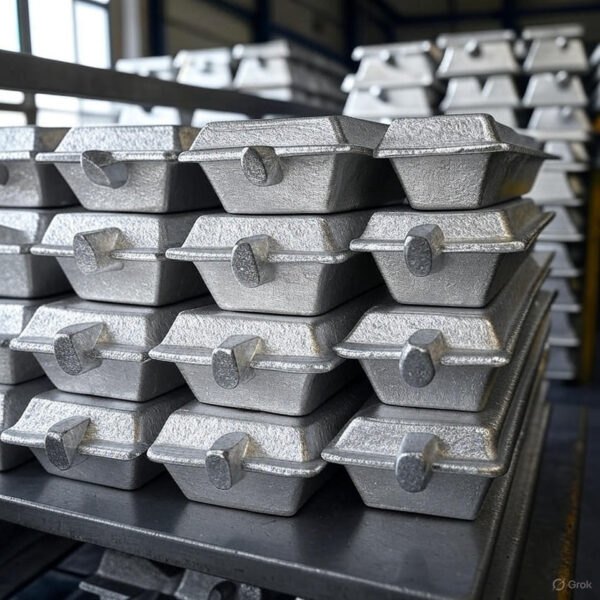
Aluminum Alloy 3105
Aluminum Alloy 3105 is commercially available in various forms including aluminum sheets, coils, strips, plates, and pre-painted aluminum products. It is widely supplied in different tempers such as H12, H14, H16, H18, H24, and H26 depending on the required hardness, strength, and forming capability. The alloy is commonly selected for applications where lightweight construction, corrosion resistance, surface finishing, and easy fabrication are important factors. The main applications of Aluminum Alloy 3105 include construction materials, roofing sheets, wall cladding, gutters, downspouts, mobile homes, signage panels, HVAC components, appliance parts, bottle caps, packaging materials, and general sheet metal fabrication. Its excellent paintability and surface quality make it suitable for color-coated aluminum products used in architectural and decorative industries. Aluminum 3105 provides an economical solution for manufacturers looking for reliable performance, durability, and easy manufacturing processes.
Commercially Available Types of Aluminum Alloy 3105
- Aluminum 3105 Sheet
- Aluminum 3105 Plate
- Aluminum 3105 Coil
- Aluminum 3105 Strip
- Pre-Painted Aluminum 3105 Coil
- Color Coated Aluminum 3105 Sheet
- Aluminum 3105 H12, H14, H16, H18 Temper
- Aluminum 3105 H24 and H26 Temper
- Mill Finish Aluminum 3105 Products
- Customized Sizes According to Customer Requirements
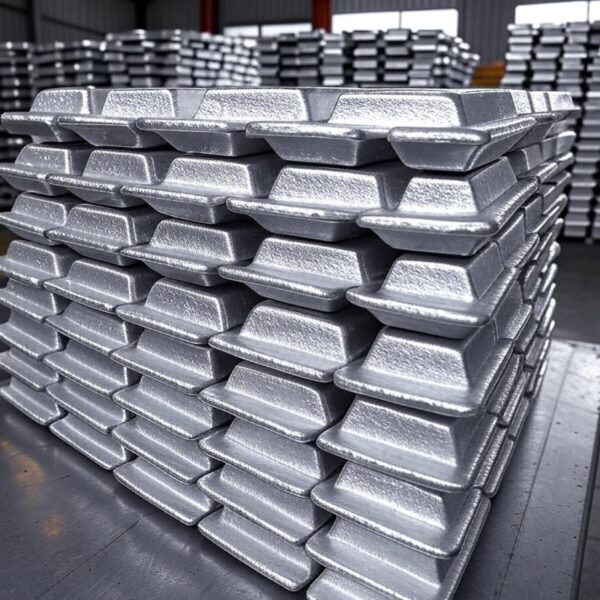
Aluminum Alloy 5005
Aluminum Alloy 5005 is commercially available in different forms including sheet, plate, coil, strip, tube, and customized fabricated products. Common tempers include 5005-O, 5005-H12, 5005-H14, 5005-H32, 5005-H34, H36, and H38, allowing customers to select the required balance between strength, flexibility, and processing performance. This alloy is widely supplied for architectural panels, building facades, roofing systems, electrical components, HVAC equipment, signage, food processing equipment, automotive parts, and decorative anodized products.
The main advantages of Aluminum Alloy 5005 include excellent resistance to atmospheric corrosion, high recyclability, low density, good welding performance, easy fabrication, and compatibility with anodizing processes. Due to its combination of mechanical performance and aesthetic appearance, Aluminum 5005 is an ideal material for manufacturers looking for a reliable aluminum alloy for long-term industrial applications. International buyers can source Aluminum Alloy 5005 in various dimensions, finishes, and tempers according to project requirements.
Aluminum Alloy 5052
Aluminum 5052 is commercially available in different tempers and forms including sheets, plates, coils, strips, tubes, and custom fabricated profiles.Due to its combination of durability, lightweight structure, and resistance against seawater and atmospheric corrosion, Aluminum Alloy 5052 is widely used in marine equipment, shipbuilding components, fuel tanks, pressure vessels, transportation parts, automotive panels, electrical enclosures, heat exchangers, and architectural applications. Its excellent formability makes it suitable for deep drawing, bending, stamping, and complex fabrication processes, while its strong welding performance allows manufacturers to produce reliable welded structures.
Commercially, Aluminum 5052 is supplied in various grades such as 5052-O (annealed condition for maximum forming), 5052-H32, 5052-H34, H36, and H38 tempers depending on strength requirements and manufacturing needs. Available products include Aluminum 5052 Sheet, Plate, Coil, Strip, Tread Plate, and custom sizes according to customer specifications. This alloy is preferred by global industries looking for a cost-effective aluminum material with excellent corrosion protection, long service life, and superior fabrication characteristics.
Aluminum Alloy 5086
Aluminum Alloy 5086 is available in different product forms including sheets, plates, coils, strips, bars, and customized fabricated components. It can be supplied in various tempers such as O, H32, H34, H111, H112, and H116, allowing manufacturers to select the required balance between strength, ductility, and fabrication performance. This alloy is widely used in the production of marine structures, boat and yacht components, shipbuilding parts, pressure vessels, cryogenic equipment, offshore structures, transportation components, oil and gas equipment, and industrial machinery. Its excellent resistance to seawater corrosion makes it especially suitable for marine and coastal applications.
The main advantages of Aluminum Alloy 5086 include excellent corrosion resistance, outstanding weldability, good strength-to-weight ratio, non-magnetic properties, good toughness, and excellent performance in low-temperature environments. It can be easily welded using common industrial welding methods while maintaining reliable structural performance. Aluminum Alloy 5086 is supplied for international B2B markets with customized dimensions, thicknesses, surface finishes, and packaging options according to customer requirements. Due to its combination of lightweight properties, corrosion resistance, and fabrication flexibility, Aluminum 5086 is a preferred choice for manufacturers in marine, transportation, construction, and industrial sectors.
Aluminum Alloy 5182
Aluminum Alloy 5182 is commonly supplied in different product forms including sheets, coils, plates, strips, and customized fabricated components. It is available in various tempers such as O, H32, H34, H111, and H19, allowing manufacturers to select the required balance between strength, hardness, and formability according to their production requirements. This alloy is widely used for manufacturing automotive body panels, reinforcement parts, brackets, beverage can ends, packaging containers, marine components, and industrial fabricated products. Its excellent deep drawing performance makes it suitable for applications requiring complex forming operations and high-quality surface appearance.
The main advantages of Aluminum Alloy 5182 include high corrosion resistance, excellent weldability, good formability, lightweight performance, strong strength-to-weight ratio, and suitability for large-scale manufacturing processes. It performs reliably in demanding environments, including automotive and marine industries where durability and weight reduction are important factors. Aluminum Alloy 5182 is supplied for international B2B markets in standard and customized dimensions with different thicknesses, widths, surface finishes, and packaging options. It is an ideal material choice for manufacturers looking for a reliable aluminum alloy with excellent processing capability and long-term performance
Aluminum Alloy 5657
Aluminum Alloy 5657 is available in different product forms including sheets, coils, strips, plates, and customized fabricated components. It can be supplied in various tempers such as H14, H24, and other work-hardened conditions depending on the required mechanical properties and manufacturing process. Customized thicknesses, widths, surface finishes, and packaging options can be provided according to customer specifications. This alloy is commonly used in the production of automotive decorative parts, nameplates, trim components, appliance panels, architectural elements, lighting reflectors, and consumer product applications where excellent appearance and corrosion resistance are important. Its smooth surface and ability to achieve high-quality anodized finishes make it suitable for applications requiring both functional performance and visual appeal.
The main advantages of Aluminum Alloy 5657 include excellent corrosion resistance, superior anodizing capability, good formability, lightweight structure, attractive surface appearance, and good resistance to environmental conditions. Compared with many standard aluminum grades, 5657 provides enhanced finishing quality, making it a preferred choice for decorative and precision applications. Aluminum Alloy 5657 is supplied for international B2B customers in standard and customized specifications, including coils, sheets, and processed parts. With proper alloy selection and surface treatment, this material provides a reliable solution for manufacturers in automotive, architectural, electronics, and consumer goods industries.
Aluminum Alloy 6020
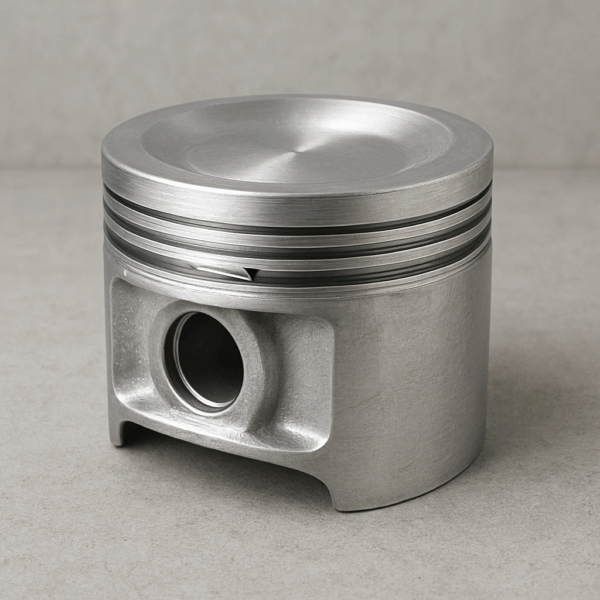
Aluminum Alloy 6020 is available in different forms including round bars, flat bars, sheets, plates, extruded profiles, tubes, and custom machined components according to customer requirements. It can also be supplied in various tempers such as T4, T6, and T8, which provide different levels of strength, hardness, and processing performance. Customized dimensions, surface treatments, and finishing options can be provided based on industrial application needs. This aluminum alloy is commonly used in the production of automotive components, precision mechanical parts, electrical fittings, connectors, industrial equipment, machine parts, and structural profiles. Its excellent machinability makes it suitable for high-speed machining operations, while its corrosion resistance allows reliable performance in different environmental conditions.
The main advantages of Aluminum Alloy 6020 include high machinability, good strength-to-weight ratio, excellent dimensional accuracy, good corrosion resistance, recyclability, and compatibility with surface treatments such as anodizing. These properties make it an attractive material choice for manufacturers looking for cost-effective and high-performance aluminum solutions. Aluminum Alloy 6020 is supplied for international B2B markets in standard and customized specifications, including raw material formats and processed components. Proper alloy selection, temper condition, and product dimensions allow manufacturers to achieve optimized performance for their specific industrial applications.
Aluminum Alloy 6061
Just slight differences in chemical properties can drastically alter strength, workability, corrosion resistance, and electrical conductivity of the alloy. Aluminum Alloy 6061 is one of the strongest aluminum alloys. It is considered the least expensive and most versatile of the heat treatable alloys. Though less formable, it is commonly extruded.
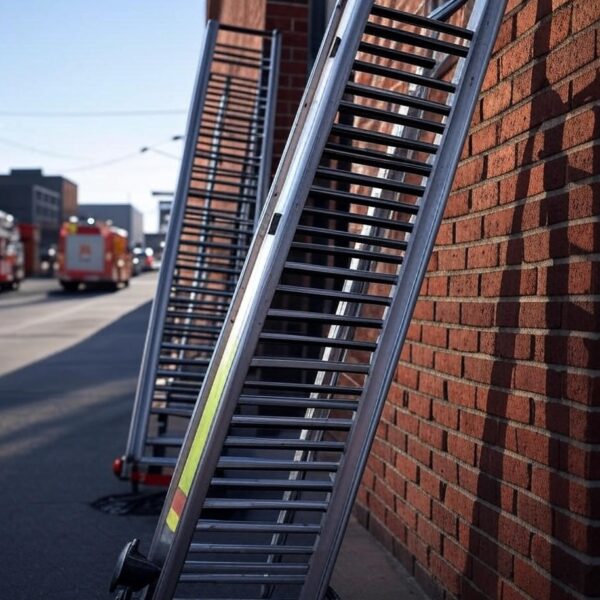
Alloyed with magnesium and silicon, 6061 aluminum is heat treatable, can be anodized, and hardened after forming. After heat treatment, its strength is equal to low carbon steel. Outstanding surface quality, better corrosion resistance than steel, and a high strength to weight ratio. Aluminum Alloy 6061 applied in architecture and construction. Additional applications include: structural framing, moldings, fire ladders, welded assemblies, sail boats, electronic parts, bridge components, piping, valves, and fasteners.
key properties of Aluminum 6061 include:
- Good surface finish
- Ability to be anodized
- Easy of weldability and brazability
- Surface finish
- Resistance to corrosion from seawater and atmospheric conditions
- Suitable for hot forging
Aluminum Alloy 6063
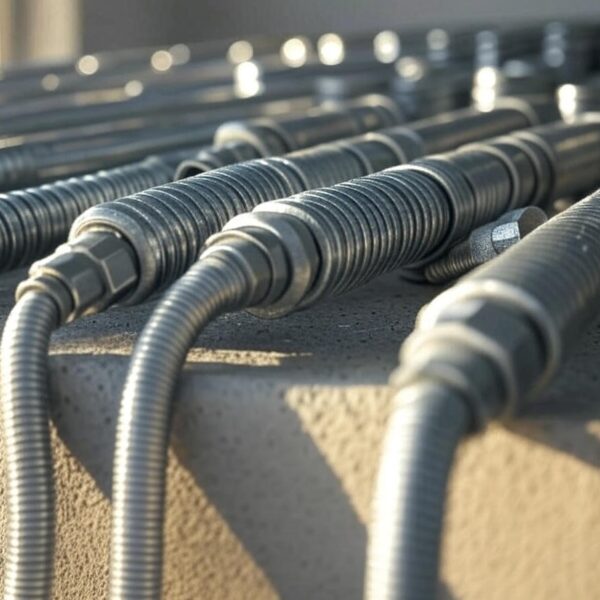
Aluminum 6063 is one of the most commonly used materials for architectural and industrial extrusion applications due to its ability to produce complex profiles with high dimensional accuracy. It is available in different tempers, especially 6063-T5 and 6063-T6, to meet various strength and performance requirements. Aluminum Alloy 6063 provides excellent machinability, weldability, and anodizing capability, making it suitable for applications where appearance and durability are equally important. This alloy has a lightweight structure combined with reliable strength, making it an efficient alternative for many construction and manufacturing projects. The excellent surface quality of Aluminum 6063 after polishing, painting, or anodizing processes makes it highly suitable for decorative and functional aluminum products used in indoor and outdoor environments.
Aluminum 6063 is widely used for manufacturing aluminum profiles, window and door frames, curtain walls, architectural structures, railing systems, furniture components, industrial frames, heat sinks, electrical applications, automotive trim parts, and customized extrusion profiles. Due to its versatility, corrosion resistance, and cost-effectiveness, Aluminum Alloy 6063 is supplied globally for construction, transportation, renewable energy, and industrial sectors. Iranian suppliers can provide Aluminum 6063 in various shapes and sizes according to international customer requirements.
Aluminum Alloy 6101
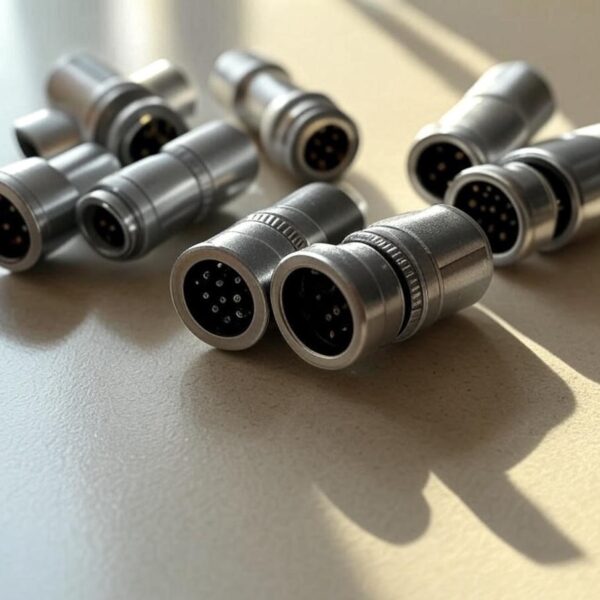
The main characteristics of Aluminum Alloy 6101 include high electrical conductivity, good strength-to-weight ratio, excellent corrosion resistance, and superior extrusion capability. Compared with pure aluminum, this alloy provides improved mechanical properties while maintaining efficient electrical performance. It can be heat treated to achieve higher strength levels and is suitable for applications requiring reliable performance under continuous service conditions.
Aluminum Alloy 6101 is mainly used in electrical conductors, busbars, power distribution systems, electrical equipment, transformer components, and industrial profiles. Its lightweight nature and resistance to oxidation make it suitable for energy-efficient designs and long-term outdoor applications. Aluminum 6101 is available in different tempers and dimensions according to customer requirements, and international buyers can source high-quality grades through reliable suppliers such as Irancorps for industrial and export projects.