Your gateway to numerous Iranian top exporters

Create one request and get multiple quotes from verified suppliers. 100% free.

HDPE Injection Molding Grade Granules

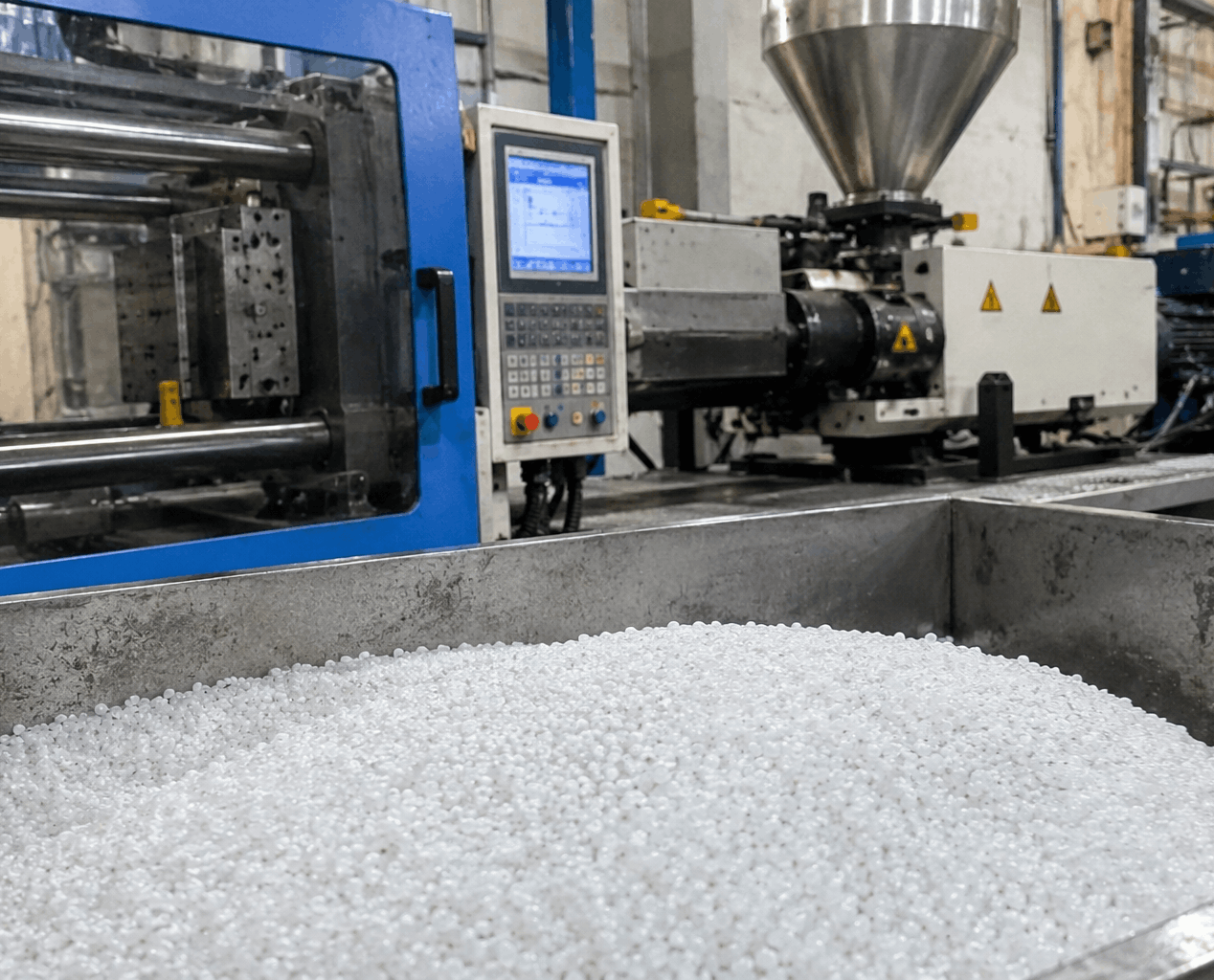
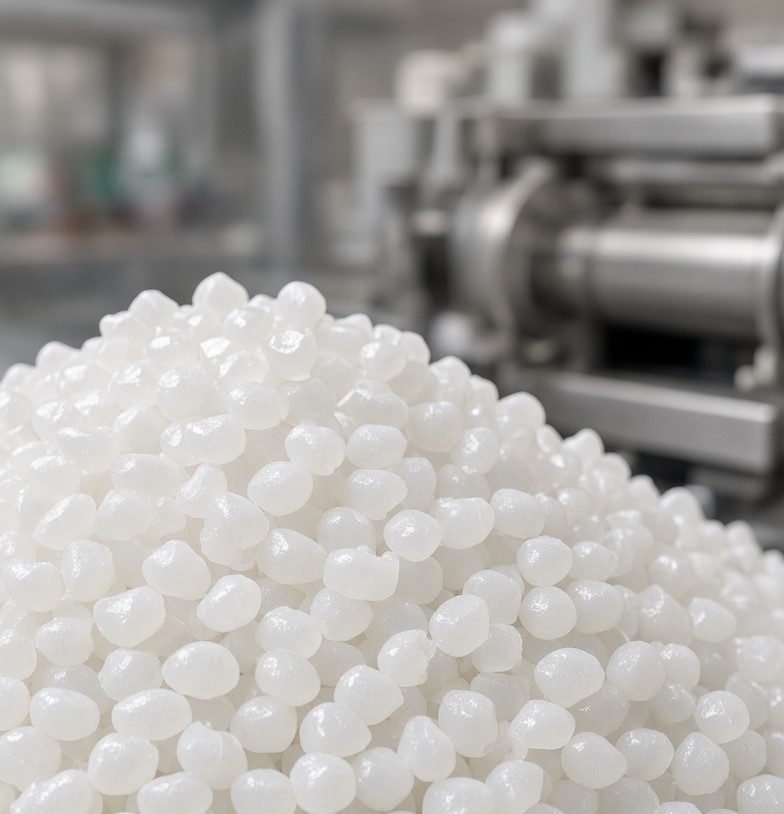
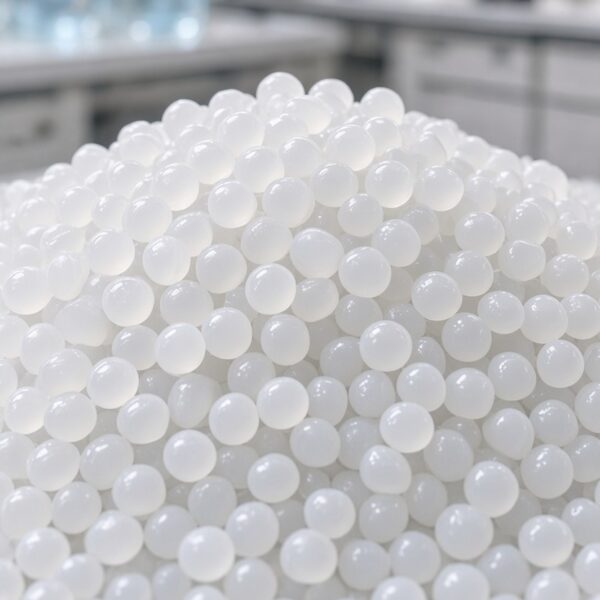
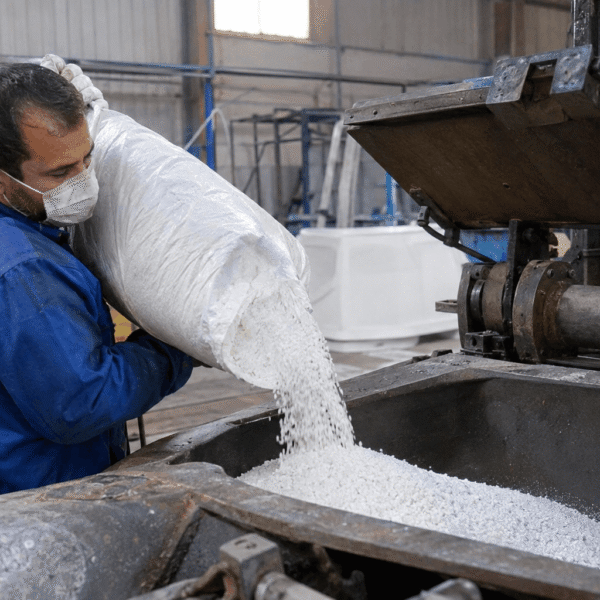
HDPE Injection Molding Grade Granules are polyethylene materials formulated for high-speed injection molding of rigid plastic components and finished products. These grades are designed to provide controlled melt flow, rapid filling of molds, good dimensional stability and efficient cycle times. Compared with grades intended primarily for pipe or blow molding, injection molding formulations are selected according to the geometry of the molded component, cavity pressure, cooling behavior and required surface finish. The molecular structure and melt flow characteristics influence filling performance, shrinkage and mechanical strength, allowing manufacturers to select a resin suitable for both thin-wall and thicker molded products. Consistent pellet quality is essential for maintaining stable processing conditions across continuous production cycles.

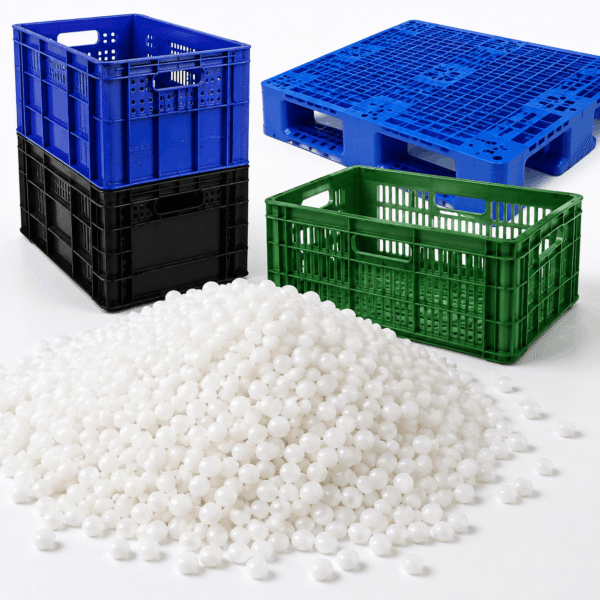
HDPE Injection Grade is commonly used for crates, containers, buckets, household products, industrial components, storage boxes, lids, automotive parts and various molded articles. Its combination of stiffness, impact resistance, chemical resistance and relatively low moisture absorption makes it suitable for products exposed to repeated handling and demanding service environments. Injection molding manufacturers can also benefit from HDPE’s ability to produce lightweight components with good rigidity and dimensional consistency. The appropriate grade should be chosen according to mold design, injection speed, melt temperature, cooling cycle, product thickness and required mechanical performance. For high-volume manufacturing, stable MFR and predictable shrinkage are especially important for reducing rejects and maintaining consistent product dimensions.

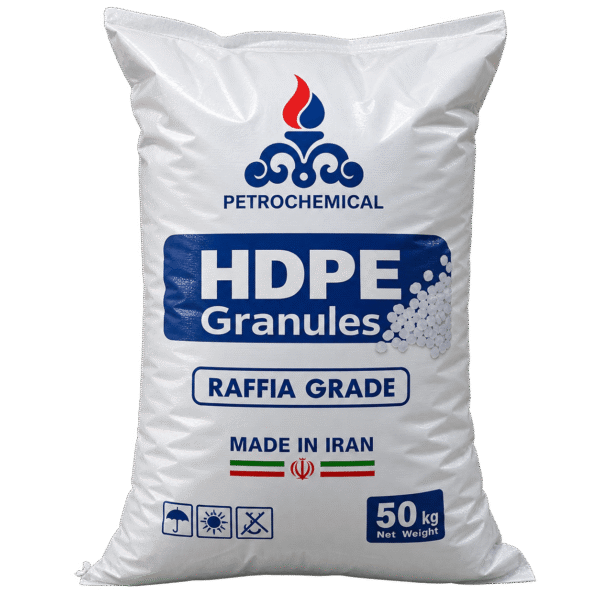
HDPE Injection Molding Grade Granules are generally delivered in sealed industrial bags designed to protect the resin from contamination during storage and handling. Standard 25 kg packaging is commonly used for commercial orders, while jumbo bags or bulk handling systems may be considered for large-scale injection molding plants. Bags should remain sealed until the material is introduced into the production system, and storage areas should be clean and protected from excessive heat and direct sunlight. Buyers normally review MFR, density, tensile strength, impact resistance and other application-specific data before approving an injection molding grade for production.

 

HDPE injection molding granule grade supply from Iran

Technical Specifications – HDPE Injection Molding Grade

Property Typical Specification
Polymer Type High Density Polyethylene (HDPE)
Processing Method Injection Molding
Melt Flow Index (MFI) 4–30 g/10 min
MFI Test Condition 190°C / 2.16 kg, ASTM D1238
Density 0.945–0.962 g/cm³
Tensile Strength at Yield Typically 24–30 MPa
Elongation at Break Typically ≥200%
Flexural Modulus Typically 800–1,000 MPa
Hardness Typically Shore D 60–70
Vicat Softening Temperature Approximately 120–130°C
Main Applications Caps, closures, crates, pails, containers, housewares, pallets and industrial parts

Note: Technical values may vary depending on the specific HDPE grade.


IF YOU ARE WILLING TO BUY HDPE GRANULE FROM IRANIAN SUPPLIERS, PLEASE SCROLL DOWN AND SUBMIT YOUR REQUEST.

0 reviews
0
0
0
0
0

There are no reviews yet.

Be the first to review “HDPE Injection Molding Grade Granules”

FAQ HDPE Injection Molding Grade Granules

HDPE Injection Molding Grade is a high-density polyethylene resin specially designed for producing rigid plastic parts through injection molding. It offers good stiffness, impact resistance, chemical resistance and processability.
Depending on the application, HDPE injection grades commonly have an MFI of approximately 4–30 g/10 min at 190°C/2.16 kg. Lower-MFI grades are generally suitable for thicker and more demanding parts, while higher-MFI grades provide easier flow for thin-wall products.
Common applications include plastic crates, pallets, pails, caps and closures, containers, storage bins, housewares, toys and industrial components.
The most important factors are MFI, density, impact strength, stiffness, mold design and the final product's wall thickness. Higher-MFI materials generally fill thin or complex molds more easily, while lower-MFI grades can provide better toughness for thicker parts.
Yes, some HDPE injection molding grades are specifically approved for food-contact applications, but food-contact compliance is grade-specific. The supplier should provide the relevant FDA, EU or other applicable compliance documentation for the exact grade.
You can use Irancorps to connect with Iranian suppliers. Irancorps helps international buyers find suppliers through its internal supplier verification and KYC process and can help buyers compare available products and suppliers in Iran.

Request for Quotes

Create one request and get multiple quotes from verified suppliers.