
 Arabic
Blog
A Technical Guide to Sealers including Resin Types, Performance and Selection
A sealer coating can look like a relatively simple product. It is applied to a surface, forms a film, and is expected to protect what is underneath. In practice, however, the difference between an ordinary sealer and a genuinely high-quality sealer coating can be substantial.
A good sealer does much more than create a visible layer on a substrate. It has to wet the surface properly, penetrate or anchor where necessary, develop sufficient adhesion, form a continuous film, tolerate the expected environmental conditions, and maintain its protective function over time. Depending on the application, it may also need to resist water, chemicals, abrasion, UV exposure, temperature changes, corrosion, or repeated cleaning.
This is why asking whether a sealer coating is “good” is not quite the right question.
The more useful question is:
Is the sealer coating formulated for the substrate, service environment and performance requirements of the application?
There is no single resin chemistry that is automatically the best sealer for every application. Acrylic, phenolic, alkyd, polyurethane, epoxy and polyester systems all have different strengths. Industrial coating formulators select among these technologies according to the balance of adhesion, flexibility, hardness, chemical resistance, weatherability, moisture resistance, curing behavior, cost and application requirements.
The American Coatings Association, for example, notes that industrial maintenance coatings use a range of resin technologies, including acrylic, alkyd, epoxy and polyurethane, because the required performance depends heavily on the end-use environment.
For buyers, importers, distributors and industrial users, understanding these differences is essential.
What Is a Sealer Coating?
A sealer coating is a coating designed primarily to seal, stabilize or protect a substrate and, in many systems, to prepare that substrate for subsequent coating layers.
The exact function depends on the application.
A sealer may:
- Reduce surface porosity
- Limit water or moisture penetration
- Improve adhesion of subsequent coats
- Bind loose or friable particles
- Improve surface uniformity
- Reduce absorption of the topcoat
- Provide a barrier against chemicals or contaminants
- Improve corrosion protection
- Protect concrete, wood, metal or other substrates
- Improve the appearance and durability of the finished coating system
The term “sealer” therefore describes a function more than a single chemical family.
An epoxy sealer and an acrylic sealer can both be called sealers, but their chemistry and performance can be very different. The same applies to polyurethane, alkyd, phenolic and polyester systems.
In industrial applications, a sealer should normally be considered as part of a complete coating system rather than an isolated product. Primer, sealer, intermediate coat and topcoat have to work together.
A chemically excellent sealer can still fail if the substrate was poorly prepared, if the film was applied outside its recommended thickness, or if the next coating is incompatible with it.
What Makes a High-Quality Sealer Coating?
There are several characteristics that separate a high-performance sealer from a basic formulation.
1. Strong and Reliable Adhesion
Adhesion is one of the first properties that should be examined.
A coating cannot protect a substrate effectively if it does not remain attached to it.
Adhesion is affected by several factors:
- Resin chemistry
- Surface cleanliness
- Surface profile
- Surface energy
- Moisture content
- Contamination
- Application temperature
- Curing conditions
- Coating thickness
- Compatibility with previous and subsequent layers
The resin must be capable of wetting the substrate and developing sufficient interfacial interaction.
For metal substrates, this may involve chemical interaction and mechanical anchoring. On concrete, penetration into the surface structure can also become important. On porous substrates, the sealer may partially penetrate before forming the final film.
High-quality coating systems are therefore not judged only by the tensile strength of the cured resin. What matters is how the complete coating behaves at the substrate/coating interface.
Common methods used to evaluate coating adhesion include cross-cut adhesion testing and pull-off adhesion testing. ASTM D3359 is commonly used for cross-cut adhesion, while ASTM D4541 is used for pull-off strength measurements.
2. Good Surface Wetting and Film Formation
A resin can have excellent theoretical properties and still produce a poor coating if it does not form a uniform film.
Film formation involves much more than simply drying.
The coating needs to spread across the surface, eliminate defects, develop adequate cohesion and, where applicable, allow polymer particles or reactive components to form a continuous structure.
This becomes particularly important in waterborne systems.
Poor coalescence can leave a heterogeneous film with inferior resistance to water and chemicals. Research on waterborne epoxy/amine coatings has shown that incomplete coalescence and trapped water can contribute significantly to poor chemical resistance.
For buyers evaluating a sealer, properties such as viscosity, solids content, application method, drying time and recommended dry film thickness should therefore be considered together rather than individually.
3. Chemical Resistance
Chemical resistance is a major differentiator between coating systems.
A sealer used on an industrial floor, chemical-processing area, storage tank or metal structure may come into contact with:
- Acids
- Alkalis
- Solvents
- Oils
- Fuels
- Detergents
- Salts
- Process chemicals
- Cleaning agents
- Water
The important point is that “chemical resistant” is not a universal property.
A coating can have excellent resistance to one chemical and poor resistance to another.
Temperature also matters. Chemical attack generally becomes more severe as temperature increases, and prolonged immersion is a much more demanding condition than occasional splashing.
Epoxy systems are widely used where strong chemical resistance and barrier protection are required. They are particularly common in industrial maintenance, marine and corrosion-control applications.
Phenolic chemistry can also be valuable where resistance to particular aggressive chemicals and elevated-temperature service is required.
The correct question for an industrial buyer is therefore not simply:
“Is this sealer chemically resistant?”
It should be:
“Which chemicals, at what concentration, temperature and exposure time, can this coating withstand?”
That is a much more useful specification.
4. Water and Moisture Resistance
Water is one of the most common causes of coating problems.
Moisture can penetrate through defects, pores and microscopic pathways in a coating. In metal systems, it can contribute to corrosion. In concrete, it can carry dissolved salts and other contaminants into the substrate.
A high-quality sealer should therefore provide the level of moisture resistance required by its application.
But water resistance should not be confused with vapor impermeability.
Some applications require a highly impermeable barrier. Others require controlled vapor transmission to allow a substrate to release moisture.
This distinction is especially important with concrete.
Applying an extremely impermeable coating to a substrate with significant internal moisture can sometimes create adhesion or blistering problems.
For this reason, moisture content of the substrate, expected humidity, immersion conditions and vapor transmission requirements should be considered before selecting a sealer.
5. Mechanical Strength, Hardness and Flexibility
A sealer may be exposed to much more mechanical stress than expected.
Industrial floors, for example, can experience:
- Forklift traffic
- Abrasion
- Impact
- Scratching
- Repeated cleaning
- Thermal movement
- Point loading
Hardness alone does not guarantee durability.
A very hard but brittle film may crack when the substrate moves. A softer and more flexible film may tolerate movement better but suffer from scratching or abrasion.
This is one reason coating formulation is fundamentally a balancing exercise.
A high-performance coating needs an appropriate relationship between:
hardness + flexibility + toughness + adhesion + abrasion resistance.
Crosslinked epoxy systems, for instance, can provide excellent hardness and chemical resistance but may require modification when greater impact resistance or flexibility is needed. The American Coatings Association notes that certain unmodified epoxies can have limitations in impact resistance because of their relatively brittle thermoset structure.
6. UV and Weather Resistance
Outdoor applications introduce another major challenge: sunlight.
UV radiation can cause:
- Gloss loss
- Chalking
- Yellowing
- Color fading
- Surface degradation
- Loss of mechanical properties
This is where resin selection becomes particularly important.
Acrylic and polyurethane systems are frequently considered for applications where weatherability and appearance retention are important.
Polyurethane coatings are particularly useful when a combination of durability, abrasion resistance, appearance and weather resistance is required. Aliphatic isocyanates are commonly preferred for decorative polyurethane coatings because of their improved UV resistance compared with aromatic isocyanates.
Epoxy, on the other hand, can provide excellent adhesion and chemical resistance but is generally not the preferred exposed final surface when long-term UV stability is required. Epoxy systems may chalk or discolor under sunlight and are often protected with a suitable UV-resistant topcoat.
This is a good example of why the “best” resin depends on its position in the coating system.
7. Controlled Drying and Curing
A high-quality sealer should not simply become dry on the surface.
The coating needs to develop its intended final properties throughout the film.
There is an important difference between:
drying and curing.
Drying can involve evaporation of water or solvent.
Curing involves chemical reactions that develop the polymer network and final performance.
Epoxy systems, for example, commonly cure through reaction with a curing agent. Polyurethane systems can cure through reactions between polyols and isocyanates. Alkyd systems based on drying oils can cure through oxidative reactions with atmospheric oxygen.
The American Coatings Association describes alkyd coatings as systems in which the applied film reacts with molecular oxygen, increasing molecular weight and glass transition temperature during curing.
This distinction matters for industrial buyers because a coating that appears dry may not yet have reached its final chemical or mechanical resistance.
8. Consistent Solids Content and Film Thickness
A professional buyer should pay close attention to solids content and recommended film thickness.
If a coating is applied too thinly, it may not provide the intended barrier protection.
If it is applied excessively thick, problems can also occur, including:
- Solvent entrapment
- Slow curing
- Mud cracking
- Poor adhesion
- Internal stress
- Surface defects
Dry film thickness (DFT) is therefore an important quality-control parameter in industrial coatings. Wet film thickness can also be measured during application to help control the final cured film thickness. ASTM D7091 is used for dry film thickness measurement on metallic substrates, while ASTM D4414 covers wet film thickness measurement for organic coatings.
For B2B buyers, requesting a technical data sheet with recommended WFT/DFT ranges is far more useful than simply asking for a “high-quality sealer.”
Major Types of Sealer Coatings
The resin is the foundation of the coating system. Six important chemistries that buyers may encounter are acrylic, phenolic, alkyd, polyurethane, epoxy and polyester.
Each one has a different performance profile.
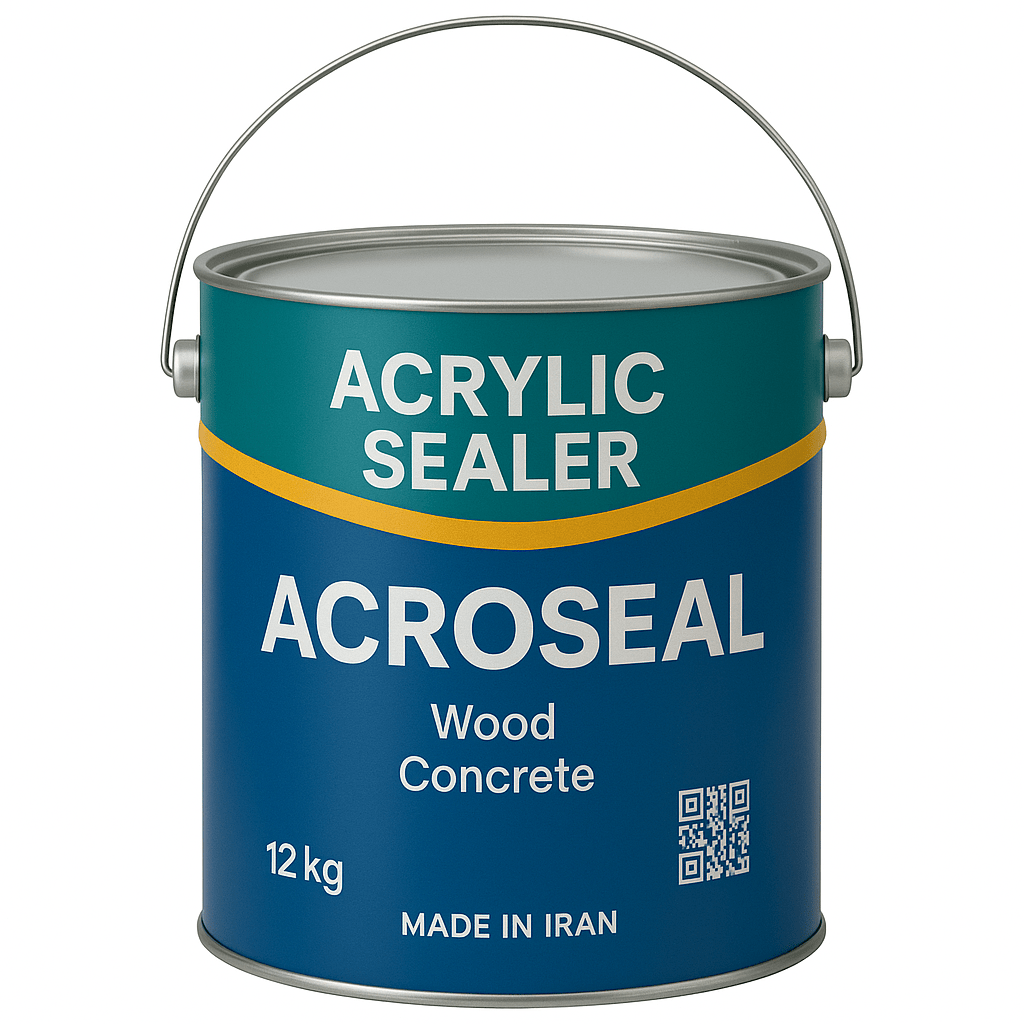
Acrylic Sealer
Acrylic sealers are based on acrylic polymers or copolymers and are widely used where weatherability, appearance, ease of application and relatively fast drying are important.
They can be formulated as solvent borne or waterborne products, depending on the required performance and regulatory conditions.
Main advantages of acrylic sealers
Acrylic systems can offer:
- Good weather resistance
- Good color retention
- Good transparency in appropriate formulations
- Fast drying
- Ease of application
- Good resistance to UV exposure
- Relatively attractive cost/performance balance
Acrylic chemistry is widely used in light- to medium-duty industrial coatings, including some direct-to-metal applications.
Acrylic sealers can also be useful where the appearance of the substrate is important.
Limitations of acrylic sealers
Acrylic systems are not automatically suitable for severe chemical service.
Compared with high-performance epoxy or polyurethane systems, some acrylic formulations can have lower resistance to solvents and aggressive chemicals.
For an outdoor architectural or decorative application, however, this trade-off may be perfectly acceptable.
Typical applications
Acrylic sealers can be considered for:
- Concrete and masonry
- Architectural surfaces
- Decorative applications
- Light industrial surfaces
- Certain metal substrates
- Wood
- Waterborne coating systems
The exact performance depends heavily on the acrylic polymer structure, glass transition temperature, molecular weight, additives and formulation.
Phenolic Sealer
Phenolic resins are an older but still technically important class of thermosetting resins.
They are particularly interesting in applications where chemical resistance and thermal performance are important.
Phenolic chemistry includes different resin structures, with novolac and resole being two important categories.
Phenolic resins can also be combined with other chemistries. For example, epoxy-phenolic systems are used when formulators need to combine the properties of epoxy and phenolic chemistry.
Research and industry literature describe phenolic resins as important materials in coatings and other industrial applications, with resole phenolics being particularly relevant to some direct-to-metal primer formulations.
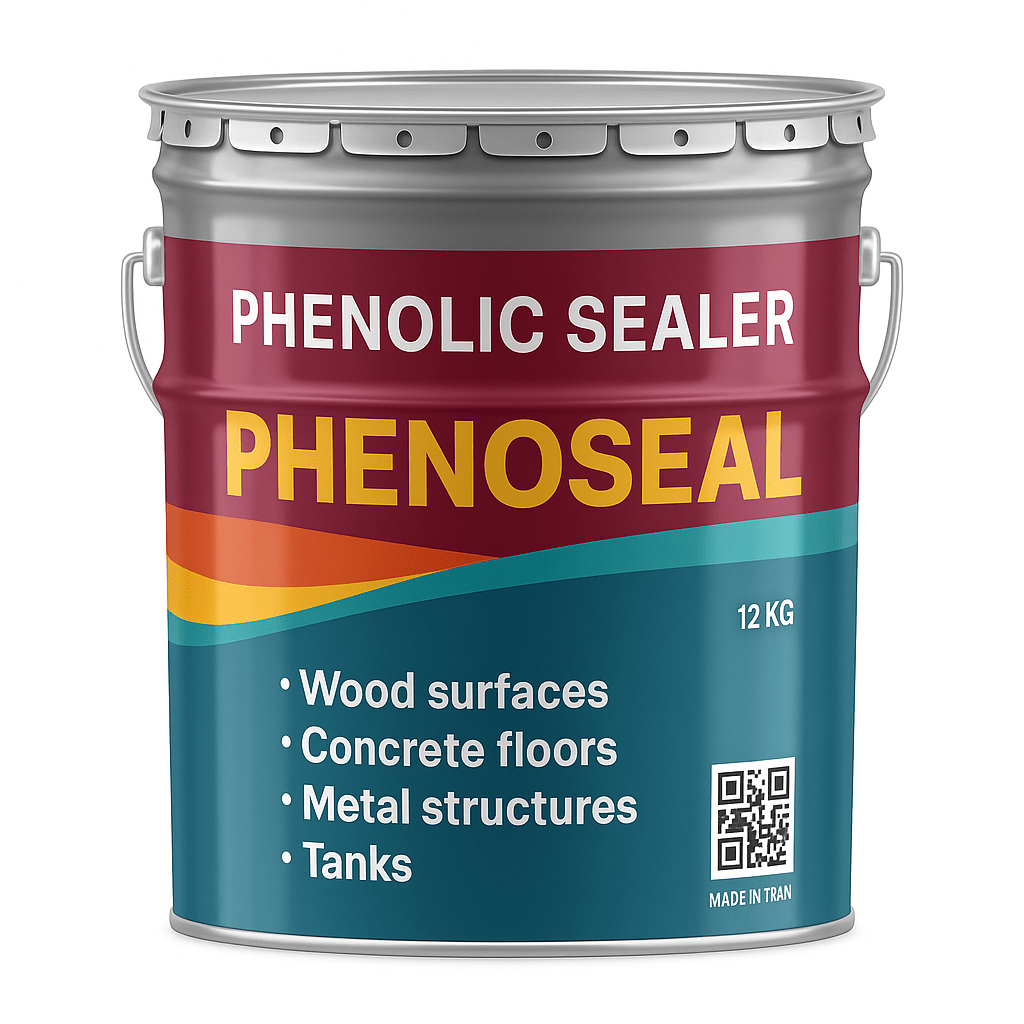
Advantages of phenolic sealers
Depending on formulation, phenolic systems can provide:
- Good chemical resistance
- Good thermal resistance
- Strong hardness
- Good barrier properties
- Useful resistance to aggressive environments
Phenolic chemistry is also valuable when combined with epoxy.
Epoxy-phenolic systems can provide an attractive combination of chemical resistance, toughness, adhesion and flexibility, although some systems require elevated-temperature curing.
Limitations
Phenolic coatings are not a universal replacement for acrylic, epoxy or polyurethane systems.
Their curing requirements, formulation complexity, application conditions and compatibility with other coating layers must be considered.
For industrial buyers, the resin type alone is not enough. The technical data sheet should specify the actual service conditions for which the product has been tested.
Alkyd Sealer
Alkyd resins have been used in coatings for decades and remain important because of their combination of application properties, appearance and cost efficiency.
Chemically, alkyds are modified polyester resins, commonly incorporating fatty acids or oils.
Traditional alkyd coatings are usually associated with solventborne formulations, although modern waterborne alkyd technologies have also been developed.
Alkyds based on drying oils cure through oxidative reactions with oxygen from the atmosphere.
Advantages of alkyd sealers
Typical advantages can include:
- Good wetting
- Good flow and leveling
- Attractive appearance
- Good adhesion to many prepared substrates
- Relatively easy application
- Good balance between cost and performance
- Useful flexibility
Alkyd chemistry remains widely used in coating formulations, although VOC regulations and the development of newer resin systems have changed where and how it is used.
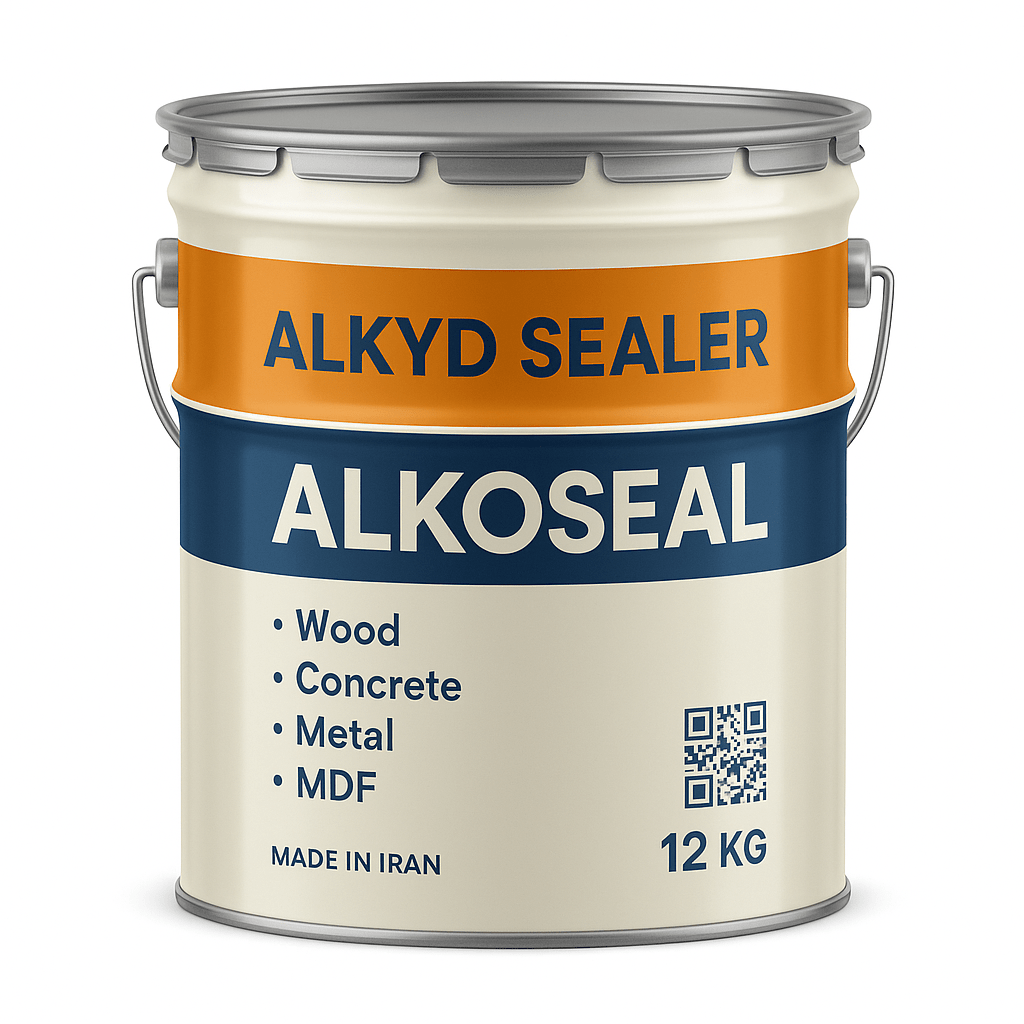
Limitations
Traditional alkyd systems generally do not provide the same level of chemical and immersion resistance associated with high-performance epoxy systems.
They can also have slower oxidative curing compared with some modern fast-drying technologies.
As a result, alkyd sealers are often more appropriate for general-purpose, architectural and light- to medium-duty industrial applications than for severe chemical immersion environments.
Polyurethane Sealer
Polyurethane, or PU, is one of the most versatile high-performance coating technologies.
Polyurethane coatings are generally produced by reacting a polyol component with an isocyanate component. Different polyols and isocyanates can dramatically change the final properties.
This is one of the reasons polyurethane should not be treated as one single type of coating.
A 1K polyurethane and a 2K polyurethane can behave very differently.
Advantages of polyurethane sealers
Depending on chemistry, PU systems can provide:
- Excellent abrasion resistance
- Good flexibility
- Good chemical resistance
- Excellent appearance
- High gloss
- Good weatherability
- Good UV stability
- Strong adhesion
- High durability
Polyurethane coatings are used across automotive, transportation, wood, industrial, marine and other demanding coating applications.
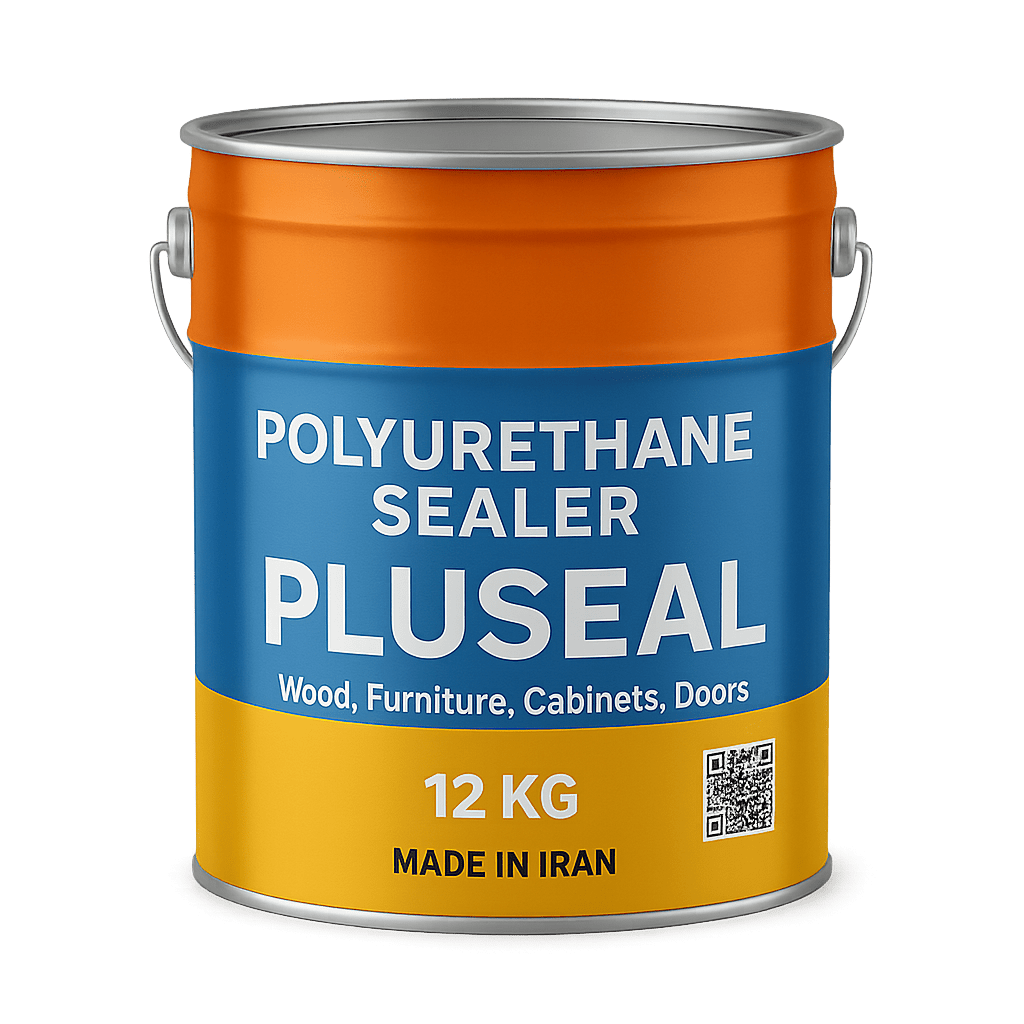
Aliphatic vs aromatic polyurethane
This distinction is important.
Aliphatic polyurethane is generally preferred when long-term UV resistance, color stability and appearance retention are important.
Aromatic polyurethane can offer strong performance and is widely used in applications where long-term color stability is less important.
The choice depends on whether the coating will be exposed to sunlight and whether appearance is a critical requirement.
Limitations
Polyurethane systems can be more sensitive to application conditions than simpler coating technologies.
Moisture, mixing ratio, pot life, humidity, temperature and substrate preparation can all affect performance.
In two-component PU systems, incorrect component ratios can produce a coating that never develops the intended final properties.
For B2B customers, this is why the technical data sheet and application instructions are not optional documents. They are part of the product.
Epoxy Sealer
Epoxy is one of the most widely used resin technologies in industrial protective coatings.
Epoxy coatings are known for strong adhesion, chemical resistance, mechanical performance and barrier protection.
They can be formulated for concrete, steel and other substrates and are used as primers, sealers, intermediate coats and linings.
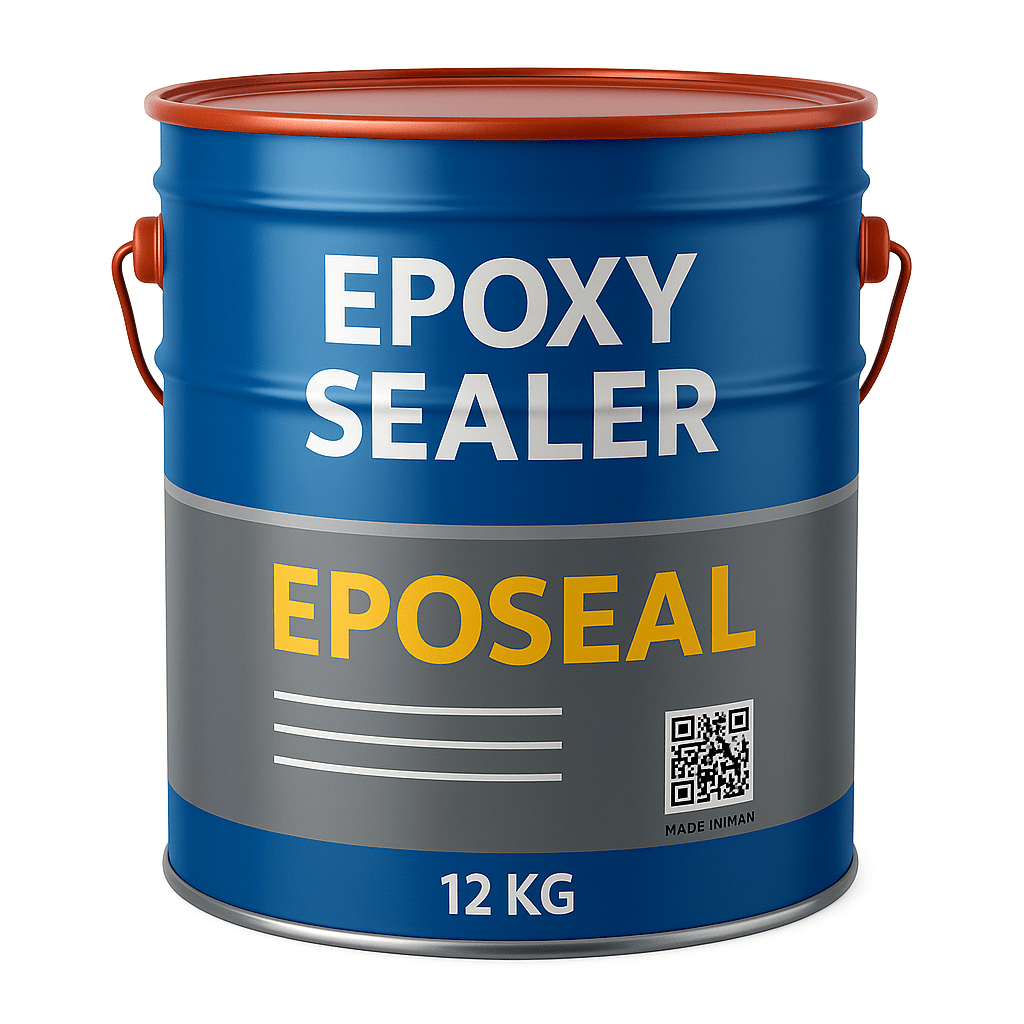
Advantages of epoxy sealers
A well-formulated epoxy sealer can provide:
- Excellent adhesion
- High chemical resistance
- Strong barrier properties
- Good abrasion resistance
- High hardness
- Good moisture resistance
- High-build capability
- Strong corrosion protection
Epoxy coatings are widely used in industrial maintenance, marine and corrosion-control applications because of these properties.
For concrete floors, an epoxy sealer can penetrate and seal the surface before additional resinous layers are applied, depending on the formulation.
Epoxy limitations
The biggest mistake is assuming that epoxy is the answer to every coating problem.
Epoxy can be relatively brittle compared with more flexible coating systems. It also has limited long-term UV stability when exposed directly to sunlight.
For outdoor systems, epoxy is frequently used underneath a UV-resistant polyurethane or another suitable topcoat rather than as the exposed final layer.
Waterborne epoxy
Waterborne epoxy systems have also become increasingly important.
They can reduce solvent emissions and provide practical application advantages, but their final performance depends heavily on formulation and curing conditions.
Waterborne epoxy should therefore not automatically be assumed to perform identically to a solventborne or 100%-solids epoxy system.
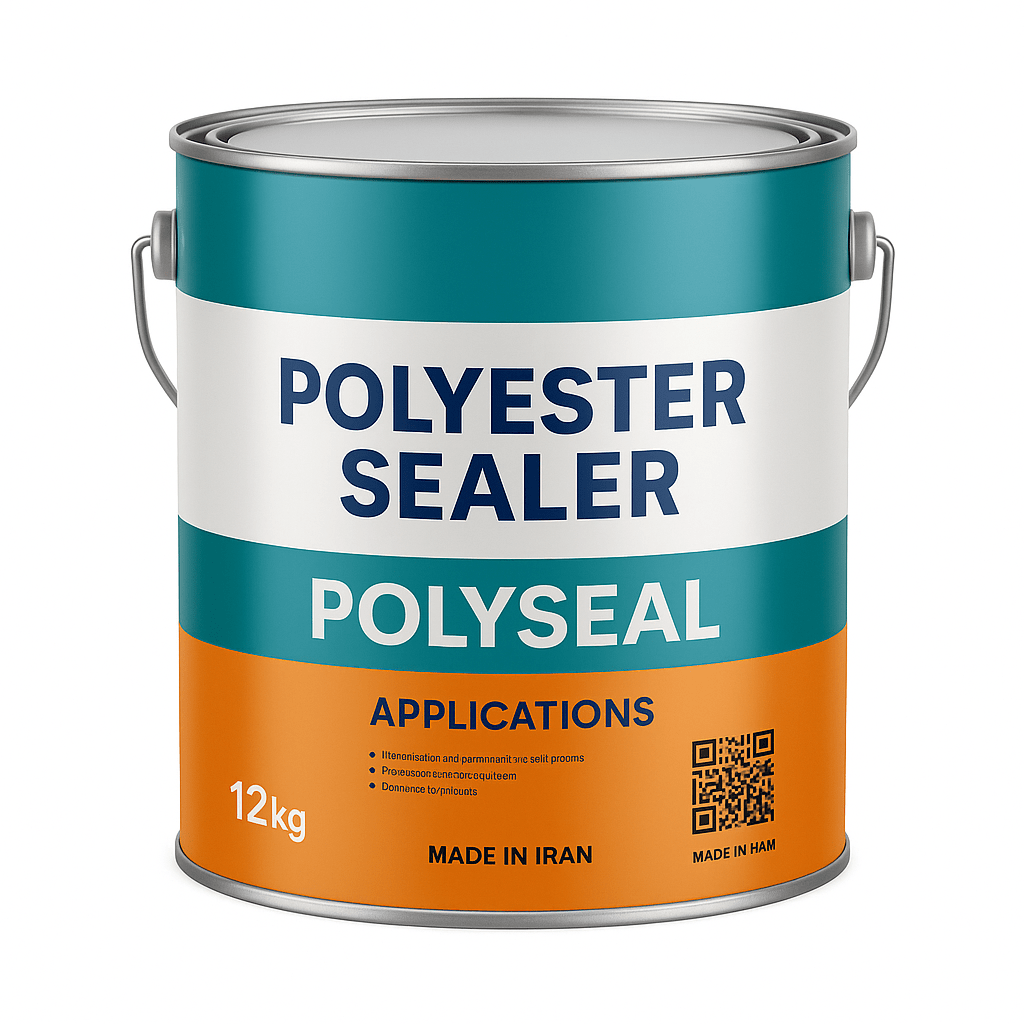
Polyester Sealer
Polyester resins are another important family of coating materials.
Polyester coatings can offer high hardness, good mechanical properties and useful chemical resistance, depending on resin structure and curing technology.
Polyester chemistry is also closely related to alkyd chemistry, although conventional polyester and alkyd systems should not be treated as identical.
One important consideration is adhesion.
Certain polyester coatings can have excellent cohesive strength but relatively poor adhesion to smooth metal surfaces, making substrate preparation or modification of the resin system especially important. (ScienceDirect)
Advantages of polyester sealers
Depending on the formulation, polyester systems can provide:
- High hardness
- Good chemical resistance
- Good mechanical strength
- Good surface finish
- Useful corrosion-protection properties
- Compatibility with certain powder or high-performance coating technologies
Polyester systems are also widely used in powder coatings and other industrial coating applications.
Limitations
A polyester system that performs extremely well on one substrate may not be the best choice for another.
Adhesion, flexibility, curing conditions and UV stability should be evaluated for the specific application.
In some high-performance formulations, polyester is combined with epoxy to create epoxy-polyester systems. Such hybrid systems can provide a useful combination of chemical resistance, adhesion and flexibility.
Sealer Coating Comparison: Which Resin Is Best?
There is no universal winner.
A practical comparison looks more like this:
| Sealer Type | Main Strengths | Typical Considerations |
|---|---|---|
| Acrylic Sealer | Weatherability, appearance, ease of application | Moderate chemical resistance depending on formulation |
| Phenolic Sealer | Chemical and thermal resistance | Curing and application requirements |
| Alkyd Sealer | Wetting, flow, appearance, cost efficiency | Lower severe-service chemical resistance |
| Polyurethane Sealer | UV resistance, abrasion resistance, flexibility, appearance | Application sensitivity and formulation complexity |
| Epoxy Sealer | Adhesion, chemical resistance, hardness, barrier protection | UV limitations and potential brittleness |
| Polyester Sealer | Hardness, mechanical strength, chemical resistance | Adhesion and flexibility depend strongly on formulation |
This table should not be treated as a substitute for a technical data sheet. Resin families contain many grades, and additives, crosslinkers, pigments, fillers and molecular architecture can significantly change performance.
The Resin Is Only Part of the Formula
One of the most common mistakes in coating purchasing is comparing products only by resin type.
Two products may both be described as “epoxy sealers” and perform very differently.
Why?
Because a coating formulation contains much more than resin.
A typical formulation may contain:
- Binder/resin
- Curing agent
- Pigments
- Fillers
- Solvents or water
- Dispersants
- Wetting agents
- Defoamers
- Flow modifiers
- Rheology modifiers
- Catalysts
- UV stabilizers
- Corrosion inhibitors
- Other functional additives
The final performance is the result of how these components work together.
This is why simply asking a supplier for “the best epoxy” is not a technically complete purchasing specification.
A buyer should instead define the application and required performance.
How to Evaluate a Sealer Coating Before Buying
For international B2B purchasing, a professional evaluation should begin with documentation.
Ask the supplier for the following:
1. Technical Data Sheet (TDS)
The TDS should normally provide information such as:
- Resin type
- Appearance
- Solids content
- Density
- Viscosity
- Mixing ratio, if two-component
- Pot life
- Drying time
- Recommended film thickness
- Coverage
- Application method
- Recommended substrate
- Curing conditions
- Chemical resistance
- Temperature resistance
- Shelf life
2. Safety Data Sheet (SDS)
The SDS is essential for understanding:
- Hazard classification
- Handling requirements
- Storage conditions
- VOC-related information
- Personal protective equipment
- Transport considerations
- Chemical composition information where disclosed
3. Test Reports
For industrial applications, test data can be much more valuable than marketing claims.
Depending on the application, useful tests may include:
- Adhesion
- Abrasion resistance
- Impact resistance
- Chemical resistance
- Water resistance
- Salt spray
- UV/weathering
- Hardness
- Flexibility
- Gloss retention
ASTM methods commonly used in coating evaluation include D3359 for cross-cut adhesion, D4541 for pull-off adhesion, D4060 for abrasion, D522 for flexibility, D2794 for impact resistance and D523 for gloss. (PubMed Central (PMC))
Substrate Preparation Can Make or Break the Coating
Even an excellent sealer can fail when applied over a badly prepared surface.
For metal, the preparation may include:
- Degreasing
- Removal of rust
- Abrasive blasting
- Mechanical cleaning
- Removal of salts and contaminants
- Creation of an appropriate surface profile
For concrete, preparation may involve:
- Removal of laitance
- Grinding
- Shot blasting
- Cleaning
- Removal of oil and contaminants
- Moisture testing
- Repair of cracks or weak areas
The coating and the substrate have to be considered as one system.
This is especially important for industrial buyers because a supplier should be able to explain not only what the product does, but also how the product should be applied.
Common Reasons Why Sealer Coatings Fail
When a coating fails, people often blame the resin first.
That is not always correct.
Common causes include:
Poor surface preparation
Oil, dust, salts, rust, loose particles or moisture can prevent proper adhesion.
Incorrect film thickness
Too little coating may provide insufficient protection. Too much can cause internal defects.
Wrong mixing ratio
This is especially important with two-component epoxy and polyurethane products.
Insufficient curing
Low temperature, high humidity, incorrect catalyst concentration or insufficient curing time can prevent the coating from reaching its intended performance.
Incompatible coating layers
A sealer must be compatible with the primer and topcoat.
Incorrect resin selection
Acrylic may be perfectly suitable for one application but unsuitable for continuous chemical immersion. Epoxy may be excellent for chemical resistance but inappropriate as the exposed UV-resistant finish.
Ignoring the substrate
Concrete, steel, wood, plastic and composite materials behave differently.
A good coating system begins with understanding what it is supposed to protect.
How B2B Buyers Should Compare Sealer Coatings
For international procurement, price per kilogram is rarely enough to determine the real cost.
A better comparison includes:
Cost per square meter of protected surface + expected service life + application cost + maintenance cost.
For example, a cheaper coating that requires more coats, has lower solids content or needs frequent maintenance may ultimately cost more than a higher-priced high-solids system.
A buyer should also compare:
- Solids by volume
- Recommended DFT
- Coverage
- Packaging
- Shelf life
- Mixing requirements
- Application equipment
- Drying time
- Recoat window
- Chemical resistance
- Expected service conditions
- Certification requirements
- Regulatory requirements
- Technical support
This is particularly important when importing coating materials because the cheapest product at the factory gate is not necessarily the lowest-cost solution after transportation, application and maintenance are included.
What Should a High-Quality Sealer Supplier Be Able to Tell You?
A serious industrial coating supplier should be able to answer specific technical questions.
For example:
What substrate is the product designed for?
What is the recommended dry film thickness?
What is the volume solids percentage?
What is the coverage at the recommended thickness?
Is it one-component or two-component?
If it is two-component, what is the exact mixing ratio?
What is the pot life?
What are the minimum and maximum application temperatures?
What is the acceptable substrate moisture level?
What chemicals has the product been tested against?
What is the UV/weathering performance?
What is the recommended topcoat?
Which ASTM or other standard test methods were used?
A supplier that cannot answer basic technical questions should be evaluated carefully, particularly for industrial projects.
Choosing the Right Sealer: Application Comes First
The best way to select a sealer is to start with the service environment.
Consider these questions:
What is the substrate?
Concrete?
Steel?
Wood?
Plastic?
Composite?
Previously coated surface?
Where will it be used?
Indoor?
Outdoor?
Underground?
Marine?
Chemical plant?
Warehouse?
Food-processing area?
What will it be exposed to?
Water?
Humidity?
UV radiation?
Oil?
Solvents?
Acids?
Alkalis?
Salt?
Abrasion?
Temperature fluctuations?
What is the expected service life?
A temporary protective coating and a 10- or 15-year industrial coating should not be evaluated using the same criteria.
Final Thoughts: Quality Is a System, Not a Label
A high-quality sealer coating is not defined simply by its resin name, price or marketing description.
Acrylic, phenolic, alkyd, polyurethane, epoxy and polyester technologies can all produce excellent coating systems when correctly formulated and correctly matched to the application.
The key is balance.
A good sealer needs the right combination of:
adhesion, film formation, chemical resistance, moisture resistance, mechanical durability, flexibility, hardness, curing behavior and environmental resistance.
And there is another point that is often overlooked: the coating itself is only one part of the final result.
Surface preparation, application conditions, film thickness, curing and compatibility with other coating layers can have just as much influence on the service life of the system.
For industrial buyers, therefore, the right approach is not to ask:
“Which sealer coating is the best?”
Instead, ask:
“Which sealer coating provides the right performance for my substrate and service environment, at an acceptable total cost?”
That question leads to much better purchasing decisions.
For manufacturers, distributors and international buyers, the most useful specification is one that clearly defines the substrate, exposure conditions, application method, required film thickness and target performance. Once these parameters are established, the appropriate resin technology becomes much easier to identify.
Acrylic may be the right answer for one project. Epoxy may be the obvious choice for another. Polyurethane may be required where UV and abrasion resistance are critical, while phenolic or epoxy-phenolic systems may be considered for demanding chemical or thermal service. Alkyd and polyester technologies continue to have their own valuable positions where their particular balance of properties makes commercial and technical sense.
In the end, a high-quality sealer coating is not simply the coating with the strongest resin. It is the coating that continues to do its job after application, under the real conditions for which it was selected.
www.irancorps.com
A platform that connects you with Verified Iranian Suppliers and Exporters, FREE & EASY