
 Arabic
Blog
In today’s fast-growing hygiene and cleaning industry, detergents have become an indispensable part of modern life. From household laundry products and dishwashing liquids to industrial cleaning agents and institutional sanitation products, detergents play a crucial role in maintaining cleanliness and hygiene standards. Behind the effectiveness of these cleaning products lies a combination of carefully selected raw materials, among which Caustic Soda (Sodium Hydroxide – NaOH) stands out as one of the most essential chemicals in detergent manufacturing.
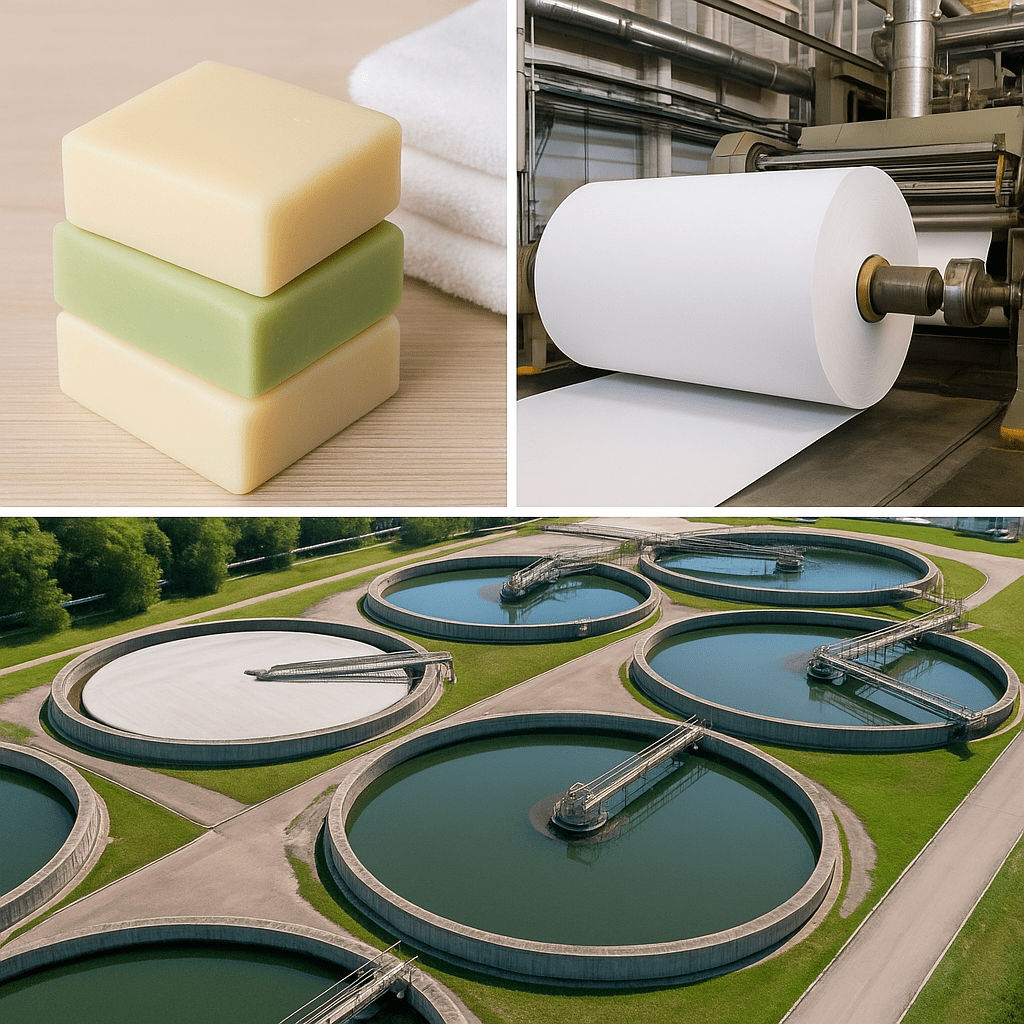
For detergent manufacturers, choosing the right raw materials directly affects product quality, cleaning efficiency, formulation stability, and manufacturing cost. Among these materials, sodium hydroxide performs several key chemical and functional roles that significantly enhance detergent performance.
This article explores the importance of caustic soda in detergent manufacturing, its chemical properties, industrial applications, advantages, production considerations, and why high-quality caustic soda is critical for detergent producers worldwide.
What is Caustic Soda?
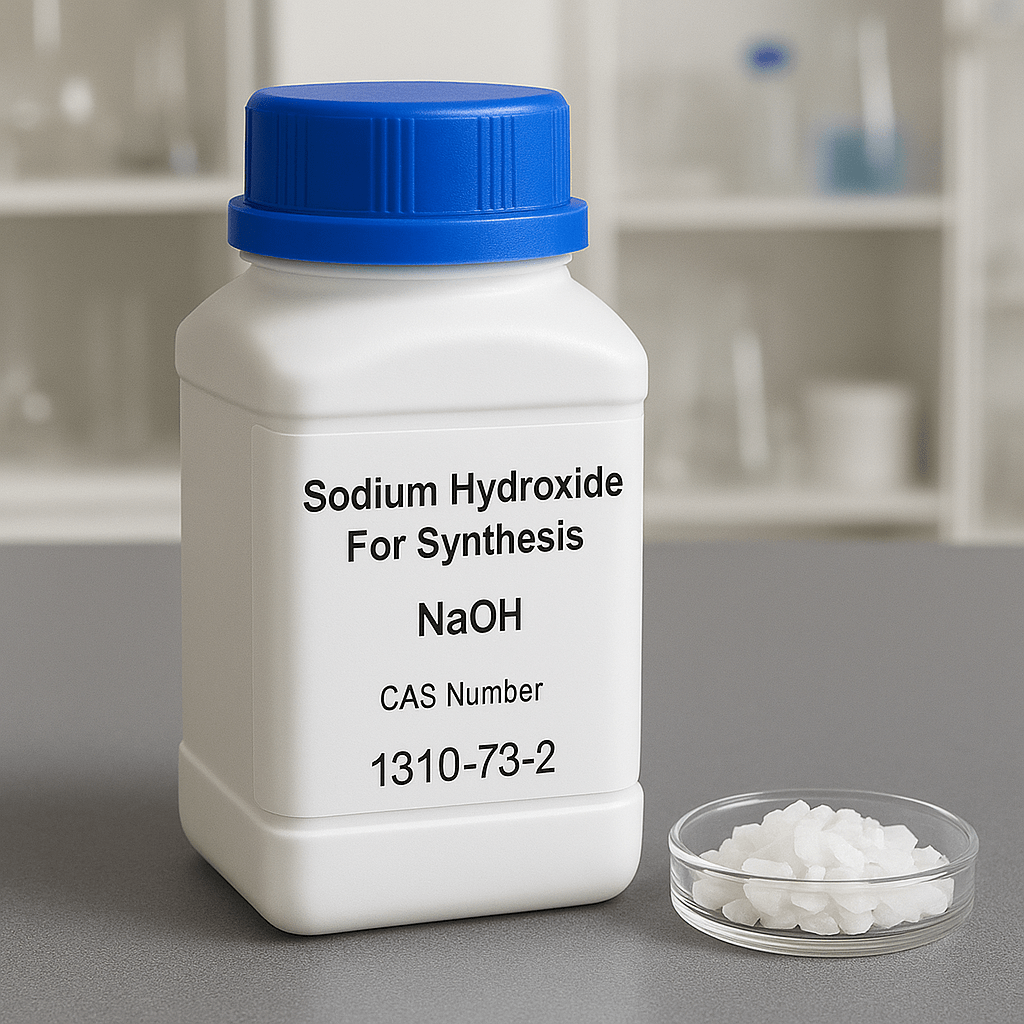
Caustic soda, scientifically known as Sodium Hydroxide (NaOH), is a highly alkaline inorganic compound widely used in industrial manufacturing. It appears in different commercial forms including:
- Caustic Soda Flakes
- Caustic Soda Pearls
- Liquid Caustic Soda (Lye Solution)
The chemical is known for its powerful alkaline characteristics and its ability to react with fats, oils, proteins, and organic materials. Because of these properties, caustic soda is highly valuable in detergent and soap production.
Sodium hydroxide is generally manufactured through the chlor-alkali process, in which sodium chloride (salt brine) undergoes electrolysis to produce chlorine gas, hydrogen gas, and caustic soda.
Its high alkalinity enables it to break down grease, oils, and stubborn stains effectively, making it a fundamental component in cleaning formulations.
Chemical Properties of Caustic Soda
Understanding the chemical properties of caustic soda helps explain why it is so valuable in detergent production.
Some key characteristics include:
Chemical Formula: NaOH
Molecular Weight: 40.00 g/mol
Appearance: White solid, flakes, pearls, or liquid solution
Solubility: Highly soluble in water
pH Level: Extremely alkaline (around pH 13–14)
Reactivity: Strongly reacts with acids and organic compounds
These properties allow sodium hydroxide to function effectively as a cleaning enhancer, pH regulator, saponification agent, and grease remover.
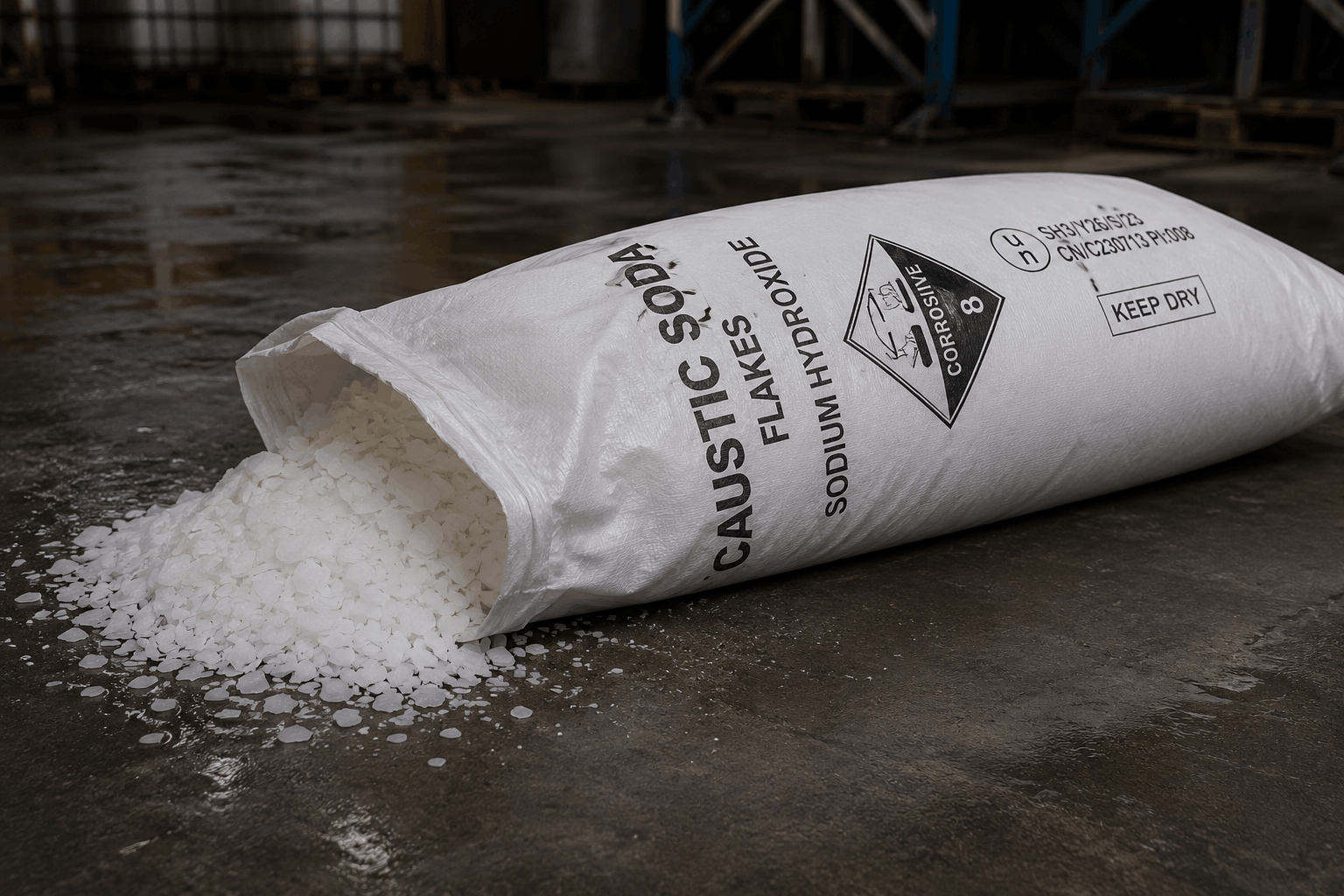
Why Caustic Soda is Important in Detergent Manufacturing
The global detergent industry depends heavily on chemical performance and formulation precision. Cleaning products must remove dirt efficiently while remaining stable, safe, cost-effective, and commercially scalable.
Caustic soda contributes to detergent manufacturing in several ways.
1. Essential Role in Soap Formation (Saponification Process)
One of the most significant applications of caustic soda in detergent production is its involvement in the saponification reaction.
Saponification refers to the chemical reaction between fats or oils and sodium hydroxide, resulting in soap formation.
The simplified chemical process is:
Fat/Oil + Sodium Hydroxide = Soap + Glycerol
This reaction forms the foundation of traditional soap manufacturing and remains highly important in many detergent formulations today.
Without caustic soda, soap molecules capable of emulsifying oils and removing dirt cannot be efficiently produced.
Manufacturers rely on carefully controlled caustic soda concentrations to ensure:
- Consistent soap texture
- Proper cleansing performance
- Stable formulation quality
- Reduced waste during production
The accuracy of sodium hydroxide dosage directly impacts the quality of finished detergent products.
2. Powerful Grease and Oil Removal
One of the biggest challenges in cleaning technology is removing stubborn grease, fats, and oily contamination.
Caustic soda is extremely effective because of its ability to chemically break down organic substances.
When detergents containing sodium hydroxide interact with grease deposits, the alkali helps dissolve and emulsify oily materials, making them easier to wash away.
This function is especially important in:
- Laundry detergents
- Kitchen degreasers
- Dishwashing products
- Industrial cleaners
- Heavy-duty degreasing agents
Industrial detergent manufacturers particularly value sodium hydroxide because it significantly improves the performance of cleaning formulations used in factories, food processing plants, and machinery maintenance.
For industries dealing with oils and fats, caustic soda-based detergents often provide superior cleaning efficiency compared to less alkaline alternatives.
3. pH Regulation in Detergent Formulations
Maintaining proper alkalinity is essential in detergent manufacturing.
The pH level of a detergent affects:
- Cleaning effectiveness
- Stain removal capability
- Product stability
- Chemical compatibility
Caustic soda helps maintain the desired alkaline balance within detergent formulations.
Alkaline detergents generally perform better when removing:
- Protein stains
- Grease contamination
- Organic deposits
- Industrial dirt
The controlled use of sodium hydroxide allows manufacturers to formulate products optimized for different cleaning applications.
For example:
Mild alkaline formulations may be suitable for household cleaning products.
High alkaline formulations are often required for industrial cleaning systems.
Balancing pH levels properly can improve detergent efficiency while preventing excessive corrosion or instability.
4. Enhancing Surfactant Performance
Surfactants are the active ingredients responsible for reducing surface tension and helping detergents remove dirt.
Caustic soda often contributes indirectly to surfactant efficiency by creating optimal alkaline conditions.
Proper pH environments help surfactants function more effectively by:
- Improving soil suspension
- Breaking down oily residues
- Supporting emulsification
- Enhancing stain removal
This synergistic effect helps manufacturers create stronger and more reliable detergent formulations.
5. Production of Industrial Cleaning Chemicals
Beyond household detergents, caustic soda is heavily used in industrial cleaning products.
Heavy-duty industrial detergents require stronger chemical action to clean:
- Manufacturing equipment
- Industrial machinery
- Storage tanks
- Processing systems
- Metal surfaces
In sectors such as:
- Food processing
- Oil & gas
- Textile manufacturing
- Automotive industry
- Chemical processing
Caustic soda-based cleaning products are widely preferred because of their superior grease-cutting capabilities.
Their ability to dissolve fats, oils, proteins, and biological residues makes them highly effective for industrial sanitation.
Types of Detergents Using Caustic Soda
Caustic soda is found in various detergent categories.
Household Laundry Detergents
Laundry detergents frequently include sodium hydroxide to help remove stains, oils, and body residues from fabrics.
Its alkaline effect improves washing performance while supporting stain breakdown.
Dishwashing Detergents
Kitchen grease can be difficult to remove.
Caustic soda contributes to dishwashing formulations by dissolving food residues and oily contamination efficiently.
Industrial Degreasers
Factories and industrial facilities require high-strength cleaners.
Caustic soda enables powerful degreasing action necessary for machinery cleaning.
Floor and Surface Cleaners
Commercial cleaning products often contain sodium hydroxide for improved sanitation and removal of heavy dirt accumulation.
Soap-Based Cleaning Products
Many traditional soap formulations rely directly on caustic soda through saponification.
The quality of sodium hydroxide strongly influences the finished product quality.
Why High-Quality Caustic Soda Matters in Detergent Production
Not all caustic soda grades offer the same performance.
Impurities in sodium hydroxide may negatively affect:
- Product consistency
- Chemical stability
- Cleaning efficiency
- Manufacturing reliability
Detergent manufacturers typically seek high-purity caustic soda (98–99%) to ensure reliable production standards.
High-quality caustic soda offers:
Better Production Efficiency
Fewer impurities mean smoother manufacturing processes.
Improved Cleaning Performance
Pure sodium hydroxide improves detergent effectiveness.
Stable Product Quality
Consistency across production batches increases customer satisfaction.
Lower Manufacturing Risks
Reduced contamination minimizes operational problems.
Reliable sourcing therefore becomes an important strategic consideration for detergent producers.
Source: irancorps