

 Arabic
Blog
Introduction
From conventional oil fields to deep wells and offshore projects, calcium chloride plays a significant role in improving drilling fluid performance, protecting reservoirs, stabilizing shale formations, and increasing operational efficiency.
In this article, we explore the major applications of calcium chloride in oil and gas drilling, its advantages, available grades, and why it remains one of the preferred chemicals for drilling fluid engineers.
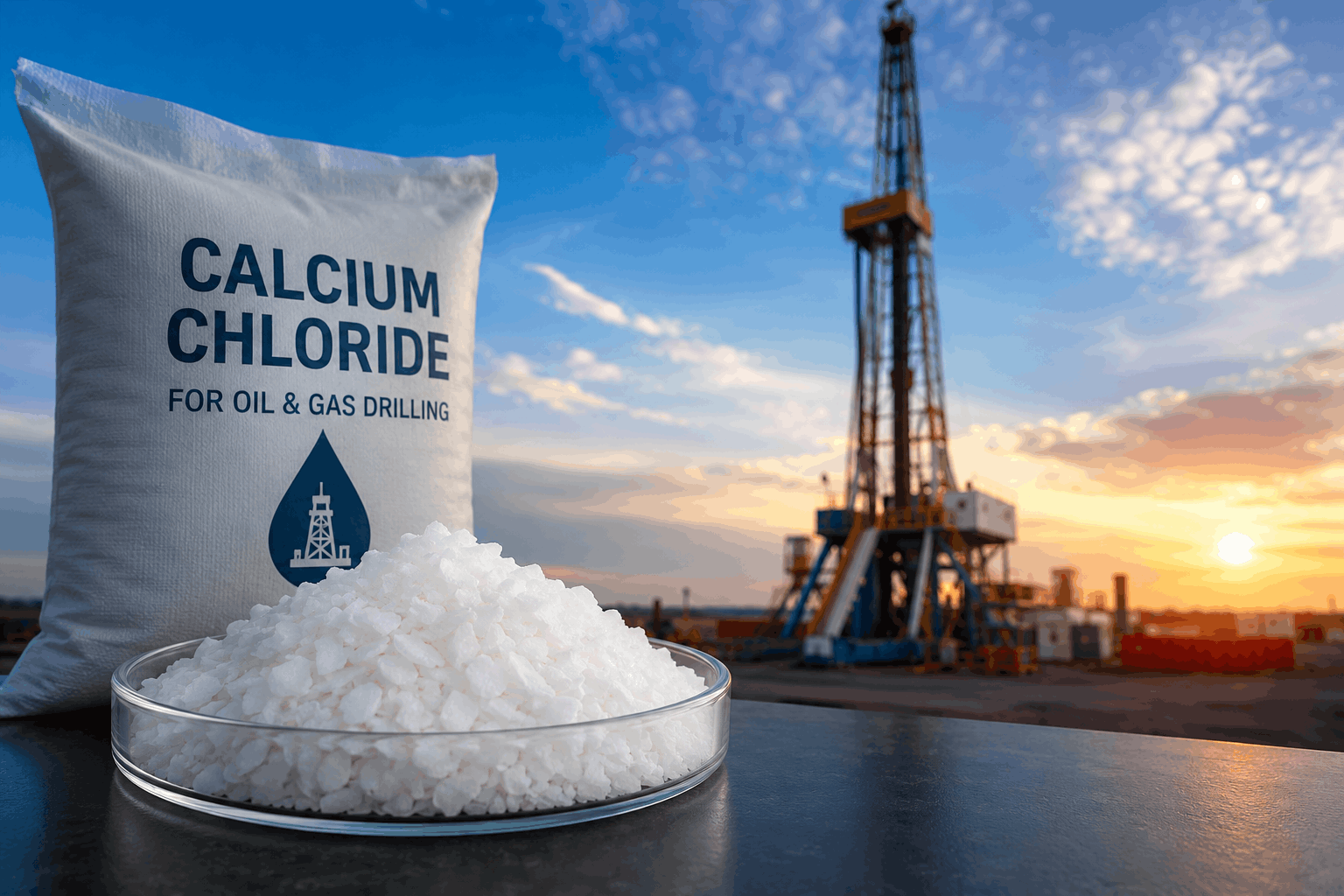
What Is Calcium Chloride?
Calcium chloride is an inorganic compound with the chemical formula CaCl₂. It is commonly produced in flakes, granules, pellets, or powder form and is highly soluble in water.
Industrial calcium chloride is available in several purity levels, with the most common grades including:
- 74% Calcium Chloride Flakes
- 77% Calcium Chloride Flakes
- 90% Calcium Chloride Pellets
- 94% Anhydrous Calcium Chloride
Each grade is selected depending on the drilling program, required fluid density, and operational conditions.
Why Is Calcium Chloride Used in Oil & Gas Drilling?
Modern drilling operations require fluids that can perform under high pressure, high temperature, and chemically aggressive environments.
Calcium chloride offers several properties that make it ideal for these demanding conditions:
- High water solubility
- Ability to increase fluid density
- Excellent shale inhibition
- Reduced clay swelling
- Compatibility with many drilling fluid additives
- Low corrosiveness compared to some alternative salts
- Stable performance over a wide temperature range
- Cost-effective solution for drilling operations
These characteristics make calcium chloride one of the most reliable salts for drilling and completion fluids.
Major Applications of Calcium Chloride in Oil & Gas Drilling
1. Drilling Fluid Formulation
One of the primary applications of calcium chloride is in water-based drilling fluids.
The salt increases the density of drilling mud while maintaining suitable rheological properties. Proper mud density is essential for balancing formation pressure and preventing well control issues.
Benefits include:
- Improved wellbore stability
- Better pressure control
- Reduced fluid loss
- Enhanced drilling efficiency
2. Shale Stabilization
Reactive shale formations are among the biggest challenges during drilling operations.
When shale absorbs water, it tends to swell, weaken, and eventually collapse, leading to costly drilling problems.
Calcium chloride helps prevent this by:
- Reducing water activity
- Limiting clay hydration
- Minimizing shale swelling
- Maintaining borehole integrity
As a result, drilling interruptions and non-productive time can be significantly reduced.
3. Completion Fluids
Completion fluids are introduced after drilling to prepare the well for production.
Calcium chloride brines are commonly selected because they:
- Are solids-free
- Minimize reservoir damage
- Provide excellent density control
- Protect producing formations
Properly formulated calcium chloride brines help maintain formation productivity while reducing the risk of plugging reservoir pores.
4. Workover Operations
During workover and well intervention operations, maintaining well control is essential.
Calcium chloride brines are widely used because they:
- Generate hydrostatic pressure
- Reduce formation damage
- Maintain clean well conditions
- Improve operational safety
Their compatibility with sensitive formations makes them suitable for many maintenance procedures.
5. Well Killing Fluids
Before maintenance or repair operations, wells often require temporary pressure control.
Calcium chloride brines serve as effective kill fluids because they:
- Increase hydrostatic pressure
- Maintain fluid stability
- Reduce equipment corrosion
- Can be prepared quickly on-site
6. Fluid Density Adjustment
Different reservoirs require different mud weights.
Calcium chloride allows drilling engineers to increase fluid density without introducing excessive solids into the drilling system.
Advantages include:
- Better pressure management
- Lower solids content
- Improved circulation
- Reduced wear on drilling equipment
Advantages of Calcium Chloride in Drilling Operations
Oilfield operators continue to use calcium chloride because it provides numerous operational benefits.
Improved Wellbore Stability
Stable wellbores reduce the risk of stuck pipe, washouts, and collapse.
Reduced Clay Swelling
Many formations contain swelling clays that create drilling complications.
Calcium ions replace sodium ions within clay structures, reducing water absorption and improving formation stability.
Excellent Solubility
Calcium chloride dissolves rapidly in water, making drilling fluid preparation faster and more efficient.
Wide Temperature Performance
Unlike some chemical additives, calcium chloride performs reliably under both low and high-temperature drilling conditions.
Cost Efficiency
Compared with many specialty drilling chemicals, calcium chloride offers an economical solution while delivering dependable performance.
Calcium Chloride Brines
Calcium chloride is commonly used to prepare clear brine fluids.
These brines provide:
- High density
- Low solids content
- Excellent filtration properties
- Reservoir compatibility
- Reduced formation damage
Typical applications include:
- Completion fluids
- Workover fluids
- Packer fluids
- Well killing fluids
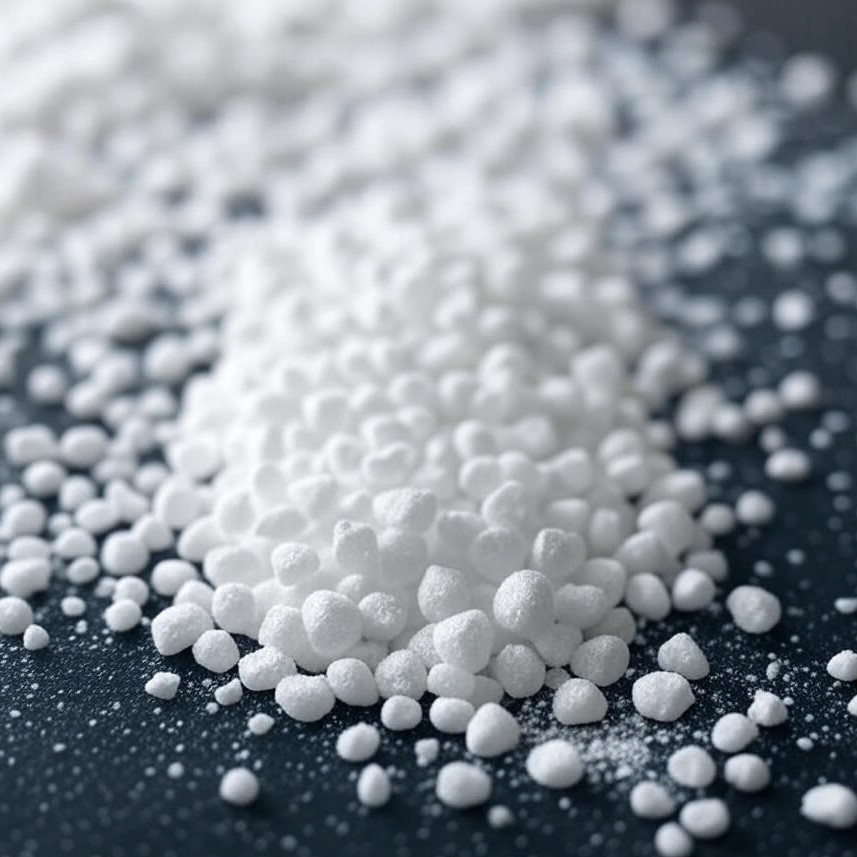
Common Grades Used in Oilfields
Different drilling applications require different concentrations.
Typical commercial grades include:
| Grade | Typical Application |
|---|---|
| 74% Flakes | Water-based drilling mud |
| 77% Flakes | General drilling operations |
| 90% Pellets | High-performance drilling fluids |
| 94% Anhydrous | High-density brines and specialized applications |
The appropriate grade depends on the desired fluid density and operational requirements.
Storage and Handling
Because calcium chloride is highly hygroscopic, proper storage is essential.
Recommended practices include:
- Store in sealed moisture-proof bags.
- Keep products in dry, covered warehouses.
- Avoid prolonged exposure to humid air.
- Protect from water before use.
- Use clean equipment during mixing.
Following these guidelines helps preserve product quality and ensures consistent performance.
Environmental Considerations
When used according to industry regulations, calcium chloride is considered a practical and widely accepted drilling chemical.
Operators should always:
- Follow local environmental regulations.
- Handle brines responsibly.
- Prevent uncontrolled discharge.
- Dispose of used drilling fluids through approved waste management systems.
Proper handling minimizes environmental impact while maintaining safe operations.
Choosing the Right Calcium Chloride Supplier
Selecting a reliable supplier is just as important as choosing the correct product grade.
When evaluating suppliers, consider:
- Consistent product quality
- Stable purity levels
- Reliable packaging
- Bulk export capability
- International shipping experience
- Technical documentation
- Competitive pricing
- Timely delivery
Working with an experienced exporter helps ensure uninterrupted supply for drilling projects worldwide.
Global Demand for Calcium Chloride in Oil & Gas
Although calcium chloride is used in many industries, the oil and gas sector remains one of its largest consumers.
Demand continues to grow due to:
- Expansion of drilling activities
- Increased offshore exploration
- Development of unconventional reservoirs
- Higher demand for efficient completion fluids
- Growth in well intervention services
Countries with active oil and gas industries consistently require large volumes of industrial-grade calcium chloride for drilling and completion operations.
Conclusion
Calcium chloride has established itself as one of the most important chemicals used in modern oil and gas drilling. Its ability to stabilize shale formations, increase drilling fluid density, prepare high-performance completion brines, and improve overall drilling efficiency makes it indispensable across upstream operations.
From drilling and completion to workover and well control, calcium chloride provides reliable performance, operational flexibility, and cost-effective solutions for challenging drilling environments. As global energy exploration continues to evolve, the demand for high-quality calcium chloride is expected to remain strong.
For companies involved in oilfield chemical procurement, selecting high-quality calcium chloride from an experienced supplier ensures consistent performance, improved operational reliability, and successful drilling outcomes.
Frequently Asked Questions (FAQ)
Is calcium chloride used in drilling mud?
Yes. Calcium chloride is commonly added to water-based drilling muds to increase density, improve shale inhibition, and enhance wellbore stability.
Why is calcium chloride preferred for completion fluids?
Because it forms clear, solids-free brines that help minimize formation damage while providing the hydrostatic pressure needed during completion operations.
Which calcium chloride grade is most commonly used in oilfields?
Industrial grades such as 74%, 77%, 90%, and 94% are widely used. The appropriate grade depends on the required fluid density and the specific drilling application.
Does calcium chloride reduce clay swelling?
Yes. Calcium ions help inhibit the hydration and swelling of clay minerals, reducing wellbore instability and improving drilling performance.
Can calcium chloride be exported in bulk quantities?
Yes. Calcium chloride is commonly supplied worldwide in 25 kg bags, jumbo bags, and bulk shipments for industrial and oilfield applications.
Source: www.irancorps.com