

 Arabic
shop
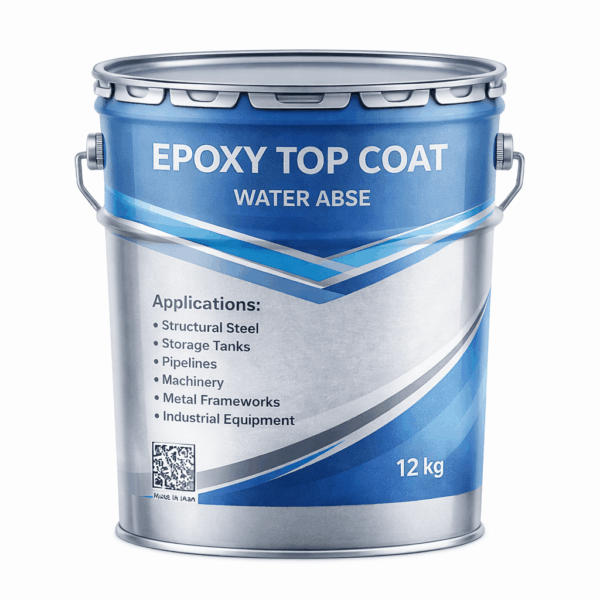
Water Based Epoxy Top Coat
Water Based Epoxy Top Coats are available in two-component systems (water-based epoxy resin + curing agent) and in standard, high-build, and abrasion-resistant grades depending on application requirements. Typical applications include structural steel, industrial equipment, storage tanks (external surfaces), power plants, water treatment facilities, concrete floors, parking areas, and indoor industrial environments. Key specifications include good adhesion to properly prepared steel and concrete, fast drying, low odor, and resistance to moisture, oils, and mild chemicals. These coatings can be applied by airless spray, roller, or brush and are compatible with water-based epoxy primers and conventional epoxy interlayers.
Water Based Epoxy Top Coat paints are supplied as two-component kits in 12 kg and 20 kg metal or plastic pails, as well as bulk packaging for large-scale projects. Export packages are palletized, shrink-wrapped, and labeled in accordance with international shipping standards. Water Based Epoxy Top Coat paints offer buyers a cost-effective, sustainable, and regulation-compliant solution for durable surface protection in industrial and commercial coating systems.
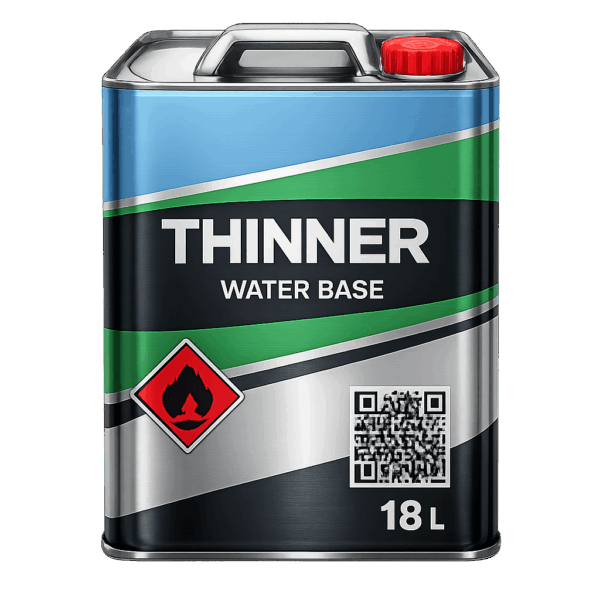
Water Based Paint Thinner
Water-based paint thinner promotes excellent leveling and consistent film formation during application. Its controlled evaporation rate provides sufficient open time, allowing proper coating formation without surface defects. The formulation improves spray atomization and reduces common issues such as brush marks, roller marks, and uneven thickness. It enhances wetting and adhesion on substrates including concrete, wood, metal, and previously painted surfaces. This thinner helps maintain the original color tone, gloss level, and durability of the paint system. Its low-odor composition makes it suitable for indoor and occupied environments. Water-based paint thinner is compatible with a wide range of acrylic, vinyl, and hybrid water-borne coatings. It supports stable performance in both manual and automated application processes. Easy mixing ensures predictable results on site. The product contributes to safer working conditions. It reduces environmental impact compared to solvent-based alternatives. It meets modern environmental and safety regulations.
Typical applications include thinning water-based primers, intermediate coats, and top coats in architectural and industrial projects. Water-based paint thinner is widely used in residential buildings, commercial spaces, factories, and maintenance operations. It is suitable for application by spray, roller, or brush. Proper use improves coverage and helps reduce overall paint consumption. The product supports consistent quality in large-scale projects. Available in various packaging sizes for commercial supply. It offers an optimal balance between performance, efficiency, and sustainability. Water-based paint thinner remains a reliable solution for high-quality water-borne coating systems.
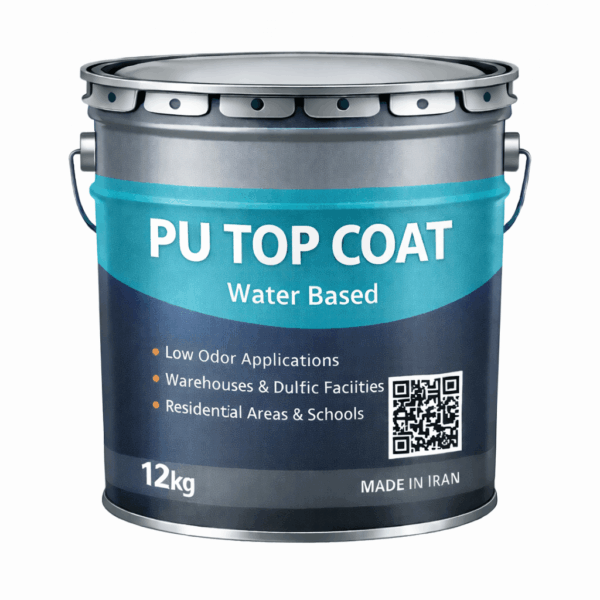
Water Based Polyurethane Top Coat
Water based PU top coats are formulated using advanced polyurethane dispersions that form a uniform, flexible film after water evaporation and curing. The cured coating provides good adhesion to properly prepared substrates such as steel, concrete, wood, and previously coated surfaces. These coatings exhibit excellent resistance to UV radiation, weathering, moisture, and general wear. They also offer good chemical resistance to mild acids, alkalis, oils, and cleaning agents. Smooth flow and leveling properties result in attractive matte, satin, or gloss finishes. Application is easy by spray, roller, or brush, with minimal odor and fast drying.
Water based polyurethane top coats are widely used in industrial facilities, workshops, architectural structures, flooring systems, machinery housings, and maintenance projects. They are ideal for indoor applications and areas with limited ventilation, as well as environmentally sensitive sites. Easy cleanup with water reduces application time and cost. Available in various colors and sheen levels, water based PU top coats provide a balanced solution combining sustainability, safety, and dependable protective performance.
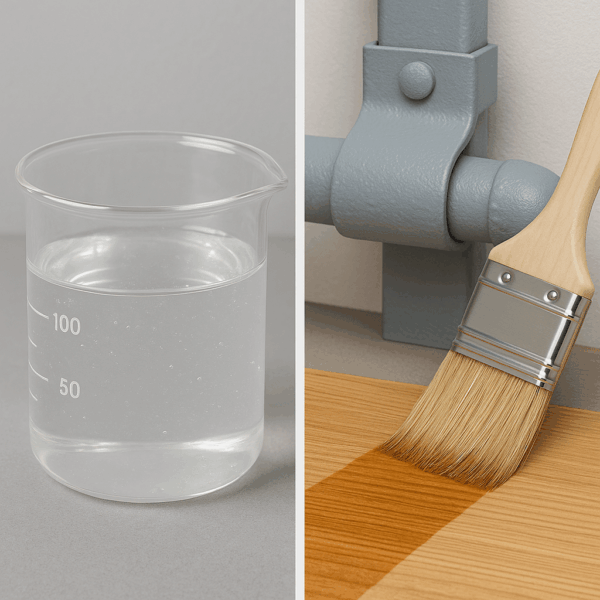
Water Reducible Saturated Polyester Resins
Their excellent adhesion, smooth film appearance, and fast drying make them ideal for metal coatings, wood finishes, can coatings, coil coatings, plastic substrates, primers, and topcoats. Typical ingredients include terephthalic acid (PTA), isophthalic acid (IPA), neopentyl glycol (NPG), adipic acid, cyclohexane dimethanol (CHDM), polyols, and hydrophilic modifying agents that enhance water compatibility. Water-Reducible polyester resins have many advantages such as low VOC, excellent water dispersibility, high gloss clarity, strong chemical resistance, and long-term weather protection. These resins offer good corrosion defense, high drying efficiency, stain resistance, and superior mechanical strength for high-speed production lines.
The film that is created by water-reducible resins remains flexible without cracking, even under thermal cycling or mechanical stress. There are many grades available that serve architectural coatings, automotive interior parts, wood coatings, general industrial paints, and eco-friendly production plants.
Available Grades:
- Include Water-Dispersible High-Gloss Polyesters
- Fast-Drying Grades
- Matte & Semi-Matte Finishes
- Melamine-Crosslinked Systems
- Isocyanate-Curable Grades
- UV-Stable Outdoor Versions
- Anti-Yellowing Indoor Coatings
- Industrial Metal Protection Types

watercolor Art Paint
The pigments used in a paint can be derived from natural sources, such as minerals and plants, or they can be synthesized chemically in a laboratory. The binder holds the pigments together to help the paint adhere to the painted surface. Other ingredients, such as solvents that adjust the paint’s consistency or additives that improve its performance or durability, may also be added to the mixture. Watercolor paint is a transparent paint made with pigments suspended in a medium of water and a binder, such as gum arabic. It is known for its delicate, luminous quality and ability to create subtle gradations of color.
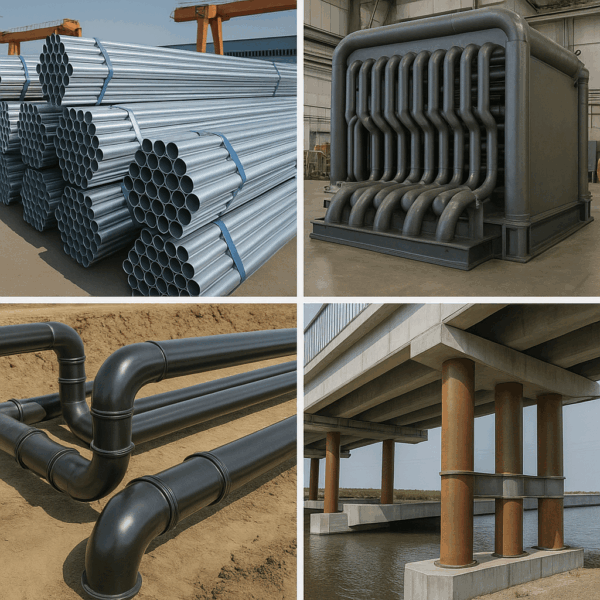
Welded Steel Pipe
Types of Welded Pipe:
- Longitudinally Welded Pipe (LSAW): The weld seam runs along the length of the pipe.
- Spiral Welded Pipe (SSAW): The weld seam spirals around the pipe.
- Electric Resistance Welded Pipe (ERW): A specific type of welded pipe using electric resistance welding.
Sizes of welded pipes that are available are
- Small to Medium: Welded pipes are commonly available in sizes from 1/2 inch (15mm) up to 24 inches (600mm) or even 36 inches (900mm).
- Large Diameter: Rolled and welded pipes can reach diameters up to 96 inches (2400mm) or even larger.
- Spiral-Welded: Spiral-welded pipes, often used for water distribution, range from 24 inches (60cm) to 144 inches (365cm).
The flexibility of Welded Steel Pipes in design and ease of production offer significant cost savings, especially for large-scale projects. For industries with moderate pressure requirements, such as the construction and plumbing sectors, welded pipes are a preferred choice. Innovations in welding technology have increased their competitiveness against seamless pipes by enhancing weld quality and the structural integrity of the pipe. This evolution has widely expanded their applicability in many non-oil applications.
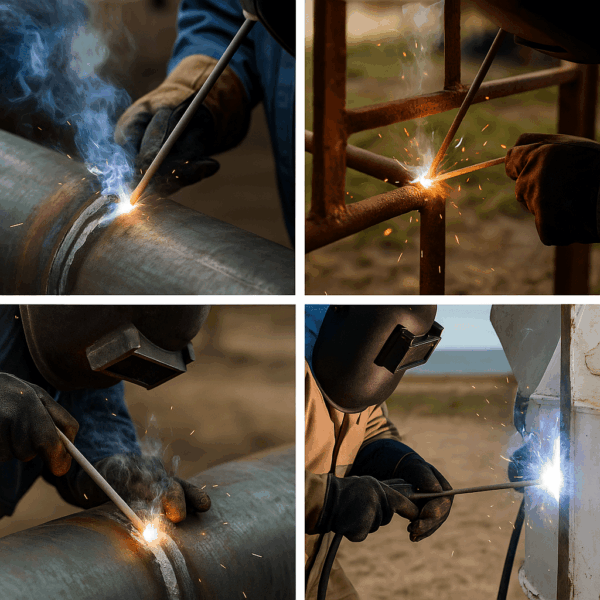
Welding Electrode Rod E6010
The E6010 classification indicates a minimum tensile strength of 60,000 psi, suitability for all-position welding, and compatibility with DC+ (reverse polarity) current. This electrode’s cellulosic sodium coating produces an intense, digging arc that easily penetrates through rust, paint, and mill scale, making it ideal for pipe welding, shipbuilding, pressure vessels, tanks, and structural steel fabrication. During production, E6010 electrodes are manufactured using low-carbon steel core wire alloyed with manganese and silicon for improved toughness and weld metal quality. The coating is precisely formulated to control arc stability, slag formation, and rapid solidification—ensuring high-quality welds even in tight or vertical joints.
Advantages of E6010 include excellent root penetration, fast solidifying slag, strong arc stability, and high mechanical strength under variable field conditions. It performs exceptionally well for open root passes and pipeline joints. The electrodes are supplied in standard diameters of 2.5 mm, 3.2 mm, 4.0 mm, and 5.0 mm, and are available in 5 kg and 20 kg moisture-resistant boxes, palletized for industrial and export markets. E6010 electrodes deliver the reliability and performance professionals expect for critical welding operations in the most demanding environments.
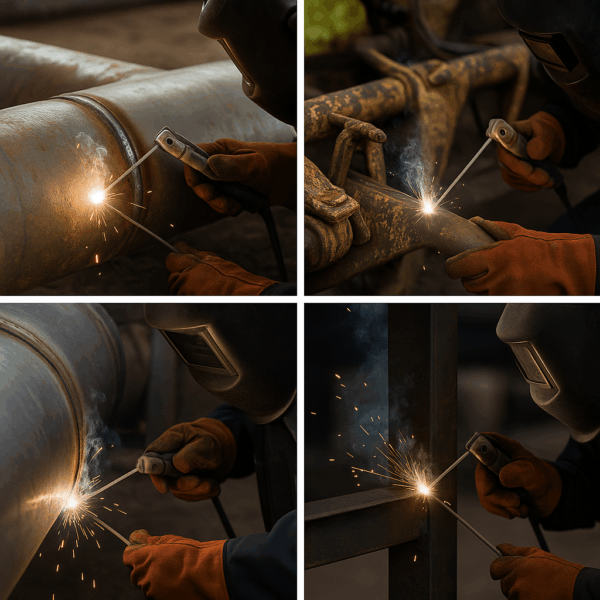
Welding Electrode Rod E6011
This electrode type features a cellulosic potassium coating, allowing it to operate efficiently with AC and DC+ polarity, delivering deep penetration through rust, mill scale, and contaminants. The E6011 designation stands for a minimum tensile strength of 60,000 psi, suitability for all-position welding, and a robust, quick-starting arc. It is widely used in pipeline construction, farm machinery repair, shipbuilding, bridge work, and general structural welding. Production is carried out under controlled metallurgical standards using low-carbon steel core wire with alloying elements like manganese and silicon, which improve strength, ductility, and weld metal quality. The special flux composition provides high arc stability and easy slag removal.
Advantages of the E6011 electrode include excellent arc force, deep penetration, reliable performance on poorly prepared surfaces, and adaptability to outdoor and maintenance work. It is available in 2.5 mm, 3.2 mm, 4.0 mm, and 5.0 mm diameters, packed in 5 kg and 20 kg boxes, palletized for industrial and export use. With consistent quality, fast-striking properties, and rugged reliability, E6011 electrodes remain the preferred choice for demanding welding environments and versatile applications worldwide.
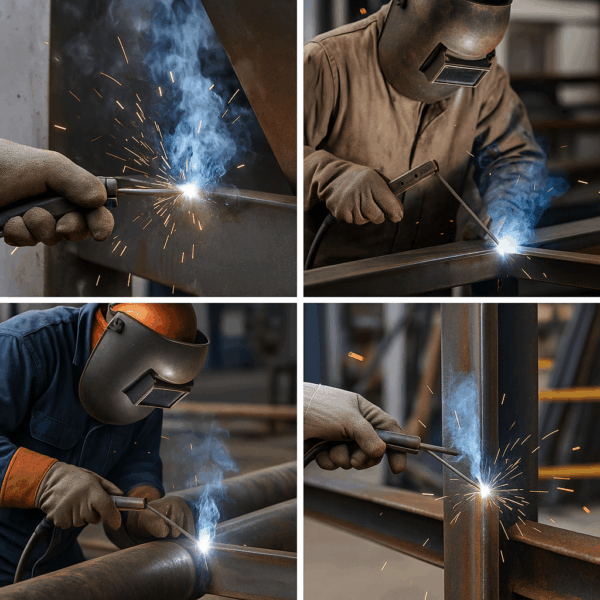
Welding Electrode Rod E6012
This electrode type is manufactured with a rutile-based coating that provides fast-freeze characteristics and easy slag removal. The E6012 classification indicates a tensile strength of 60,000 psi, suitability for all-position welding, and DC or AC polarity compatibility. E6012 electrodes are widely used in sheet metal fabrication, shipbuilding, automotive repairs, and structural steelwork. Production follows strict metallurgical standards using high-purity mild steel core wire and precise flux coating to achieve consistent performance, arc stability, and clean weld seams. The alloy composition primarily contains iron, manganese, and silicon, ensuring strength, ductility, and uniform metal transfer during welding.
Advantages include smooth weld bead formation, excellent gap-bridging capability, easy slag removal, and stable arc control, even in vertical or overhead positions. The electrodes are available in various diameters—2.5 mm, 3.2 mm, 4.0 mm, and 5.0 mm—to suit different applications. Commercial packaging includes 5 kg and 20 kg cardboard or metal boxes, palletized for industrial supply. With consistent quality, excellent usability, and reliable performance, E6012 welding electrodes remain a trusted choice for efficient and high-quality welding operations worldwide.
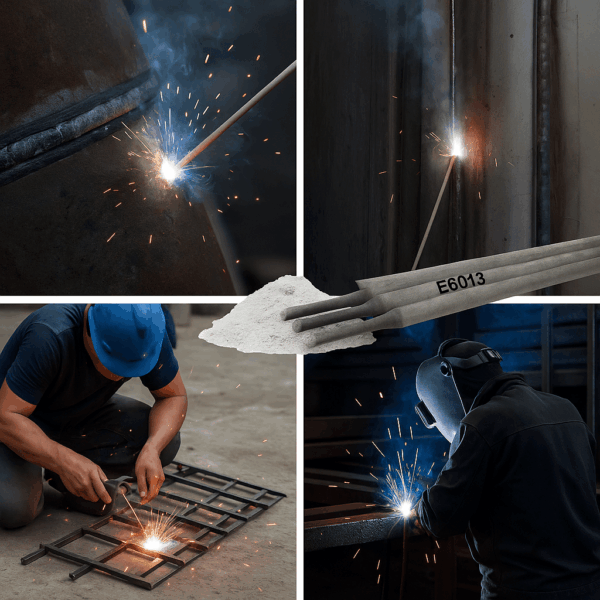
Welding Electrode Rod E6013
This electrode features a rutile-potassium coating that provides excellent arc stability and smooth slag removal, allowing effortless operation with both AC and DC current. The E6013 classification ensures a tensile strength of 60,000 psi, suitable for all-position welding on clean or lightly rusted mild steels. Common applications include automotive bodywork, furniture frames, pressure vessels, metal gates, and general maintenance welding. Production involves a low-carbon steel core wire alloyed with manganese and silicon to enhance ductility and mechanical strength. The special flux formulation controls penetration depth and provides a uniform, aesthetic weld bead.
Advantages of the E6013 electrode include soft arc performance, minimal spatter, easy slag detachability, and excellent bead appearance. It’s perfect for thin to medium-gauge steel fabrication and welding in limited spaces. E6013 electrodes are available in diameters from 2.0 mm to 5.0 mm, packed in 5 kg and 20 kg moisture-resistant boxes and palletized for industrial and export supply. Renowned for ease of use and consistent quality, E6013 electrodes are trusted worldwide for efficient and clean welding operations.
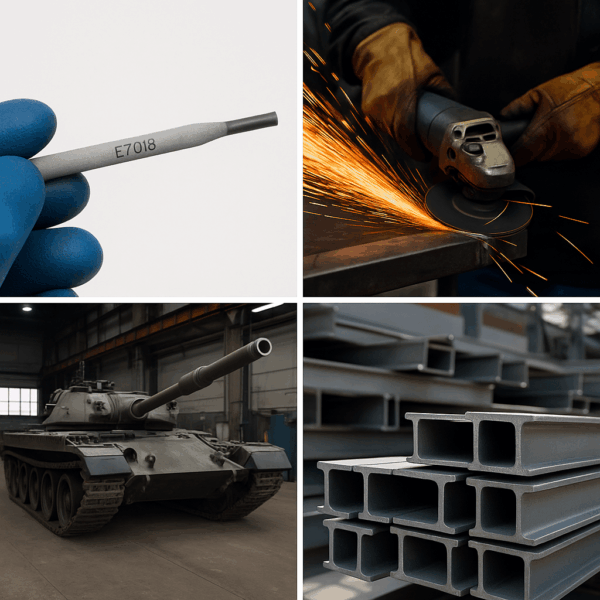
Welding Electrode Rod E7018
The E7018 classification denotes a tensile strength of 70,000 psi, all-position welding capability, and compatibility with both AC and DC+ currents. It is primarily used for structural steel, pressure vessels, bridges, pipelines, machinery frames, and shipbuilding, where weld integrity and toughness are essential. Production of E7018 electrodes involves a low-carbon steel core wire alloyed with manganese, silicon, and iron powder, coated with a special low-hydrogen flux to reduce moisture absorption and prevent hydrogen cracking. Each electrode undergoes controlled baking and drying to ensure stable arc characteristics and high-quality weld deposits that meet international standards.
Advantages include high tensile and impact strength, low spatter, smooth bead finish, and resistance to cracking and porosity. E7018 electrodes produce welds of excellent ductility and X-ray quality suitable for critical applications. They are available in 2.5 mm, 3.2 mm, 4.0 mm, and 5.0 mm diameters, supplied in 5 kg and 20 kg hermetically sealed moisture-proof boxes, palletized for industrial and export use. E7018 remains the professional welder’s choice for dependable performance in demanding structural and high-pressure environments.
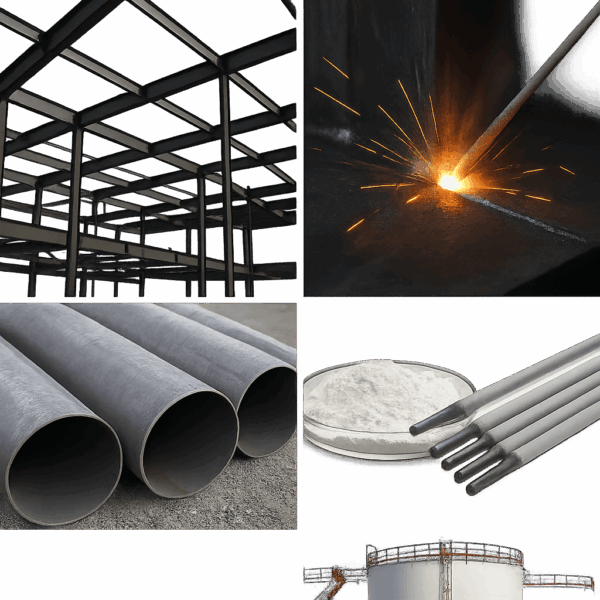
Welding Electrode Rod E7024
The E7024 classification signifies a tensile strength of 70,000 psi, with welding capabilities optimized for flat and horizontal positions using AC or DC+ current. Its iron powder rutile coating enhances deposition efficiency and provides an exceptionally smooth, slag-covered bead that peels off easily after welding. Common applications include shipbuilding, heavy machinery, structural steelwork, pressure tanks, frames, and industrial fabrications requiring high weld metal recovery. E7024 electrodes are manufactured from low-carbon steel core wire alloyed with manganese and silicon, ensuring strong, ductile welds. The advanced flux formulation promotes high travel speeds, minimal spatter, and clean, uniform welds with excellent mechanical properties.
Advantages include high deposition rate, easy slag removal, smooth bead appearance, and superior productivity in flat welding operations. It is particularly suited for thick steel sections and large fillet joints. E7024 electrodes are available in 3.2 mm, 4.0 mm, and 5.0 mm diameters, packed in 5 kg and 20 kg moisture-resistant boxes, and palletized for export or industrial supply. With consistent quality, durability, and speed, E7024 electrodes ensure maximum efficiency for high-output welding environments.