

 Arabic
shop

Porcelain Dinnerware
A complete set of dinnerware typically includes dinner plates, salad plates (or side plates), soup bowls, dessert plates, cups, saucers, and may also include additional serving pieces like platters, serving bowls, and sometimes bread and butter plates depending on the set’s size and style. Porcelain, also called “china,” is a type of handmade ceramic dinnerware.“China” ceramic plates are fired at temperatures between 1200℃ and 1450℃, producing a shiny, vitrified material that’s white and translucent. Appearance-wise, porcelain dinnerware colors can also range from blue to white-blue, its glazes can vary widely and It can include gold, silver, or platinum decals.
Porcelain is very durable and nonporous, often making dishwasher and microwave safe, they are strong and durable because it is made of fine particle clay and can be used in the microwave, dishwasher, oven, and freezer. They are also hygienic due to their non-porous nature, durable, heat-resistant, and easy to clean, making it a practical and elegant choice for everyday and special occasions. Porcelain tableware are available in intricate designs or an arty splash of shades whatever the story is there’s dinnerware made perfect for every idea.
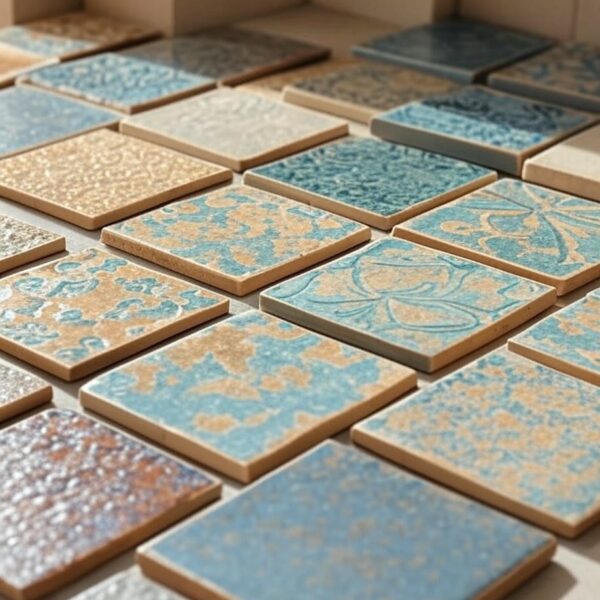
Porcelain Tiles
Based on application several types of Porcelain Tiles are available , Unglazed Porcelain Tiles are fired in the kiln usually renders them without further processing or does not have a glazed coating. Matt porcelain tile does not reflect light and are more slip-resistance.
Full-Body Porcelain Tiles are the types of tiles with colour uniformity throughout them. Such tiles have a single colour from the surface to the base. These tiles are dense and thick , durable and resistant to break, can withstand extensive wear and tear.
Glazed Porcelain Tiles are made up of clay materials that undergo vitrification to achieve a glossy finish that makes them highly water-resistant. These tiles have high reflective properties .
Polished porcelain Tile indicate high gloss with a smooth finish they are scratch resistant, frost resistant, the colour doesn’t fade away over a period of time , and is easier to clean and maintain.
Digitally Printed Porcelain Tile is a type of glazed porcelain tile. There are virtually endless design options for every space, they are tough , moisture – resistance and easy to clean. to produce Antibacterial Ceramic Tiles use antibacterial technology works to eliminate up to 99.9% of bacterial growth on the treated tiles. Thanks to this technology tiles are consistently protected, with improved levels of hygiene, unalterable from wear and tear and climatic conditions.
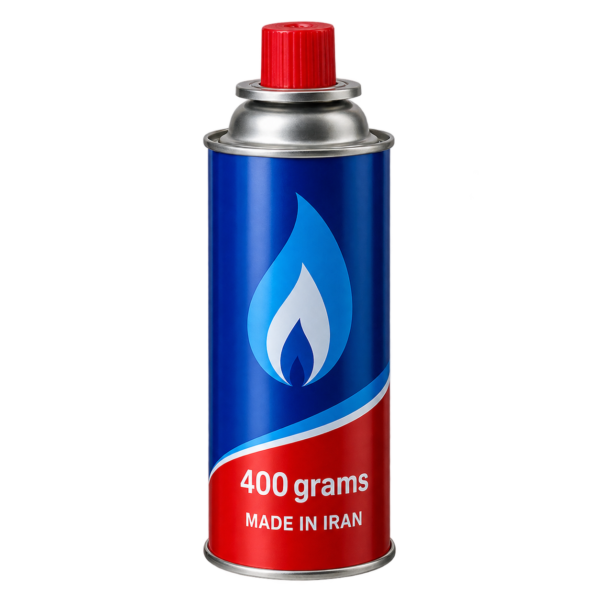
Portable Gas Canister
Butane Gas Canister Common capacities include approximately 100 g, 110 g, 190 g, 220 g, 227 g, 230 g, 400 g, and 450 g, while customized filling weights can also be produced according to customer requirements and applicable regulations. Small cartridges such as 100–110 g are particularly suitable for compact camping stoves, portable burners, and lightweight outdoor equipment where minimum size and weight are important. Medium-size canisters in the approximately 190–230 g range are widely used for portable cooking equipment, camping appliances, catering burners, handheld heating devices, and general-purpose portable fuel applications. Larger 400–450 g canisters provide a higher fuel capacity and are suitable for longer-duration cooking, portable heating, professional outdoor equipment, and applications requiring less frequent cartridge replacement. Butane cartridges that use a bayonet or clip-on connection, threaded or appliance-specific valve systems are available and they are so compatibility must always be matched with the receiving equipment.
The final product can be supplied for wholesale export with different dimensions, filling weights, valve specifications, surface finishes, and labeling configurations according to the destination market and customer requirements. Butane gas canisters are valued for their compact design, convenient transportation, rapid fuel availability, and compatibility with a wide range of portable gas appliances. In outdoor applications, they are used with camping stoves, portable burners, hiking equipment, emergency cooking systems, and recreational cooking appliances. In domestic applications, butane cartridges are commonly used with portable tabletop stoves, food warmers, culinary burners, and other approved appliances designed for butane fuel.
The food-service sector uses portable butane cartridges for catering burners, buffet warmers, mobile cooking stations, and temporary cooking installations where a fixed gas connection is unavailable or impractical. Butane canisters can also be used in selected industrial and technical applications, including portable heating equipment, gas torches, soldering devices, maintenance tools, and specialized fuel-operated equipment when the appliance manufacturer specifies butane as the appropriate fuel.
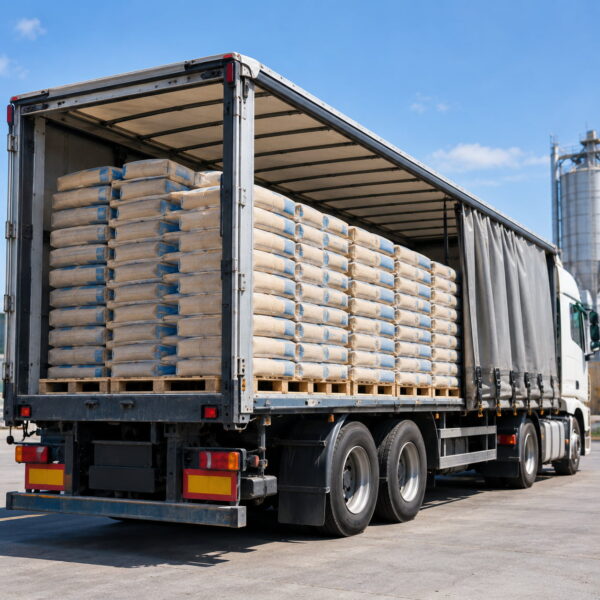
Portland Cement
Portland Cement is used across a broad range of construction and industrial applications because it develops a strong and durable cementitious matrix after hydration with water. Its principal applications include ready-mix concrete, reinforced concrete, structural concrete, foundations, columns, beams, slabs, pavements, bridges, roads, tunnels, dams, industrial floors, precast concrete products, concrete blocks, pipes, piles, curbs, masonry mortars, grouts and general civil engineering works. Type I Portland Cement is suitable for general-purpose construction where no special cement properties are required, making it a practical choice for buildings, residential and commercial structures, ordinary concrete works and many precast applications. Type II is selected where moderate sulfate exposure or controlled heat of hydration is an important consideration, while Type III is particularly suitable for precast concrete, rapid construction, repair works and projects where high early compressive strength can shorten construction cycles. Type IV is designed for applications where limiting heat development is important, particularly in large concrete placements, while Type V is intended for concrete exposed to severe sulfate conditions such as certain soils and groundwater environments.
Portland Cement may also be used in soil-cement stabilization, cement-treated bases and other infrastructure applications where cement is mixed with granular materials and water to develop strength and durability. The main advantages of quality Portland Cement include reliable strength development, consistent setting performance, compatibility with a wide range of aggregates and admixtures, excellent versatility, durability, availability in multiple performance grades and suitability for both domestic construction and international infrastructure projects. For wholesale export markets, product selection should be based on the destination country’s applicable standard, required cement type, project conditions, strength class, chemical exposure and technical specification.
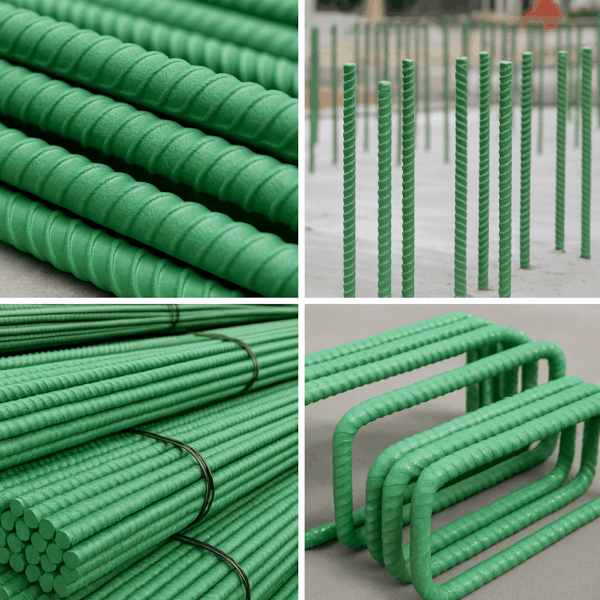
Powder Coating For Steel Rebars
Manufactured using high-grade epoxy or hybrid powder resins, anti-corrosion pigments, adhesion promoters, flow enhancers, and controlled curing agents, this coating forms a dense cross-linked film that prevents rust formation and enhances the bond between steel and concrete. The coating’s mechanical resilience allows it to withstand bending, cutting, transportation, and on-site handling without cracking or delamination and its exceptional adhesion and flexibility ensure long-term structural integrity in both infrastructure and industrial projects.
Powder Coating for Steel Rebars is widely used in marine structures, bridges, tunnels, highways, high-rise buildings, foundations, sewage systems, desalination plants, chemical facilities, and water treatment plants. It offers powerful protection against chloride-rich environments, making it ideal for coastal regions, de-icing salt exposure, and harsh industrial atmospheres.
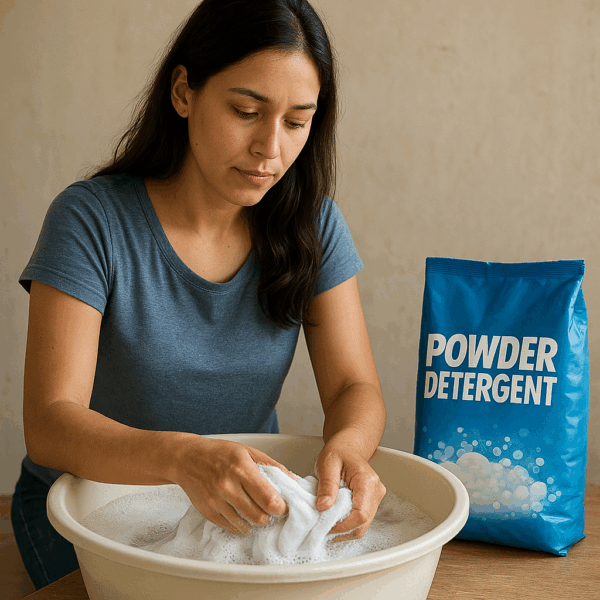
Powder Laundry Detergents (hand wash )
Hand washing powders are specifically designed for soaking and scrubbing clothes by hand. They often contain a mix of the following ingredients:
- Surfactants: These help in breaking and lifting dirt from fabrics.
- Sodium carbonate: Also known as washing soda, it helps remove grease and soften water.
- Optical brighteners: They enhance the appearance of whites and bright colors in fabrics.
- Enzymes: These help break down protein, starch, and fat stains.
- Fragrances: They give a fresh and pleasant scent to the laundry.
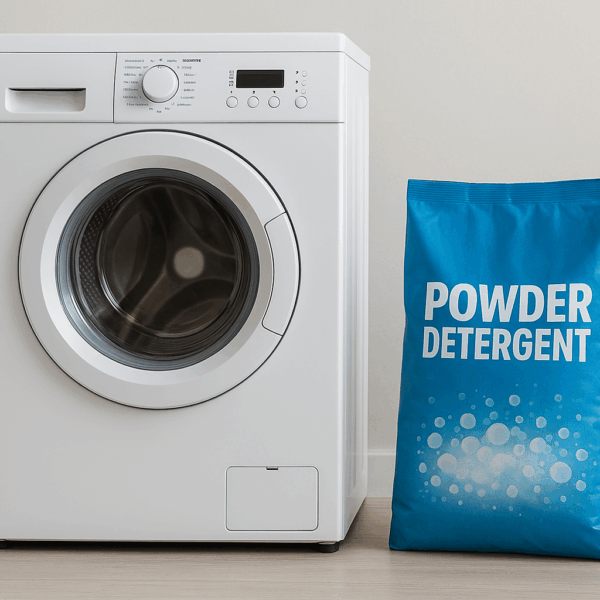
Powder Laundry Detergents (machine wash )
Hand washing powders are specifically designed for soaking and scrubbing clothes by hand. They often contain a mix of the following ingredients:
- Surfactants: These help in breaking and lifting dirt from fabrics.
- Sodium carbonate: Also known as washing soda, it helps remove grease and soften water.
- Optical brighteners: They enhance the appearance of whites and bright colors in fabrics.
- Enzymes: These help break down protein, starch, and fat stains.
- Fragrances: They give a fresh and pleasant scent to the laundry.
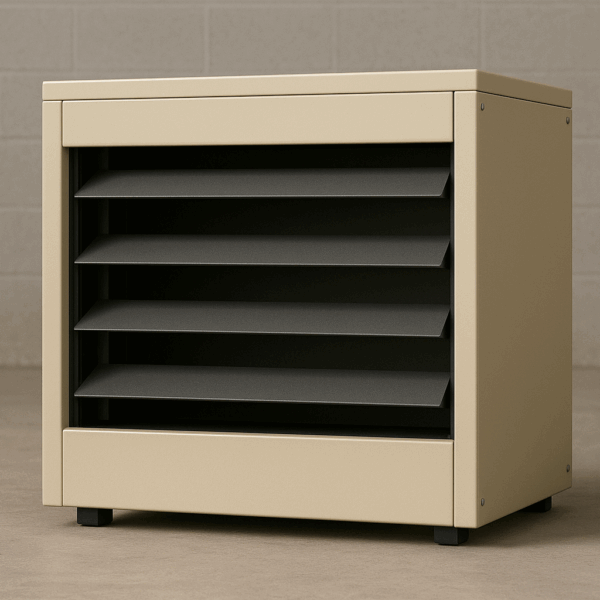
Power Vented Gas-Fired Unit Heater
The perfect way to efficiently heat an ample space such as a large pole barn or a commercial or industrial warehouse. Easy to use and time tested for quality and durability. commercial-grade power vent unit heaters come with either a propeller fan or centrifugal blower fan in different sizes. A “power gas-fired unit heater” is gas heater that Unlike standard gas heaters, they utilize a powerful motor to actively exhaust flue gases, meaning they don’t rely solely on natural draft for venting allowing for flexible installation options and often used in large spaces like warehouses or industrial buildings. Power gas-fired unit heaters have very high BTU capacity to effectively heat large areas.
Key Features:
-
Power Venting: Unlike gravity-vented heaters, these use a fan to push flue gases out, allowing flexible venting (horizontal through a wall or vertical through a roof).
-
Fuel Source: Runs on natural gas or propane.
-
Efficiency: More efficient than gravity-vented models, since they don’t rely solely on chimney draft.
-
Safety: Prevents back-drafting of harmful gases into the indoor space.
-
Flexible installation (side-wall or roof venting possible).
-
Provides reliable, powerful heating for large spaces.
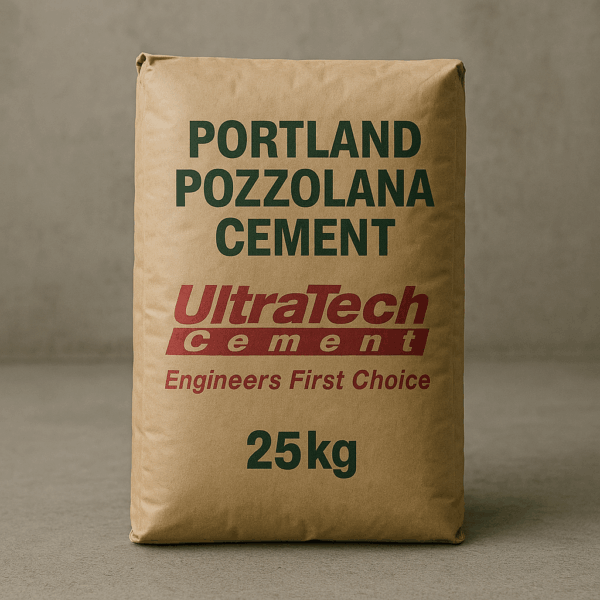
Pozzolanic Cement
Hardening of pozzolanic cement pastes can result from the reaction between pozzolana and the lime that is added to the mix as hydrated lime or is produced following hydration of Portland cement silicates. The pozzolanic reaction does not alter cement clinker hydration; it complements and integrates the hydration process because it results in a lower portlandite content and an increase in calcium silicate hydrates.
Pozzolanic Cement is Used in:
- Hydraulic structures, marine structures, construction near the sea shore, dam construction etc.
- Pre-stressed and post-tensioned concrete members.
- Masonry mortars and plastering.
- Decorative and art structures.
- Manufacture of precast sewage pipes.
Pozzolanic cement has very good resistance against sulphate attack hence is used in hydraulic structures, marine structures, construction near the sea shore, dam construction etc. It reduces the carbon monoxide emission from the concrete making it environmental friendly. As the Pozzolano materials are very fine, it can fill gaps between the reinforcement and aggregate , thus reducing the shrinkage, honeycomb formation and bleeding can be reduced, which in turn increases the strength and durability of concrete.
Precipitated Sulfur
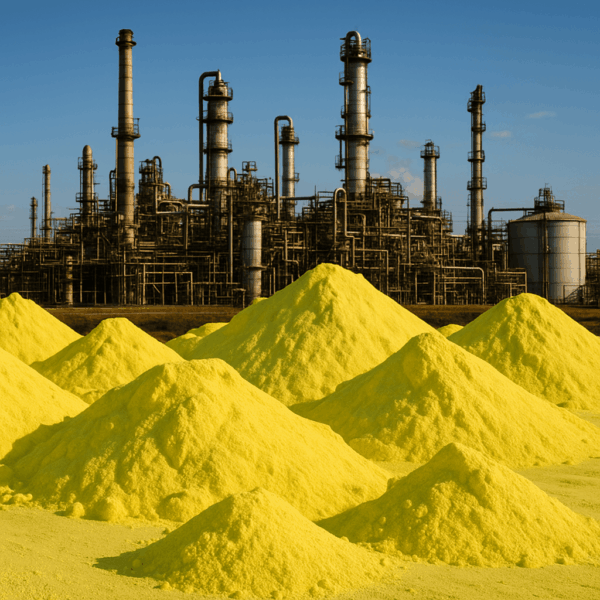
Precipitated Sulfur is available in several grades according to purity, particle size, intended application, and required quality standard. Industrial and technical grades are commonly selected for rubber compounding, vulcanization, agricultural formulations, chemical processing, and other industrial uses where controlled elemental sulfur content is required. Fine and micronized grades are suitable for applications demanding increased surface area and improved dispersion, while high-purity or pharmaceutical grades can be manufactured to pharmacopeial requirements where applicable. USP specifications for Precipitated Sulfur, for example, define an assay of 99.5–100.5% sulfur on an anhydrous basis, with additional requirements for water, residue on ignition, and other characteristics. In the rubber industry, Precipitated Sulfur is used as a vulcanizing agent in rubber compounds, including applications involving tires, technical rubber products, seals, hoses, and molded rubber components. In agriculture, suitably formulated sulfur can be used in fungicide, pesticide, and soil-treatment products, while in pharmaceutical and personal-care manufacturing, high-purity precipitated sulfur is used in topical formulations where regulatory and pharmacopeial requirements are met. Other applications include selected chemical formulations, textile processing, specialty materials, and research or advanced sulfur-based formulations.
The principal advantages of Precipitated Sulfur include high sulfur purity, fine particle size, controlled dispersion, reliable batch-to-batch consistency, and suitability for customized technical specifications. Its fine physical structure can make it preferable to coarser sulfur products when formulation uniformity and controlled distribution are important. For international buyers, the appropriate grade should always be selected according to the final application, required purity, particle-size specification, applicable regulatory requirements, and agreed Certificate of Analysis (COA).
Pressure Sensitive Acrylic Adhesives (PSA)
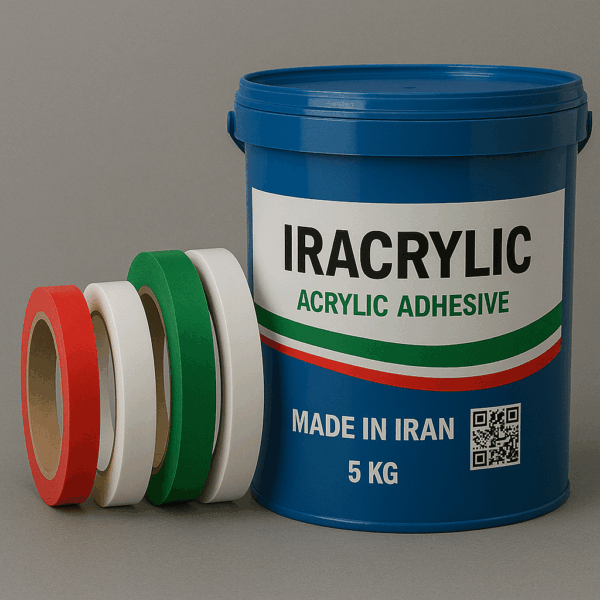
Available types include permanent PSA, removable PSA, repositionable grades, high-tack formulations, low-temperature bonding adhesives, deep-freeze resistant grades, foam tape adhesives, medical-grade PSA, and high-shear industrial systems. Specialized options such as ultra-clear adhesives for optical films, high-temperature PSA for automotive components, and solvent-resistant PSA for industrial labels provide flexibility across end-use sectors.
Key advantages of pressure sensitive acrylic adhesives include superior UV stability, excellent moisture resistance, outstanding shear strength, and long-lasting adhesion without yellowing. PSA systems bond effectively to metals, plastics, films, foils, papers, glass, and coated surfaces, supporting a wide range of converting and lamination applications.
Their balanced tack–peel–shear profile ensures reliable performance in labeling, packaging, graphics films, automotive trims, appliance foils, electronics assembly, and double-sided tape manufacturing. PSA systems offer consistent viscosity, smooth coatability, and excellent anchorage to various substrates, enabling high efficiency in roll-to-roll processes. With low odor, low VOC potential, and customizable rheology, pressure sensitive acrylic adhesives remain a preferred solution for manufacturers seeking durable, export-ready adhesive performance for global markets.
Process Oil
Application Of Process Oil
- Polymers , elastomer and Tires: Process oils are used to improve the workability of elastomers without changing their physical properties. This helps ensure the quality of the final product.
- Optical cables: Process oils are used in oil-based gels that flood rigid tubes containing optical fibers.
- Textiles: Process oils are used in the manufacturing of textiles.
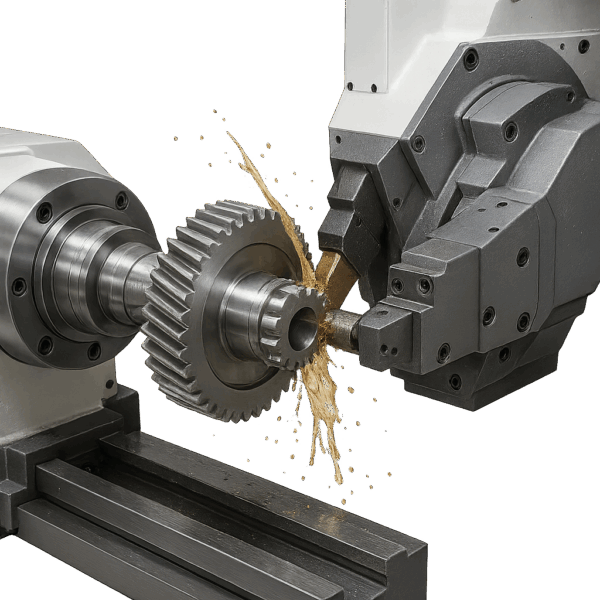
- Metalworking: Process oils are used in metalworking.
- Asphaltic sheets, inks, and paints: Process oils are used in the manufacturing of asphaltic sheets, inks, and paints.
- Defoamer : In oil based defoamer formulations, the oil can comprise up to 90% of the formulation. It functions as a carrier fluid, in order both to spread over the surface of the aqueous system to neutralise the surfactant molecules and to transport the hydrophobic ingredients of the defoamer to the double layers of surfactant molecule that stabilise the foam bubbles in order to destroy them.
Other Applications :
- Sealants and mastics , In a similar way to polymers and rubbers, sealants and mastics also contain a good proportion of oil within them.
- Agriculture, Process oils are used in a wide variety of agricultural applications, including pesticide carrier fluids, crop protection oils (where they are emulsified and sprayed onto plants to kill aphids) as well as fertilizer and grain dedusting agents.