Your gateway to numerous Iranian top exporters

Create one request and get multiple quotes from verified suppliers. 100% free.

Portland Cement

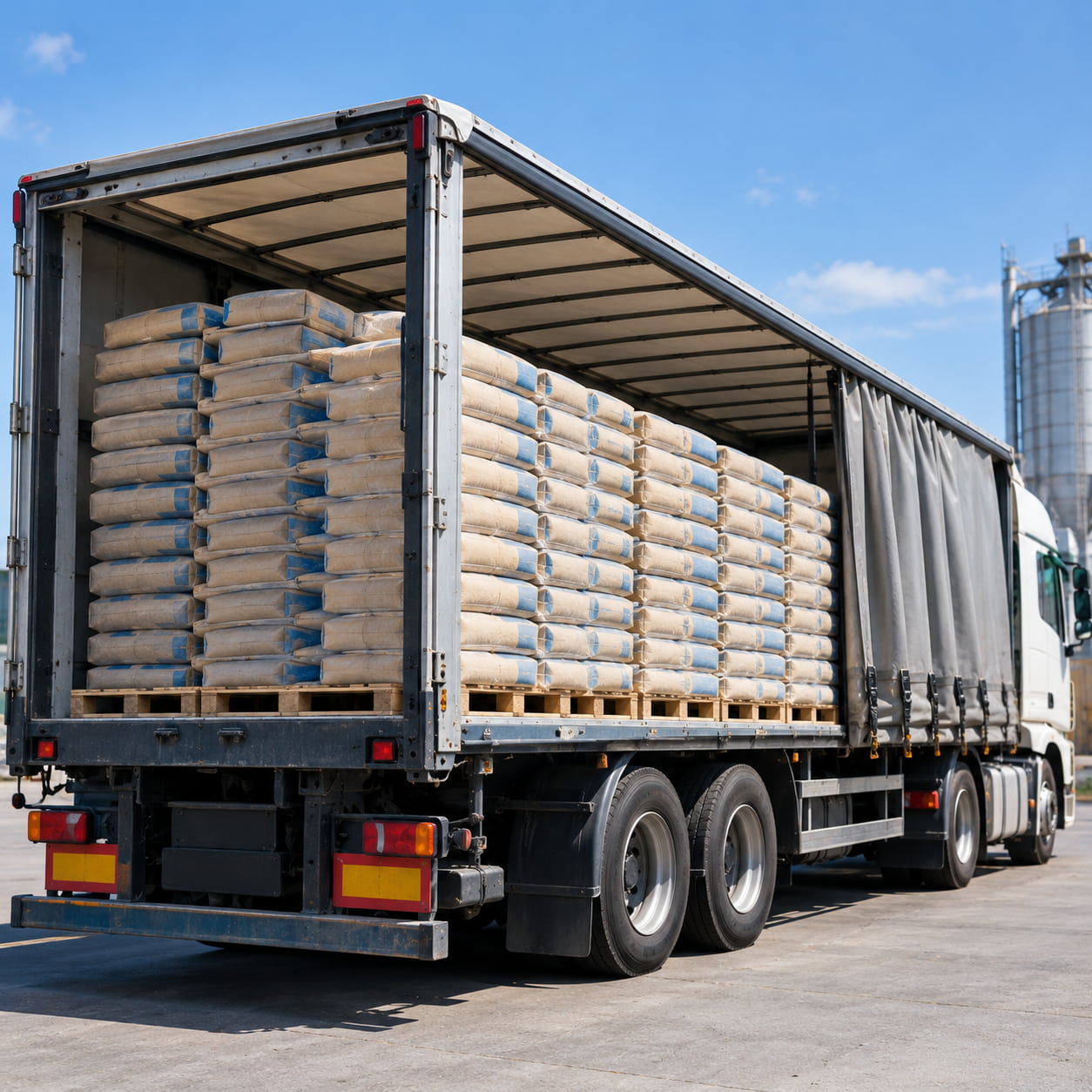
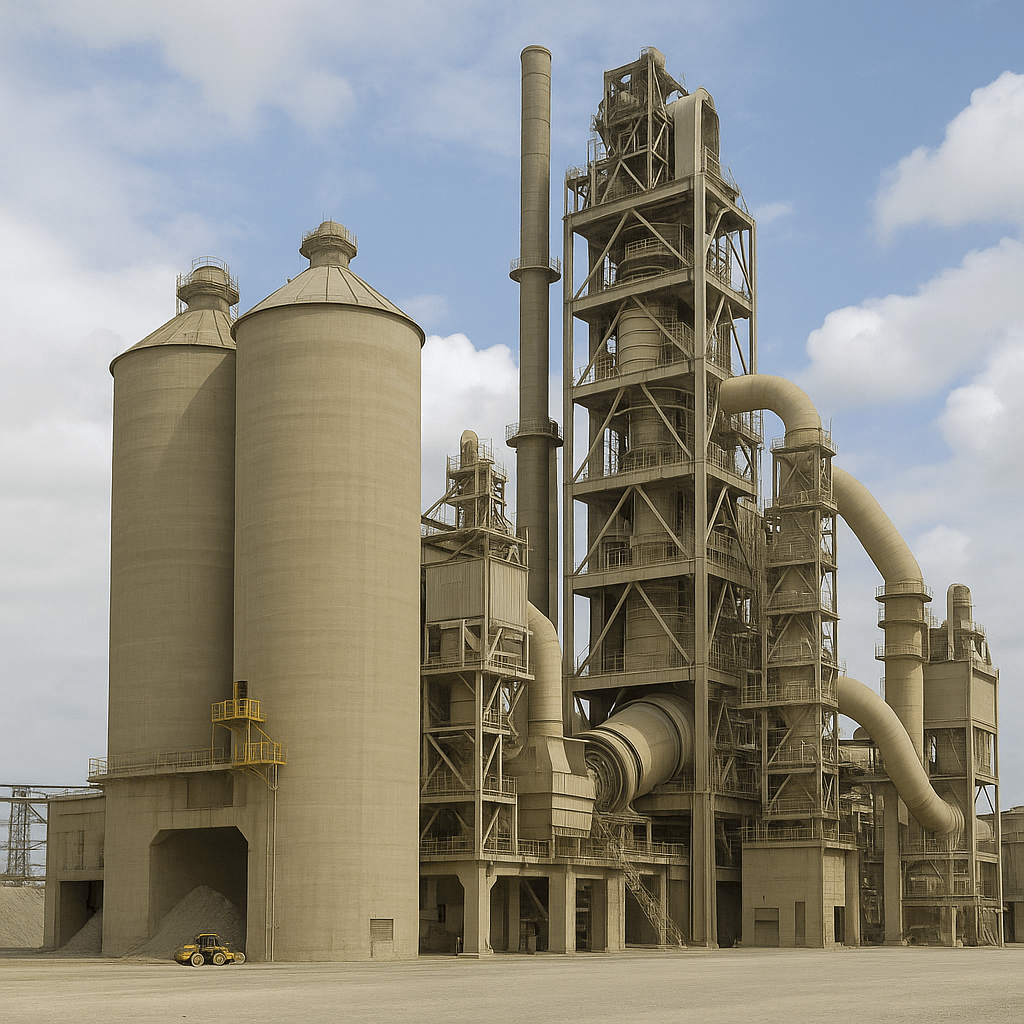
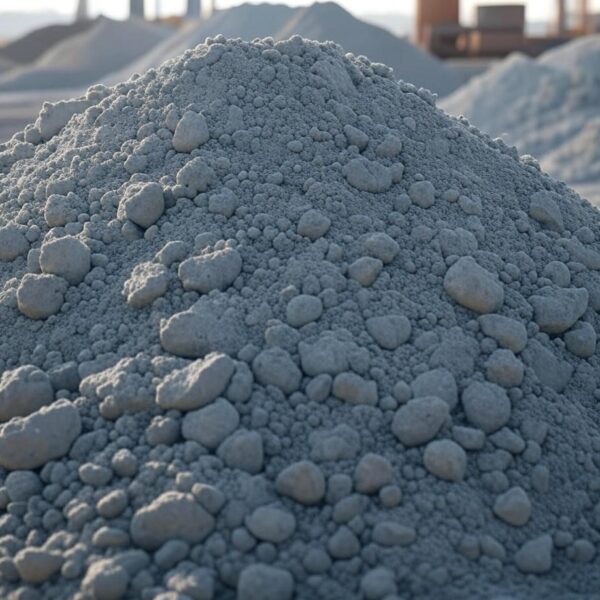
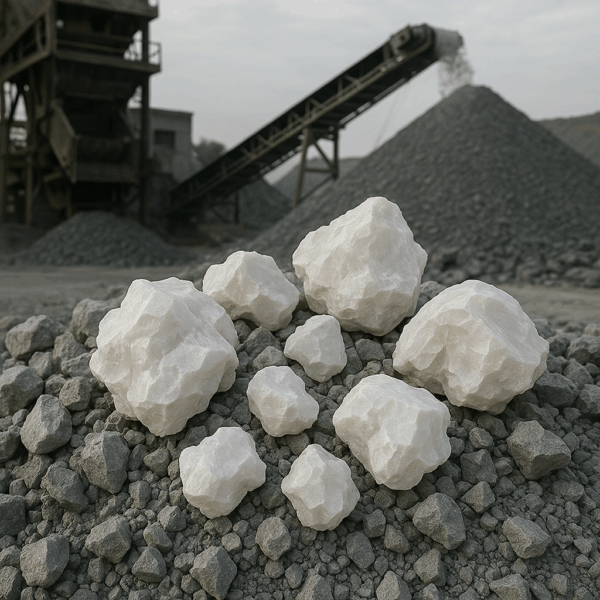
Portland Cement is a high-quality hydraulic cement widely used as the primary binding material in concrete, mortar, precast products, infrastructure and general construction. Manufactured from carefully selected and proportioned raw materials, Portland Cement is produced mainly from limestone together with clay, shale, silica-bearing materials and iron-bearing corrective materials that provide the essential calcium, silicon, aluminum and iron compounds required for clinker formation. The production process begins with quarrying and crushing the raw materials, followed by precise proportioning, grinding, homogenization and quality-controlled blending to produce a consistent raw meal. The prepared raw meal is then heated and chemically transformed in a rotary kiln at high temperature, producing Portland cement clinker. After rapid cooling, the clinker is finely ground with a controlled quantity of gypsum and, where applicable, permitted processing materials to produce the finished cement. Continuous chemical and physical quality control throughout raw material preparation, clinker production and finish grinding helps maintain consistent fineness, setting behavior, strength development and performance. Portland Cement is available in several internationally recognized grades and classifications, with ASTM C150/C150M providing the principal specification for traditional Portland Cement types. Depending on the required performance, commercially available types include Type I for general construction, Type II for applications requiring moderate sulfate resistance and, where applicable, moderate heat characteristics, Type III for projects requiring high early strength, Type IV where low heat of hydration is required under applicable specifications, and Type V for environments requiring high sulfate resistance. Combined classifications such as Type I/II may also be supplied where the cement complies with the relevant requirements of more than one type.

Portland Cement is used across a broad range of construction and industrial applications because it develops a strong and durable cementitious matrix after hydration with water. Its principal applications include ready-mix concrete, reinforced concrete, structural concrete, foundations, columns, beams, slabs, pavements, bridges, roads, tunnels, dams, industrial floors, precast concrete products, concrete blocks, pipes, piles, curbs, masonry mortars, grouts and general civil engineering works. Type I Portland Cement is suitable for general-purpose construction where no special cement properties are required, making it a practical choice for buildings, residential and commercial structures, ordinary concrete works and many precast applications. Type II is selected where moderate sulfate exposure or controlled heat of hydration is an important consideration, while Type III is particularly suitable for precast concrete, rapid construction, repair works and projects where high early compressive strength can shorten construction cycles. Type IV is designed for applications where limiting heat development is important, particularly in large concrete placements, while Type V is intended for concrete exposed to severe sulfate conditions such as certain soils and groundwater environments.

Portland Cement may also be used in soil-cement stabilization, cement-treated bases and other infrastructure applications where cement is mixed with granular materials and water to develop strength and durability. The main advantages of quality Portland Cement include reliable strength development, consistent setting performance, compatibility with a wide range of aggregates and admixtures, excellent versatility, durability, availability in multiple performance grades and suitability for both domestic construction and international infrastructure projects. For wholesale export markets, product selection should be based on the destination country’s applicable standard, required cement type, project conditions, strength class, chemical exposure and technical specification.

 

Pozzolanic Cement

Portland Cement – Specifications

Specification Typical / Applicable Requirement
Product Portland Cement
Main Standard ASTM C150/C150M
Main Binder Portland cement clinker
Principal Raw Material Limestone
Other Raw Materials Clay, shale, silica and iron-bearing materials
Main Chemical Oxides CaO, SiO₂, Al₂O₃, Fe₂O₃
Setting Regulator Calcium sulfate / gypsum
Type I General-purpose construction
Type II Moderate sulfate resistance / applicable heat characteristics
Type III High early strength
Type IV Low heat of hydration where specified
Type V High sulfate resistance


IF YOU ARE WILLING TO BUY PORTLAND CEMENT FROM VERIFIED IRANIAN SUPPLIERS, PLEASE SCROLL DOWN AND SUBMIT YOUR REQUEST.

0 reviews
0
0
0
0
0

There are no reviews yet.

Be the first to review “Portland Cement”

FAQ Portland Cement

Portland Cement is primarily used as a hydraulic binder in concrete and mortar for buildings, foundations, roads, bridges, tunnels, dams, precast products, concrete blocks, pipes, pavements, industrial floors and other civil engineering applications.
The principal ASTM classifications include Type I for general use, Type II for moderate sulfate resistance and applicable heat characteristics, Type III for high early strength, Type IV for low heat of hydration where specified, and Type V for high sulfate resistance. Availability depends on the producer and destination market.
Type I is intended for general-purpose construction, Type II is selected where moderate sulfate resistance is required, Type III provides high early strength, and Type V is designed for concrete exposed to severe sulfate conditions. The appropriate type should be selected according to the project specification and applicable standard.
Portland Cement is produced by quarrying and preparing limestone and other corrective raw materials, crushing and grinding them into a controlled raw meal, heating the material in a rotary kiln to form clinker, cooling the clinker and finally grinding it with gypsum to produce fine Portland Cement.
Buyers should check the applicable standard, cement type, chemical composition, fineness, setting time, soundness, compressive strength, sulfate resistance where applicable, heat of hydration where relevant, test certificates and consistency between production lots.
International buyers looking for a suitable Portland Cement supplier in Iran can contact Irancorps to identify and evaluate suitable Iranian sources according to the required cement type, applicable standard, technical specifications and export requirements.

Request for Quotes

Create one request and get multiple quotes from verified suppliers.