

 Arabic
shop
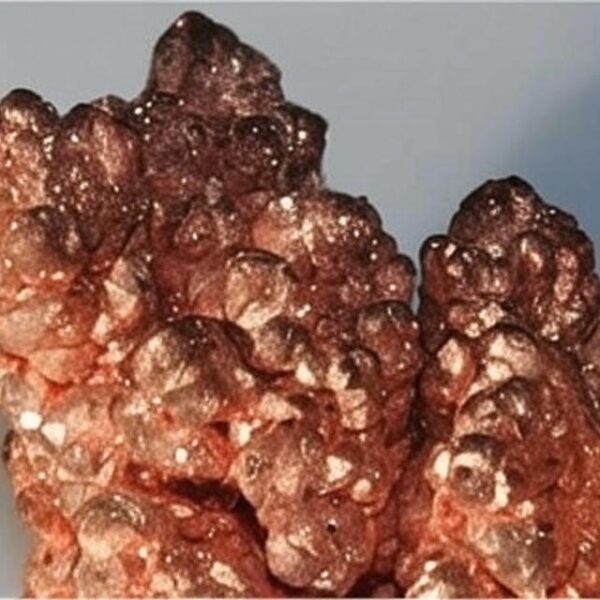
Copper Concentrate
Most copper ores contain only a small percentage of copper metal bound up within valuable ore minerals, with the remainder of the ore being unwanted rock or gangue minerals, typically silicate minerals or oxide minerals for which there is often no value.
To get copper concentrate , copper is processed in several stages from extraction and crushing of the ore , grinding to powder (small particles <100 μm) , separation of unwanted elements concentration . this concentration depend on the nature of the ore containing the copper. For oxide ores, a is normally undertaken, which uses the soluble nature of the ore minerals to the advantage of the metallurgical treatment plant. For sulfide ores, both secondary (supergene) and primary (unweathered), froth flotation is used to physically separate ore from gangue.
Copper concentrates are the raw material for all copper smelters The concentrates from different regions have up to 36% of copper. Copper concentrates are then submitted to a final filtration and drying process to decrease the humidity to 8-9%. Copper concentrate is smelted and converted to metallic copper, which allows it to attain forms that can be submitted to further refining, more than 99% pure, as in copper anode and copper blister.
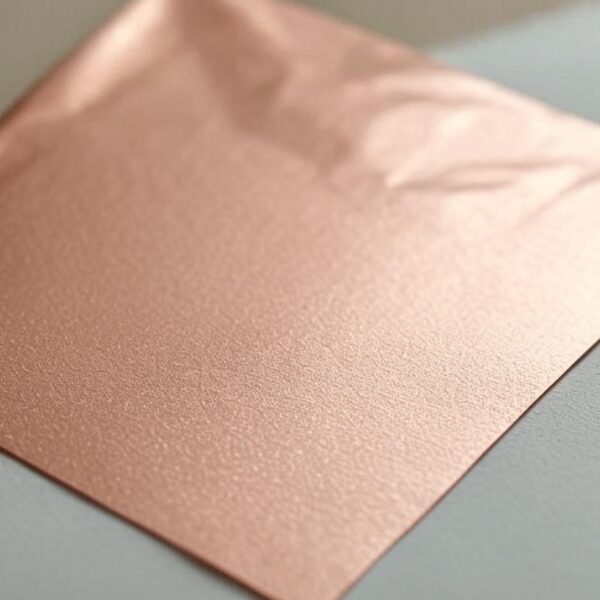
Copper Foil
Copper Foil is extensively used in lithium-ion batteries as the current collector for anodes, where consistent thickness, surface quality, mechanical strength, and electrical conductivity are critical to battery performance and manufacturing efficiency. Battery-grade copper foil is commonly produced in very thin gauges, particularly around 6–10 µm for advanced battery applications, although other thicknesses are also available according to cell design and manufacturer requirements. Copper foil is also a fundamental material in printed circuit boards (PCBs), where it forms the conductive layer used to create electrical circuits and interconnections. PCB copper foil is available in different thicknesses, commonly expressed in ounces per square foot as well as micrometers, with selection depending on circuit design, current capacity, thermal requirements, and manufacturing technology. Rolled copper foil is often selected where high flexibility, superior mechanical properties, and controlled surface characteristics are required, including flexible printed circuits, electromagnetic shielding, connectors, precision components, and specialized electronic products. Electrolytic copper foil is widely used in PCB manufacturing and battery production because its manufacturing process can provide controlled thickness and suitable surface characteristics for bonding and coating. Industrial copper foil is also used in heat exchangers, transformer components, electrical insulation systems, shielding materials, roofing and architectural products, conductive tapes, solar and energy-related equipment, and various precision-engineered components. Copper foil can be supplied with smooth, matte, treated, or specially engineered surfaces to improve adhesion, solderability, coating performance, or resistance to oxidation. For B2B procurement, buyers should specify the intended application, copper purity, thickness, tolerance, width, roll weight, surface treatment, mechanical properties, and required international or customer-specific standard before ordering.
For international buyers, selecting the right Copper Foil supplier requires careful evaluation of technical capability, production consistency, available grades, quality control, packaging, export experience, and ability to supply the required quantity on schedule. Copper foil is normally supplied in rolls or coils, and commercial specifications can include customized roll width, core diameter, outer diameter, net weight, and packaging according to the buyer’s production line and transportation requirements. Protective packaging is important because the thin foil surface can be damaged, scratched, oxidized, or contaminated during handling and transportation. Buyers may request a Certificate of Analysis, technical data sheet, quality certificate, inspection report, packing list, certificate of origin, and other export documentation according to the destination market and purchase contract. For electrical and battery applications, particular attention should be given to purity, electrical conductivity, thickness uniformity, surface roughness, tensile strength, elongation, and defect control. Iran has an established non-ferrous metal and copper-processing industry, creating opportunities for sourcing copper products for regional and international markets.

Copper Ingot
Copper ingots are available in different shapes, dimensions, and weights to meet the requirements of foundries, wire rod producers, extrusion plants, rolling mills, and other industrial consumers. Depending on the producer and buyer requirements, commercial ingots may typically weigh approximately 10 kg, 20 kg, 25 kg, 50 kg, 100 kg, or more per piece, while larger industrial casting formats can be supplied in significantly higher weights. The exact ingot dimensions and weight can be customized according to handling equipment, melting-furnace capacity, transportation requirements, and production-line specifications. Common forms include cast copper ingots, refined copper ingots, electrolytic copper ingots, high-purity copper ingots, and copper alloy ingots. Electrolytic copper is generally associated with very high purity and low impurity content and is particularly important for electrical applications. Refined copper ingots are widely used as industrial feedstock for further processing, while recycled copper ingots can provide a cost-effective raw material for applications where the required chemical composition permits the use of secondary copper. Copper ingots can subsequently be converted through melting, continuous casting, rolling, extrusion, forging, drawing, or machining into copper wire, copper rod, tubes, sheets, plates, bars, profiles, connectors, terminals, electrical components, and numerous other products. Key commercial specifications normally include copper content, impurity limits, electrical conductivity, density, dimensions, individual ingot weight, surface condition, production method, packaging, and applicable quality standard. For international B2B transactions, buyers can also request a Certificate of Analysis (COA), inspection documentation, packing list, certificate of origin, and other export documents according to the contract and destination-market requirements.
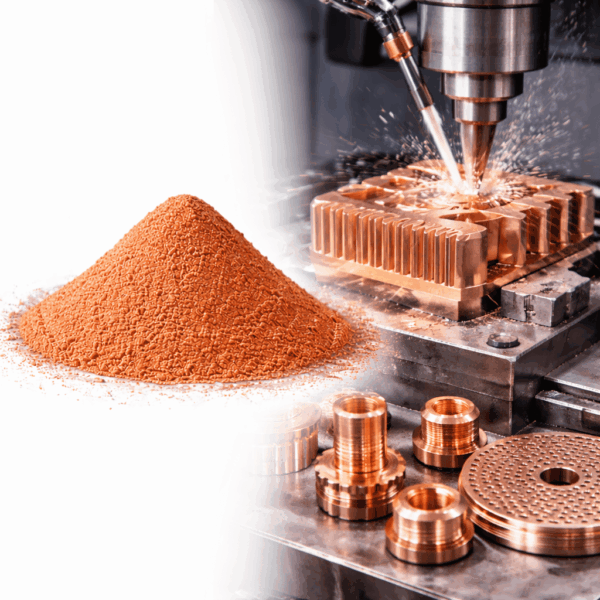
Copper Powder
Copper Powder is widely used across multiple industries due to its outstanding electrical and thermal conductivity, corrosion resistance, high density, and excellent machinability. Different grades are selected according to application requirements: fine electrolytic copper powder is mainly used for conductive pastes, electronic components, electromagnetic shielding materials, and printed circuit applications; atomized copper powder is preferred for powder metallurgy parts, friction materials, welding products, and industrial components; spherical copper powder is suitable for metal additive manufacturing, thermal spraying, and advanced coating technologies; and ultra-fine copper powder is used in conductive inks, nano-material production, and specialized electronic applications. Copper powder is also utilized in brake pads, bearings, brazing materials, chemical catalysts, decorative coatings, heat exchangers, and various engineering applications where high conductivity and reliable performance are required.
Export-quality Copper Powder is produced under strict quality control systems to ensure accurate chemical composition, controlled particle distribution, high copper content, low impurity levels, and excellent flowability. The main specifications include copper purity, particle size distribution, apparent density, oxygen content, moisture level, and morphology. The major advantages of copper powder include superior electrical conductivity, excellent thermal performance, high corrosion resistance, dimensional stability, compatibility with powder processing technologies, and suitability for customized industrial applications. Due to its wide range of grades and technical properties, Copper Powder is an essential raw material for electrical, mechanical, automotive, aerospace, electronics, and advanced manufacturing industries worldwide.
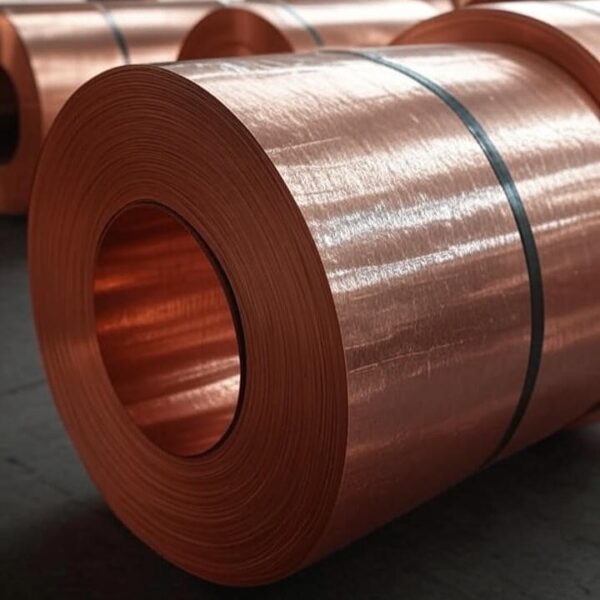
Copper Sheets
Copper sheets are manufactured in a broad range of thicknesses, with thin copper sheet and foil products available for specialized electrical and electronic applications and heavier sheets available for industrial fabrication, construction, and engineering projects. Standard and customized widths and lengths can be supplied depending on production capability, while sheets can also be cut to specific dimensions for direct use in manufacturing. Copper sheet thickness, width, length, flatness, edge condition, surface quality, chemical composition, tensile strength, elongation, hardness, and electrical conductivity are important technical parameters for industrial buyers. The most suitable grade depends on the intended application; C11000 copper sheet is widely used for electrical conductors, busbars, connectors, terminals, and general fabrication because of its excellent conductivity and good formability. C10100 oxygen-free copper is preferred for applications requiring very high conductivity and low oxygen content, including specialized electrical and electronic components. C12200 phosphorus-deoxidized copper is commonly used for tubes, heat exchangers, plumbing components, and applications requiring good welding and brazing characteristics. Copper sheets can be processed by cutting, bending, stamping, punching, forming, machining, soldering, brazing, and welding depending on the selected grade and temper. Their combination of conductivity, formability, corrosion resistance, and thermal performance makes copper sheets an important material for transformers, electrical panels, switchgear, heat exchangers, radiators, roofing systems, architectural elements, industrial equipment, and fabricated copper components.
Copper sheets can be supplied in standard commercial dimensions or manufactured according to customized specifications, making them suitable for both regular industrial consumption and project-based procurement. Packaging may include wooden cases, pallets, protective wrapping, strapped bundles, or other export packaging designed to prevent mechanical damage and surface contamination during transportation. Depending on the destination and contract requirements, we can provide technical datasheets, Certificate of Analysis (COA), material certificates, inspection reports, packing lists, and certificates of origin.
Copper Tube
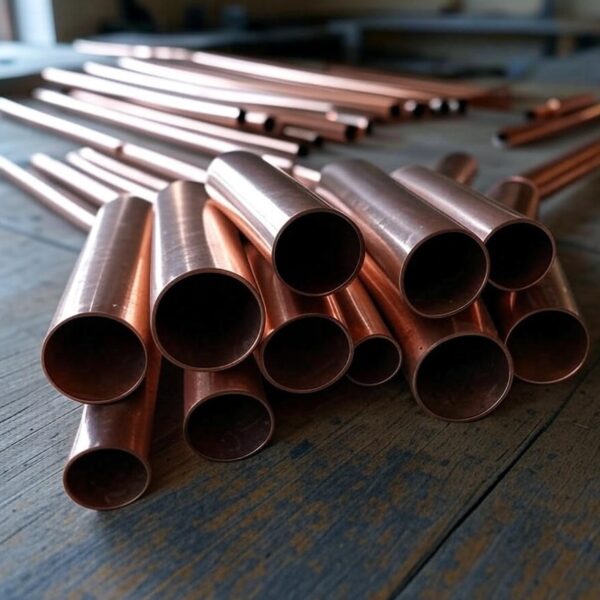
From a technical and commercial perspective, Copper Tube offers a combination of mechanical reliability and excellent heat-transfer performance that makes it suitable for a wide range of applications. Copper has naturally strong resistance to atmospheric corrosion and maintains its functional properties over long service periods when properly selected and installed. Copper tubing is widely used in air conditioning and refrigeration systems for refrigerant lines, liquid lines, suction lines, heat exchangers, evaporator systems, and condenser assemblies. It is also extensively used in domestic and industrial plumbing for hot-water and cold-water distribution because of its durability and resistance to many common water conditions. In heating systems, copper tube is commonly applied in boilers, radiators, underfloor heating systems, heat pumps, and thermal-transfer equipment. Industrial users may require copper tubing for hydraulic systems, pneumatic equipment, process piping, heat exchangers, cooling systems, solar thermal installations, and specialized machinery. Depending on the project, customers can choose different outside diameters, wall thicknesses, lengths, surface finishes, and material grades. Copper Tube can also be supplied according to internationally recognized standards such as ASTM, EN, BS, and other applicable specifications, subject to the required grade and application. For B2B buyers, important purchasing parameters include copper grade, chemical composition, outer diameter, wall thickness, length, temper, tensile strength, yield strength, elongation, surface quality, dimensional tolerance, and applicable manufacturing standard. Proper specification of these parameters helps ensure compatibility with existing systems and reduces installation, maintenance, and replacement costs.
Different types of Copper Tube are available to satisfy the requirements of construction companies, HVAC contractors, refrigeration manufacturers, plumbing suppliers, industrial manufacturers, and international distributors. Straight copper tubes are suitable for installations and fabrication projects where fixed lengths are preferred, while coiled copper tubes are particularly useful for refrigeration, air conditioning, heating, and applications requiring continuous installation with fewer joints. Annealed copper tube provides high flexibility and is suitable for bending and forming operations, whereas hard-drawn copper tube offers higher rigidity and is frequently selected for fixed piping systems. Refrigeration-grade copper tube is manufactured with controlled internal cleanliness and is commonly supplied for HVAC and refrigeration applications where contamination control is important. Plumbing copper tube is designed for water distribution and building services, while specialized copper tubes can be produced for heat exchangers, industrial cooling, medical applications, and other engineered systems. Copper tubes can also be supplied with different surface conditions, including bare copper, polished, cleaned, or specially treated surfaces depending on the end use. For international buyers, the availability of different dimensions, grades, packaging methods, and inspection documentation is an important advantage when sourcing Copper Tube in bulk. Iranian Copper Tube suppliers and exporters can offer products for wholesale purchasing, project supply, industrial manufacturing, and international distribution.

Coriander Seed
Coriander seed is available in several forms and grades to serve different manufacturing and wholesale applications. Whole coriander seed is the most common commercial form and is preferred by spice processors, seasoning manufacturers, pickling producers, meat processors, food-service suppliers, and companies that require further grinding or roasting. Large and well-graded whole seeds are generally selected where visual quality, uniformity, and controlled processing are important, while standard cleaned seeds are suitable for general spice production and industrial blending. Split coriander seed provides a convenient intermediate form for faster processing and can be used in spice blends, seasoning preparations, food ingredients, and applications where whole seeds are not required. Crushed coriander is suitable for manufacturers seeking a coarser texture and stronger release of aroma during processing, including sausage, meat seasoning, sauces, marinades, and specialty spice blends. Coriander powder is produced by grinding cleaned coriander seed to the required particle size and is widely used in curry powders, masala blends, instant foods, sauces, soups, bakery products, snacks, processed meat products, and ready-to-use seasonings. Coriander seed may also be selected as a botanical raw material for essential-oil and oleoresin production, subject to the required extraction specifications. During production, quality control focuses on cleanliness, foreign matter removal, moisture management, seed maturity, color, aroma, particle size, and microbiological requirements where applicable. For export-oriented manufacturing, specifications can be agreed according to the buyer’s formulation, processing equipment, destination regulations, and quality requirements. The principal advantages of coriander seed include its strong natural aroma, versatile flavor profile, suitability for multiple processing methods, excellent compatibility with other spices, broad food-industry applications, and availability in different commercial grades. Its flexibility makes coriander seed a practical raw material for manufacturers seeking a reliable ingredient for seasoning, spice blending, food processing, and botanical applications. Buyers can therefore select whole, graded, split, crushed, or powdered coriander according to the intended end use, production process, and desired particle size.
Corn Starch
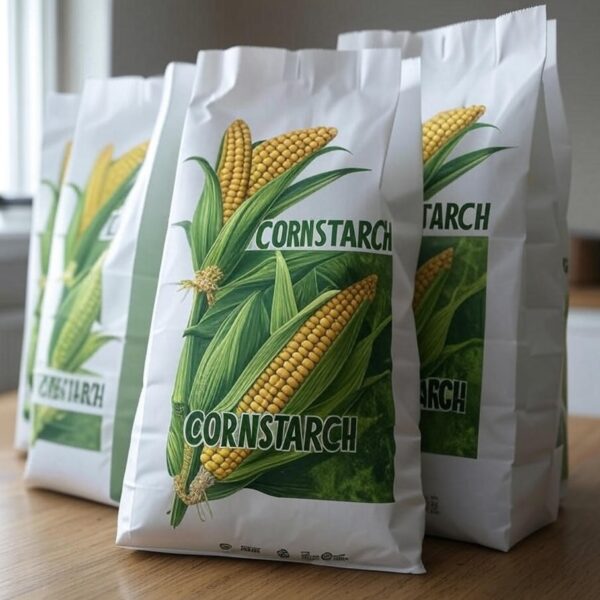
In the food industry, Corn Starch is extensively used as a thickener, stabilizer, binder, texture modifier, and processing aid in products such as sauces, soups, gravies, bakery products, confectionery, desserts, puddings, dairy products, instant foods, and processed meat products. When heated in the presence of water, corn starch granules absorb moisture and swell, producing increased viscosity and contributing to the desired texture and consistency of the final product. Corn Starch is also an important raw material for the production of glucose syrup, maltodextrin, dextrose, and other starch-based derivatives. In pharmaceutical manufacturing, suitable grades can be used as a binder, filler, disintegrant, or processing excipient in tablet and capsule production. The paper and packaging industries use Corn Starch for surface sizing, coating, adhesive formulations, and improving paper strength and printability. In the textile industry, it can be used for sizing yarns and improving handling and weaving performance. Industrial users also utilize Corn Starch in adhesive systems, corrugated board production, biodegradable materials, and various chemical formulations. Modified Corn Starch is particularly important when manufacturers require improved stability under heat, shear, acidity, freezing, or prolonged processing conditions.
For international buyers, importers, distributors, food manufacturers, pharmaceutical companies, paper mills, textile producers, and industrial processors, selecting the appropriate Corn Starch grade is essential for achieving consistent production results. Native Corn Starch is generally selected for conventional thickening, binding, and industrial applications, while modified varieties are designed to provide specific functional improvements and enhanced processing stability. Pregelatinized Corn Starch can offer easier dispersion and thickening properties without requiring the same cooking conditions as native starch. The appropriate product should therefore be selected according to application, required viscosity, processing temperature, moisture content, pH conditions, storage requirements, packaging, and applicable quality standards. Iranian Corn Starch can be commercially attractive for buyers seeking competitive sourcing options, regional supply advantages, flexible quantities, and access to manufacturers and exporters in the Iranian market. Buyers should evaluate supplier experience, product specifications, certificates, production capacity, packaging options, export capability, and consistency between batches before placing a bulk order.
Corrugated Paper Boards
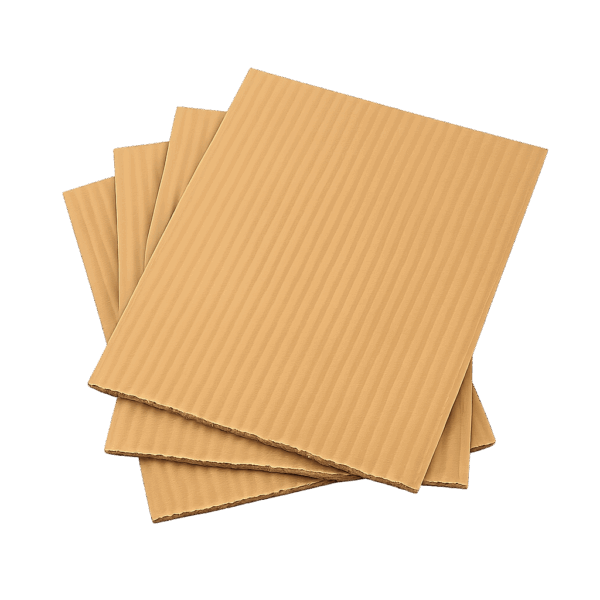
- Single-face corrugated board , The most basic type, consisting of a single corrugated layer glued to a flat liner, often used for wrapping or light packaging.
- Single-wall corrugated board, A single layer of corrugated fluting sandwiched between two flat linerboards, suitable for most consumer goods packaging.
- Double-wall corrugated board, Two layers of corrugated fluting with three flat linerboards, providing increased strength for heavier items.
- Triple-wall corrugated board, Three layers of corrugated fluting with four flat linerboards, offering maximum strength for very heavy or fragile items.
corrugation patterns or Flute types can be :
- A-flute: Thick, large flutes, providing high compression strength, ideal for stacking heavy items.
- B-flute: Medium-sized flutes, good balance of strength and flexibility.
- C-flute: Most common flute type, offering a good combination of strength and stacking ability.
- E-flute: Smaller flutes, used for lighter items and displays.
Corrugated PE Pipe
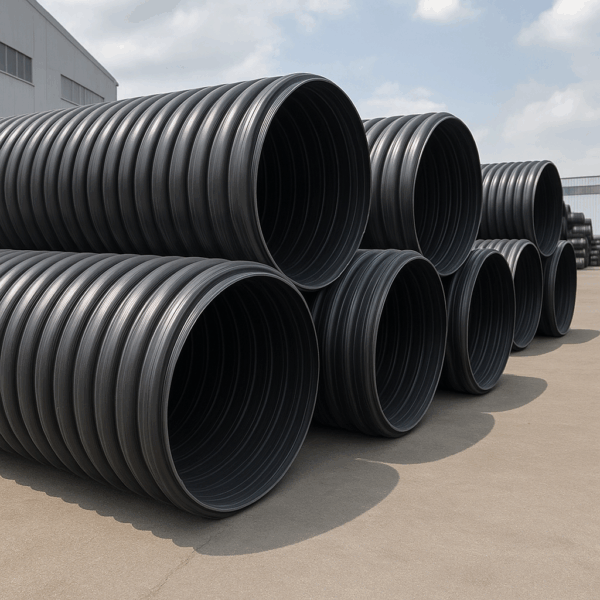
Corrugated PE pipes have strong pressure bearing capacity, lightweight, simple installation, safety and reliability, good sealing performance, and strong corrosion resistance. These pipes are widely used in municipal engineering drainage and sewage engineering; various industrial and agricultural water delivery and irrigation projects and road project.
The HDPE material gives the pipe a long life and protects the pipe from many calamities consequently these pipes are durable .after laying, these HDPE Double-Wall Corrugated Pipes can carry greater weight more than conventional pipes. Available sizes range is from 110 -3000 mm , made from PE 80 and PE100 in Classes SN 4 and SN 8 .
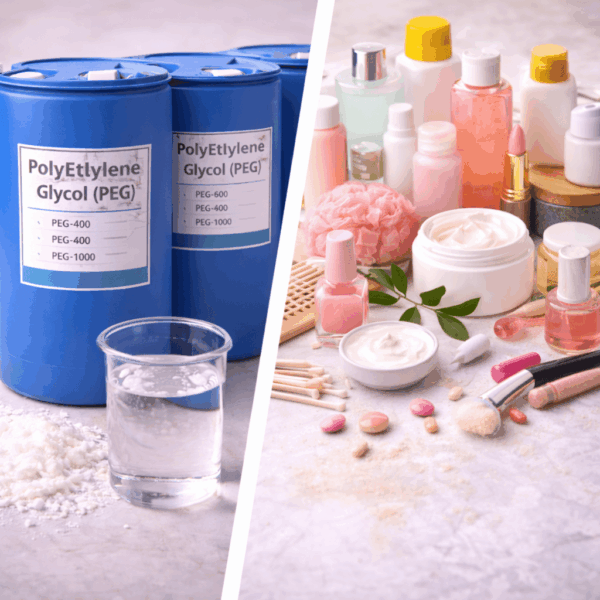
Cosmetic Grade Polyethylene Glycol
Cosmetic grade PEG is commercially available in a broad range of molecular weights, including PEG-200, PEG-300, PEG-400, PEG-600, PEG-1000, PEG-1500, PEG-2000, PEG-4000, PEG-6000, and PEG-8000. Low molecular weight grades are clear liquids, medium grades are soft solids or waxy materials, and higher molecular weight PEGs are supplied as white flakes or powders, allowing precise selection based on formulation needs. In cosmetic and personal care products, low molecular weight PEGs such as PEG-200 to PEG-400 are commonly used as humectants, solvents, emollients, and fragrance carriers in creams, lotions, serums, shampoos, body washes, and liquid cosmetics. Medium molecular weight PEGs including PEG-600 to PEG-2000 function as emulsifiers, dispersants, binders, and texture modifiers, helping to improve product stability, spreadability, and skin feel.
High molecular weight PEGs such as PEG-4000 to PEG-8000 are used as thickeners, film-formers, slip agents, and viscosity regulators in balms, sticks, solid cosmetics, and specialty personal care formulations. Molecular weights typically range from 200 to over 8,000 g/mol, directly influencing melting point, viscosity, water solubility, and sensory performance.
Key properties of cosmetic grade polyethylene glycol include excellent skin compatibility, non-greasy feel, high water solubility, low odor, chemical stability, and compatibility with a wide range of cosmetic ingredients. Supplied in cosmetic-approved packaging with full quality documentation, cosmetic grade PEG provides formulators with a reliable, safe, and cost-effective ingredient for creating high-quality, stable, and consumer-preferred personal care products.

Cosmetic Grade Talc Powder
Powder particle sizes typically range from 5 µm to 20 µm, with super-fine grades below 5 µm available for premium cosmetic formulations requiring a silky, lightweight texture. Thanks to its naturally lamellar plate-like structure, cosmetic grade talc provides excellent slip, spreadability, and oil absorption, creating a smooth, matte finish on the skin. It is widely used in face powders, compact powders, foundations, body powders, baby care products, deodorants, creams, lotions, and color cosmetics where soft touch and even application are essential.
Key properties of cosmetic talc include high purity, exceptional whiteness, chemical inertness, low moisture absorption, non-abrasiveness, and excellent skin compatibility. These features make it ideal for sensitive skin formulations, fragrance retention, improved flowability, and enhanced product stability during storage and use. Supplied in hygienic bags, cartons, or customized cosmetic packaging, cosmetic grade talc powder offers formulators a reliable, safe, and cost-effective solution for producing high-quality personal care products with consistent performance, refined texture, and consumer-preferred sensory appeal.