

 Arabic
shop

Bottom Freezer Refrigerator
With so many configuration styles to choose from, picking the right fridge for your home can seem daunting so understanding the benefits of each design can help make your decision easier. Bottom freezer refrigerators keep your fresh foods at eye level while storing frozen items in a freezer compartment at the bottom of the appliance. This design is convenient for those who don’t use their freezer as much and want easy access to refrigerated groceries.
These models offer either cabinet or drawer-style freezer doors, with a cabinet-style refrigerator door. This style puts fresh ingredients closer to eye level for easy access. these models often take up minimal floor space.
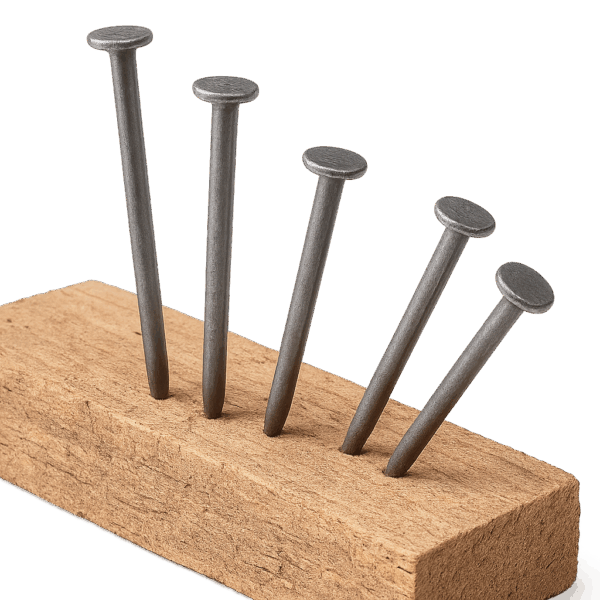
Box Nail
Nail size is determined by both length and gauge. Nail length is indicated by the letter “d,” which is a system of measurement that dates back to old England and originally represented the word “pennies.” Nails come in many lengths ranging from 2d all the way to 50d with corresponding lengths. While nails may vary between manufacturers, the most common types includes sizes from 2d that is 2 inches to 50d that is 5 ½ inches . Nails must be of suitable strength, with a shank that is long enough to provide an appropriate attachment. Box nails are similar to common nails and sinkers but have thinner shanks. They are better suited to thinner wood materials, such as 1x (3/4-inch-thick) lumber and exterior trim.
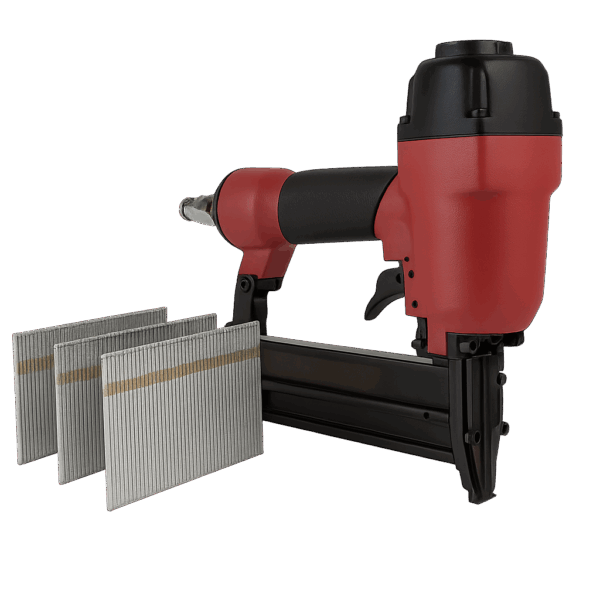
Brad Nail
Nail size is determined by both length and gauge. Nail length is indicated by the letter “d,” which is a system of measurement that dates back to old England and originally represented the word “pennies.” Nails come in many lengths ranging from 2d all the way to 50d with corresponding lengths. While nails may vary between manufacturers, the most common types includes sizes from 2d that is 2 inches to 50d that is 5 ½ inches . Nails must be of suitable strength, with a shank that is long enough to provide an appropriate attachment.
Brad nails (or brads) have thin shanks similar to finishing nails. These nails are used in light woodworking. Because of the small shank diameter and the small head, these nails reduce the possibility of splitting the wood. Because they are difficult to drive by hand, brad nails are typically used with a nail gun.

Brass Powder
Brass Powder grades are supplied in different mesh sizes and particle sizes such as -100 mesh, -200 mesh, -325 mesh, 10–50 micron, 20–75 micron, and customized micron ranges. Fine and ultra-fine grades are mainly used for powder metallurgy, metallic coatings, brazing materials, conductive applications, and advanced manufacturing processes, while coarse grades are suitable for decorative finishes, friction materials, foundry applications, and industrial fillers. Spherical Brass Powder is preferred for additive manufacturing, thermal spraying, and precision metal processing due to its excellent flowability, whereas irregular-shaped powders are commonly used in sintered components and chemical applications.
Brass Powder offers outstanding advantages including good electrical and thermal conductivity, excellent corrosion resistance, attractive golden metallic appearance, high machinability, strong bonding capability, and compatibility with various industrial processes. It is widely applied in powder metallurgy, automotive components, electrical and electronic parts, decorative coatings, pigments, friction materials, welding and brazing products, metal injection molding, 3D printing, and industrial surface treatments. Export-quality Brass Powder is manufactured according to international standards with controlled chemical composition, stable particle size distribution, and reliable packaging options including 5 kg, 10 kg, 20 kg, 25 kg bags, and customized bulk packaging for wholesale and industrial buyers.

Brazing Powder
Brazing Powder is supplied in different particle sizes and packaging options according to customer requirements and production processes. Common mesh sizes include -100 mesh, -200 mesh, -325 mesh, and fine micronized grades, which are selected depending on application method such as flame brazing, furnace brazing, induction brazing, vacuum brazing, and automated manufacturing systems. Standard export packaging is available in 250 g, 500 g, 1 kg, 5 kg, 10 kg, and 25 kg containers, while customized industrial packaging can also be provided for large-volume buyers. Silver-based grades are widely used in electronics, refrigeration systems, medical equipment, and precision engineering due to their excellent flowability and corrosion resistance. Nickel-based grades are preferred for aerospace, automotive, turbine, and high-temperature machinery applications, while copper and bronze grades are commonly used in plumbing, HVAC systems, electrical components, and general metal fabrication.
High-quality Brazing Powder offers several advantages including excellent wettability, uniform melting behavior, strong joint strength, oxidation resistance, and compatibility with various ferrous and non-ferrous metals. The product specifications can be customized based on alloy composition, melting temperature range, particle distribution, and required application standards such as AWS, ISO, and industrial customer specifications. Brazing Powder is an essential consumable for manufacturers producing heat exchangers, automotive parts, cutting tools, carbide components, electrical connectors, machinery parts, and industrial assemblies requiring reliable metal bonding. With consistent quality, competitive production capability, and export-ready packaging, Brazing Powder is a suitable solution for international wholesalers, distributors, and industrial users seeking dependable brazing materials.

Brie Cheese
Brie Cheese is a soft and creamy cheese known for its mild, buttery flavor. It is traditionally made from cow’s milk and aged as large wheels or rounds. Characterized by its pale yellow interior, its soft, creamy texture under the rind compliments its firmer consistency in the center.
Brie Cheese can be used in both savory and sweet dishes. it’s often served as an appetizer, sliced, and served with bread, crackers, or fruit.

Bright Stock Oil
Bright Stock Oil is manufactured through advanced petroleum refining processes starting from heavy vacuum residue fractions obtained during crude oil distillation. The production process normally includes vacuum distillation, solvent extraction, dewaxing, hydrofinishing, and quality purification steps to remove unwanted compounds while improving stability, color, and performance properties. Depending on the crude source and refinery technology, Bright Stock Oil can be produced in different viscosity grades with controlled characteristics such as viscosity at 100°C, viscosity index, sulfur content, flash point, and carbon residue. Commercially available types include BSO 150, BSO 500, BSO 600, and high viscosity Bright Stock grades, which are selected according to the required lubrication performance. Lower viscosity grades are commonly used in general lubricant blending, while higher viscosity grades are preferred for heavy-duty lubricants requiring strong oil film protection.
Bright Stock Oil is widely applied in the production of automotive engine oils, industrial lubricants, gear oils, marine lubricants, hydraulic oils, compressor oils, greases, and specialty lubricant formulations. It improves viscosity control, enhances wear protection, increases oxidation resistance, and provides excellent sealing performance in lubricant applications. The main advantages of Bright Stock Base Oil include high viscosity, outstanding load-carrying ability, excellent blending compatibility, good low-volatility characteristics, and improved protection of mechanical components under severe operating conditions. Due to these technical advantages, Bright Stock Oil is exported globally as an important feedstock for lubricant manufacturers, additive companies, and industrial users requiring reliable high-quality base oil for advanced lubricant production.
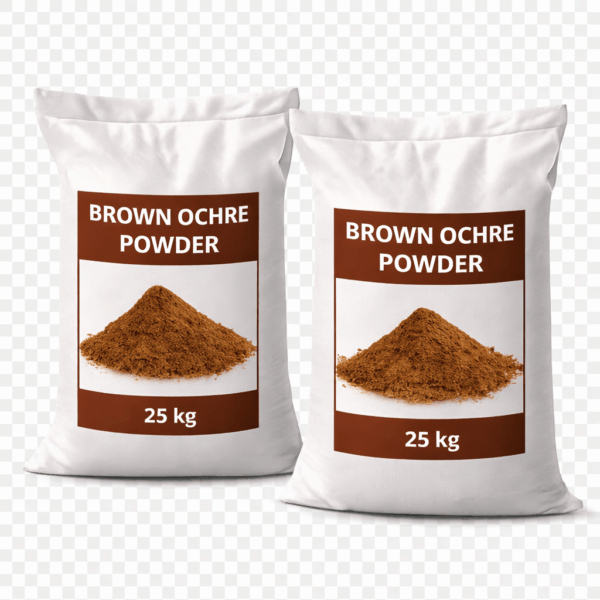
Brown Ochre Powder
Commercial brown ochre is available in several grades and varieties, including Natural Brown Ochre, Dark Brown Ochre, Red-Brown Ochre, and Golden-Brown Ochre, differentiated by iron oxide concentration, shade tone, and degree of refinement. These options allow manufacturers to achieve everything from soft natural brown hues to deeper, richer earth tones. Brown ochre powder is widely used in architectural and industrial paints, cement and concrete coloring, plasters, mortars, tiles, bricks, ceramics, asphalt, rubber compounds, plastics, and decorative coatings. Its natural origin and chemical stability make it especially suitable for exterior surfaces and applications exposed to sunlight, moisture, and alkaline environments.
Key properties of brown ochre include excellent lightfastness, high UV and alkali resistance, thermal stability, low oil absorption, and good dispersibility. Commercial particle sizes are typically supplied as fine grades below 10 µm for paints and coatings, standard grades of 10–45 µm for construction materials and plastics, and coarser grades above 45 µm for textured plasters and decorative finishes.

Built-In Gas Fireplace Heater
You get conventionally designed built-in gas fireplaces that resemble natural wood logs. They are available in diverse sizes with different colours and textures. You can use stones, rocks and multi coloured glass stones for a contemporary look. These Modern gas fireplaces are perfect combination of visual appeal and heating efficiency , they are clean-burning, safe and far more energy efficient. Type of ignition of the fireplace can be electric ignition that uses a spark created by electricity to ignite the flame or A standing pilot ignition that uses a low amount of gas to continually maintain a small flame.
About this item
- Up to 20, 000 BTU’s/hr heats up to 700 sq. Ft
- Thermostat control knob automatically maintains your ideal heat level
Several types of s of gas fireplaces based on design and installation are available such as:
- Gas log sets: Ceramic logs that sit within an existing fireplace and are connected to a gas line to create a flame effect.
- Gas fireplace inserts: A self-contained unit designed to fit within an existing fireplace opening.
- See-through fireplaces: A direct vent design that allows viewing of the flame from multiple sides.
- Linear fireplaces: Long, narrow design often used in contemporary settings

Bulletproof Glass
Commercial bulletproof glass is available in several configurations to meet different architectural, automotive, industrial, and security requirements. Common types include laminated bullet-resistant glass, glass-polycarbonate composites, laminated acrylic systems, insulated ballistic glazing, and multi-layer ballistic glass for high-security applications. Products may be supplied as flat panels, custom-cut sheets, security windows, doors, partitions, transaction windows, vehicle glazing, observation panels, and specialized architectural glazing systems. Depending on the application, additional features such as UV protection, sound insulation, thermal performance, optical clarity, anti-spall protection, and one-way vision can also be incorporated into the glazing design. Thickness and dimensions are normally customized according to the required protection level, installation method, and frame system.
Bulletproof glass is widely used in banks, financial institutions, government buildings, embassies, military and security facilities, jewelry stores, airports, transportation infrastructure, commercial buildings, private residences, security checkpoints, and armored or protected vehicles. It is particularly suitable for areas where transparent protection is required without compromising visibility or architectural appearance. For B2B projects, ballistic glass can be supplied according to required dimensions, thickness, ballistic classification, and installation specifications. Proper selection should always be based on the expected threat level, certified test performance, environmental conditions, and compatibility with the supporting frame and security system.

Burrata Cheese
Burrata Cheese is a luxurious and creamy Italian cheese that has gained popularity in recent years. burrata cheese is made by combining mozzarella cheese and cream, resulting in a unique and luscious texture.The outer shell of the cheese is made of mozzarella, while the inside is filled with a mixture of cream and curd. the texture of burrata cheese is smooth and silky, while its taste is rich and buttery.
Burrata is made from fresh cow’s milk using a process similar to that of mozzarella cheese. To make burrata cheese, the process starts by heating the cow’s milk and adding rennet to form curds. These curds are then stretched and formed into a pouch-like shape, which is then filled with a mixture of cream and more curd, called the stracciatella. the pouch is carefully sealed to ensure the creamy filling stays intact, creating a contrast of textures when you cut into the cheese.

Butadiene
Butadiene is mainly used in the production of synthetic rubbers such as Polybutadiene Rubber (BR), Styrene Butadiene Rubber (SBR), Acrylonitrile Butadiene Rubber (NBR), and Styrene Butadiene Styrene (SBS). These materials are essential for automotive tires, rubber hoses, seals, belts, footwear, adhesives, and industrial components. Its excellent elasticity, abrasion resistance, low-temperature flexibility, and durability make Butadiene one of the most valuable monomers in the rubber manufacturing sector. It is also used in the production of ABS resins, latex products, engineering plastics, and chemical intermediates.
Commercial Butadiene is available in different grades depending on purity level, application requirements, and industrial standards. The most common commercial types include Polymer Grade Butadiene, High Purity Butadiene, Chemical Grade Butadiene, and Butadiene for synthetic rubber production. These grades are supplied in pressurized containers, refrigerated storage systems, or bulk transportation according to international safety regulations. Butadiene requires proper handling and storage due to its flammable nature and high chemical reactivity. Reliable sourcing of Butadiene ensures consistent quality, stable supply, and compliance with industrial specifications for petrochemical and polymer manufacturing applications.