

 Arabic
shop

PVC Suspension S-60
PVC S-60 is available in different commercial grades and specifications depending on the final application requirements. The most common grades include general-purpose PVC S-60, used for rigid and semi-rigid PVC products such as pipes, profiles, sheets, and fittings; extrusion grade PVC S-60, optimized for continuous extrusion processes; injection molding grade PVC S-60, suitable for molded components and industrial parts; and compound grade PVC S-60, used with additives, stabilizers, plasticizers, and fillers for customized PVC formulations. This PVC resin grade is widely applied in construction materials, electrical industries, packaging products, automotive components, consumer goods, and industrial applications due to its excellent chemical resistance, durability, flame-retardant properties, and cost efficiency.
PVC Suspension S-60 offers significant advantages including high purity, uniform particle size distribution, good thermal stability, excellent processability, and compatibility with various additives. Its controlled K-value and viscosity characteristics provide manufacturers with improved production control and consistent product quality. The resin can be processed through extrusion, injection molding, calendaring, and other PVC manufacturing technologies. Due to its versatility and reliable performance, PVC Suspension S-60 is an important export product supplied to PVC compounders, pipe manufacturers, profile producers, cable manufacturers, and plastic product industries worldwide.
PVC Suspension S-65
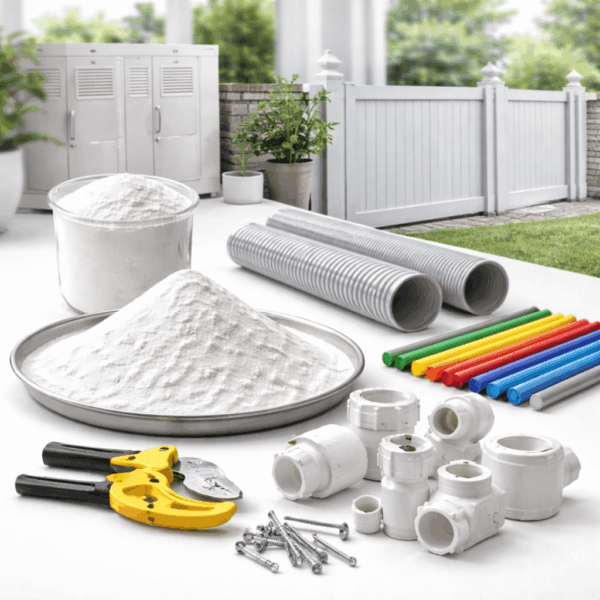
PVC Suspension S-65 is available in different commercial grades and K-value ranges depending on the final application requirements. The S-65 grade generally corresponds to a K-value range of approximately 65, providing a good balance between melt strength, processing efficiency, and product durability. Lower viscosity PVC grades are commonly selected for injection molding and rigid profiles, while higher viscosity grades are preferred for applications requiring higher mechanical strength and improved performance. PVC S-65 Resin is used in the production of rigid pipes, fittings, profiles, window frames, sheets, films, electrical conduits, cable insulation, flooring materials, artificial leather, packaging products, and various industrial plastic components. Its versatility makes it one of the most demanded PVC resin grades for domestic production and wholesale export markets.
PVC Suspension S-65 offers several advantages including excellent chemical resistance, high durability, good weather resistance, flame-retardant characteristics, electrical insulation properties, and compatibility with various additives such as plasticizers, stabilizers, lubricants, and impact modifiers. The resin can be customized for different processing technologies by adjusting formulation components, making it suitable for manufacturers producing construction materials, automotive parts, electrical products, and consumer goods. Export-quality PVC S-65 Resin is supplied according to international standards with controlled specifications such as K-value, bulk density, volatile content, particle size, and purity to ensure reliable performance in global PVC industries.
PVC Suspension S-67
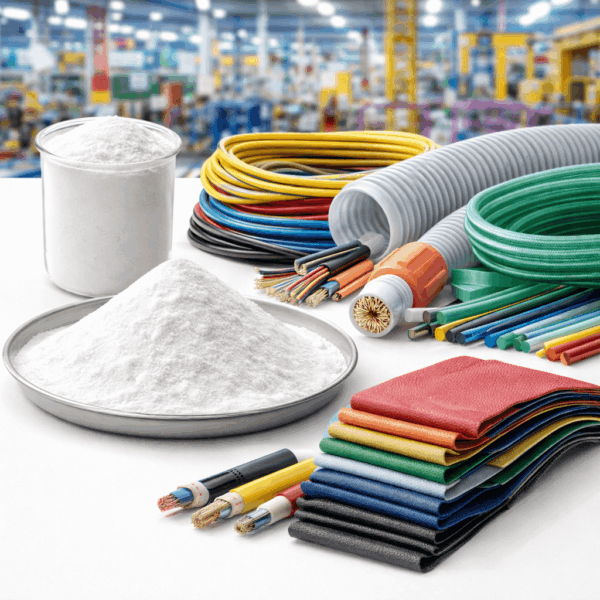
PVC Resin S-67 offers excellent chemical resistance, weather resistance, electrical insulation properties, dimensional stability, and long service life. Its uniform particle structure provides smooth processing, consistent fusion behavior, and high-quality finished products. This grade is widely used in construction, infrastructure, electrical, packaging, automotive, medical, and consumer industries. The main advantages of PVC Suspension S-67 include high purity, stable quality, good whiteness, excellent mechanical properties, compatibility with various additives, and cost-effective performance compared with many alternative polymer materials. Due to its reliable specifications and broad application range, PVC S-67 is considered one of the most important PVC resin grades for international wholesale export markets.
PVC Suspension S-67 is available in different commercial grades and packaging options according to customer requirements, mainly supplied in 25 kg kraft paper bags, 500 kg jumbo bags, and bulk shipments. The most common grades are differentiated according to K-value, viscosity, apparent density, and processing characteristics. S-67 general-purpose grade is mainly used for rigid PVC pipes, profiles, sheets, and industrial components; S-67 extrusion grade is preferred for window profiles, conduits, and construction materials requiring high mechanical strength; S-67 injection molding grade is applied for fittings, electrical parts, and molded PVC products; and S-67 flexible processing grade can be used with plasticizers for cables, flooring, films, and soft PVC applications. The flexibility of this resin makes it suitable for manufacturers producing a wide range of PVC products for domestic and export markets.
PVC Suspension S-70
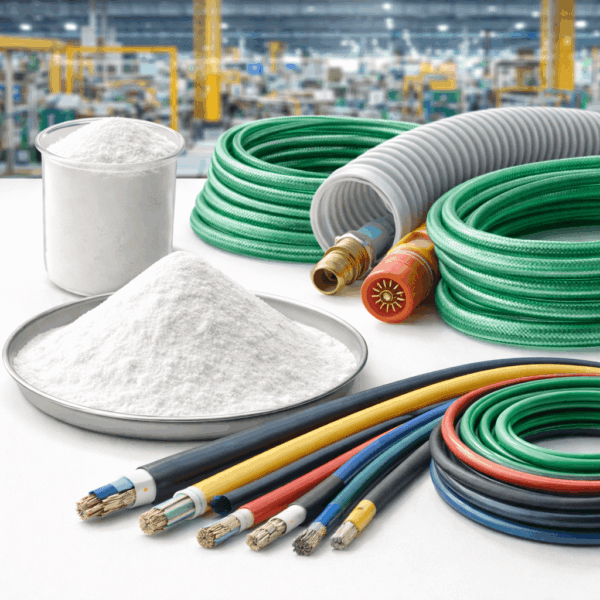
PVC Suspension S-70 is commercially available in different grades and K-values depending on the required final product properties. Standard S-70 grade generally has a K-value around 66–68 and is mainly used for rigid PVC applications such as pipes, profiles, sheets, window frames, fittings, and industrial components. Higher molecular weight suspension PVC grades such as S-65 and S-75 are selected when different melt strength, impact resistance, or processing characteristics are required. Lower K-value grades provide easier processing and better surface appearance, while higher K-value grades offer improved mechanical strength and durability. PVC S-70 is widely used in construction materials, electrical products, packaging components, household goods, automotive parts, and many other applications where chemical resistance, long service life, and cost efficiency are required.
The main advantages of PVC Suspension Resin S-70 include excellent chemical resistance, high rigidity, good electrical insulation properties, weather resistance, flame retardancy, and strong compatibility with stabilizers, lubricants, impact modifiers, and other formulation additives. Due to its stable quality and versatile performance, PVC S-70 is an important raw material for manufacturers producing export-quality PVC products. The resin can be customized according to customer requirements regarding particle size, bulk density, whiteness, residual VCM content, and packaging options. With its wide industrial acceptance and consistent processing performance, PVC Suspension S-70 remains one of the preferred PVC resin grades for global plastic manufacturing industries.
PVC-O Pipe & Fittings
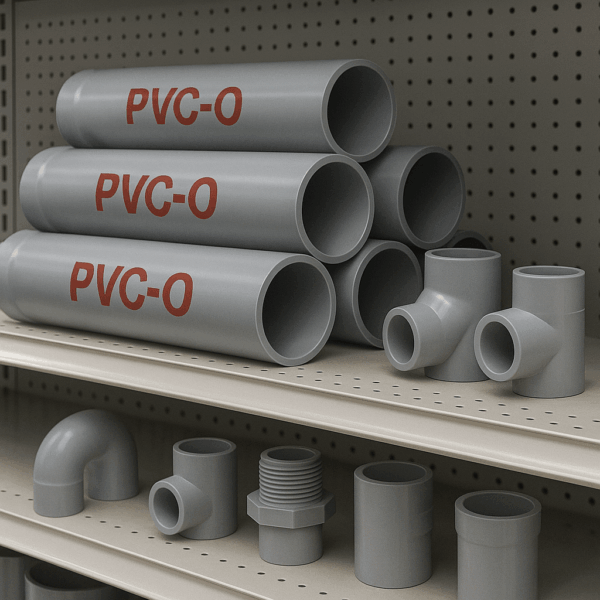
PVC-O enhances the many benefits of PVC-U such as resistance to corrosion, preservation of water quality, cost-efficiency and recyclability and an unsurpassed balance between strength, stiffness and flexibility. Pipes made of PVC-O are especially advantageous when it comes to hydraulic capacity, ductility, crack propagation and impact and fatigue resistance. This means that PVC-O is an excellent choice for pressure pipes for drinking water. PVC-O is also well suited for buried non-potable applications such as irrigation and sewer pumping mains. PVC-O pipes and fittings are 100% recyclable.
PVC-O is a polymer that is molecular oriented. When PVC undergoes this production process, PVC-U is turned into a layered structure, which makes it more corrosion resistant. PVC-O is the perfect blend of stiffness, strength, and flexibility. Their hydraulic capacity and durability are high, making them more suitable for pressure pipes for irrigation, drinking water, and sewer pumping mains.
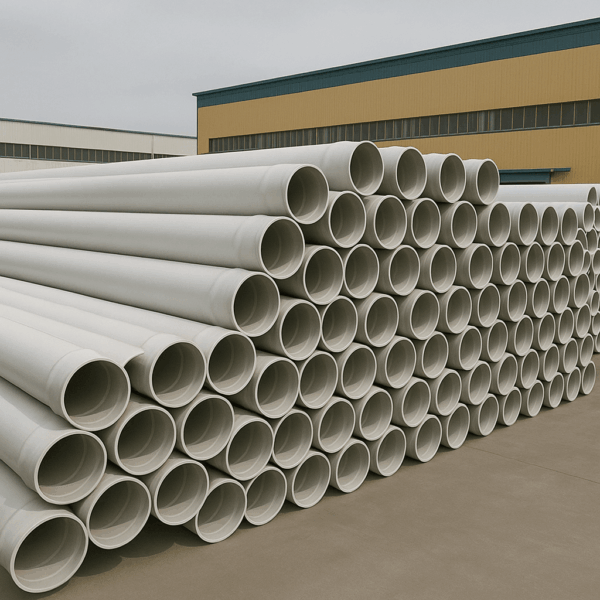
PVC–U Pipes & Fittings
Plasticizer is the solvent that is added to the PVC material to promote its plasticity and flexibility, and reduce its brittleness PVC-U is the most common PVC type for pipes and fittings including transportation of drinking water, soil and waste, sewage and underground drainage and industrial applications. Pipes and fittings made of PVC-U have many benefits. They are a safe choice for transportation of drinking water, waste water and … meanwhile they are light and easy to handle and affordable.
Technical properties include high mechanical performance, high durability (at least 100 years for underground pipes), high chemical resistance and resistance to UV exposure. Moreover, PVC-U pipes have favorable environmental profiles and because of the absence of a plasticizer in them, they are 100% recyclable.

Quail Egg
They are known to support the Liver and the Gallbladder. They are packed full of antioxidants, are great for your skin, and help slow down the body’s natural aging process.
Quail eggs are especially wonderful during pregnancy, they contain important nutrients such as Folate and Calcium, as well as Vitamin D – which is critical for the body’s absorption of Calcium, all of which are vital for pregnant women.
These little eggs pack a nutritional punch, including vitamins B6 and B12, Iron, Magnesium, Phosphorus, Potassium, Zinc, Thiamine, Riboflavin, Niacin, and Vitamins A and E.
Although they are smaller than chicken eggs, quail eggs have a similar flavor, are slightly higher in calories and are more nutrient-dense.
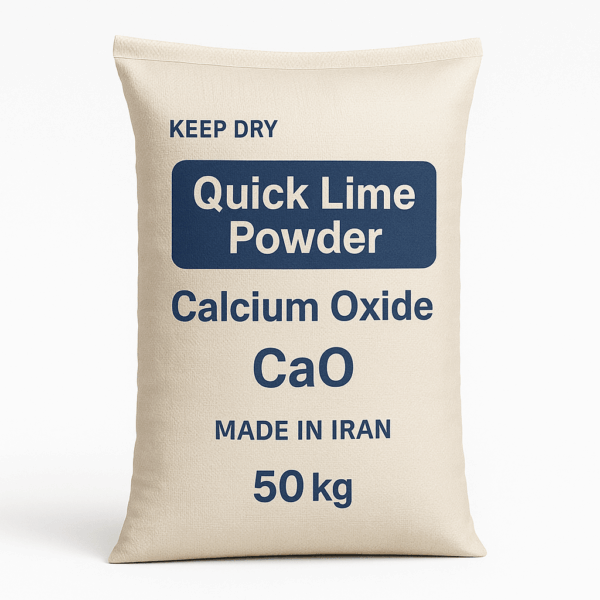
Quicklime
Available calcium quicklime are :
- High calcium quicklime: Over 90% pure calcium oxide, used in construction, environmental remediation, and agriculture.
- Dolomitic quicklime: Lower calcium oxide content (40-50%) with magnesium oxide, used in steelmaking and chemical production.
- Specialty quicklime: Custom-made quicklime with specific chemical and physical properties for specific applications, such as low reactivity or high surface area.
- Hydrated quicklime / hydrated lime: Quicklime that has been hydrated (mixed with water) to form calcium hydroxide, is used in wastewater treatment and other applications. This can also be called hydrated lime.
- Powdered quicklime: Quicklime that has been ground into a fine powder, used in industrial processes and as a filler in various products.
- Calcium carbonate lime: a derivative of quicklime.
Quicklime powder has various applications:
- Construction: Used as a component in cement and mortar, and to produce lime plaster.
- Environmental: Used in wastewater treatment and flue gas desulfurization to remove impurities.
- Agriculture: Used to adjust soil pH and improve soil fertility.
- Steel making: use as a flux to clean impurities throughout the iron and steel production process.
- Pulp and paper production: Used in the production of pulp and paper to remove impurities.
- Chemical production: Used as a raw material in the production of calcium salts and other chemicals

R3 Turf Tire
Their tread pattern is shallow and wide, minimizing ground disturbance and preventing turf damage. The rounded shoulder design helps reduce scuffing when turning on lawns, golf courses, or parks. R3 tires are often used on turf tractors, mowers, garden tractors, and light utility tractors, they provide excellent flotation, distributing the machine’s weight evenly across a larger area. Compared to R1 (agricultural) and R4 (industrial) tires, R3 offers less traction but higher protection for soft ground, the rubber compound is formulated for both wet and dry turf conditions, ensuring flexibility and long life, these tires typically have low bar angles or block tread designs for smooth rolling on grass.

R4 Industrial Tire
While R4 tires aren’t as kind on grass as R3 tires, and they’re not as effective at traversing challenging terrain as R1 tires, they really shine when tasked with their intended purpose: carrying heavy loads over hard ground. They don’t wear down as quickly and feature tough sidewalls capable of supporting a lot of weight. R4 tires are industrial-grade tractor tires designed for heavy-duty use on mixed surfaces like dirt, gravel, and pavement, they are commonly used on backhoes, loaders, compact tractors, and skid-steer machines. The tread pattern of R4 tires is deeper and more robust than R3 turf tires but less aggressive than R1 agricultural tires, this design provides a balance between traction and surface protection, making them ideal for construction and landscaping. R4 tires have thicker, stronger sidewalls to resist punctures and handle heavy loads, the rubber compound is more rigid and abrasion-resistant, enhancing durability on rough terrain. R4 Industrial Tires provide excellent stability and wear resistance on hard surfaces such as asphalt and concrete, the tread bars are closer together and flatter, offering smoother rides and reduced tire wear.
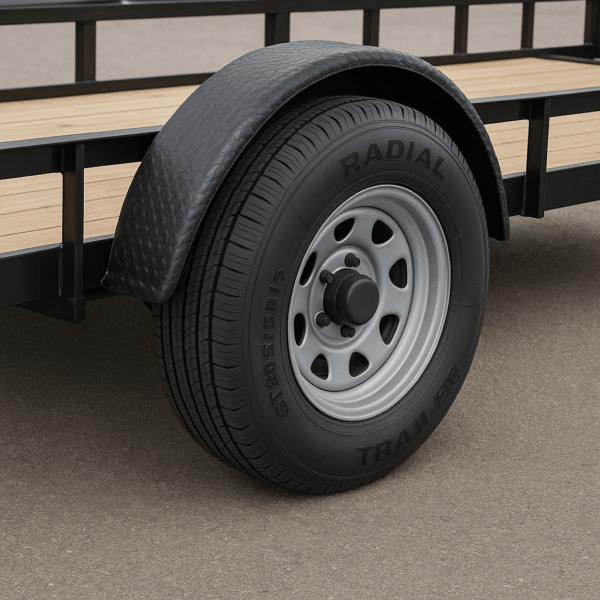
Radial Trailer & Truck Tire
The production process begins with high-grade rubber compounds blended with reinforcing materials such as steel belts, nylon plies, and polyester cords. The tire is built in layers: an inner liner to maintain air pressure, body plies for structure, steel belts for strength, and a tread layer for traction and wear resistance. These components are assembled on a drum, cured under heat and pressure in a mold, and finally inspected for uniformity. Radial trailer tires come in several types and sizes, including ST (Special Trailer) models for light- to heavy-duty use, with common sizes ranging from 13 to 17.5 inches in rim diameter.
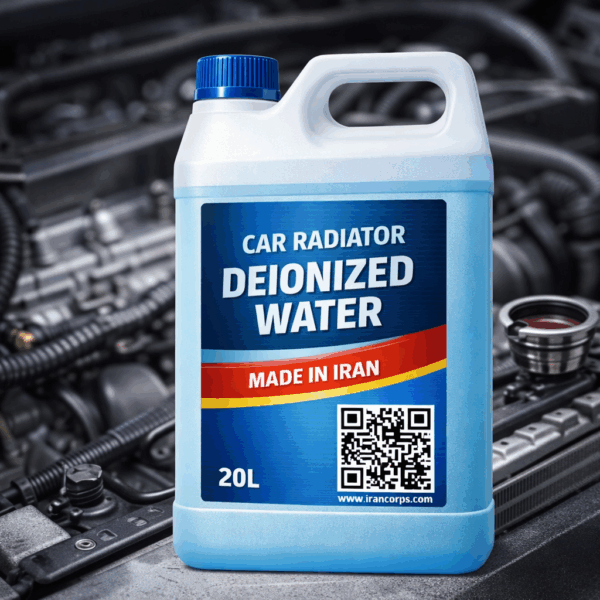
Radiator Deionized Water
Commercially, radiator deionized water is produced through advanced deionization and filtration processes and is available in standard DI water and ultra-low conductivity grades for more sensitive cooling systems. It contains no calcium, magnesium, chlorides, or sulfates, making it ideal for mixing with engine coolants and antifreeze concentrates. Typical applications include passenger vehicles, heavy-duty trucks, generators, agricultural machinery, and industrial heat-exchange systems, as well as battery maintenance and laboratory cooling equipment. Using deionized water prevents scaling, improves coolant inhibitor efficiency, and extends the service life of radiators, water pumps, hoses, and engine components.
Radiator deionized water can be supplied in 1 L, 2 L, 4 L, and 5 L bottles, 20 L jerry cans, 200 L drums, and IBC tanks for bulk users. Key technical parameters include electrical conductivity, total dissolved solids (TDS), pH neutrality, and microbiological purity. It is fully compatible with all ethylene glycol and propylene glycol coolant formulations and meets common automotive and industrial quality standards. With consistent purity, flexible packaging, and reliable performance, radiator deionized water remains a fundamental component for efficient and trouble-free cooling system operation.