

 Arabic
shop

Honey
- The term natural for any food, including honey, suggests that it doesn’t include any added color, artificial flavor, or synthetic substance.
- Pure Honey means no additives whatsoever ,even natural ones, such as sugar, corn syrup or natural flavoring and etc is added to the honey .
- Raw honey means it has no natural or artificial additives and is no processing such as heating and filtering has done .
Pure and natural honey are treated to prevent fermentation and preserve it in a liquid state in order to keep it from crystallizing. Beside above types of honey , the flavored honey is available that Much of the flavor in the honey comes from the volatile oils in the nectar of the plants sampled by the bees that create the honey.

Hook Bolt
Hook bolts can be used in Securing roofing sheets, holding angle iron sections, and creating tie-down points in concrete , Suspending items from ceilings or walls, such as plants, signs, or lighting fixtures and Securing various items in home improvement projects, including shelves, brackets, and storage solutions. Other uses are Hanging garden tools, planters, or outdoor lighting on fences or walls and in Industrial Applications for Fastening machinery components, creating anchor points, or securing pipes.
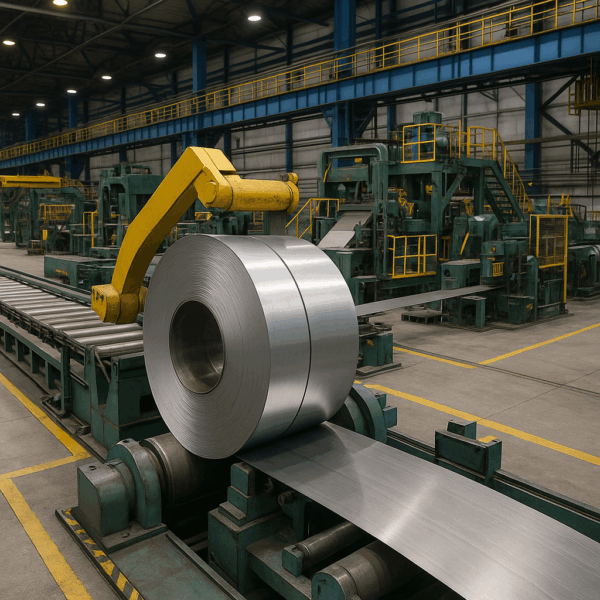
Hot Rolled Steel Coil
They’re used as materials for roofing sheets. building panels, pipes, walls, reinforcing bars (rebars), and structural components like beams, columns, and trusses. Hot rolled steel tends to be less expensive than cold rolled steel since it involves less processing. Better workability, As the hot rolling process occurs at elevated temperatures, the processed material is easy to form and shape.
Hot-rolled Steel Coil is available in various grades, such as low-carbon, medium-carbon, and high-carbon steel. coil sizes vary, but they are typically produced with thicknesses ranging from 1.5mm to 25.4mm, and widths from 600mm to 2100mm. Coil weights can range from 5 to 36 metric tons. The specific dimensions will depend on the customer’s requirements.

Hot Water Aluminum Heating Radiators
The benefit of aluminum is that it’s lightweight, so it’s perfect for installation on an internal stud wall. Aluminum radiators are becoming more popular in homes across the world, thanks to their quick heat up time, low water content and sleek designer finish.
different types of radiators that are available:
- Single/Flat Panel or Double Panel Radiators – These are the most commonly used radiators for central heating systems.
- Horizontal or Vertical Radiators – Horizontal radiators are wider than they are tall and are commonly installed under windows.
- Vertical radiators, are tall t and As they are great space savers.
- Column Radiators – are made up of a vertical row of metal tubes joined at the top and bottom. They can come in horizontal and vertical .
- Towel Radiators – are the best radiators to buy for bathrooms.
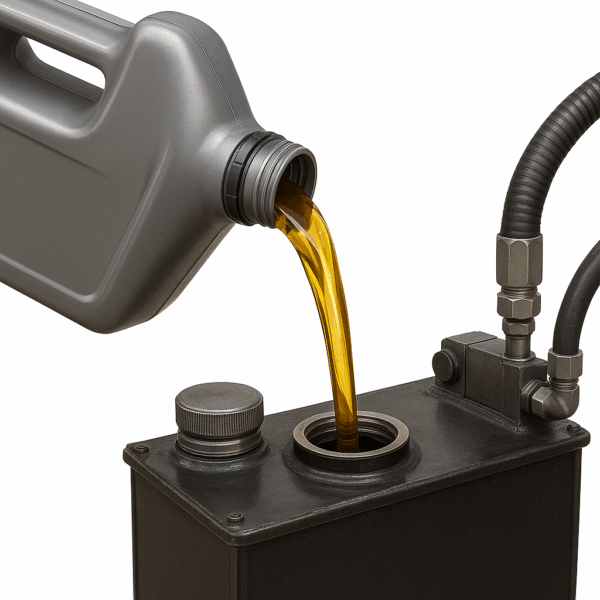
Hydraulic Oil
Although it is commonly used in the transfer of power, hydraulic fluid can act as a sealant, coolant and lubricant within machinery and equipment. Hydraulic oil can be used for Forklift Trucks ,Log Splitters ,Automotive Lifts ,Wright Standers . Snow Ploughs (Snow Plows) ,Skid Steers (Skid-steer Loader and Skidsteer) ,Aircraft (aviation) ,Air Tools ,Tractors ,Cruise Ships and the Marine Industry. Superior hydraulic oils are available in a wide range of ISO and SAE grades to meet these and many other critical machinery challenges, such as high speed , high pressure , high temperature , very low temperature in winter , turbine – grade temperature and those used for food processing and packaging are available .for a hydraulic oil to be useful it needs to have the below properties:
- Non-compressible
- Thermally stable, within a range of operating temperatures
- Fire resistance
- Non-corrosive & Anti-wearing to its system
- Low tendency to cavitate
- Tolerance to water (resistance to water contamination)
- Total water rejection
- Constant viscosity, regardless of temperature & Long Life
Generally speaking, hydraulic liquids are made up of Mineral oil , Esters , Glycol, Silicone, Ethers and some other chemicals .Different hydraulic fluid additives includes Anti-wear , Cold Flow ,Anti-foaming ,Anti-oxidant ,Anti-rust and anti – freeze
The classifications of hydraulic oil are a subgroup of different fluids with varying performance levels. Such as “
- HL – Refined mineral oils with anti-oxidation and anti-rust properties
- HM – HL with improved anti-wear properties
- HR – HL oils with VI improvers
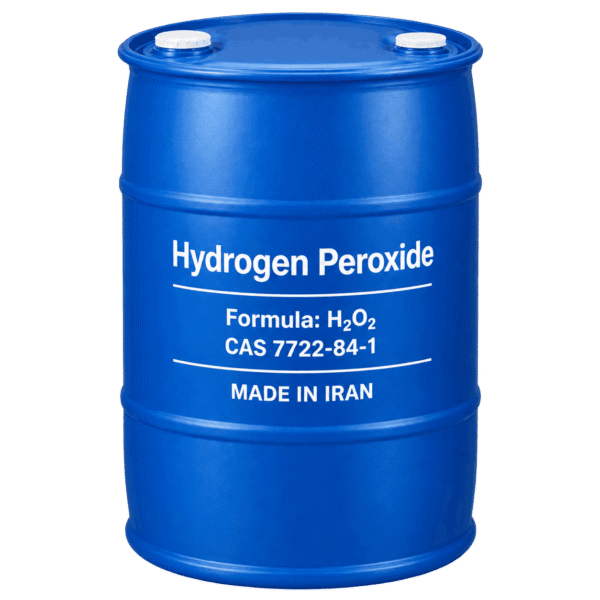
Hydrogen Peroxide
Applications
- Pulp & Paper Bleaching: Represents the largest global consumer of bulk hydrogen peroxide. It brightens wood pulp without producing chlorinated organic pollutants (such as dioxins).
- Water & Wastewater Treatment: Used in Advanced Oxidation Processes (AOP) to oxidize hydrogen sulfide, cyanides, phenols, and organic contaminants in municipal and industrial effluents.
- Textile Processing: Serves as a primary chlorine-free bleaching agent for cotton, wool, and synthetic fabrics prior to dyeing.
- Chemical Synthesis: Acts as an eco-friendly reagent in epoxidation, organic peroxide manufacturing, amine oxide production, and peracetic acid synthesis.
- Food & Aseptic Packaging: Applied in vaporized or liquid bath form to sterilize Tetra Pak cartons and plastic bottles before filling.
- Electronics Manufacturing: Deployed in wet etching and critical surface prep of silicon wafers during semiconductor fabrication.
Packaging & Logistics Options
Hydrogen peroxide is regulated as an oxidizer (DOT/UN Hazard Class 5.1, often with Class 8 Corrosive subsidiary risk for solutions ). All packaging must use high-density polyethylene (HDPE) or passivated metal, equipped with vented caps to allow gas discharge from slow off-gassing.
- Carboys / Jerricans (5 Gal / 20–30 L
- Closed-Head Drums (55 Gal / 200–220 L
- Intermediate Bulk Containers (IBC Totes – 275 to 330 Gal / 1,000 L
- ISO Tank Containers (4,000–6,000 Gal / 15–25 Metric Tons
- Tank Trucks & Railcars (Bulk Road Tankers
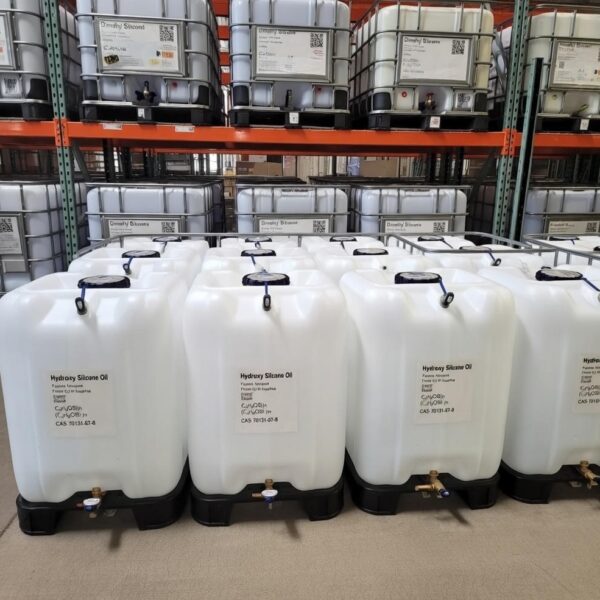
Hydroxy Silicone Oil
It is extensively applied in the production of silicone rubbers, sealants, adhesives, coatings, textile finishing agents, mold release agents, and softening additives. Chemically, it is a hydroxyl-terminated polydimethylsiloxane, enabling strong reactivity with crosslinkers and curing agents. Key technical properties include excellent elasticity, low surface tension, high temperature resistance, good dielectric performance, and superior compatibility with fillers and additives. These characteristics allow Hydroxy Silicone Oil to improve flexibility, adhesion, durability, and processing efficiency in finished products.
Hydroxy Silicone Oil is supplied in various commercial packaging options to meet different industrial demands, including 5 kg and 10 kg containers, 25 kg plastic pails, 200 kg steel or HDPE drums, and bulk tanker or ISO tank deliveries. It offers long shelf life when stored under recommended conditions and consistent quality from batch to batch. With its reactive functionality, wide viscosity range, and proven performance, Hydroxy Silicone Oil remains a key silicone material for manufacturers seeking reliable solutions in sealants, elastomers, coatings, and specialty chemical applications.
Hydroxyl Functional Acrylic Resins
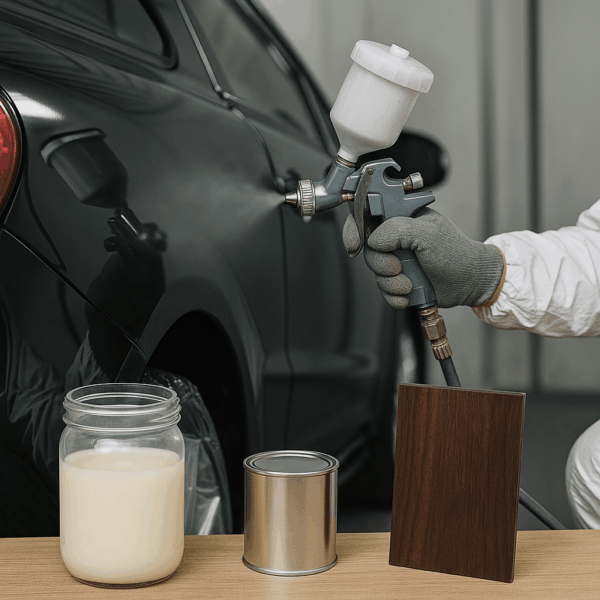
Hydroxyl Functional Acrylic Resins are commercially available in different grades including high solid acrylic polyols, solvent-based hydroxyl acrylic resins, waterborne hydroxyl acrylic dispersions, low viscosity acrylic polyols, and fast-drying acrylic resin systems. Each grade is designed for specific applications such as automotive coatings, vehicle refinishing paints, industrial machinery coatings, protective coatings, metal finishing systems, wood coatings, plastic coatings, marine paints, and high-performance decorative finishes. These resins provide excellent gloss retention, weather resistance, chemical resistance, hardness, adhesion, flexibility, and durability, making them preferred materials for manufacturers requiring long-lasting coating solutions. Their adjustable hydroxyl functionality allows formulators to design coatings with different curing speeds, hardness levels, and mechanical properties according to industrial requirements.
For global wholesale export markets, Hydroxyl Functional Acrylic Resins are supplied according to international industrial standards with customized specifications for different coating manufacturers. Important technical parameters include solid content, hydroxyl value, acid value, viscosity, molecular weight, color, solvent compatibility, and curing performance. The main advantages of Hydroxyl Acrylic Resins include outstanding UV stability, superior surface appearance, excellent adhesion, resistance to abrasion and chemicals, reliable crosslinking performance, and long service life. Due to their versatile properties, these resins are widely selected by paint and coating producers worldwide for manufacturing premium-quality polyurethane coating systems, automotive finishes, industrial protection coatings, and specialty surface

Hygienic Paint
This kind of paints inhibit the spread of harmful micro-organisms through an innovative combination of encapsulated in-film protectant and silver ions. Proven to combat the growth of a wide range of mould, fungus, bacteria and healthcare-associated infections (HCAI’s) – including E.coli, Aspergillus and Penicillium – they are virtually odourless, non-leaching, non-toxic and release no hazardous solvents. Totally safe to apply in heavily regulated and controlled environments, they will not taint any foodstuffs during application and can be rapidly applied by brush, roller or airless spray in extremely humid conditions without affecting adhesion.
Hygiene coatings provide a seam-free, easy-clean surface and can be safely applied over the existing wall surface for an effective refurbishment solution. Hygienic paints are recommended For Hospitals, kitchens, bathrooms, spas and high-humidity areas where a mildew resistant, anti-bacterial paint is required.

Ice Pop
8 types of ice pops:
- Traditional ice pop, These are the most common and the easiest to produce. Consisting of syrup, water and gelatin they are poured into stainless steel molds.
- Eskimo Ice Pop, This product is made in almost the same way as the traditional pops but whit crunchy chocolate shell that covers the top of the ice pop.
- Paleta, The paleta is a type of stuffed ice pop. Various flavors and combinations are possible with fruit and liquid fillings.
- Diet Ice Pop For people who have to watch their weight and/or sugar intake, the diet ice pop is a perfect alternative.
- All Natural Ice Pop, These Ice Pops are for those who enjoy all natural, organic ingredients. No preservatives, dyes, sugars or sweeteners added into the mix.
Inconel Powder
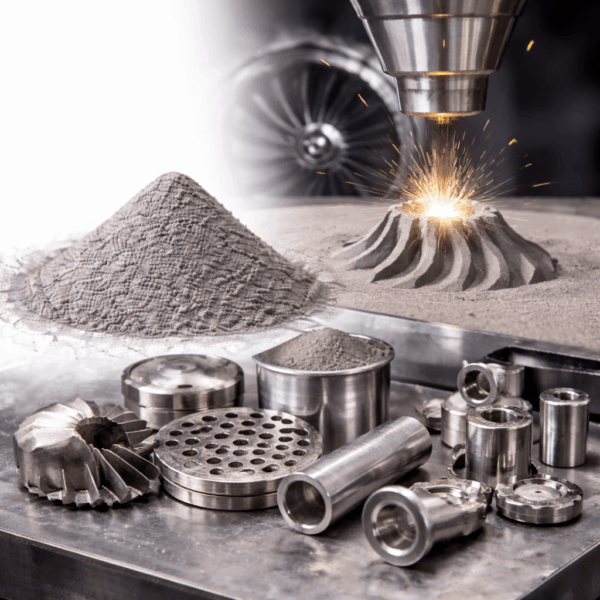
Inconel Powder is available in different particle sizes and mesh ranges depending on the manufacturing method and application requirements. Common particle sizes include 15–45 microns, 20–63 microns, 45–105 microns, and customized sizes according to customer specifications. Fine powders such as 15–45 µm are commonly used for laser powder bed fusion (LPBF), selective laser melting (SLM), and precision additive manufacturing, while coarser powders such as 45–105 µm are suitable for thermal spraying, plasma transferred arc (PTA) coating, and industrial repair applications. Commercial packaging options usually include 1 kg, 5 kg, 10 kg, 25 kg containers, and customized bulk packaging for industrial projects. The powder specifications typically include controlled chemical composition, spherical particle shape, low oxygen content, high apparent density, excellent flow characteristics, and compliance with international standards such as ASTM F3055, ASTM F3056, and aerospace material requirements. Inconel 601 Powder is commonly applied in combustion chambers, industrial furnaces, and heat-resistant structures, while Inconel 690 Powder is used in nuclear steam generator components and corrosion-resistant applications. Inconel X-750 Powder is selected for springs, fasteners, and high-temperature aerospace components requiring excellent creep resistance.
Inconel Powder offers outstanding advantages including superior mechanical strength, excellent resistance against oxidation and corrosion, long service life under extreme temperatures, and compatibility with modern manufacturing technologies. Due to its unique nickel-chromium alloy structure, Inconel Powder maintains its performance in aggressive environments containing heat, pressure, chemicals, and radiation. It is widely demanded by aerospace, automotive, energy, oil and gas, chemical processing, marine, medical, and industrial manufacturing sectors. Manufacturers and exporters supply Inconel Powder in different grades, particle sizes, and customized specifications to meet international buyers’ requirements. High-quality Inconel Alloy Powder provides reliable performance for producing complex components with reduced material waste, improved design flexibility, and enhanced product durability, making it one of the most valuable metal powders for advanced industrial production and global export markets.
Industrial Cleaners & Degreasers
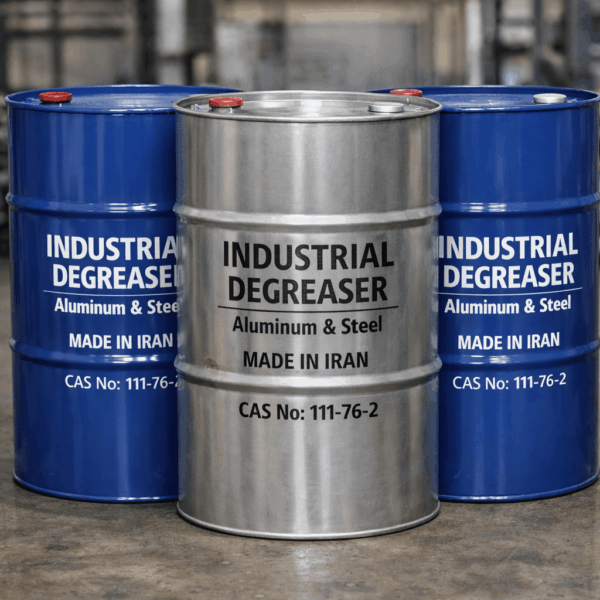
From heavy-duty degreasing to precision surface care, these cleaners are built for results you can trust. Our range of industrial cleaners features advanced formulations with high active content, fast action, and low residue, ensuring deep cleaning with minimal downtime. Key features include superior grease and oil removal, scale and rust control, anti-corrosion protection, and compatibility with sensitive surfaces. Available in multiple commercial grades such as light-duty, medium-duty, and heavy-duty, these cleaners are suitable for diverse operational needs. We offer various physical forms including liquids, gels, concentrates, powders, sprays, and foams to match different cleaning methods and equipment. Many products are low-VOC, biodegradable, non-flammable, and compliant with international safety and environmental standards. Industrial cleaners are formulated for manual cleaning, CIP systems, pressure washing, ultrasonic cleaning, and automated processes. Packaging options include bulk drums, IBCs, pails, and customized private-label solutions. Technical specifications such as pH range, dilution ratios, operating temperature, and material compatibility are clearly defined to ensure optimal performance. These cleaners support long equipment life, reduced maintenance costs, and consistent cleaning outcomes.
Industrial cleaners are widely used in manufacturing plants, food and beverage facilities, automotive workshops, metal processing, power generation, logistics centers, healthcare, and commercial buildings. Applications include machinery and parts cleaning, floor and surface maintenance, conveyor and tank cleaning, and pre-coating surface preparation. Specialized formulations are available for food-safe environments, high-alkaline degreasing, acidic descaling, and solvent-free cleaning. With scalable supply, technical support, and proven performance, our industrial cleaners provide a complete, professional cleaning solution tailored to modern industrial demands