

Your gateway to numerous Iranian top exporters

Create one request and get multiple quotes from verified suppliers. 100% free.

PVC Suspension Resin

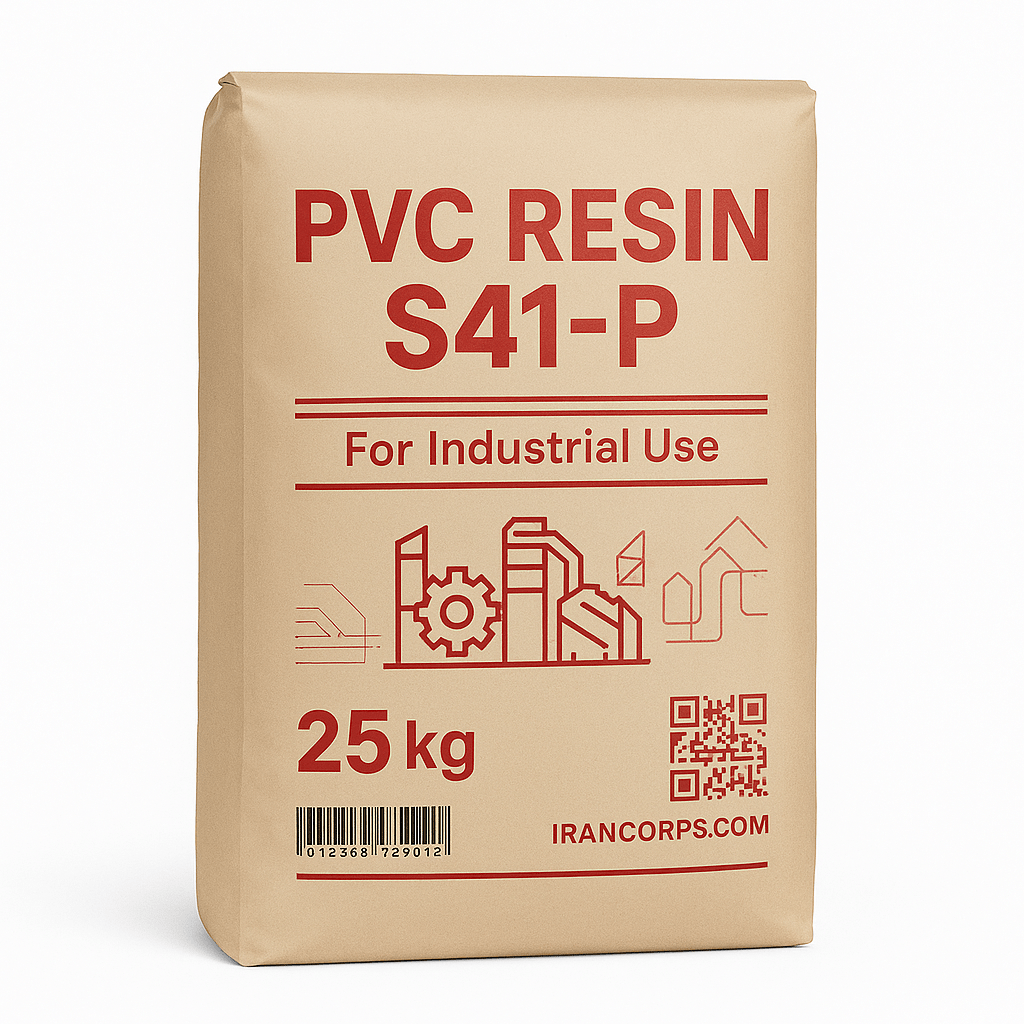
PVC Suspension Resin is a high-performance thermoplastic raw material produced through the suspension polymerization of Vinyl Chloride Monomer (VCM) in a controlled aqueous system. During production, VCM is polymerized in reactors in the presence of water, initiators, suspending agents and other controlled additives, followed by VCM recovery, separation, washing, dewatering and drying to obtain a consistent white PVC resin powder. Suspension PVC is one of the most widely used forms of PVC resin and is designed for manufacturers requiring reliable processing, controlled molecular weight, good thermal stability and consistent finished-product quality. Its versatility makes PVC Suspension Resin an important raw material for construction, infrastructure, electrical, automotive, packaging and industrial applications. Depending on the required processing method and final product performance, different resin grades can be selected according to K-value, molecular weight, particle morphology, bulk density, porosity and processing characteristics.

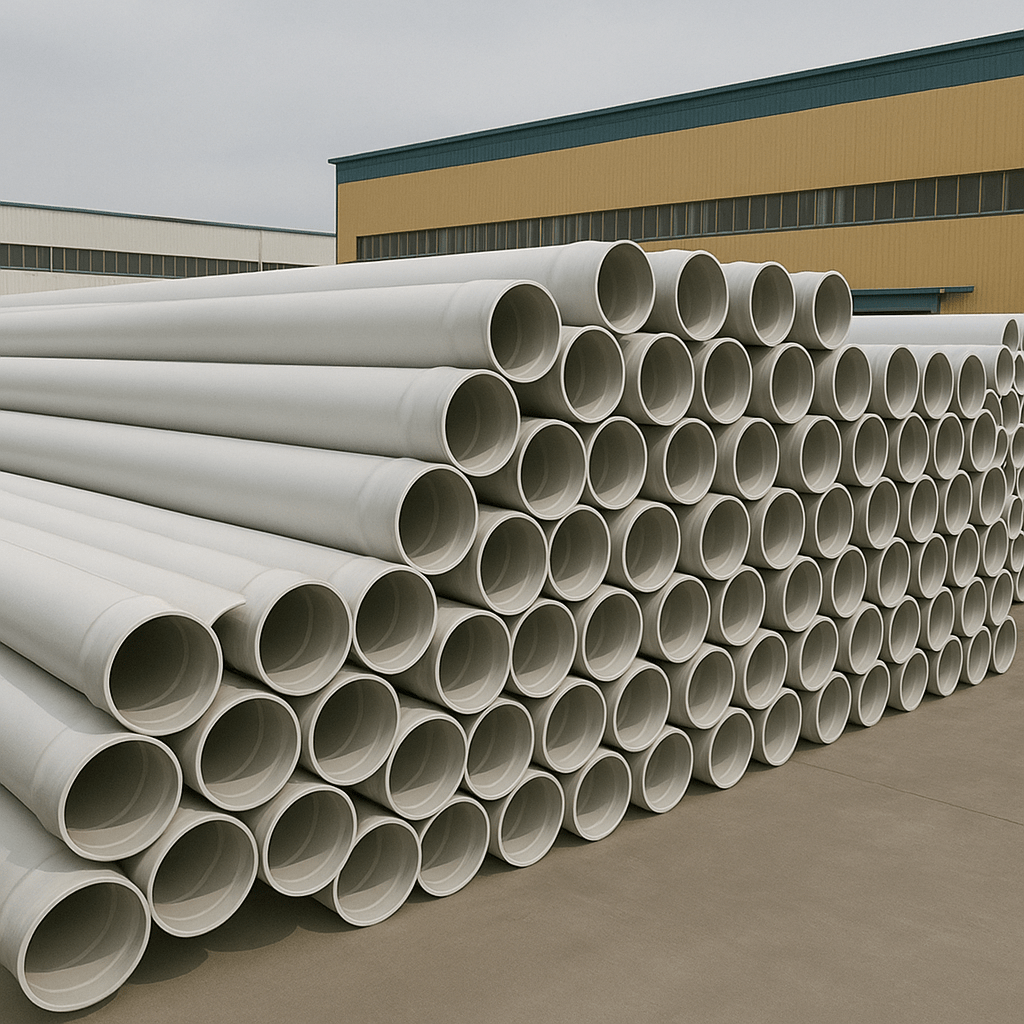
PVC Suspension Resin grades are commonly differentiated by their K-value and molecular-weight range, with grades such as SG3, SG5, SG7 and SG8 frequently used for different processing requirements and product designs. Lower-K-value grades are generally suitable for applications requiring easier processing and higher melt flow, including certain injection molding, rigid products and specialty applications, while medium-K-value grades such as SG5 are widely used for pipes, fittings, profiles, cables, films and general-purpose rigid PVC products. Higher-K-value grades such as SG7 and SG8 can be selected where higher molecular weight, strength and performance characteristics are required, including certain flexible products, cables, sheets and specialized extrusion applications. Suspension PVC is widely used in pressure and drainage pipes, pipe fittings, window and door profiles, siding, flooring, electrical cable insulation and sheathing, films, sheets, bottles, automotive components, medical tubing and other molded or extruded products.

For international buyers, the selection of PVC Suspension Resin should be based on the processing technology, required mechanical properties, fusion behavior and end-use requirements rather than grade name alone. Important quality parameters include K-value, inherent viscosity, bulk density, specific gravity, moisture content, residual VCM, particle-size distribution, whiteness and thermal stability. Typical commercial PVC suspension resins may have K-values across a broad range, while individual grades are manufactured to tighter specifications for particular applications. The advantages of high-quality PVC Suspension Resin include consistent particle morphology, good processing performance, reliable mechanical properties, excellent electrical insulation, chemical resistance, durability and suitability for both rigid and flexible PVC formulations. For export procurement, buyers can select the appropriate grade according to application, production equipment and required technical specification, with the final specification confirmed through the applicable technical data sheet and certificate of analysis.


PVC Suspension Resin

Typical specification table

Specification Typical / Indicative Value
Appearance White free-flowing powder
Polymer Type Suspension Polyvinyl Chloride (SPVC)
K-Value Approximately 49–74, grade dependent
Inherent Viscosity Approximately 0.50–1.10 dl/g
Specific Gravity Approximately 1.39 g/cm³
Bulk Density Typically above 0.48 g/cm³
Moisture Typically below 0.35%
Residual VCM Typically below 5 ppm
Whiteness, Hunter L Typically above 94
Particle Size Distribution Grade dependent
Thermal Stability Grade and formulation dependent
Main Grades SG3, SG5, SG7, SG8 and application-specific grades

The ranges above are representative rather than a universal specification; actual values should be confirmed against the selected manufacturer’s TDS/COA.


IF YOU ARE WILLING TO BUY PVC SUSPENSION RESIN FROM VERIFIED IRANIAN SUPPLIERS, PLEASE SCROLL DOWN AND SUBMIT YOUR REQUEST.

0 reviews
0
0
0
0
0

There are no reviews yet.

Be the first to review “PVC Suspension Resin”

FAQ PVC Suspension Resin

PVC Suspension Resin is a white thermoplastic powder produced by suspension polymerization of Vinyl Chloride Monomer and is widely used to manufacture rigid and flexible PVC products through extrusion, injection molding, calendaring and other processing methods.
Common commercial grades include SG3, SG5, SG7 and SG8. The appropriate grade depends on K-value, molecular weight, processing conditions and the required mechanical and physical properties of the final PVC product.
PVC Suspension Resin is used in pipes and fittings, window and door profiles, cables, flooring, sheets, films, bottles, automotive components, construction products, electrical insulation and numerous industrial PVC applications.
The main differences are related to molecular weight, K-value and processing characteristics. SG5 is widely used as a general-purpose grade, while higher grades such as SG7 and SG8 can be selected for applications requiring different strength, processing and formulation characteristics. The exact application should always be matched with the manufacturer's technical data sheet.
Buyers should normally evaluate K-value, inherent viscosity, bulk density, moisture, residual VCM, particle-size distribution, whiteness, thermal stability and application-specific processing characteristics before confirming a grade.
For sourcing PVC Suspension Resin from Iran, buyers can contact Irancorps with their required grade, application, quantity and destination market. Irancorps can help buyers identify a suitable Iranian supply option and coordinate the commercial sourcing process according to the buyer's requirements.

Request for Quotes

Create one request and get multiple quotes from verified suppliers.