

 Arabic
D
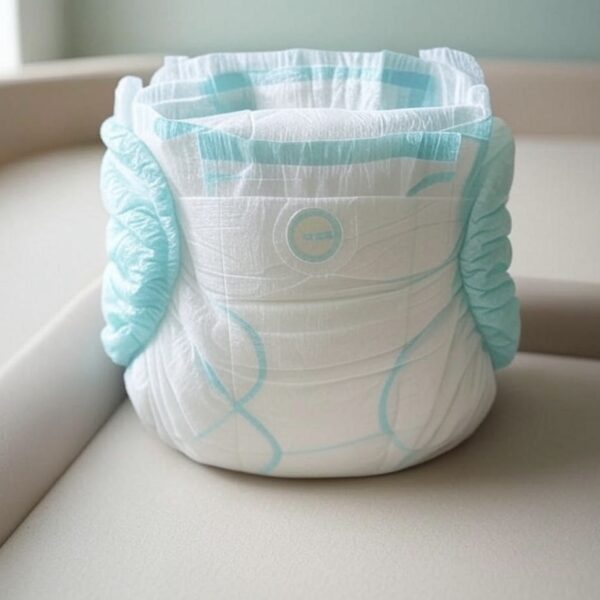
Adults Diapers
Construction of Adult Diapers:
- Outer Layer, typically made of a waterproof or water-resistant material.
- Absorbent Core , responsible for soaking up and retaining fluids, usually made from a combination of materials such as fluff pulp, superabsorbent polymers (SAP), and other absorbent materials.
- Acquisition Distribution Layer or ADL is key in spreading the urine or liquid within the adult diaper to maintain dryness – a good ADL ensures that the urine is distributed across the core to reduce clumping in specific areas.
- Inner Layer, designed to keep the wearer’s skin dry and comfortable. It is often made from a non-woven fabric that allows moisture to pass through to the absorbent core while preventing wetness from coming back to the skin.
- Elastic Leg Cuffs, To prevent leaks and provide a secure fit, adult diapers are equipped with elastic leg cuffs. These cuffs create a barrier around the legs, ensuring a snug and comfortable seal.
- Fastening System: To keep the diaper securely in place,
- Waistband: The waistband provides additional support and helps maintain a comfortable fit
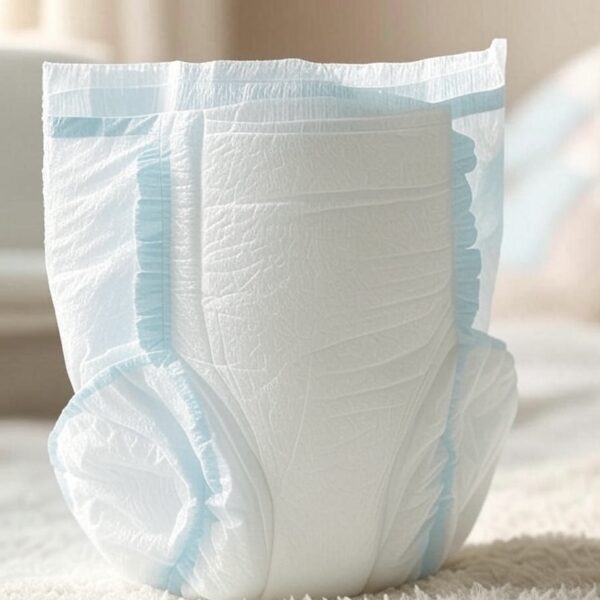
All-In-One Diapers For Babies
All-in-one diapers features makes them easy to put on and take off, and they are also very comfortable for babies to wear.
All-in-one diapers are usually made of a combination of materials such as cotton, polyester, and elastics. The absorbent core is usually made of a blend of cotton and polyester, while the waterproof outer layer is usually made of a polyurethane laminate (PUL). The fasteners are usually made of elastics .All-in-one diapers usually come with adjustable snaps so that they can be adjusted to fit babies of different sizes.

Biodegradable Diapers
Biodegradable diapers are made from natural materials such as bamboo, cornstarch, and wood pulp, and are designed to break down more quickly than traditional diapers. Biodegradable diapers are free of harsh chemicals and toxins, making them a safer choice for your baby’s delicate skin. They are also more breathable than traditional diapers, which helps to reduce the risk of diaper rash.
Biodegradable diapers are also more absorbent than traditional diapers, which helps to keep your baby dry and comfortable for longer.

Bone China Dinnerware
A complete set of dinnerware typically includes dinner plates, salad plates (or side plates), soup bowls, dessert plates, cups, saucers, and may also include additional serving pieces like platters, serving bowls, and sometimes bread and butter plates depending on the set’s size and style. Bone china is a subset of porcelain, made with some portion of calcified bone ash. The molded dish is then, generally, fired twice—the first time between 1200℃ and 1300℃, and the second time between 1050℃ and 1100℃. This produces an extremely vitrified product that’s more translucent than porcelain and very durable. Bone china is incredibly heat resistant and effective at keeping food warm. Because of its heavy vitrification, it’s considered to be very hygienic since its low porosity will prevent it from absorbing liquids or odors. Like porcelain, bone china is also an aesthetically refined type of dishware and Dinnerware sets have a remarkable ability to lend an air of completeness to whatever event, meal, party, or occasion you’re hosting.
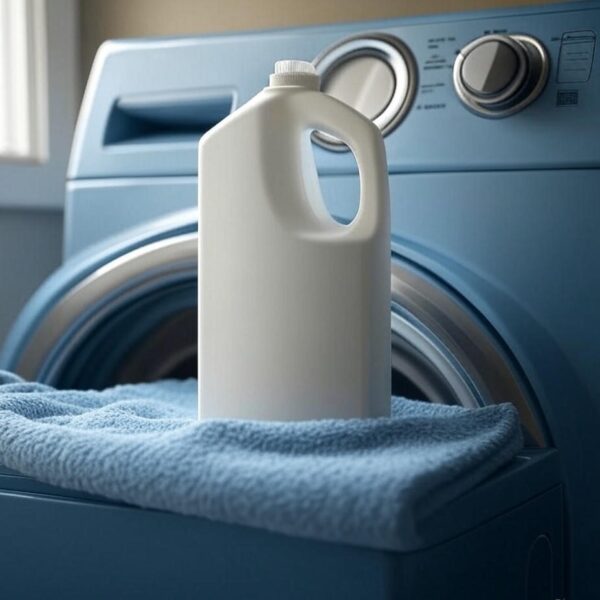
Cloths & Fabric Liquid Softener
Fabric softener is added to the washing machine during the rinse cycle of the laundry process. It coats the fibers of your fabrics with a layer of softening agents, leaving your clothes feeling smooth, fluffy, and smelling amazing.
High-efficiency fabric softeners are also available ,High-efficiency fabric softener is specifically formulated for use in high-efficiency washing machines. These machines use less water and energy than traditional washers, so high-efficiency fabric softeners are designed to be more concentrated, ensuring that you get the same softening and freshening benefits with less product.
Fabric conditioner and fabric softener are same products that help make your clothes feel noticeably softer, especially on laundry items like sheets and linens.
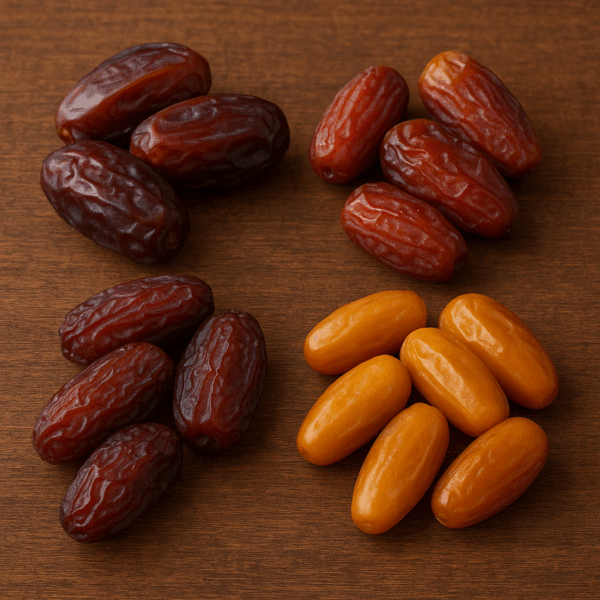
Date
Plus, each one boasts nearly 2 grams of fiber per serving, meaning they can help promote healthy digestion and bowel movements. These prune-looking fruits are also full of disease-fighting antioxidants, such as flavonoids and phenolic acids — both of which have been shown to reduce inflammation in the body.
Here’s a quick nutritional profile of one pitted date (~24 grams):
- 66.5 calories
- <1 gram protein
- 0 grams fat
- 18 grams carbohydrate
- 1.6 grams fiber
- 16 grams sugar
Diatomite Powder
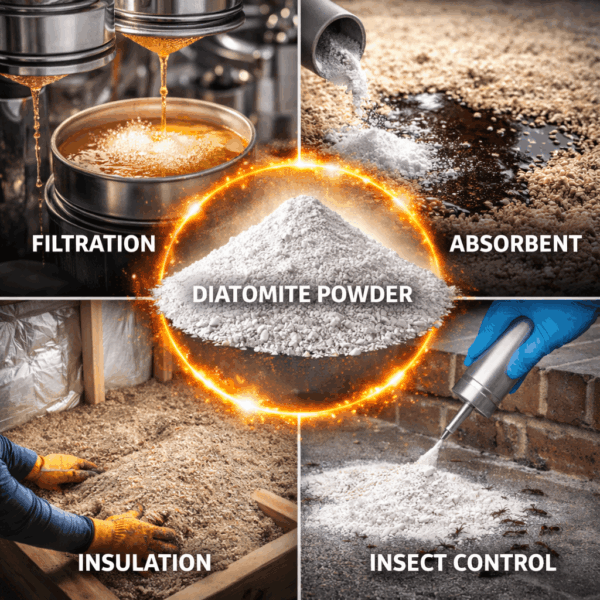
Diatomite Powder is supplied in different grades such as natural (raw), calcined, flux-calcined, and food-grade qualities, each designed for specific performance requirements. The main component is amorphous silica (SiO₂), typically accompanied by small amounts of alumina, iron oxide, and alkaline oxides. Diatomite is extensively used as a filtration aid in water treatment, beverages, edible oils, and chemicals, as well as a functional filler in paints, coatings, plastics, rubber, and paper. Additional applications include thermal insulation materials, construction products, absorbents for spills, insect control, and agricultural soil conditioning. From a technical standpoint, key properties include high surface area, controlled particle size distribution, high permeability, chemical inertness, low thermal conductivity, and good whiteness, all of which contribute to consistent and reliable performance.
Diesel Exhaust Fluid
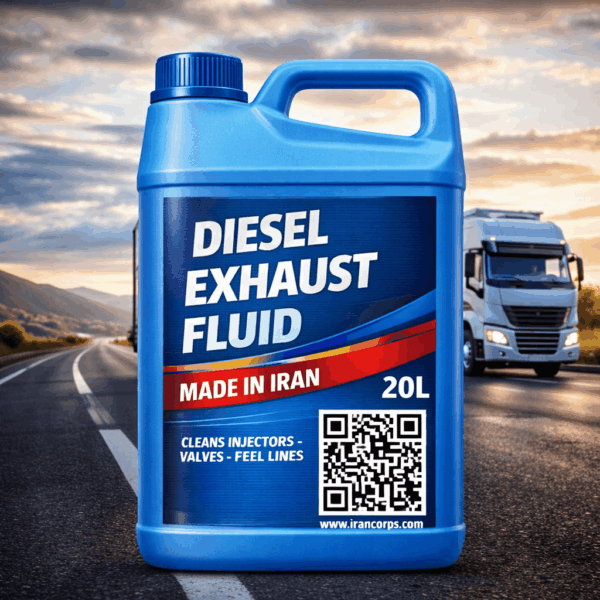
Commercially, diesel exhaust fluid is standardized and supplied mainly as a 32.5% high-purity urea solution in deionized water, often referred to as AUS 32. This precise composition ensures optimal SCR performance and consistent ammonia release during exhaust treatment. DEF is widely used in passenger diesel vehicles, heavy-duty trucks, buses, construction machinery, agricultural equipment, marine engines, and stationary diesel generators equipped with SCR systems. Key components include automotive-grade urea and ultra-pure deionized water, free from minerals, metals, and contaminants that could damage catalysts. Technical characteristics such as urea concentration accuracy, purity level, freezing point (approximately -11 °C), and thermal stability are critical to ensure reliable dosing and emission control performance.
Diethanolamine (DEA)
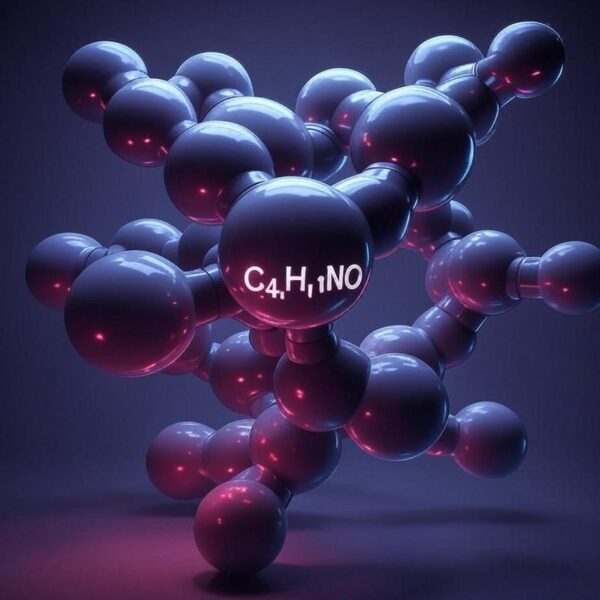
DEA is Completely Solubility in solvents such as Acetone and its Density at 20°C is about 1100 kg/m³ ,Diethanolamine, often abbreviated as DEA or DEOA, is an organic compound with the formula HN(CH2CH2OH)2. Diethanolamine is polyfunctional, being a secondary amine and a diol. Like other organic amines, Diethanolamine acts as a weak base. DEA is used as a surfactant and a corrosion inhibitor. It is used to remove hydrogen sulfide and carbon dioxide from natural gas. Diethanolamine is widely used in the preparation of Diethanolamides and Diethanolamine salts of long-chain fatty acids that are formulated into soaps and surfactants used in liquid laundry and dishwashing detergents, cosmetics, shampoos and hair conditioners , added to confer a creamy texture and foaming action.
Diethylene Glycol
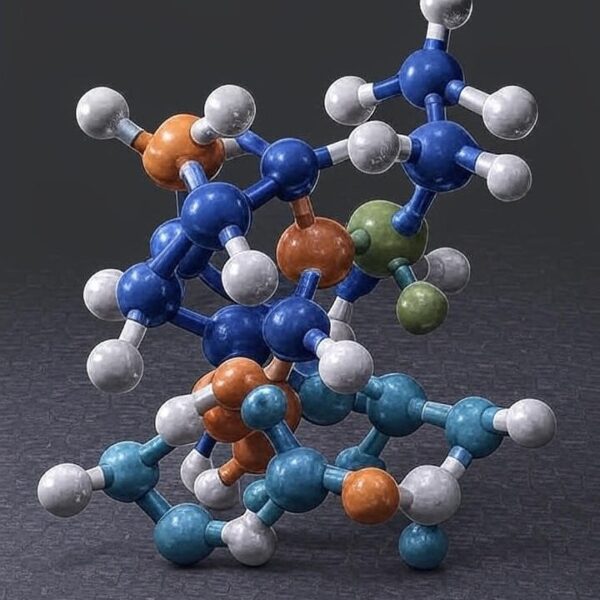
Diethylene glycol is generally a by-product of production process of Monoethylene Glycol (MEG) . The process consists of the oxidation of ethylene at a high temperature in the presence of a silver oxide catalyst. The ethylene oxide is then hydrated to yield diethylene glycol with Monoethylene Glycol and Triethylene Glycol as co-products. Diethylene glycol has a variety of uses in the industry. Diethylene Glycol (DEG) is a clear liquid that has hygroscopic properties which makes it a useful industrial chemical that can be used as a solvent for lacquer, paint and varnish, coupling printing inks, and water-based coating. The compound is also used as a chemical intermediate in the manufacture of unsaturated polyester resins, plasticisers, acrylate and methacrylate resins, and urethanes. It can be used as a cement grinding aid. It can also be used in petroleum solvent extraction and can be found in printing ink and drywall joint compounds. The tobacco industry makes use of its hygroscopic properties by utilising it as a humectant in tobacco products to control the moisture of the tobacco filler. This same property also makes it useful in the treatment of paper, cork, glue, and cellophane and it is utilised as a dehydrant in the natural gas industry where it removes water from gas pipelines.
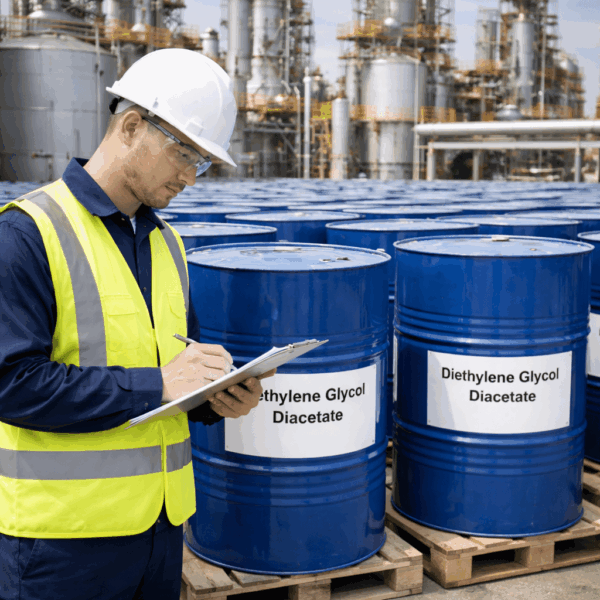
Diethylene Glycol Diacetate
It is commonly applied in paints and coatings to improve flow, leveling, and gloss, and in printing inks as a retarder solvent that enhances print quality and color development. In adhesives and sealants, it functions as a plasticizing solvent, while in cleaning formulations and chemical processing it serves as an effective reaction and carrier solvent. Chemically, it is an ester derived from diethylene glycol and acetic acid, characterized by moderate boiling point, low vapor pressure, and good hydrolytic stability. Key technical features include excellent resin compatibility, controlled drying time, low volatility, and consistent performance in water-based and solvent-based systems.
Diethylene Glycol Diacetate is available in steel drums, HDPE drums, IBC tanks, and bulk ISO tank shipments to meet various logistics needs. Standard packaging includes 180–200 kg drums and 1,000 kg IBC containers, with customized bulk supply for large-volume consumers. With proper storage under recommended conditions, the product offers long shelf life and stable quality. Its versatility, processing reliability, and balanced evaporation profile make diethylene glycol diacetate a valuable raw material for coatings, inks, adhesives, and specialty chemical industries worldwide.
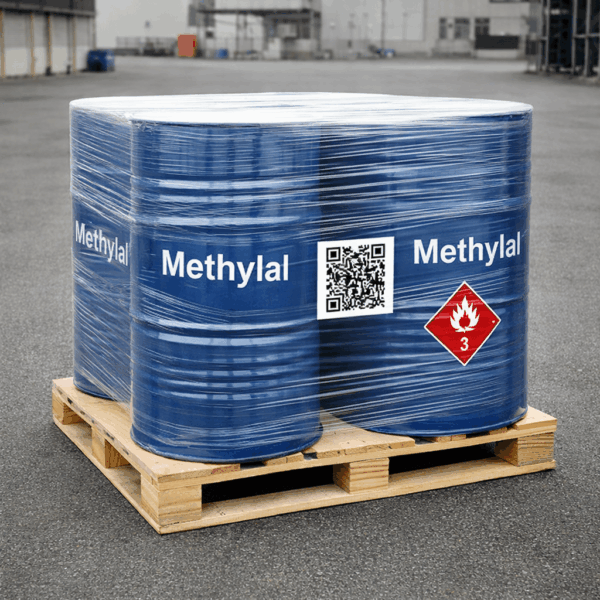
Dimethoxymethane (Methylal)
Dimethoxymethane is available in industrial grade, technical grade, and high-purity grade, typically with purity levels ranging from 99.0% to 99.9%. It is extensively used as a solvent for paints, varnishes, inks, adhesives, and cleaning formulations, as well as a carrier solvent in aerosol products. In the pharmaceutical and agrochemical sectors, methylal serves as a reaction solvent and intermediate, while in fuel and energy applications it is studied as an oxygenated fuel additive due to its clean-burning properties. Chemically, dimethoxymethane has the molecular formula C₃H₈O₂, low boiling point (~42°C), low density, and excellent miscibility with alcohols, ethers, and many organic solvents. Its low residue formation, good hydrolytic stability under controlled conditions, and strong dissolving capacity contribute to consistent and reliable process performance.
Dimethoxymethane is commercially supplied in steel drums, HDPE drums, IBC tanks, and bulk ISO tanks, ensuring safe transportation and storage. Standard packaging includes 160–200 kg drums and 1,000 kg IBCs, with customized bulk delivery available for large industrial consumers. With proper handling, controlled storage conditions, and compliance with international safety standards, methylal offers a long shelf life and stable quality. As a cost-effective, high-purity, and versatile solvent, dimethoxymethane continues to be a valuable raw material for coatings, chemicals, pharmaceuticals, and advanced industrial applications.