

 Arabic
Blog
Dimethyl Siloxane is one of the most versatile silicone-based materials used across modern industries. Thanks to its excellent thermal stability, low surface tension, water repellency, chemical inertness, and lubricating properties, it has become an essential raw material in sectors ranging from cosmetics and personal care to automotive, electronics, construction, textiles, and chemical manufacturing.
As industrial production continues to grow worldwide, the demand for bulk Dimethyl Siloxane has increased significantly. Manufacturers, distributors, and industrial buyers are looking for reliable suppliers capable of delivering consistent quality, competitive pricing, and stable international logistics.
Choosing the right bulk supplier, however, involves much more than comparing prices. Industrial buyers must evaluate product quality, viscosity grades, packaging options, documentation, transportation methods, production capacity, and compliance with international standards.
This technical guide explains everything industrial buyers should know before purchasing Dimethyl Siloxane in bulk, helping procurement managers, importers, distributors, and manufacturers make informed purchasing decisions.
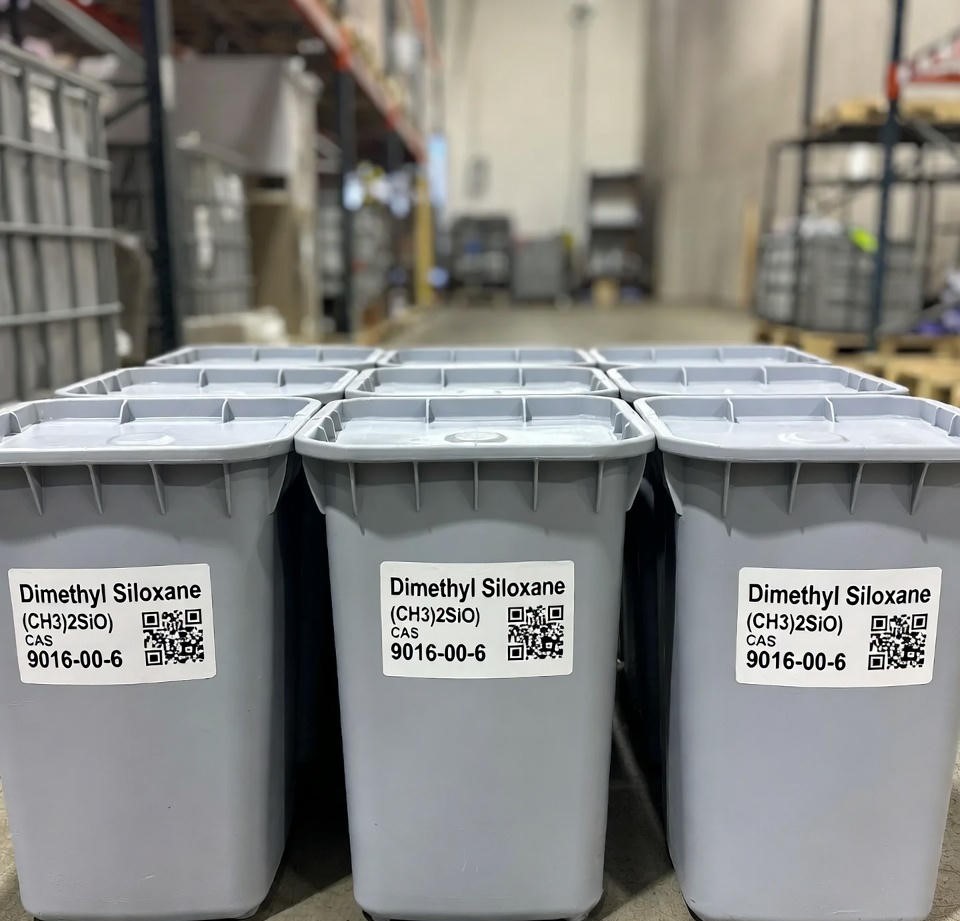
What Is Dimethyl Siloxane?
Dimethyl Siloxane is an organosilicon compound composed primarily of repeating silicon-oxygen (Si–O) bonds with methyl groups attached to the silicon atoms. In industrial applications, it is commonly available as a clear, colorless silicone fluid with outstanding physical and chemical stability.
Depending on the molecular weight and polymerization degree, Dimethyl Siloxane can be produced in various viscosity grades ranging from very low-viscosity fluids to highly viscous silicone oils.
These different grades allow manufacturers to tailor the material for numerous industrial processes requiring lubrication, release properties, dielectric performance, or water resistance.
General Technical Specifications
| Property | Typical Value |
| Product Name | Dimethyl Siloxane |
| Chemical Family | Organosilicon Compound |
| Appearance | Clear, Colorless Liquid |
| Odor | Odorless |
| Chemical Formula | (C₂H₆OSi)ₙ |
| CAS Number | 63148-62-9 |
| Density (25°C) | 0.95–0.98 g/cm³ |
| Refractive Index | 1.396–1.404 |
| Surface Tension | 20–22 mN/m |
| Solubility in Water | Insoluble |
| Solubility in Organic Solvents | Soluble in many non-polar solvents |
| Thermal Stability | Excellent |
| Electrical Insulation | Excellent |
| Shelf Life | 24 Months |
| Packaging | Drum, IBC, ISO Tank |
Specifications may vary depending on viscosity grade and manufacturer.
Why Industrial Buyers Purchase Dimethyl Siloxane in Bulk
Purchasing in bulk provides several operational and financial advantages, especially for manufacturers with continuous production lines.
Lower Unit Cost
Bulk purchasing reduces the cost per kilogram compared to small-volume orders. Manufacturers also benefit from lower packaging expenses and optimized transportation costs.
Stable Supply Chain
Factories operating on continuous production schedules cannot afford raw material shortages. Long-term contracts with reliable suppliers ensure uninterrupted production.
Better Production Planning
Large-volume purchases enable manufacturers to maintain safety stock while reducing procurement frequency.
Customized Packaging
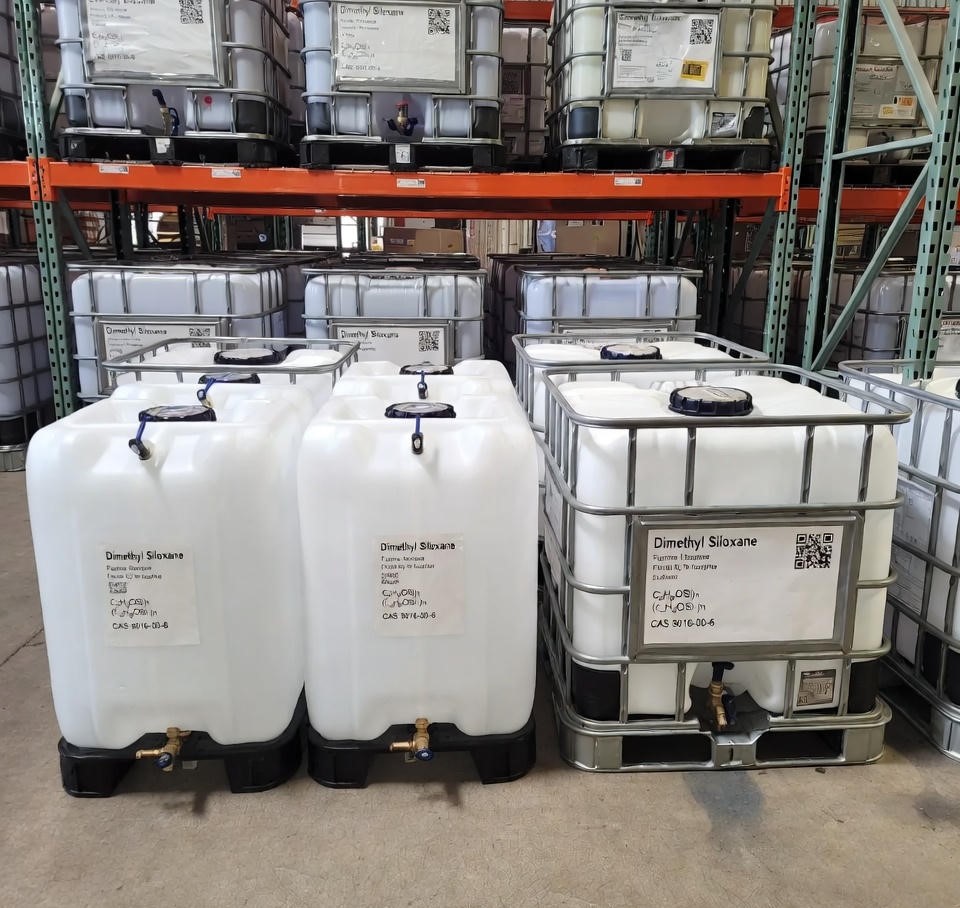
Bulk suppliers typically offer multiple packaging formats suitable for different production scales.
Common options include:
- 200 kg steel drums
- 210 kg drums
- 1000 kg IBC containers
- ISO tanks
- Flexitanks
- Bulk tanker delivery
Key Industrial Applications
One reason for the popularity of Dimethyl Siloxane is its versatility. The same chemical family can serve dozens of industrial sectors simply by selecting an appropriate viscosity grade.
Personal Care and Cosmetics
Perhaps the best-known application is in cosmetic formulations.
Dimethyl Siloxane improves:
- Smooth skin feel
- Product spreadability
- Moisture resistance
- Hair conditioning
- Shine enhancement
- Non-greasy texture
It is commonly found in:
- Hair conditioners
- Shampoos
- Skin creams
- Facial serums
- Makeup primers
- Sunscreens
- Antiperspirants
Textile Industry
Textile manufacturers use Dimethyl Siloxane as a softening agent and lubricant.
Benefits include:
- Softer fabrics
- Improved wrinkle resistance
- Enhanced water repellency
- Better sewing performance
- Reduced fiber damage
Paints and Coatings
In coating formulations, Dimethyl Siloxane functions as a surface modifier.
Advantages include:
- Better leveling
- Reduced surface defects
- Improved gloss
- Enhanced water resistance
- Better weather durability
- Lower foam formation
Plastic Processing
Plastic manufacturers incorporate Dimethyl Siloxane to improve production efficiency.
Typical benefits include:
- Easier mold release
- Reduced friction
- Lower wear on processing equipment
- Better surface finish
- Reduced cycle time
Rubber Manufacturing
Silicone fluids are widely used during rubber processing.
Applications include:
- Mold release agents
- Lubricants
- Surface treatment
- Anti-stick coatings
Electronics Industry
Because of its excellent dielectric properties, Dimethyl Siloxane plays an important role in electronics manufacturing.
Applications include:
- Electrical insulation
- Protective coatings
- Heat transfer fluids
- Moisture protection
Automotive Industry
Automotive manufacturers use Dimethyl Siloxane in various products.
Examples include:
- Dashboard polish
- Tire shine formulations
- Lubricants
- Brake component processing
- Plastic trim protection
- Rubber conditioning
Construction Industry
Construction chemicals often contain silicone fluids to improve performance.
Common applications:
- Water repellents
- Concrete additives
- Protective coatings
- Sealants
- Waterproofing products
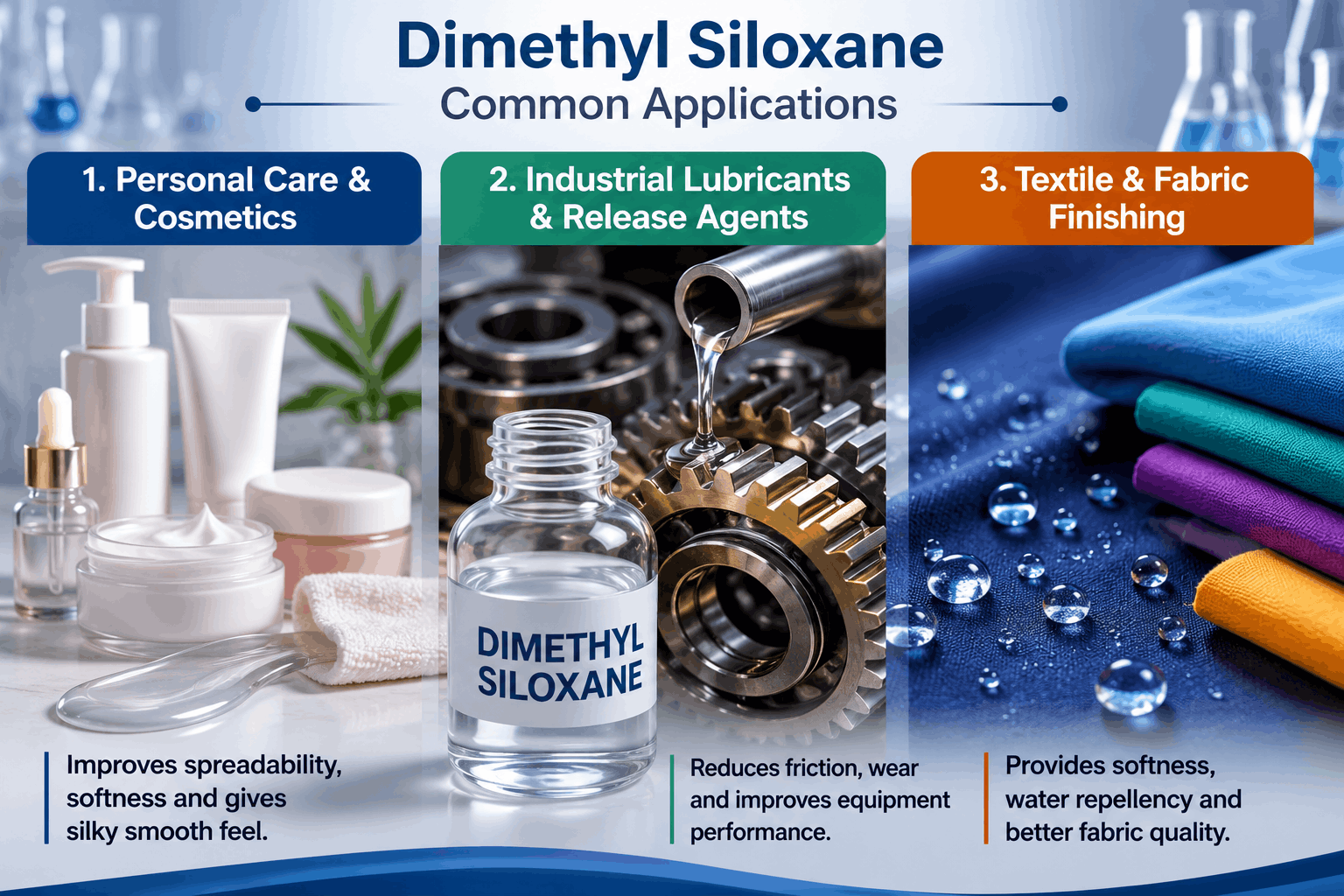
Advantages of Dimethyl Siloxane
Industrial buyers continue choosing Dimethyl Siloxane because few materials offer such a balanced combination of performance characteristics.
Excellent Thermal Stability
Unlike many organic oils, Dimethyl Siloxane remains stable across a broad temperature range, making it suitable for demanding industrial environments.
Low Surface Tension
Its exceptionally low surface tension allows excellent spreading over different substrates, improving coating performance and wetting efficiency.
Outstanding Lubrication
Dimethyl Siloxane forms a thin lubricating film that significantly reduces friction between moving surfaces.
Benefits include:
- Lower equipment wear
- Reduced maintenance
- Longer machinery life
- Improved production efficiency
Water Repellency
Silicone fluids naturally repel water.
This characteristic makes them ideal for:
- Waterproof coatings
- Textile finishing
- Building protection
- Automotive care products
Chemical Inertness
Dimethyl Siloxane reacts very little with most industrial chemicals.
This provides:
- Longer service life
- Better storage stability
- Compatibility with numerous formulations
Excellent Electrical Properties
Silicone fluids maintain stable dielectric performance over wide temperature ranges, making them suitable for insulating electrical components.
Common Viscosity Grades
Selecting the correct viscosity is one of the most important purchasing decisions.
| Viscosity Grade | Typical Applications |
| 5 cSt | Cosmetics, release agents |
| 10 cSt | Personal care, textile |
| 20 cSt | Industrial lubricants |
| 50 cSt | Mold release |
| 100 cSt | General industrial use |
| 350 cSt | Silicone emulsions |
| 500 cSt | Water repellents |
| 1000 cSt | Heavy-duty lubrication |
| 5000 cSt | Specialty formulations |
| Higher Grades | Industrial processing |
Higher viscosity generally provides:
- Better lubrication
- Lower volatility
- Longer service life
Lower viscosity offers:
- Faster spreading
- Easier pumping
- Better penetration
- Lower processing temperatures
Why Supplier Selection Matters
For industrial buyers, the supplier is as important as the product itself.
A professional bulk supplier should provide:
- Consistent product quality
- Stable production capacity
- Technical documentation (TDS & COA)
- Multiple viscosity grades
- Flexible packaging options
- Competitive export pricing
- Reliable logistics support
- Responsive technical assistance
Poor supplier selection can lead to inconsistent product performance, production delays, quality complaints, and increased operational costs.
How to Choose the Right Dimethyl Siloxane Grade
Selecting the appropriate Dimethyl Siloxane grade is one of the most important decisions for industrial buyers. Choosing the wrong viscosity or purity level can lead to processing problems, reduced product performance, increased manufacturing costs, and customer complaints.
Instead of focusing solely on price, buyers should evaluate the technical requirements of their application.
Key Factors to Consider
- Viscosity
Viscosity is the primary specification that determines how the silicone fluid behaves during production.
Lower viscosity grades generally provide:
- Better flowability
- Faster spreading
- Easier pumping
- Higher volatility
- Better penetration
Higher viscosity grades offer:
- Superior lubrication
- Longer-lasting surface protection
- Lower evaporation
- Better film formation
- Increased durability
Selecting the correct viscosity helps optimize production efficiency while maintaining product quality.
- Purity
Industrial formulations often require consistent purity to avoid contamination.
High-purity Dimethyl Siloxane provides:
- Better product consistency
- Improved processing stability
- Reduced equipment fouling
- Longer production cycles
- Lower rejection rates
Always ask suppliers about impurity limits and quality control procedures.
- End Application
Every industry has different performance requirements.
| Industry | Recommended Characteristics |
| Cosmetics | Low viscosity, cosmetic-grade purity |
| Textile | Medium viscosity, excellent softness |
| Paints & Coatings | Good leveling and low surface tension |
| Rubber | High lubricity and release performance |
| Electronics | High dielectric strength |
| Construction | Water repellency and weather resistance |
| Plastic Processing | Mold release efficiency |
Technical Documents Every Buyer Should Request
Professional suppliers should provide complete technical documentation before shipment.
The most common documents include:
Technical Data Sheet (TDS)
The Technical Data Sheet summarizes the product’s physical and chemical characteristics.
Typical information includes:
- Appearance
- Density
- Viscosity
- Refractive Index
- Flash Point
- Surface Tension
- Solubility
- Shelf Life
- Storage Recommendations
A TDS helps buyers determine whether the product matches their manufacturing requirements.
Certificate of Analysis (COA)
Unlike the TDS, which provides typical values, the COA reports the actual test results for the production batch being shipped.
Typical COA parameters include:
- Batch Number
- Manufacturing Date
- Appearance
- Viscosity
- Density
- Moisture Content
- Purity
- Test Results
- Quality Approval
Industrial buyers should compare COA values with their purchasing specifications before accepting delivery.
Safety Data Sheet (SDS)
The SDS contains information about:
- Safe handling
- Fire-fighting measures
- Personal protective equipment
- Storage conditions
- Spill response
- Transportation classification
- Disposal recommendations
Although Dimethyl Siloxane is generally considered stable, every manufacturing facility should maintain updated SDS documentation.
Packaging Options for Bulk Buyers
Reliable suppliers usually offer several packaging solutions depending on order volume and transportation requirements.
| Packaging Type | Typical Capacity | Suitable For |
| Plastic Bottle | 1–25 kg | Laboratory and small-scale use |
| Pail | 20–25 kg | Small manufacturers |
| Steel Drum | 200–210 kg | Standard industrial shipments |
| IBC Tote | 1000 kg | Medium-volume production |
| Flexitank | 20–24 MT | International export |
| ISO Tank | 20–25 MT | Large industrial consumers |
The right packaging option depends on:
- Transportation method
- Storage facilities
- Consumption rate
- Import regulations
- Available unloading equipment
Storage Recommendations
Proper storage extends product shelf life and maintains consistent quality.
Industrial buyers should store Dimethyl Siloxane under the following conditions:
- Keep containers tightly closed.
- Store in a cool, dry, and well-ventilated warehouse.
- Protect from direct sunlight.
- Avoid excessive heat.
- Prevent contamination with water or chemicals.
- Use clean transfer equipment.
- Rotate inventory using the First-In, First-Out (FIFO) principle.
Under recommended storage conditions, Dimethyl Siloxane typically has a shelf life of approximately 24 months.
Handling Guidelines
Although Dimethyl Siloxane is relatively safe to handle, good industrial practices should always be followed.
Recommended precautions include:
- Wear appropriate protective gloves.
- Use safety glasses when transferring liquids.
- Maintain adequate ventilation.
- Avoid unnecessary skin contact.
- Clean spills promptly using suitable absorbent materials.
- Keep containers properly labeled.
Proper handling reduces contamination risks and improves workplace safety.
Quality Control During Production
Reliable manufacturers implement strict quality control throughout the production process.
Typical testing includes:
| Test | Purpose |
| Appearance | Detect contamination |
| Density | Confirm product consistency |
| Viscosity | Verify correct grade |
| Moisture Content | Ensure product stability |
| Refractive Index | Confirm chemical identity |
| Flash Point | Safety verification |
| Surface Tension | Performance evaluation |
Consistent quality control ensures every shipment meets customer specifications.
Transportation Considerations
Bulk shipments often involve international transportation.
Common shipping methods include:
Sea Freight
Most economical for international bulk shipments.
Advantages:
- Low transportation cost
- Suitable for large quantities
- Worldwide availability
Road Transport
Ideal for regional distribution.
Suitable for:
- Drums
- IBC containers
- Tank trucks
Rail Transport
Preferred in some regions for high-volume industrial deliveries.
Benefits include:
- Lower transportation costs
- High capacity
- Reduced environmental impact
Export Documentation
Professional exporters should provide complete documentation to ensure smooth customs clearance.
Typical export documents include:
- Commercial Invoice
- Packing List
- Certificate of Origin
- Bill of Lading
- Certificate of Analysis
- Technical Data Sheet
- Safety Data Sheet
- Insurance Certificate (if applicable)
- Inspection Certificate (upon request)
Having complete documentation minimizes customs delays and simplifies import procedures.
How to Evaluate a Bulk Dimethyl Siloxane Supplier
Before placing a long-term order, buyers should assess suppliers using a structured evaluation process.
Production Capacity
Can the supplier consistently meet your monthly demand?
Product Consistency
Ask for historical quality records or batch consistency information.
Technical Support
A reliable supplier should assist with:
- Product selection
- Application guidance
- Technical troubleshooting
- Documentation
Export Experience
Experienced exporters understand:
- International shipping
- Customs documentation
- Packaging standards
- Incoterms
- Destination country requirements
Packaging Flexibility
Industrial buyers often require customized packaging to match their production processes.
Suppliers should be able to offer multiple packaging options without compromising quality.
Response Time
Fast communication is critical for procurement teams.
Evaluate how quickly the supplier responds to:
- RFQs
- Technical questions
- Sample requests
- Shipping updates
Quality Certifications
Depending on your industry, certifications such as ISO quality management systems can indicate a supplier’s commitment to consistent production and documented quality processes.
Procurement Checklist Before Placing an Order
Before confirming a purchase, verify that you have:
- ✔ Selected the correct viscosity grade
- ✔ Reviewed the Technical Data Sheet (TDS)
- ✔ Checked the Certificate of Analysis (COA)
- ✔ Requested the Safety Data Sheet (SDS)
- ✔ Confirmed packaging requirements
- ✔ Agreed on Incoterms
- ✔ Verified delivery lead time
- ✔ Confirmed payment terms
- ✔ Reviewed shipping documents
- ✔ Clarified after-sales technical support
Following this checklist can reduce procurement risks and help ensure a smooth supply process.
Global Market Trends for Bulk Dimethyl Siloxane
The global demand for Dimethyl Siloxane has grown steadily over the past decade, driven by rapid industrialization, technological advancements, and the increasing use of silicone-based materials in high-performance applications. Industries such as personal care, automotive, electronics, construction, textiles, and renewable energy continue to expand their consumption of silicone fluids.
In particular, manufacturers are seeking materials that provide long-term durability, thermal stability, low maintenance, and improved processing efficiency. Dimethyl Siloxane meets these requirements, making it one of the most widely used silicone fluids in industrial production.
Emerging economies in Asia, the Middle East, and Latin America are also contributing to higher demand as local manufacturing capacities increase and infrastructure projects expand.
For international buyers, maintaining a stable supply chain has become just as important as obtaining competitive prices. As a result, companies increasingly prefer working with experienced bulk suppliers capable of providing consistent product quality, reliable logistics, and long-term commercial partnerships.
Factors Affecting Bulk Dimethyl Siloxane Prices
Industrial buyers often focus on price per metric ton, but the final purchase cost depends on several variables.
- Viscosity Grade
Higher viscosity grades generally require more complex production processes and may command higher prices than lower viscosity products.
- Raw Material Costs
The prices of silicon-based raw materials directly influence Dimethyl Siloxane production costs. Market fluctuations in these feedstocks can affect export prices worldwide.
- Order Volume
Larger purchase volumes typically result in:
- Lower unit prices
- Better freight efficiency
- Reduced packaging costs
- Improved contract terms
Long-term purchasing agreements may also provide additional pricing advantages.
- Packaging Type
Packaging can significantly influence the overall cost.
For example:
| Packaging | Relative Cost |
| Small Containers | Highest |
| Steel Drums | Medium |
| IBC Containers | Lower |
| ISO Tanks | Lowest (for large shipments) |
Choosing the most suitable packaging helps reduce logistics expenses.
- Shipping Terms (Incoterms)
The agreed Incoterm determines which costs are included in the quoted price.
Common trade terms include:
- EXW (Ex Works)
- FOB (Free on Board)
- CFR (Cost and Freight)
- CIF (Cost, Insurance and Freight)
- DAP (Delivered at Place)
Understanding these terms helps buyers accurately compare supplier quotations.
- Destination Country
Freight charges, customs duties, insurance, port fees, and import regulations vary from one country to another, affecting the total landed cost.
Why Build a Long-Term Relationship with a Bulk Supplier?
For industrial manufacturers, changing suppliers frequently can introduce unnecessary risks, including inconsistent quality, production delays, and higher administrative costs.
Establishing a long-term partnership with a reliable supplier offers several advantages:
- Consistent product quality
- Stable supply
- Faster order processing
- Technical support
- Priority production scheduling
- Better commercial terms
- Reduced procurement risks
- Improved forecasting and inventory planning
A trusted supplier becomes a strategic partner rather than just a vendor.
What Makes a Reliable Bulk Dimethyl Siloxane Supplier?
When evaluating suppliers, consider the following characteristics:
Consistent Manufacturing Standards
Reliable manufacturers maintain standardized production processes to ensure every batch meets the required specifications.
Comprehensive Technical Documentation
Professional suppliers should provide:
- Technical Data Sheet (TDS)
- Certificate of Analysis (COA)
- Safety Data Sheet (SDS)
- Product specifications
- Packaging information
Flexible Export Capabilities
International buyers often require customized shipping solutions, including:
- Drums
- IBC totes
- ISO tanks
- Flexitanks
- Customized labeling
- Export packaging
Responsive Customer Service
A dependable supplier should respond promptly to inquiries regarding:
- Quotations
- Samples
- Technical questions
- Order status
- Shipping updates
- Documentation requests
Frequently Asked Questions (FAQ)
- What is Dimethyl Siloxane used for?
Dimethyl Siloxane is widely used in cosmetics, lubricants, coatings, textiles, electronics, construction materials, rubber processing, plastic manufacturing, and industrial release agents.
- Is Dimethyl Siloxane safe for industrial use?
When handled according to the Safety Data Sheet (SDS) and standard industrial practices, Dimethyl Siloxane is generally considered safe for its intended applications.
- What viscosity grade should I choose?
The appropriate viscosity depends on your specific application. Lower viscosities are typically used where easy flow and spreading are required, while higher viscosities are selected for enhanced lubrication, durability, or film formation.
- What packaging options are available?
Most suppliers offer:
- 200–210 kg steel drums
- 1000 kg IBC containers
- ISO tanks
- Flexitanks
- Bulk tanker shipments
- What documents should accompany an international shipment?
Typical export documentation includes:
- Commercial Invoice
- Packing List
- Certificate of Origin
- Bill of Lading
- TDS
- COA
- SDS
- How long can Dimethyl Siloxane be stored?
Under recommended storage conditions, the product generally has a shelf life of approximately 24 months.
- Can Dimethyl Siloxane be customized?
Yes. Suppliers often offer multiple viscosity grades and packaging configurations to meet different industrial requirements.
- Why is batch consistency important?
Consistent quality ensures stable manufacturing processes, reduces production defects, and minimizes the need for formulation adjustments.
- What industries purchase Dimethyl Siloxane in bulk?
Bulk buyers include manufacturers in:
- Personal Care
- Automotive
- Textile
- Electronics
- Construction
- Chemical Processing
- Paints and Coatings
- Plastic Manufacturing
- Rubber Industry
- How can I verify product quality before purchasing?
Request:
- Technical Data Sheet (TDS)
- Certificate of Analysis (COA)
- Product samples
- Quality certifications (if applicable)
Reviewing these documents before placing an order helps confirm that the material meets your technical requirements.
Final Procurement Tips
Before selecting a supplier, industrial buyers should look beyond price alone. Consider the supplier’s production capacity, quality assurance procedures, export experience, packaging flexibility, documentation, and technical support.
A lower purchase price may not result in a lower overall cost if inconsistent quality or delayed deliveries disrupt your production schedule. Evaluating the supplier as a long-term partner can help reduce operational risks and improve supply chain reliability.
Conclusion
Dimethyl Siloxane has become an essential industrial material due to its exceptional thermal stability, low surface tension, lubrication properties, chemical inertness, and versatility across a wide range of applications. From cosmetics and textiles to automotive components, electronics, construction products, and industrial processing, it continues to support manufacturers in improving product performance and production efficiency.
For companies sourcing this material in bulk, selecting the right supplier is a strategic decision. Factors such as viscosity grade, product consistency, technical documentation, packaging options, logistics capabilities, and after-sales support all contribute to a successful procurement process.
Working with an experienced bulk supplier can provide more than just competitive pricing. It can help ensure a reliable supply chain, consistent product quality, and efficient international delivery—critical advantages in today’s competitive global market.
Whether you are an importer, distributor, or manufacturer, carefully evaluating your technical requirements and partnering with a dependable supplier will help you maximize the value of your bulk Dimethyl Siloxane purchases while supporting long-term business growth.
Source : IRANCORPS