
 Arabic
Blog
🌍 Introduction: Why Iranian Raisins Are Globally Important
Iran is one of the oldest and most important producers of raisins in the world. Due to its unique geography, four-season climate, and centuries-old agricultural experience, Iran produces a wide variety of high-quality raisins that are exported to Europe, Asia, and the Middle East.
Iranian raisins are known for:
- Natural sweetness without additives
- Sun-dried traditional processing methods
- Wide variety of colors and sizes
- Strong demand in international food markets
- Competitive export pricing
The diversity of Iranian raisins makes them suitable for bakery, confectionery, retail, and industrial food production.
🍇 Main Types of Iranian Raisins
Iran produces several types of raisins, each with unique characteristics and applications. Below are the most important types used in domestic and export markets.
🟢 1. Green Raisins (Premium Iranian Sultana)
📌 Overview
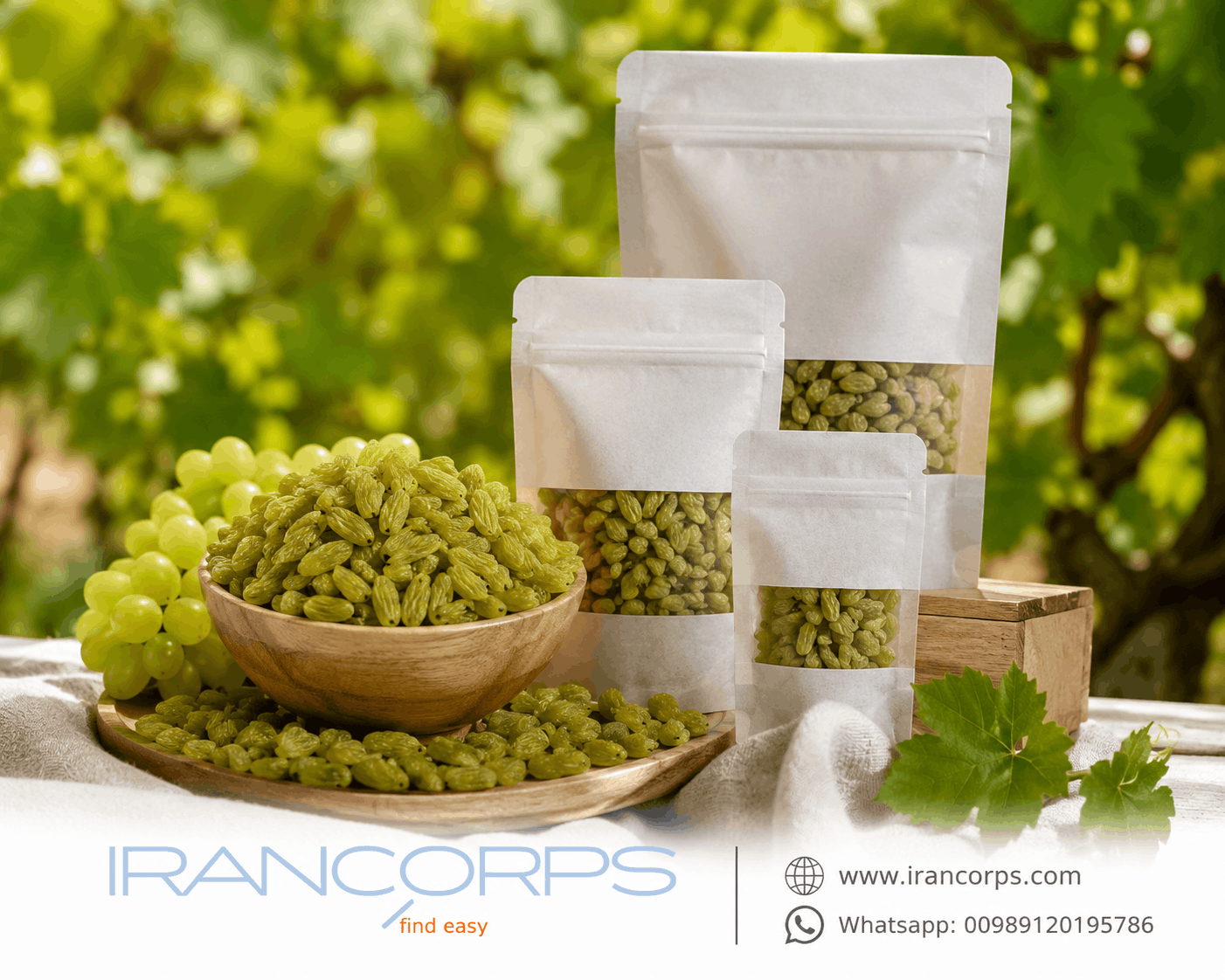
Green raisins are one of the most valuable and export-friendly types of Iranian raisins. They are mainly produced in regions like Khorasan and Kashmar, where special drying methods preserve their green color.
Unlike sun-dried raisins, green raisins are usually dried in shaded or controlled environments to maintain color and softness.
🧪 Characteristics:
- Color: light green to golden green
- Texture: soft and juicy
- Size: medium and uniform
- Taste: naturally sweet with mild acidity
- Processing: shade-dried or controlled drying
🌿 Nutritional Value:
Green raisins contain:
- Natural sugars (glucose and fructose)
- Iron and potassium
- Antioxidants
- Dietary fiber
🍽 Best Uses:
Green raisins are considered premium-quality raisins and are widely used in:
🥐 Bakery Industry:
- Cakes and pastries
- Cookies and muffins
- Premium desserts
🍫 Confectionery:
- Chocolate fillings
- Energy bars
- Nut mixes
🥗 Healthy Foods:
- Breakfast cereals
- Granola mixes
- Healthy snack packs
🌍 Export Market Demand:
Green raisins have very strong demand in:
- Germany
- UAE
- Russia
- Canada
- Gulf countries
They are considered a luxury dried fruit product due to their appearance and quality.
🟡 2. Golden Raisins (Sulfur-Treated Export Grade)
📌 Overview
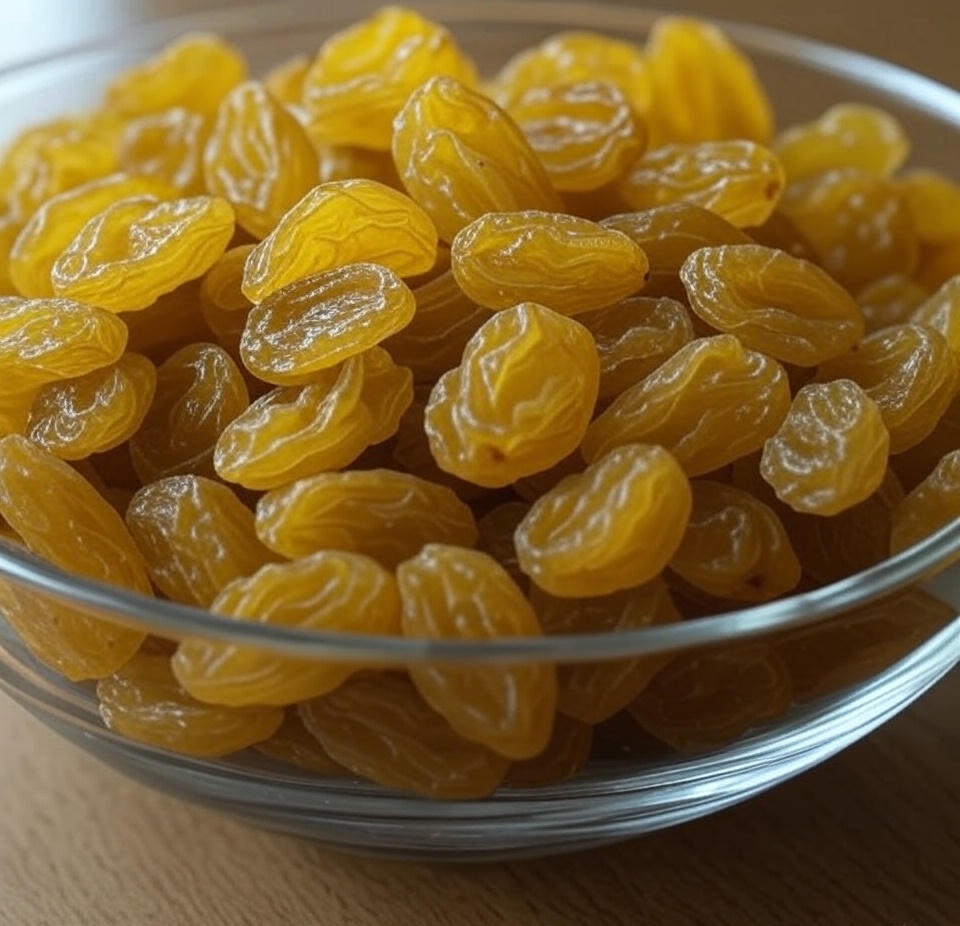
Golden raisins are one of the most commercially important Iranian raisin types. They are produced using controlled drying methods and sometimes sulfur dioxide treatment to maintain their bright golden color.
🧪 Characteristics:
- Color: bright golden yellow
- Texture: soft and slightly moist
- Size: uniform
- Shelf life: longer than natural raisins
- Appearance: highly consistent
⚙️ Processing Method:
Grapes are dehydrated in controlled environments and treated to prevent darkening. This makes them ideal for industrial food production.
🍽 Best Uses:
🏭 Industrial Food Production:
- Bread and bakery products
- Cookies and biscuits
- Snack foods
🍫 Confectionery Industry:
- Chocolate bars
- Sweet fillings
- Energy snacks
🍽 Catering & Hospitality:
- Hotel breakfast menus
- Cereals and buffets
🌍 Export Importance:
Golden raisins are one of the top export categories due to:
- Uniform appearance
- Stability in storage
- High industrial demand
🟤 3. Sun-Dried Raisins (Natural Traditional Raisins)
📌 Overview
Sun-dried raisins are the most traditional form of Iranian raisins. They are produced by drying grapes naturally under sunlight without chemical processing.
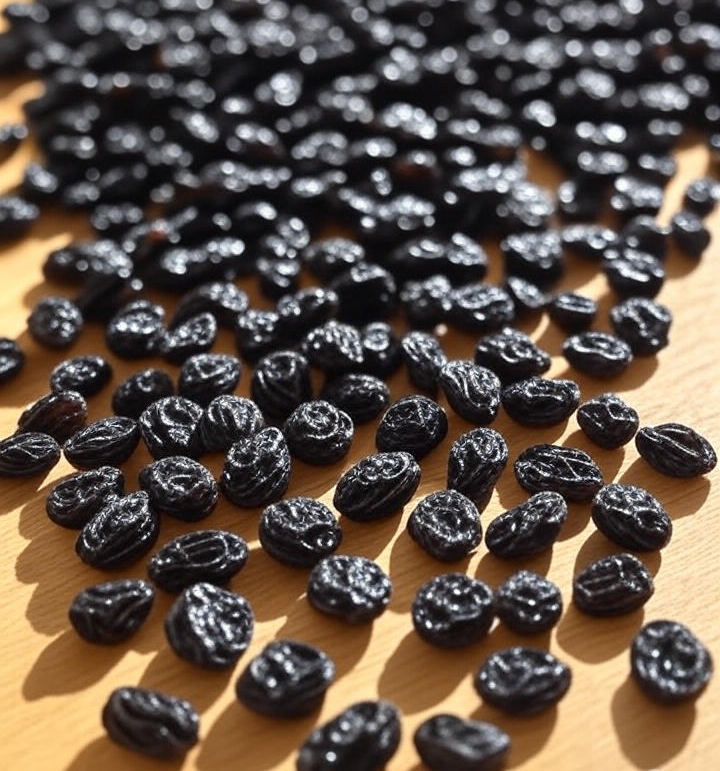
🧪 Characteristics:
- Color: dark brown to deep amber
- Taste: strong natural grape flavor
- Texture: slightly firm and chewy
- Processing: 100% natural sun drying
🌿 Health Benefits:
- Rich in natural antioxidants
- High energy source
- Supports digestion
- Contains natural minerals
🍽 Best Uses:
🏡 Household Consumption:
- Daily snacks
- Tea accompaniment
🍛 Cooking:
- Persian rice dishes (pilaf)
- Traditional stews
- Sweet and savory recipes
🥗 Healthy Diets:
- Natural energy boosters
- Fitness snack alternatives
🌍 Export Market:
Sun-dried raisins are very popular in:
- India
- Pakistan
- Afghanistan
- Iraq
They are valued for their natural processing and strong flavor.
⚫ 4. Black Raisins (High-Sugar Intense Flavor Type)
📌 Overview
Black raisins are darker in color and richer in taste compared to other types. They are produced under specific drying conditions that preserve deep color and high sugar concentration.
🧪 Characteristics:
- Color: black or very dark brown
- Taste: very sweet and intense
- Aroma: strong grape aroma
- Texture: soft to semi-dry
🍽 Best Uses:
🏥 Health Products:
- Herbal medicine blends
- Traditional remedies
- Energy supplements
🥐 Bakery:
- Bread toppings
- Cakes and sweets
🥜 Snack Industry:
- Mixed nuts
- Trail mixes
- Energy snacks
🌍 Market Position:
Black raisins are often used in niche health markets and premium food blends.
🟠 5. Long Raisins (Premium Export Specialty)
📌 Overview
Long raisins are a special Iranian variety characterized by their elongated shape and soft texture. They are often exported as premium-grade dried fruits.
🧪 Characteristics:
- Shape: long and elongated
- Texture: soft and chewy
- Taste: sweet and mild
- Appearance: attractive for packaging
🍽 Best Uses:
- Luxury dried fruit packaging
- Gift boxes
- Premium retail stores
- Export specialty products
🌍 Export Demand:
High in:
- Europe
- Gulf countries
- Premium Asian markets
🏭 Iranian Raisins in the Global Export Market
Iran plays a major role in the global raisin trade. The country benefits from:
- Large agricultural production areas
- Competitive pricing
- High-quality traditional drying methods
- Wide product variety
📦 Export Packaging Types:
- Bulk 10–25 kg cartons
- Vacuum packs
- Retail branded packs
- Private label packaging
🧾 Uses of Iranian Raisins in Different Industries
🍞 Food Industry:
- Bakery products
- Cakes and pastries
- Bread and biscuits
🍫 Confectionery Industry:
- Chocolate production
- Energy bars
- Candy fillings
🥗 Health Industry:
- Natural energy food
- Iron-rich snacks
- Diet supplements
🍛 Culinary Uses:
- Rice dishes
- Desserts
- Traditional recipes
🧠 Conclusion
Iranian raisins are among the highest-quality dried fruits in the world due to their natural production methods, diverse varieties, and strong export demand. Each type of raisin—green, golden, sun-dried, black, and long—has unique applications in food industry, retail, and international trade.
Understanding these differences helps buyers, exporters, and food manufacturers choose the right product for their needs.
To order Iranian Raisin please visit: www.irancorps.com