

 Arabic
shop
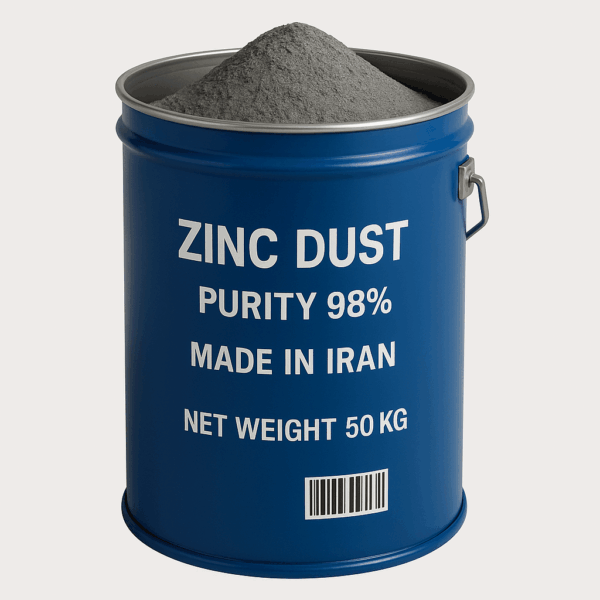
Zinc Dust
The production process of Zinc Dust generally involves melting high-purity zinc metal followed by vaporization, condensation, and controlled atomization techniques to create fine zinc particles. Advanced manufacturing processes allow producers to control particle size, purity level, and physical characteristics according to customer requirements. The produced Zinc Dust is carefully screened, tested, and analyzed for zinc content, impurities, moisture level, and particle distribution to ensure stable performance in industrial applications. Different commercial grades of Zinc Dust are available, including standard grade, high purity zinc dust, fine zinc powder, and specialized grades designed for chemical reactions, coatings, and metallurgical processes. These variations allow manufacturers and industrial users to select the most suitable type according to their production needs.
Zinc Dust is widely used in zinc-rich paints and coatings for steel structures, bridges, pipelines, marine equipment, and industrial machinery due to its outstanding anti-corrosion protection properties. It is also applied in chemical manufacturing as a reducing agent, in gold and silver recovery processes, in hydrometallurgy, zinc-based chemicals production, and various metallurgical applications. The main advantages of Zinc Dust include high zinc concentration, excellent conductivity, effective corrosion protection, controlled reactivity, long storage stability, and versatility across multiple industries. Available for international commercial supply, Zinc Dust is an important export product for companies seeking a dependable source of high-quality zinc materials for industrial and manufacturing operations.
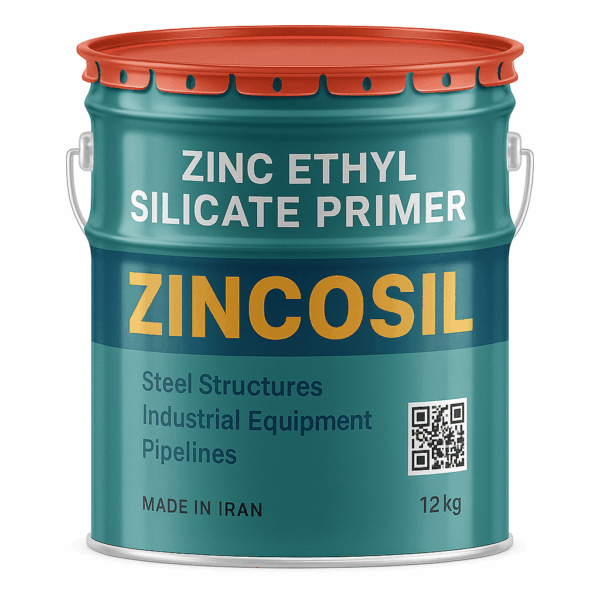
Zinc Ethyl Silicate Primer
The production process of Zinc Ethyl Silicate Primer includes precise formulation of zinc powder, hydrolysis and polymerization of ethyl silicate resin, controlled dispersion of zinc particles, and quality testing to ensure uniform performance and long-term protection. The Standard Industrial Grade is mainly applied for bridges, steel frameworks, storage tanks, pipelines, and machinery where strong corrosion resistance is required. The Marine and Offshore Grade is designed for ships, offshore platforms, ports, and coastal structures exposed to saltwater and high humidity conditions. The Fast Drying Grade is suitable for repair works, construction projects, and applications requiring quick handling and overcoating. The High Temperature Grade is used for boilers, heat exchangers, industrial furnaces, and equipment exposed to thermal stress. This primer provides excellent adhesion, fast curing properties, abrasion resistance, chemical resistance, and long-term protection of steel surfaces.
Zinc Ethyl Silicate Primer is widely exported for use in construction, oil and gas industries, petrochemical plants, power generation facilities, transportation infrastructure, shipbuilding, and heavy machinery manufacturing. The high zinc content in the coating provides sacrificial protection by preventing oxidation of steel, while the inorganic silicate binder ensures superior durability compared with conventional organic primers. The main advantages of Zinc Ethyl Silicate Primer include excellent anti-corrosion performance, outstanding adhesion to properly prepared steel surfaces, resistance to solvents and chemicals, rapid curing capability, long service life, and compatibility with various topcoat systems. Due to its reliable performance in harsh environments, this product is considered one of the most effective solutions for protecting industrial steel structures against corrosion and extending maintenance intervals.

Zinc Ingot
The production process of zinc ingots begins with zinc ore extraction and concentration, followed by roasting, leaching, purification, and electrolysis or thermal reduction methods depending on the production technology. During refining, impurities are carefully removed to achieve the required zinc purity level, commonly ranging from standard commercial grades to 99.995% high-grade zinc. The molten refined zinc is then cast into standardized ingot shapes and inspected according to international quality requirements. Zinc ingots are commercially available in different grades including Special High Grade (SHG) Zinc Ingot, High Grade Zinc Ingot, Die Casting Zinc Alloy Ingot, and Zinc Alloy Ingots containing aluminum, magnesium, or copper, each designed for specific industrial uses such as hot-dip galvanizing, zinc die casting, brass manufacturing, battery production, and chemical processing.
Zinc ingots supplied for wholesale export are valued for their durability, dimensional stability, excellent corrosion protection, and compatibility with various alloying processes. They are extensively used in steel galvanizing to protect metal structures from rust, in automotive and machinery components through die casting, in brass and bronze manufacturing, in zinc oxide production, and in electrical, chemical, and engineering industries. Available in different purity levels, sizes, and industrial grades, zinc ingots provide manufacturers with a dependable source of zinc metal for large-scale production. With consistent quality, competitive commercial availability, and suitability for global supply chains, zinc ingot remains one of the most important non-ferrous metal products in international markets.
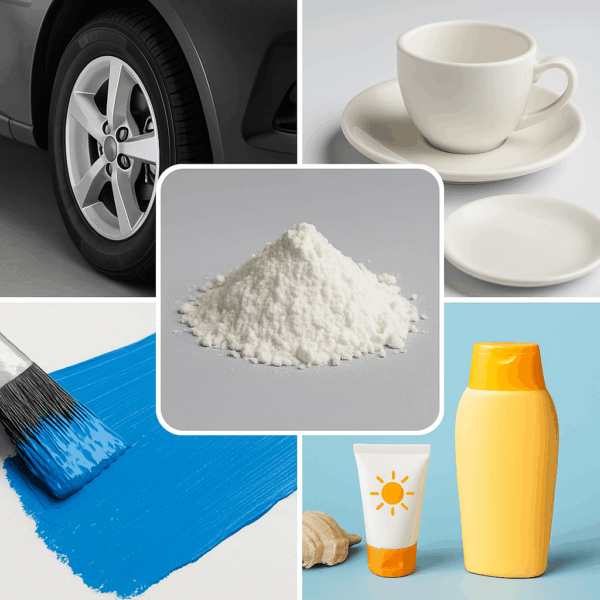
Zinc Oxide
The production process of Zinc Oxide is carried out through advanced industrial methods including the French Process (indirect method) and American Process (direct method), depending on the required purity, particle size, and application. In the French Process, high-purity zinc metal is vaporized at high temperatures and oxidized with controlled airflow to produce fine Zinc Oxide particles with superior quality and consistency. The direct process uses zinc-containing raw materials that are reduced and oxidized to obtain commercial-grade Zinc Oxide. During production, strict quality control procedures are applied to ensure chemical purity, uniform particle distribution, low impurity content, and compliance with international industrial standards.
Zinc Oxide is commercially available in different grades such as industrial grade, rubber grade, ceramic grade, pharmaceutical grade, cosmetic grade, feed grade, and high-purity electronic grade. Rubber-grade Zinc Oxide is widely used as an activator in tire and rubber manufacturing, improving durability, elasticity, and resistance properties. Ceramic and glass industries use Zinc Oxide to enhance strength, gloss, thermal stability, and surface quality. Paints and coatings manufacturers utilize Zinc Oxide for corrosion resistance and UV protection, while pharmaceutical and cosmetic industries use high-purity grades in creams, ointments, sunscreens, and personal care products. Zinc Oxide offers advantages including excellent chemical stability, high thermal resistance, anti-corrosion performance, UV absorption, electrical properties, and compatibility with various industrial formulations, making it a valuable export product for global markets.
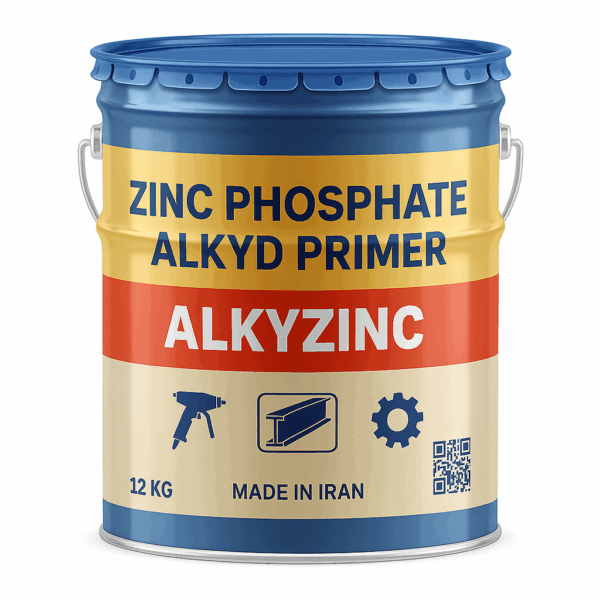
Zinc Phosphate Alkyd Primer
Zinc Phosphate Alkyd Primers are generally supplied as single-pack (one-component) systems and are suitable for application on structural steel, metal frameworks, machinery, pipelines (above ground), storage racks, agricultural equipment, and fabricated steel components. Key advantages include good adhesion to properly cleaned steel, improved corrosion resistance compared to iron oxide primers, easy application by brush, roller, or spray, and good compatibility with alkyd, synthetic enamel, and certain epoxy topcoats. Typical properties include good surface wetting, smooth film formation, fast air drying, and suitability for low to medium corrosive environments.
Zinc Phosphate Alkyd Primers are available in common industrial packaging such as 1 kg, 5 kg, 10 kg, 12 kg, and 20 kg metal pails, as well as 200 kg drums for large-scale consumption. These primers are widely selected for infrastructure, fabrication shops, and maintenance painting due to their balanced performance, economic pricing, and ease of use. Zinc Phosphate Alkyd Primers offer a practical solution for projects requiring dependable corrosion protection with simple application and broad topcoat compatibility.
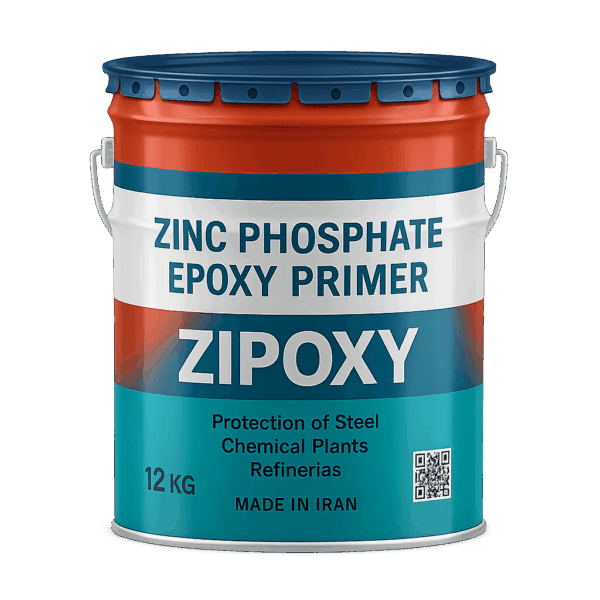
Zinc Phosphate Epoxy Primer
Zinc Phosphate Epoxy Primers are available in single-pack and two-component epoxy types, with two-component systems providing higher chemical and mechanical resistance. They are commonly applied on structural steel, pipelines, storage tanks, machinery, offshore components, marine structures, and industrial equipment. Key advantages include strong adhesion to blasted or mechanically cleaned steel, good resistance to moisture and salts, compatibility with epoxy and polyurethane topcoats, and effective corrosion protection without the very high zinc loading of zinc-rich systems. Typical properties include good surface wetting, smooth film formation, high intercoat adhesion, and suitability for C2 to C4 corrosion environments.
Zinc Phosphate Epoxy Primers are offered as base and hardener systems and can be applied by airless spray, air-assisted spray, brush, or roller. Standard packaging options include 5 kg, 10 kg, 12 kg, 20 kg metal pails, as well as 200 kg drums for industrial projects. These primers provide an excellent balance of performance and cost, reduced surface sensitivity, and compliance with international coating standards such as ISO 12944 and SSPC, making them suitable for infrastructure, energy, and export-oriented coating applications.
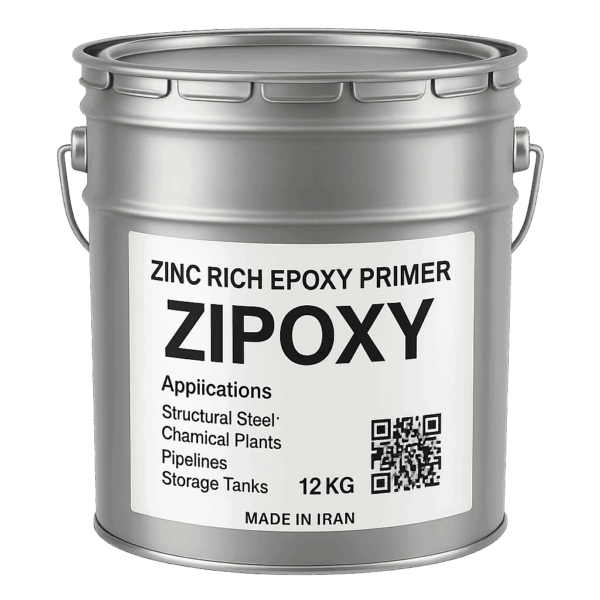
Zinc Rich Epoxy Primer
Zinc Rich Epoxy Primers are available in organic (epoxy-based) and inorganic types, with organic epoxy zinc primers being the most widely used in industrial coating systems. They are applied on properly prepared steel surfaces (typically Sa 2½ blasting) and are suitable for steel structures, pipelines, storage tanks, offshore platforms, bridges, refineries, power plants, and marine equipment. Key advantages include excellent corrosion resistance, strong adhesion to steel, compatibility with epoxy, polyurethane, and polysiloxane topcoats, and high resistance to moisture, chemicals, and mechanical stress. Typical properties include high zinc content (often >80% by weight in dry film), fast curing, good weldability, and long service life in C3 to C5 corrosion environments.
From a commercial perspective, Zinc Rich Epoxy Primers are available in standard industrial packaging such as 12 kg, 15 kg, 20 kg metal pails, as well as 200 kg steel drums for large-scale projects. These primers can be applied by airless spray, air-assisted spray, brush, or roller, depending on site conditions. Zinc Rich Epoxy Primers offer a cost-effective solution by reducing maintenance cycles, extending asset life, and complying with international standards such as ISO 12944, SSPC, and NACE. They are widely used in export-oriented projects requiring durable, specification-compliant corrosion protection systems.

Zinc Rich Paint
Zinc can be melted and purified into fine particles of high-purity zinc powder, which is used as the most important anti-rust pigment in anti-rust paint. Zinc-rich paint is widely used in various constructions and is suitable for offshore installations, power plants, petrochemical plants and other aspects. Zinc-rich paints are available in two types , first is organic ,which consist of epoxy resins, chlorinated hydrocarbons and other polymers; and second as inorganic based on organic alkyl silicates.
The performance of organic zinc-rich coatings depends on the solvent system. Coatings rich in organic zinc have a high temperature resistance of 200-300 F, The inorganic zinc-rich coating, adhering to steel with good chemical reactivity, has good solvent resistance, and can withstand temperatures up to about 700℉(375℃). Inorganic zinc-rich coatings are not easily crushed, peeled or blistered.
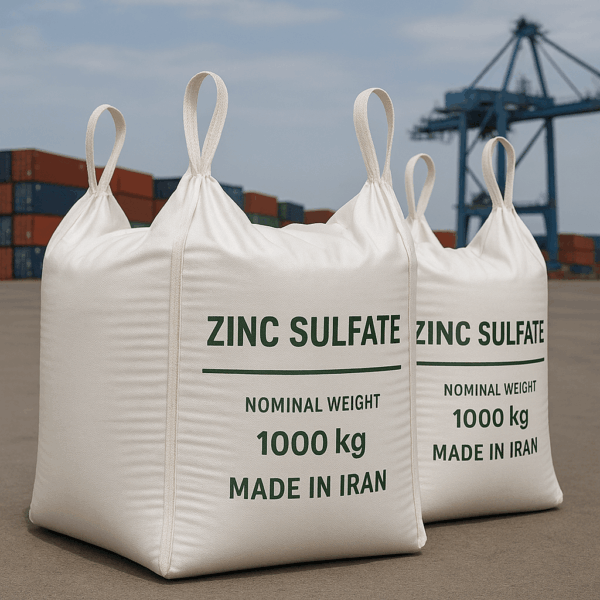
Zinc Sulfate
Zinc Sulfate is commercially available in different forms, mainly Zinc Sulfate Monohydrate (ZnSO₄·H₂O) and Zinc Sulfate Heptahydrate (ZnSO₄·7H₂O), each designed for specific applications. Agricultural grade Zinc Sulfate is extensively used as a zinc fertilizer and micronutrient additive to correct zinc deficiency in soil and improve crop growth, yield, and quality. Feed grade Zinc Sulfate is applied in animal nutrition as an essential zinc supplement for livestock and poultry. Industrial grade Zinc Sulfate is used in mineral processing, electroplating, chemical manufacturing, water treatment, pigment production, and textile industries. Pharmaceutical and high-purity grades are used in specialized applications where strict quality requirements are required.
As a reliable export product, Zinc Sulfate offers advantages including high zinc availability, excellent water solubility, stable chemical performance, and versatility across multiple industries. The product can be manufactured according to customer requirements with controlled particle size, purity level, and zinc concentration for different commercial purposes. Iranian manufacturers and suppliers provide competitive Zinc Sulfate products for wholesale export markets with reliable production capacity, quality assurance, and international trade experience. Zinc Sulfate is considered a strategic chemical product due to its wide industrial demand, efficient performance, and essential role in agriculture, nutrition, and chemical applications worldwide.
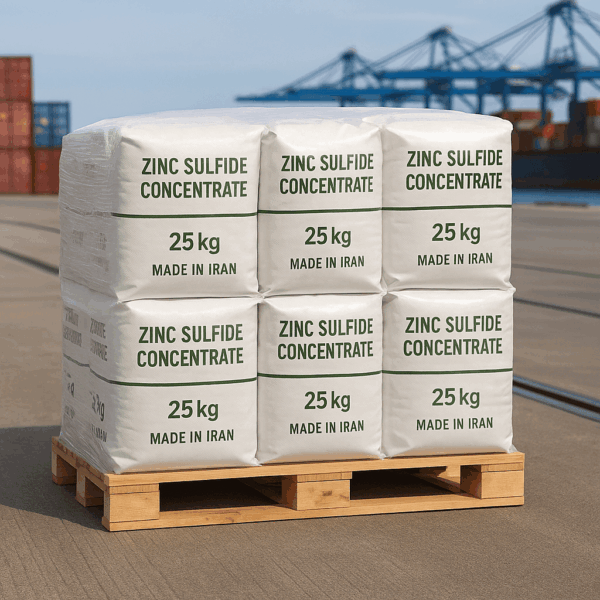
Zinc Sulfide Concentrate
Zinc Sulfide Concentrate is mainly used as a metallurgical feed material for zinc smelting and refining plants, where it is processed through roasting, leaching, and electrolysis methods to produce high-purity zinc metal. It is also applied in the manufacturing of zinc chemicals, zinc oxide, zinc sulfate, galvanizing materials, batteries, alloys, and specialty industrial compounds. Commercially available types of Zinc Sulfide Concentrate are generally classified according to zinc percentage, impurity content, particle size, and processing requirements, including standard-grade zinc concentrate, high-grade zinc concentrate, and customized concentrate grades for specific smelter requirements. High-grade concentrates are preferred for efficient zinc extraction, while customized grades are supplied for industries requiring controlled levels of lead, iron, sulfur, cadmium, and other elements. The product offers excellent advantages including high zinc recovery potential, reliable metallurgical performance, economic transportation efficiency, and suitability for large-scale industrial operations.
For international wholesale export, Zinc Sulfide Concentrate is supplied according to customer specifications and global mineral trade standards, with technical parameters adjusted based on refinery and smelter requirements. The concentrate quality is determined by zinc content, sulfur percentage, moisture level, and the concentration of valuable or limiting elements. Reliable Zinc Sulfide Concentrate suppliers focus on consistent production, laboratory analysis, traceability, and competitive commercial solutions for mining companies, zinc refineries, chemical producers, and industrial buyers worldwide. With strong demand in the zinc production sector, this mineral concentrate remains an essential raw material for modern infrastructure, corrosion protection industries, renewable energy applications, and advanced manufacturing processes. Export-quality Zinc Sulfide Concentrate provides buyers with a dependable source of zinc minerals and a cost-effective solution for continuous industrial supply.