

 Arabic
shop
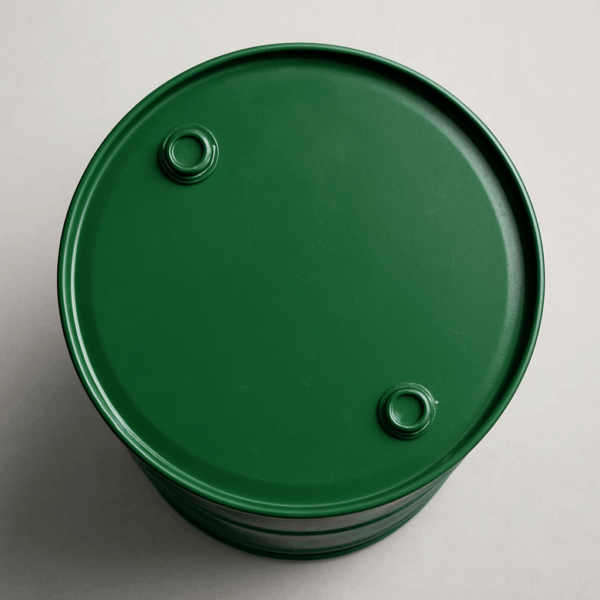
Tight Head Lined Steel Drums
a variety of drums to meet your shipping needs are available , whether that’s solids, liquids, or hazardous materials. Drum sizes are available from 4 gallons to 110 gallons and can be used throughout a variety of industries. These drums are made of carbon steel, stainless steel and Drum accessories are also available for your needs.
Lined drum barrels are made with a layer of material (usually plastics such as epoxy, OH) that covers the inside of the barrel. This lining helps to prevent the contents of the barrel from coming into contact with the barrel itself, which can cause contamination.
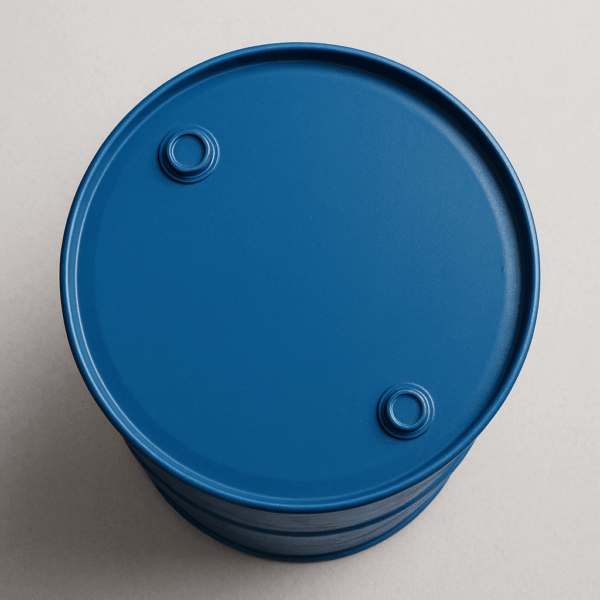
Tight Head Unlined Steel Drums
These drums are made of carbon steel, stainless steel and Drum accessories are also available for your needs.
Unlined drum barrels are made without a lining material. They are often used for storing oil and lubricants.
One advantage of unlined barrels is that they are cheaper than lined barrels as the lack of lining material saves on manufacturing costs. Unlined barrels are also easier to repair if they become damaged.
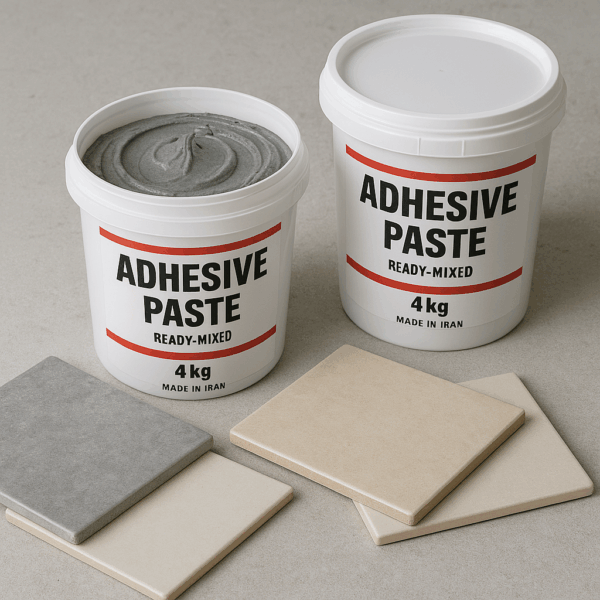
Tile adhesives
Tile adhesive is a special type of glue used to fix tiles all around the home. Tile adhesive is a ready-made mixture made from Portland cement, polymers such as epoxy and selected aggregate particles with some additives added in it to improve its property for laying tiles.
Acrylic makes tile adhesive moisture resistant. It is generally used for fixing tiles of small sizes. Ceramic tiles, vitrified tiles, natural stone tiles, can be easily fixed by it. Latex makes tile adhesive more flexible. It is ideal for exterior use where some movement is required. Epoxy helps in increasing hardness and strength of adhesives. Epoxy modified adhesives may be used internally or externally as they are resistant to oils, water, dilutes acids, alkalis and most solvents. Epoxy is the most strongest tile adhesive. Epoxy modified adhesives has industrial applications, such as fixing tiles which are chemical and corrosion-resistant.

Tin Powder
Tin Powder is manufactured according to strict quality control standards to provide high tin content, excellent flowability, uniform particle distribution, and superior compatibility with different production processes. Commercial grades are generally available in mesh sizes such as -100 mesh, -200 mesh, -325 mesh, and micron-sized powders, with customized particle sizes available according to customer requirements. Atomized Tin Powder provides spherical particles with improved packing density and flow characteristics, making it suitable for additive manufacturing, thermal spraying, and precision applications. Electrolytic Tin Powder offers very high purity and is mainly used in electronic, chemical, and specialized industrial applications. Fine Tin Powder and Nano Tin Powder are used in conductive pastes, advanced batteries, semiconductor applications, and high-performance coatings.
The main advantages of Tin Powder include excellent electrical conductivity, corrosion resistance, low melting point, good alloying ability, thermal stability, and high recyclability. Due to these properties, tin powder is widely applied in the production of tin-based solders, bronze and bearing alloys, electrical contacts, conductive inks, metal coatings, chemical compounds, and surface treatment materials. Export-quality Tin Powder is supplied in moisture-resistant packaging such as sealed metal cans, vacuum bags, fiber drums, and customized industrial packaging to maintain product quality during international transportation. Manufacturers and industrial buyers can select the appropriate grade based on purity level, particle size, and final application requirements.

Tinted Float Glass
Tinted float glass is produced by adding metal oxides (cobalt, iron and selenium ) during float glass production. Apart from its function in an aesthetic sense, tinted float is primarily designed to reduce solar heat gain, UV and glare inside a building.
Tinted glass absorbs and re-radiates solar energy reducing heat and in can provide cost efficient climate control. Tinted glass also reduces sun glare and is aesthetically appealing.
tinted glass solutions create an attractive exterior appearance. The range offers a high degree of energy absorption, thereby minimising the heat passing through the glass.

Tires For Folding Bikes
Produced with high-quality rubber compounds and reinforced casing layers, folding bike tires ensure flexibility without compromising strength. Available in types such as slick tires for urban roads, semi-slick for mixed terrains, and treaded models for light off-road use, each variant offers optimal performance in its category. The advanced vulcanization process and precision molding technology enhance their durability and resistance to punctures. Whether used for commuting, leisure riding, or touring, these tires deliver dependable control in all conditions.
Titanium Alloy Powder
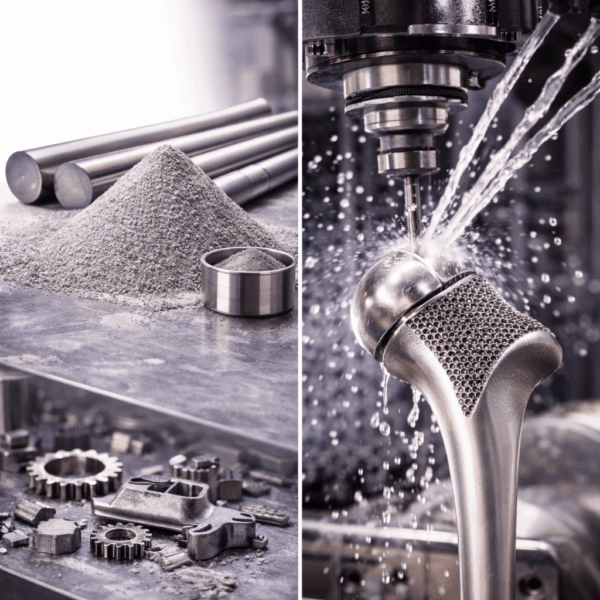
Titanium Alloy Powder is available in several commercial grades, each designed for specific industrial applications. The most widely used grade is Ti-6Al-4V (Grade 5), which provides an excellent combination of high strength, low density, corrosion resistance, and biocompatibility, making it suitable for aerospace components, aircraft parts, medical implants, dental applications, and additive manufacturing. Grade 23 Ti-6Al-4V ELI (Extra Low Interstitial) is preferred for medical implants and critical applications requiring superior purity and fatigue resistance. Commercially pure titanium powder grades such as Grade 1, Grade 2, and Grade 4 are used in chemical equipment, marine industries, heat exchangers, and corrosion-resistant components. Other alloy grades including Ti-6242, Ti-5553, Ti-1023, and titanium aluminide powders are utilized in aerospace engines, high-temperature components, and advanced engineering applications. Titanium Alloy Powder is compatible with technologies including Selective Laser Melting (SLM), Electron Beam Melting (EBM), Laser Metal Deposition (LMD), and other powder metallurgy processes.
Titanium Alloy Powder offers outstanding advantages including exceptional strength-to-weight ratio, excellent corrosion resistance, high temperature performance, low thermal expansion, superior fatigue resistance, and long service life. Due to its unique properties, this material is widely used in aerospace manufacturing, automotive lightweight components, defense industries, medical implants, orthopedic devices, sports equipment, chemical processing systems, marine applications, and advanced research projects. High-quality Titanium Alloy Powder is produced according to international standards such as ASTM F2924, ASTM F3001, AMS specifications, and customer-specific requirements. Export-grade titanium powder provides manufacturers with reliable performance, reduced material waste in additive manufacturing, and the ability to produce complex geometries that are difficult to manufacture using conventional methods.

Toilet Tissue Paper
Typically, Toilet tissue paper are supplied in rolls, with the number of sheets and plys . Toilet tissue paper is also available in different types. Such as standard roll, jumbo roll, and coreless roll. Standard roll toilet tissue paper is the most common and is suitable for use at home or in public spaces. Jumbo roll toilet tissue paper is suitable for use in high-traffic areas such as public restrooms. Coreless roll toilet tissue paper is eco-friendly as it eliminates the cardboard core and reduces waste. The quality of this tissue paper can be determined by the number of plies, durability, coarseness and fiber quality.
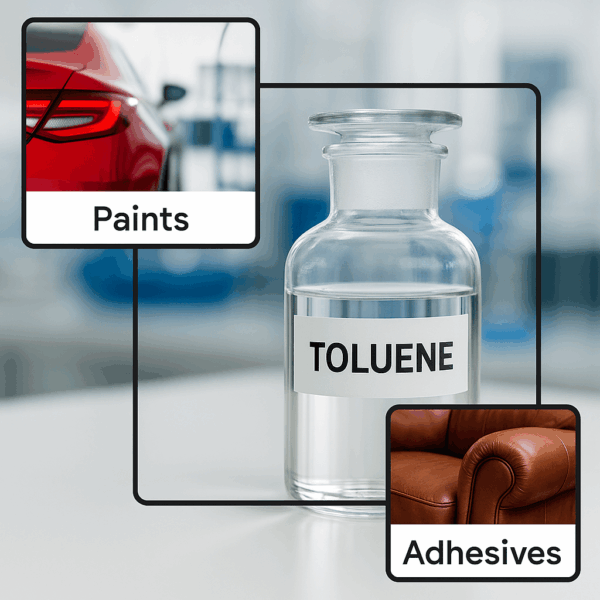
Toluene
The production process of Toluene begins mainly through catalytic reforming of petroleum naphtha and aromatic extraction processes in modern petrochemical complexes. During refining operations, aromatic compounds are separated and purified through advanced distillation and extraction technologies to achieve the required purity level. Depending on the final application, different grades of Toluene can be produced, including industrial grade, solvent grade, and high-purity chemical grade. Advanced production systems ensure low impurity content, excellent performance, and stable chemical characteristics suitable for demanding industrial applications.
Toluene is commercially available in various grades and specifications according to customer requirements, including general-purpose solvent grade for paints and coatings, chemical grade for synthesis applications, and high-purity grade for specialized industries. It is extensively used as a solvent in paints, varnishes, printing inks, thinners, adhesives, sealants, and rubber processing. Toluene is also an important raw material in the production of benzene derivatives, polyurethane materials, explosives, pharmaceuticals, and chemical intermediates. Its major advantages include strong dissolving ability, fast evaporation rate, excellent blending characteristics, high energy efficiency in industrial processes, and compatibility with many organic compounds, making it a preferred choice for global manufacturers and wholesale chemical buyers.
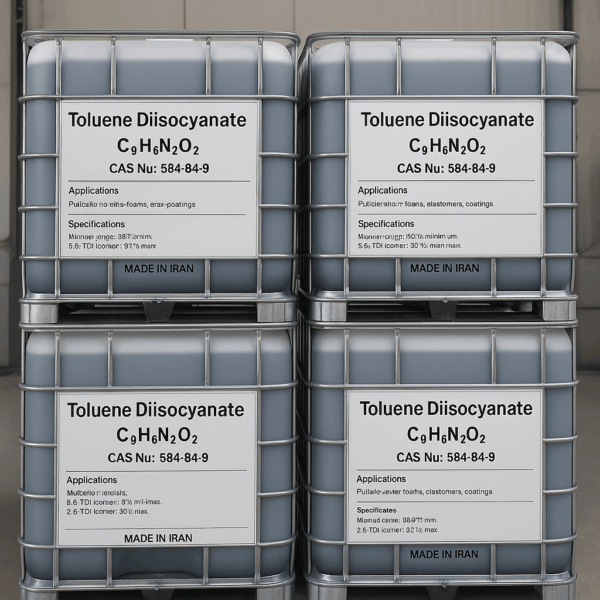
Toluene Diisocyanate (TDI)
Industrial production of TDI is carried out through a controlled chemical process starting from toluene as the primary raw material. The production process generally includes nitration of toluene to produce dinitrotoluene (DNT), catalytic hydrogenation of DNT to form toluenediamine (TDA), and phosgenation of TDA to obtain high-purity Toluene Diisocyanate. Advanced purification and quality control systems are applied during manufacturing to ensure consistent chemical composition, low impurity levels, and compliance with international industrial standards. Export-quality TDI is available in different grades and packaging options including steel drums, ISO tanks, and bulk shipments, allowing safe and efficient transportation for international customers.
Toluene Diisocyanate is commercially available in TDI 80/20, commonly used for flexible polyurethane foam production in mattresses, furniture cushions, automotive seats, and sound insulation materials, while TDI 65/35 is preferred for applications requiring different reaction characteristics and processing conditions. The main advantages of TDI include excellent foam flexibility, high resilience, superior processing performance, cost efficiency, and wide industrial compatibility.
Tomato Paste
The production process of tomato paste begins with the selection and washing of fresh tomatoes, followed by sorting, crushing, heating, juice extraction, filtration, and controlled evaporation to remove excess water and increase tomato solids concentration. Advanced vacuum evaporation technology is commonly used to maintain the natural characteristics of tomatoes while achieving the desired Brix level. After concentration, the tomato paste is sterilized, quality tested, and packed in hygienic food-grade containers. Strict quality control procedures are applied throughout production to ensure compliance with international food safety standards and provide a uniform product suitable for export markets.
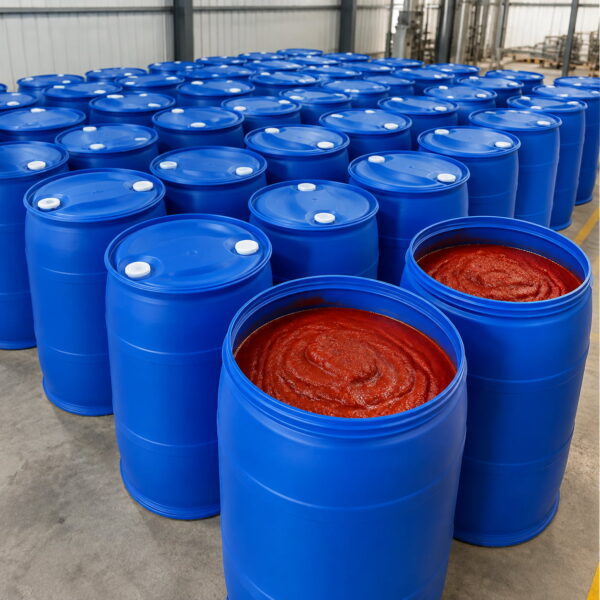
Commercially available tomato paste is supplied in different packaging formats including aseptic bags in drums, metal cans, plastic containers, and customized bulk packaging according to customer requirements. It is widely used in ketchup production, sauces, pizza toppings, ready meals, soups, canned foods, meat processing, and industrial food formulations. Export tomato paste offers advantages such as high concentration, excellent color retention, consistent quality, easy storage, and economical transportation. With flexible specifications, reliable supply capacity, and competitive commercial packaging options, premium tomato paste is an ideal choice for international buyers seeking a dependable ingredient supplier.
Tomato Sauces
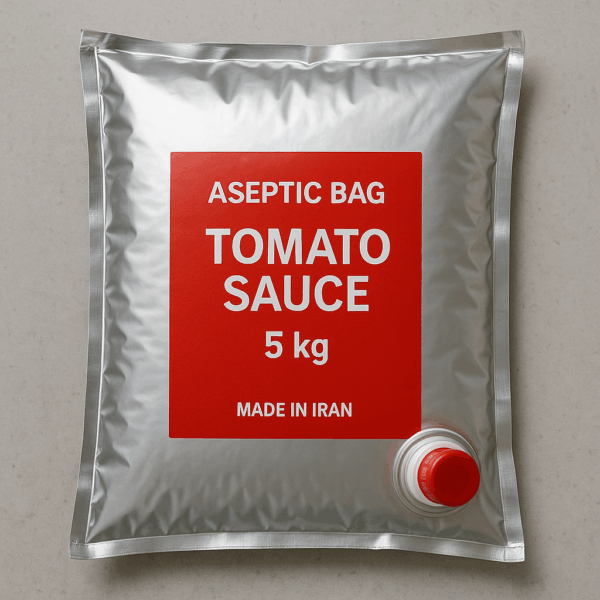
Tomato Sauce is required in many different segments of the food industry, it can be manufactured and supplied in several commercial formulations according to the intended application. Standard tomato sauce provides a balanced combination of tomato flavor, acidity, sweetness, and viscosity and is widely used as a general-purpose condiment, cooking ingredient, or food-service product. Pizza sauce is formulated with a consistency and flavor profile suitable for spreading over pizza bases before baking, making it particularly suitable for pizza manufacturers, restaurants, frozen-food producers, and catering operations. Pasta sauce provides a convenient tomato base for pasta, noodles, ready meals, and prepared-food products, while seasoned and spicy tomato sauces can be developed with selected herbs, spices, or chili to meet specific culinary and regional preferences.
Tomato sauce is also widely incorporated into burgers, sandwiches, meat products, sausages, snacks, dips, fast-food meals, canned foods, and ready-to-eat products, where it contributes tomato flavor, color, moisture, and acidity. For industrial customers, the formulation can be adjusted to meet agreed requirements for viscosity, Brix, pH, salt concentration, sweetness, acidity, seasoning, color, and overall sensory characteristics. This flexibility makes commercial tomato sauce suitable not only as a retail condiment but also as an important ingredient for large-scale food production, where consistent performance and predictable processing characteristics are essential.