

 Arabic
shop
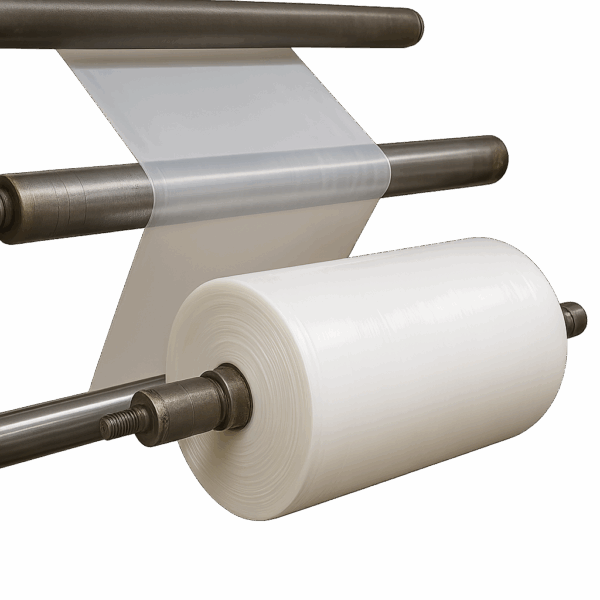
Processing Aid Masterbatch
Process aids can be used with LLDPE, LOPE, HOPE, LLDPE, PP, polystyrene, polyamides, acrylics, and others . During processing the applied shear-field causes the process aid to phase separate from the carrier polymer and migrate to the die wall gradually forming a continuous layer. Once the coating is complete, the backpressure of the extruder decreases to a minimum as the differential between the surface energies of the polymer and the coating allows for reduced friction during extrusion. Process Aids masterbatches are specifically designed to enhance processability of plastics ,leading to PRODUCTIVITY and QUALITY improvement.
Using polymer processing masterbatches can help getting higher quality products at a lower cost. Increasing melt stability and hydrolytic stability , Eliminating sharkskin effect and Reducing or eliminate Die Build-Up are other benefits of using process air masterbatches
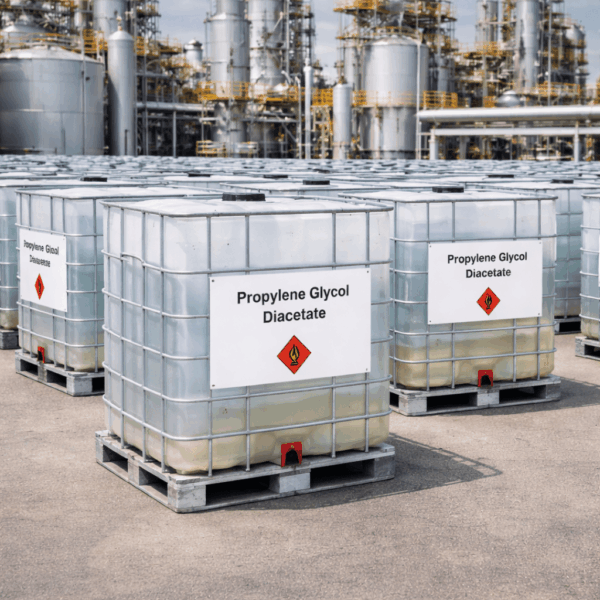
Propylene Glycol Diacetate
In industrial applications, Propylene Glycol Diacetate is widely used as a solvent and coalescing agent in paints, industrial coatings, automotive coatings, inks, varnishes, and surface treatment formulations. It provides excellent flow, leveling, and film formation properties while improving the stability and performance of coating systems. PGDA is also commercially available in different grades, including Industrial Grade Propylene Glycol Diacetate, which is mainly used in paints, coatings, adhesives, and chemical formulations; High Purity Grade PGDA, suitable for applications requiring controlled impurity levels and higher performance; and Specialty Solvent Grade PGDA, designed for advanced printing inks, electronics, and precision industrial processes. Its excellent compatibility with acrylic resins, polyurethane resins, epoxy systems, alkyd resins, and cellulose derivatives makes it a valuable solvent choice in modern manufacturing industries.
The major advantages of Propylene Glycol Diacetate include high solvency power, low volatility compared with many traditional solvents, excellent resin compatibility, low surface tension, good spreading ability, and improved application performance. This chemical is commercially supplied according to international quality standards with controlled parameters such as purity, moisture content, acidity, color, density, and boiling range. Due to its versatile characteristics, Propylene Glycol Diacetate is exported globally for use in coatings, adhesives, printing inks, plastics, textiles, and specialty chemical manufacturing. Reliable manufacturers provide PGDA in different commercial forms and specifications to meet the requirements of wholesale buyers, distributors, and industrial consumers seeking a high-quality glycol ester solvent for advanced formulation.
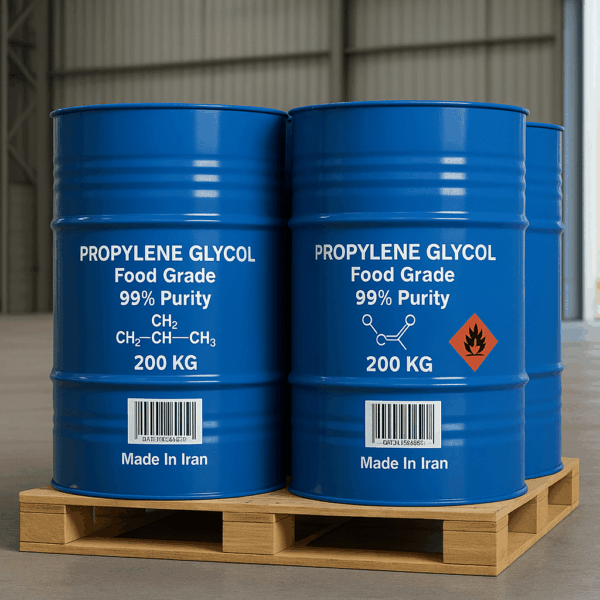
Propylene Glycol, Food Grade
Food Grade Propylene Glycol Applications:
- Humectant : Propylene glycol liquid is an effective humectant that helps foods retain moisture, preventing them from drying out and hardening.
- Solvent : Propylene glycol liquid acts as a solvent for food additives, dissolving flavors, colors, and other food ingredients, ensuring they are evenly distributed in the food product.
- Emulsifier: Propylene glycol ingredients can function as an emulsifier, helping to mix oil and water to form stable emulsions. Propylene glycol food grade is commonly employed in sauces, salad dressings, and emulsified beverages, to maintain consistency and texture.
- Stabilizer : Propylene glycol liquid helps stabilize ingredients in food, preventing separation and crystallization. It is broadly applied in dairy products, and frozen foods, to prevent layering, crystallization, and texture changes.
- Carrier: Propylene glycol liquid is often used as a carrier for food additives, flavors, and colors, aiding in their even distribution throughout the food. It is frequently used in various food and beverage products requiring uniform distribution of additives.
- Anticaking Agent : Propylene glycol ingredients can help prevent powdered foods from clumping, maintaining their free-flowing properties. It is found in powdered sugar, spice mixes, and other powdered foods.
- Antioxidant : Propylene glycol liquid has some antioxidant properties, which can help extend the shelf life of food products. It is widely incorporated in foods requiring prolonged freshness and shelf life.
- Preservative : Although not primarily used as a preservative, propylene glycol liquid has antimicrobial properties that can help inhibit the growth of microorganisms. Propylene glycol preservatives can extend the shelf life and prevent spoilage in certain foods.
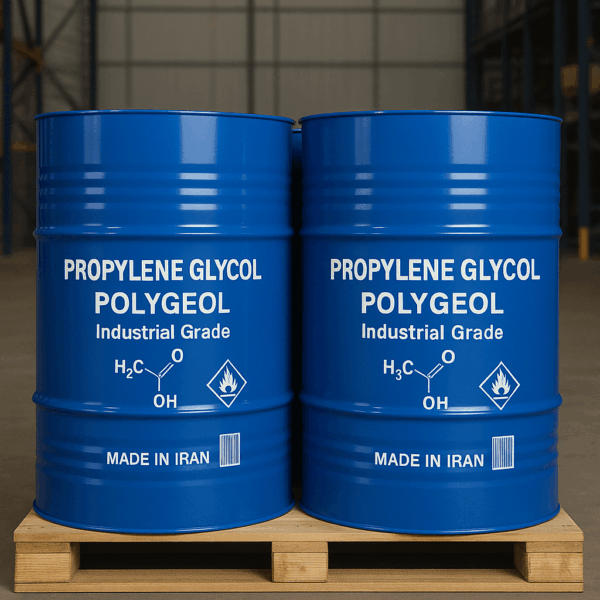
Propylene Glycol, Industrial Grade
The industrial uses can be summarized as :
- Antifreeze and Coolants: A primary component in antifreeze formulations, providing lower freezing points and higher boiling points.
- Hydraulic and Brake Fluids: Propylene glycol ingredients are used in various automotive and industrial fluids.
- Paints and Coatings: Acts as a solvent and plasticizer, improving the application and finish of paints and coatings.
- Plastics and Resins: Used in the production of unsaturated polyester resins, which are further used to make fiberglass and other plastic materials.
- De-icing Solutions: Industrial-grade propylene glycol is applied to aircraft and runways to prevent ice formation.
- Propylene Glycol can Prevents corrosion in pipes and machinery , Offers a safer alternative to ethylene glycol in some applications. It also can be used in Heat transfer in HVAC systems and as a Plasticizer in various manufacturing processes
Propylene glycol is used as a solvent in many chemical industries and other names for propylene glycol liquid include 1,2-Dihydroxypropane, 1,2-Propylene glycol, Monopropylene glycol liquid(MPG), Propane-1,2-diol, Methylethylene glycol,2-Hydroxypropanol, 57-55-6, E1520,1,2-Propanediol, Methyl ethyl glycol, Methylethylene glycol. Industrial-grade propylene glycol is intended for non-food and non-pharmaceutical applications, where the highest purity is not required. the purity typically is above 95%. May contain some small amount of impurities that are acceptable for industrial uses.
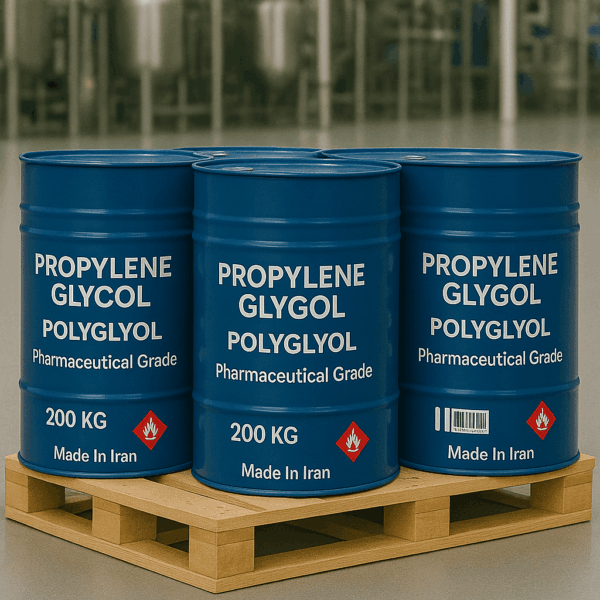
Propylene Glycol, Pharmaceutical Grade
Propylene Glycol USP Grade is primarily used as a pharmaceutical excipient, solvent, carrier, humectant and formulation aid, where it can help dissolve or disperse active ingredients and support the consistency and stability of finished formulations. In pharmaceutical manufacturing, applications include oral solutions, syrups, topical preparations, creams, lotions, gels and other non-sterile dosage forms, subject to the formulation and regulatory requirements of the finished product. Propylene Glycol Ph. Eur. Grade is similarly used where European Pharmacopoeia compliance is required, making it an important choice for manufacturers serving European and international pharmaceutical markets. USP/EP dual-compliant Propylene Glycol provides a practical commercial option for companies that require broader pharmacopeial acceptance and standardized quality documentation. Food or FCC-oriented grades can be selected for applications such as flavor carriers, humectants and solvent systems when the relevant food regulations permit their use, while technical or industrial grades are intended for applications where pharmaceutical purity is not required and should not be substituted for pharmaceutical-grade material in regulated pharmaceutical formulations. Beyond pharmaceuticals, high-purity Propylene Glycol is widely used in cosmetics and personal care products, including skin-care products, shampoos, creams, lotions, toothpaste, mouthwash and other formulations where solvency, humectancy and viscosity control are required. It can also serve as a carrier for flavors and fragrances and as a formulation aid in selected food and beverage applications. The principal advantages of pharmaceutical-grade Propylene Glycol include high purity, excellent water compatibility, low volatility, good chemical stability, efficient solvency, moisture-retention capability and broad formulation versatility. Its combination of physical properties and controlled quality makes it an important raw material for manufacturers that require dependable performance across multiple formulation platforms.
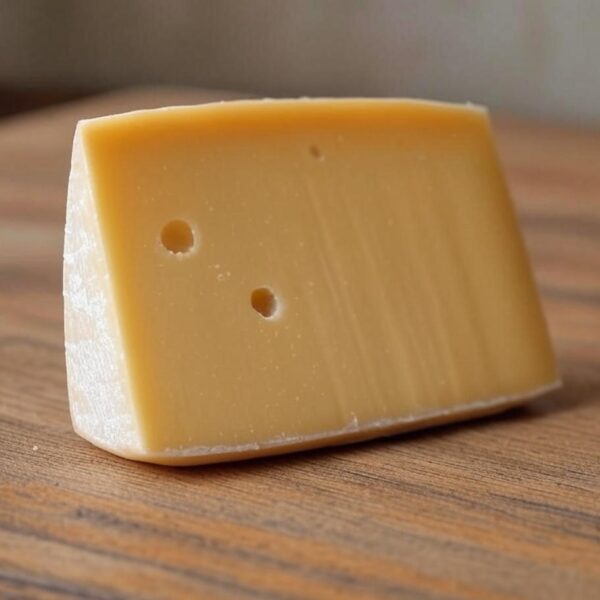
Provolone Cheese
Provolone cheese is semi-hard cheese is pale yellow to white and has a sweetish taste. Provolone cheese can come in smoked and unsmoked varieties, and is a staple for many different classic sandwiches. It also makes for great grilled cheese.
Provolone is ahard cow’s milk cheese, made using the pasta filata (stretched curd) method Made from cow’s milk , Provolone cheese is an Italian semi-hard cheese known for its sharp and tangy flavour. The cheese has its origins in Southern Italy
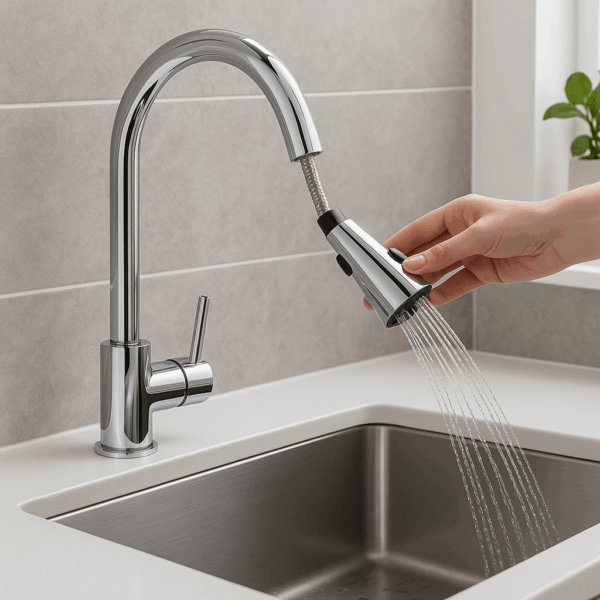
Pull Out Spray Tap
Pull-out spray kitchen taps are a wonderful multifunctional option for busy family homes. Not only ideal for swilling out your sink, washing vegetables, washing up, and filling pots and pans, a pull-out spray tap has many other uses too. The options are limitless. This versatile tap is available in a range of contemporary designs with multiple spray variations and hose lengths, allowing you to choose the perfect pull-out spray kitchen tap for your needs.
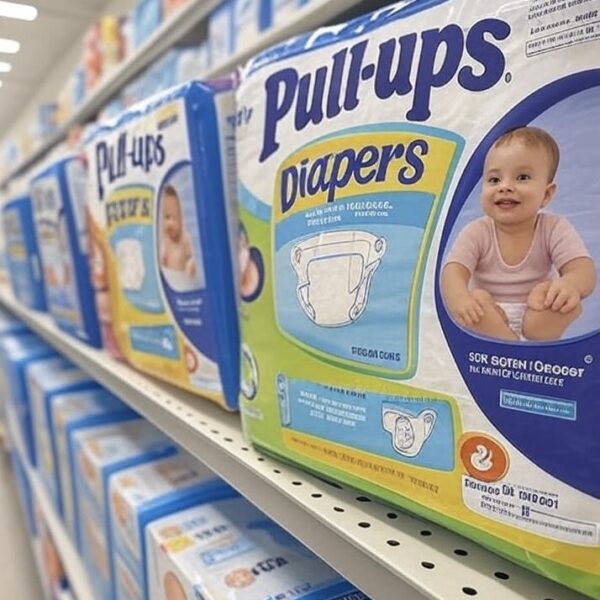
Pull Up Diapers For Babies
The absorbent material is usually not as thick as in regular diapers, but it does provide an extra layer of protection. Pull-ups are meant for when your baby has already started walking and finds it difficult to change their own diaper.
Baby pull-up diapers are a great option for transitioning from regular diapers to underwear. They have stretchy sides that allow your baby to pull them up and down easily, making them ideal for potty training.
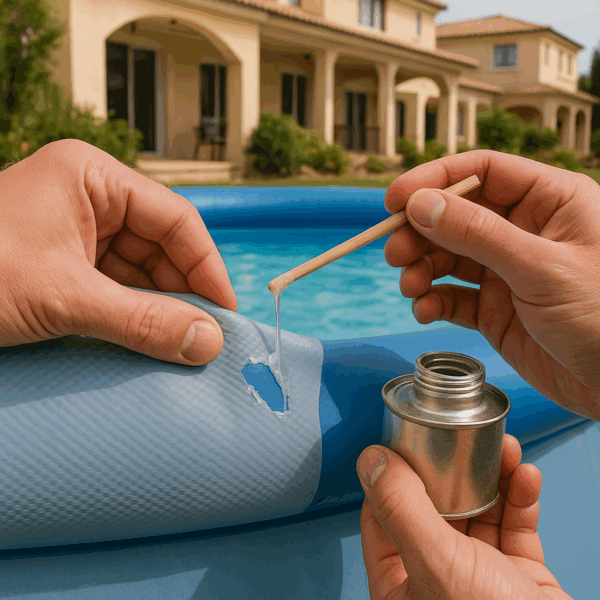
PVC Adhesives
PVC Adhesive provides fast bonding, strong adhesion, good gap-filling ability and excellent resistance to water, pressure and environmental conditions. Its formulation allows reliable connections between PVC components while maintaining system integrity in different operating conditions. High-quality PVC adhesives are designed to provide smooth application, consistent performance and strong resistance against leakage, making them an essential product for professional pipe installation.
PVC Adhesive is commonly used for PVC pressure pipes, drainage systems, water supply networks, irrigation systems, electrical conduits, plastic fittings and industrial piping applications. Depending on the application requirements, different grades are available, including standard, medium-bodied and heavy-duty PVC adhesives for various pipe sizes and pressure conditions. The product can be supplied in different packaging options such as 50 ml, 100 ml, 250 ml, 500 ml, 1 liter cans and larger industrial containers.
For international B2B buyers, PVC Adhesive can be supplied with customized packaging, private label and OEM manufacturing options according to market requirements. Reliable suppliers can provide different formulations based on application standards, customer specifications and export destinations, making PVC Adhesive a suitable choice for distributors, construction companies and industrial users worldwide.
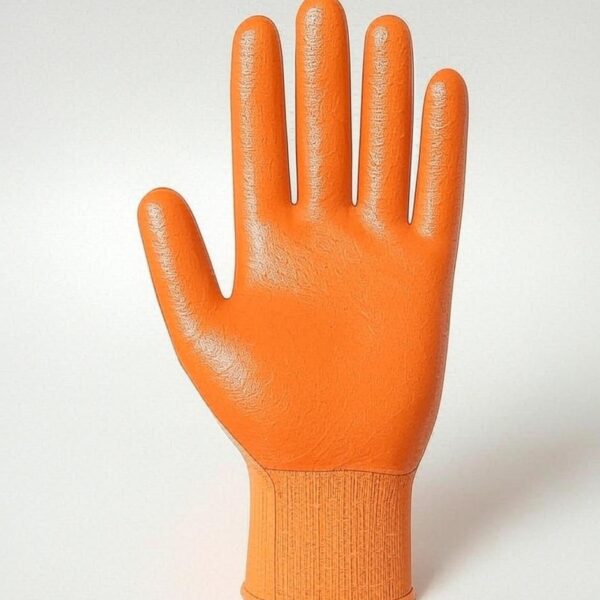
PVC Coated Glove
Fabric gloves coated with PVC are becoming popular due to their excellent properties. These gloves are known for their durability. PVC coating provides protection against abrasion, puncturing, snagging, and tearing. Additionally, nitrile is more durable than latex, which results in a longer-lasting glove that withstands harsh environments.
One of the main advantages of PVC coated gloves is their flexibility. The seamless, machine-knit design provides form-fitting comfort, providing excellent dexterity, and reduced hand fatigue. Nitrile’s wet and dry dip technologies also enable sure-handed performance on various surfaces.
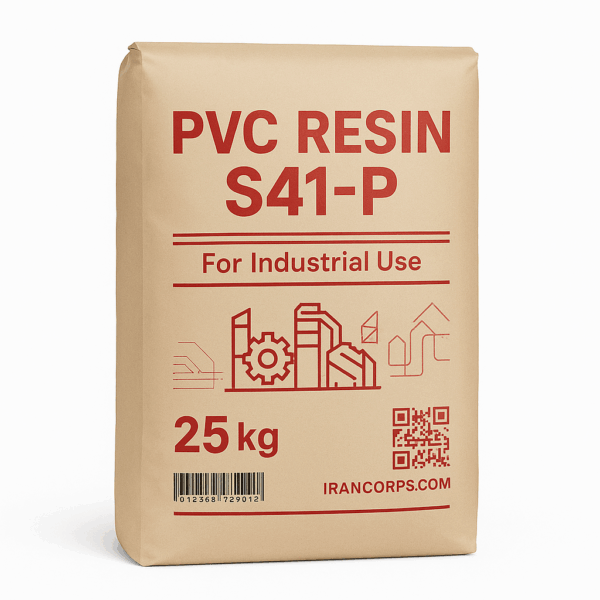
PVC Suspension Resin
PVC Suspension Resin grades are commonly differentiated by their K-value and molecular-weight range, with grades such as SG3, SG5, SG7 and SG8 frequently used for different processing requirements and product designs. Lower-K-value grades are generally suitable for applications requiring easier processing and higher melt flow, including certain injection molding, rigid products and specialty applications, while medium-K-value grades such as SG5 are widely used for pipes, fittings, profiles, cables, films and general-purpose rigid PVC products. Higher-K-value grades such as SG7 and SG8 can be selected where higher molecular weight, strength and performance characteristics are required, including certain flexible products, cables, sheets and specialized extrusion applications. Suspension PVC is widely used in pressure and drainage pipes, pipe fittings, window and door profiles, siding, flooring, electrical cable insulation and sheathing, films, sheets, bottles, automotive components, medical tubing and other molded or extruded products.
For international buyers, the selection of PVC Suspension Resin should be based on the processing technology, required mechanical properties, fusion behavior and end-use requirements rather than grade name alone. Important quality parameters include K-value, inherent viscosity, bulk density, specific gravity, moisture content, residual VCM, particle-size distribution, whiteness and thermal stability. Typical commercial PVC suspension resins may have K-values across a broad range, while individual grades are manufactured to tighter specifications for particular applications. The advantages of high-quality PVC Suspension Resin include consistent particle morphology, good processing performance, reliable mechanical properties, excellent electrical insulation, chemical resistance, durability and suitability for both rigid and flexible PVC formulations. For export procurement, buyers can select the appropriate grade according to application, production equipment and required technical specification, with the final specification confirmed through the applicable technical data sheet and certificate of analysis.
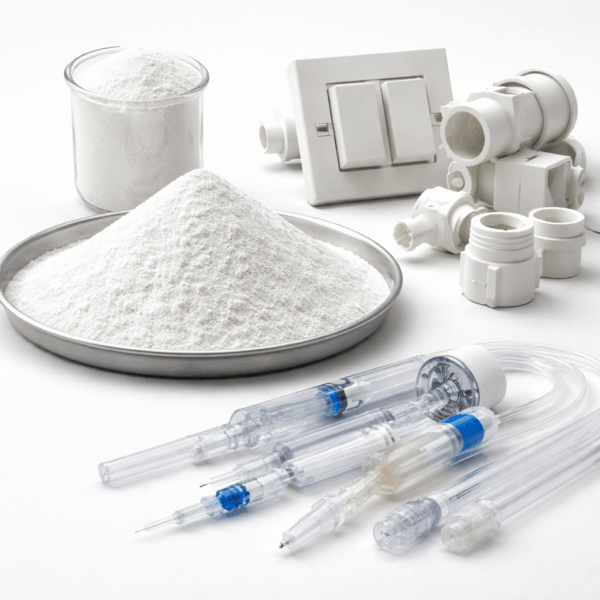
PVC Suspension S-57
PVC S-57 resin is available in different commercial packaging sizes, commonly supplied in 25 kg kraft paper bags with polyethylene inner liners, 500 kg jumbo bags, and customized bulk packaging according to customer requirements. The S-57 grade is mainly selected for applications requiring lower viscosity and easier processing compared with higher K-value PVC grades. It is widely used in the production of PVC pipes, profiles, rigid sheets, window frames, electrical conduits, fittings, bottles, packaging materials, and injection molded components. Different processing methods such as extrusion, injection molding, calendaring, and compounding can be applied depending on the final product requirements. Its excellent compatibility with additives allows manufacturers to produce customized PVC compounds with improved durability and performance.
PVC Suspension Resin S-57 offers outstanding advantages including excellent thermal stability, good chemical resistance, high mechanical strength, superior electrical insulation properties, and stable processing characteristics. The resin provides manufacturers with consistent product quality, efficient production performance, and flexibility in formulation design. Due to its reliable specifications and wide industrial usage, PVC S-57 is considered an important export-grade polymer material for global PVC manufacturers. It is suitable for producing high-performance PVC products in construction, infrastructure, electrical, packaging, and industrial sectors, making it a preferred choice for international wholesale buyers seeking dependable PVC resin supply.