

 Arabic
shop
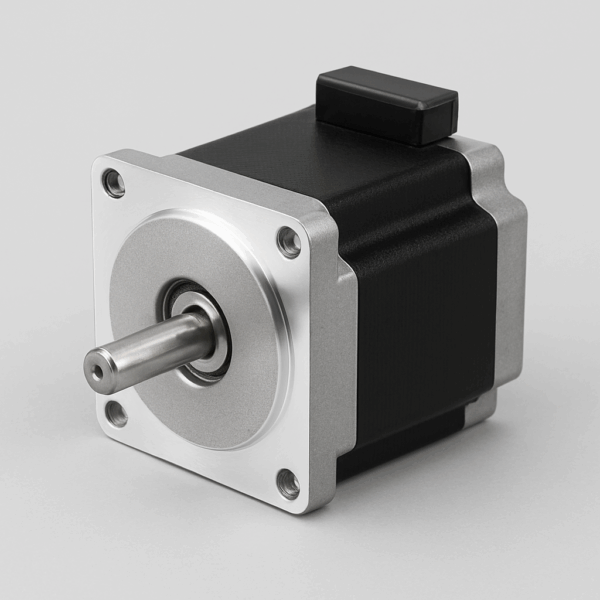
Electric Stepper Motor
stepper motors are good when you need an inexpensive, easy-to-control solution and when efficiency and high torque at high speeds are not necessary.
Advantages of stepper motor :
- Due to their internal structure, stepper motors do not require a sensor to detect the motor position.
- Stepper Motor control is pretty simple and In general, the control effort is lower compared to other motors.
- Stepper Motors offer good torque at low speeds, are great for holding position, and also tend to have a long lifespan.

Electrical Hazard Protection Shoes
These shoes are designed with non-conductive materials to prevent the flow of electricity through the footwear, protecting the wearer from electrical shocks and hazards. They are ideal for electricians, engineers, and construction workers who work in environments with live wires or electrical equipment. Electrical hazard protection shoes are a crucial safety measure to ensure the well-being of workers in high-risk environments.
Electric hazard protection shoes are Non-conductive and will prevent the wearers’ feet from completing an electrical circuit to the ground, can withstand up to 18,000 volts or 60 Hertz for an entire minute with no current flow or leakage of more than a milliampere and are Ideal for those who work with electricity, circuits, wiring, and high-voltage machines.
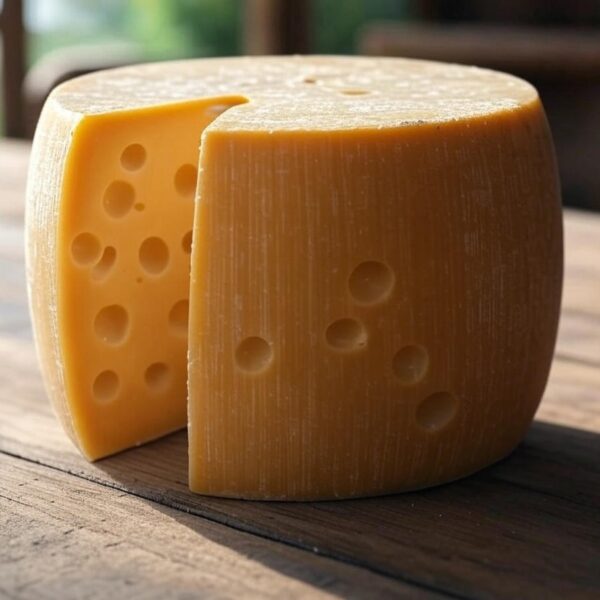
Emmental Cheese
When people think of “Swiss cheese,” they’re likely thinking of Emmental (also known as Emmentaler). When the cheese’s curds are cooked and pressed together, bubbles form, which leave the holes in the cheese. It’s sweet, tangy and melts well.
Emmental, a semi-hard cheese with a rich and storied tradition, is a popular type of cheese known for several distinct characteristics. It is known for its well-known for its characteristic holes or ‘eyes.’ Traditional Emmental is made from unpasteurized milk, but Emmental-alike versions are made from pasteurized cow’s milk. It is a common ingredient in fondue and is frequently used in sandwiches, quiches, gratins, and cheese plates. It melts well, making it a popular choice for cheese sauces and toppings.
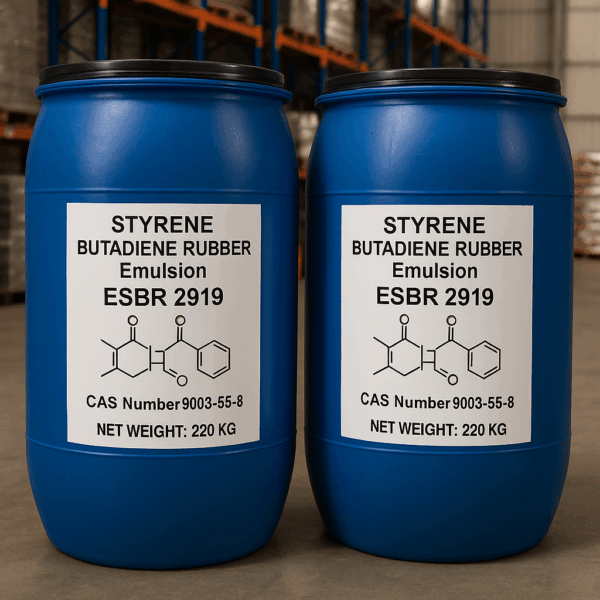
Emulsion Styrene Butadiene Rubber, E-SBR
E-SBR is commercially available in different grades including oil-extended E-SBR, non-oil extended grades, cold polymerized grades, and high styrene content grades, each designed for specific industrial applications. Standard grades such as E-SBR 1500, E-SBR 1712, E-SBR 1723, and related customized grades are widely used in tire manufacturing, automotive components, conveyor belts, hoses, footwear soles, rubber sheets, seals, gaskets, and industrial rubber products. Oil-extended E-SBR grades provide improved processability and flexibility, making them suitable for tire tread compounds, while high styrene grades offer enhanced hardness and wear resistance for footwear and molded rubber products. The product specifications are carefully controlled according to international standards to provide manufacturers with dependable raw materials for large-scale production.
E-SBR provides outstanding advantages including excellent abrasion resistance, good tensile strength, superior aging stability, high resilience, easy processing, and excellent blending capability with other rubber materials. The product is available for international wholesale export in standard bale forms, packed in polyethylene film and strong export cartons or pallets according to customer requirements. With consistent quality, competitive pricing, and reliable supply capacity, Emulsion Styrene Butadiene Rubber is an ideal choice for manufacturers seeking a trusted synthetic rubber raw material supplier. Irancorps provides professional sourcing and export solutions for high-quality E-SBR from Iran, supporting global buyers with technical assistance, customized supply options, and efficient international logistics.

Encaustic Art Paint
The pigments used in a paint can be derived from natural sources, such as minerals and plants, or they can be synthesized chemically in a laboratory. The binder holds the pigments together to help the paint adhere to the painted surface. Other ingredients, such as solvents that adjust the paint’s consistency or additives that improve its performance or durability, may also be added to the mixture. Encaustic paint is a type of paint made with pigments mixed into hot beeswax. It has a luminous, translucent quality and a slow drying time, making it a unique and challenging medium for artists to work with.
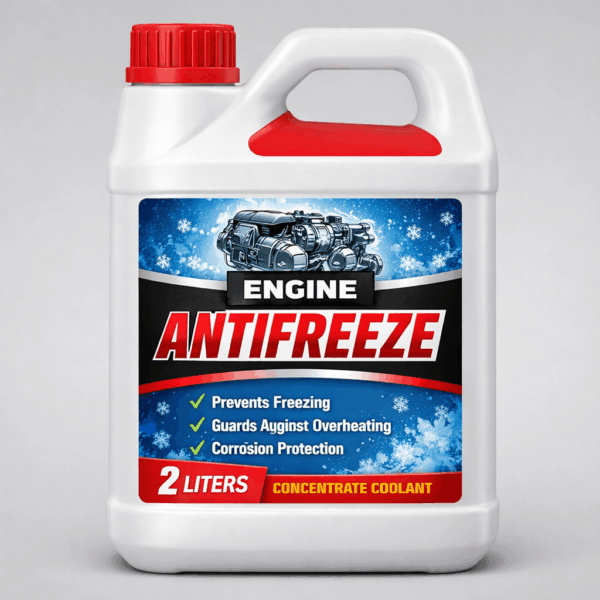
Engine Antifreeze
Engine Antifreeze is available in different commercial packaging sizes and grades to meet domestic, industrial, and export market requirements. Common packaging options include 1-liter bottles, 4-liter cans, 5-liter containers, 20-liter jerry cans, 25-liter drums, 200-liter drums, and 1000-liter IBC tanks, while bulk quantities can also be supplied for large industrial customers. Concentrated antifreeze is preferred by automotive service centers and manufacturers because it allows customized dilution according to regional climate conditions, while ready-mixed antifreeze is widely used for retail markets and quick maintenance applications. Passenger car antifreeze grades are designed for gasoline and light-duty diesel engines, providing efficient cooling and corrosion protection. Heavy-duty coolant grades are formulated for trucks, buses, mining equipment, and industrial engines requiring extended protection and high thermal stability. Long-life OAT and HOAT coolants provide extended replacement intervals and improved protection for modern aluminum engine components, radiators, and cooling system parts. The major advantages of high-quality engine antifreeze include excellent freeze protection, high boiling point performance, corrosion resistance, prevention of scale formation, compatibility with different metals, reduced maintenance requirements, and extended engine service life.
Engine Antifreeze is an essential automotive maintenance product supplied by manufacturers and exporters worldwide due to the continuous demand from automotive, transportation, and industrial sectors. High-quality antifreeze formulations comply with international automotive standards and are designed to maintain stable performance under severe operating conditions, including extreme cold environments and high-temperature engine operation. The product provides reliable protection for cooling systems by preventing coolant freezing, minimizing overheating risks, and reducing corrosion damage in engine components such as radiators, water pumps, cylinder blocks, and heat exchangers. Engine coolant products are available in different formulations including conventional inorganic additive technology (IAT), organic acid technology (OAT), hybrid organic acid technology (HOAT), phosphate-free coolant, and low-temperature performance coolant for specific vehicle manufacturers. Due to its versatility, durability, and technical advantages, Engine Antifreeze is widely exported for automotive aftermarket supply, vehicle manufacturers, fleet operators, and industrial users requiring dependable cooling system protection.
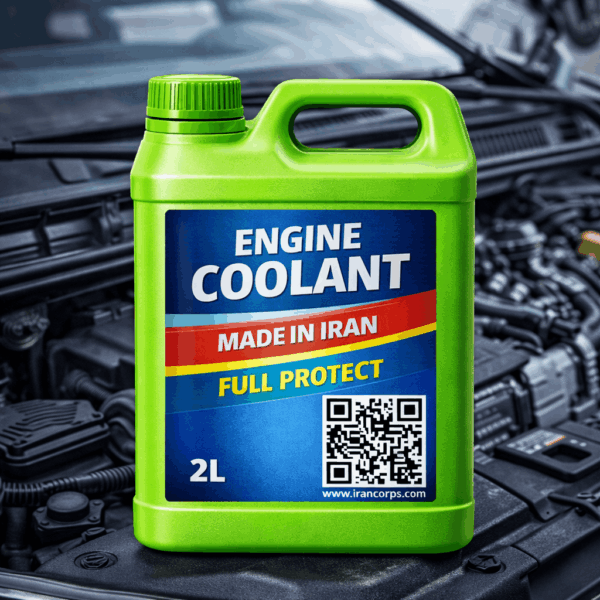
Engine Coolant
Engine coolant is manufactured through a controlled blending process where high-purity glycol is mixed with demineralized water and selected chemical additives under precise temperature and quality control conditions to achieve excellent thermal stability and long service life. Ethylene Glycol Coolant is widely used in passenger cars, trucks, buses, agricultural machinery, and industrial engines because of its superior heat transfer properties and excellent antifreeze performance, while Propylene Glycol Coolant is preferred for applications requiring lower toxicity, including food processing equipment, environmentally sensitive areas, and specialized machinery. Commercial packaging sizes include 250 ml, 500 ml, 1 liter, 4 liters, 5 liters, 10 liters, 20 liters, 200 liters drums, and IBC tanks of 1000 liters, suitable for retail markets, automotive workshops, industrial users, and bulk international export shipments. Different coolant concentrations such as 30%, 40%, 50%, 60%, and customized formulations are selected according to climate conditions and engine requirements.
High-quality Engine Coolant provides excellent protection against rust, corrosion, cavitation, scaling, and electrolysis while maintaining stable performance under extreme operating temperatures. The product improves engine efficiency by maintaining the optimum temperature range, extending radiator and cooling system life, and reducing maintenance costs. Engine coolant is widely applied in automobiles, heavy-duty vehicles, diesel engines, generators, construction machinery, mining equipment, marine engines, agricultural equipment, and industrial cooling systems. Premium coolant formulations are compatible with aluminum, cast iron, steel, copper, and brass components and offer extended drain intervals with reliable year-round protection. The main advantages of Engine Coolant include excellent heat transfer capability, high boiling point protection, low freezing point protection, corrosion resistance, anti-foam performance, compatibility with modern engine materials, and long-term cooling system reliability, making it an essential product for automotive and industrial applications worldwide.
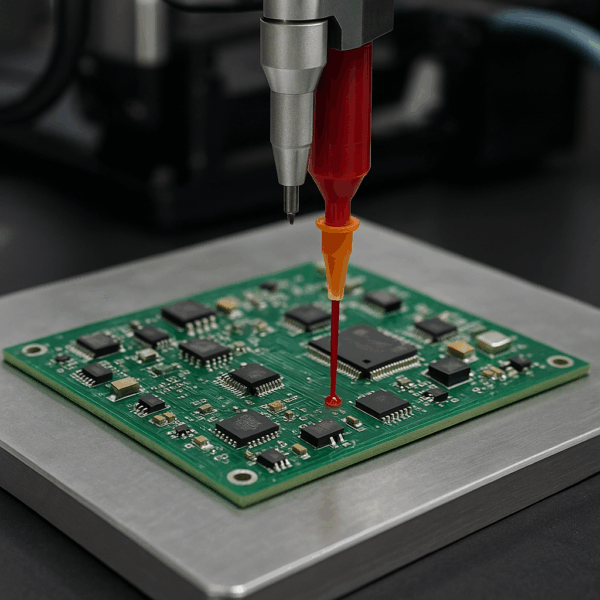
Epoxy Adhesives-One Component
Most one-part systems require a temperature of 125°C to 150°C for curing. They fall into three categories based on temperature and curing time: conventional, fast and snap curing. Meanwhile Low temperature heat cure (80°- 100°C) one component epoxy systems are available. For UV light curing epoxies, the reaction is activated by a suitable light source at the proper intensity and wavelength. This type of systems offers fast cure speeds and lower energy consumption.
It must be mentioned that specific grades vary in viscosity, cure speed, chemical resistance and electrical properties, but can be custom formulated to meet your application needs. Our wide range of one component systems can be used for bonding, sealing, coating, potting, encapsulation and impregnation applications. These grades offer:
- High temperature resistance
- Cryogenic serviceability
- Electrical conductivity or insulation
- Optical clarity
- Thermal conductivity
- Flexibility and toughness
- High bond strength to similar and dissimilar substrates
Innovations in one-part epoxy adhesives are creating more diverse portfolios, with formulations that cure at lower temperatures for greater flexibility and impact resistance. These innovative chemistries are also more conducive to bonding engineered plastics, leading to applications spanning from consumer electronics to military and aerospace.
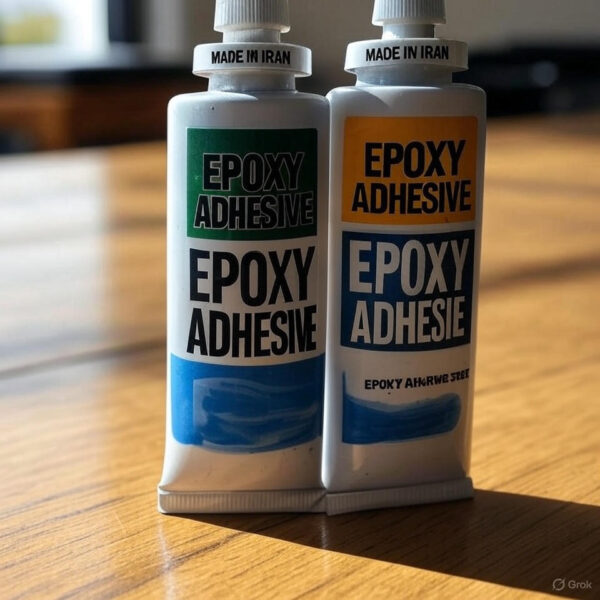
Epoxy Glue , Two Components
Covalent bonds between the epoxide groups of the resin and the amine groups of the hardener (catalyst) that arise from this combination afford for the cross-linkage of the polymer, and thereby dictate the rigidity and strength of the epoxy. catalyzation of two component epoxy systems occurs at ambient temperatures and can be accelerated by heat. Epoxy is highly versatile and extremely strong, making it perfect for DIY projects. It is also a gap-filler, which makes it perfect for reconstructions. On top of that, epoxy can be sanded, drilled and painted. This gives it a much wider range of uses than standard glue. Two component epoxy systems are suitable for bonding most surfaces. They are considered highly stable due to their ability to withstand a constant weight or force over an extended period of time, as well as their resistance to physical and chemical influences.
In addition their powerful ability to withstand a constant weight or force over an extended period of time, as well as their superb resistance to physical and chemical influences, make two-component epoxies a highly stable product. They are extremely versatile, and can be used for bonding, sealing, coating and encapsulation across many industries including but not limited to electronics, medical devices and aerospace. Special formulations are also flame retardant, cryogenically serviceable, fast curing, high temperature resistant and more.
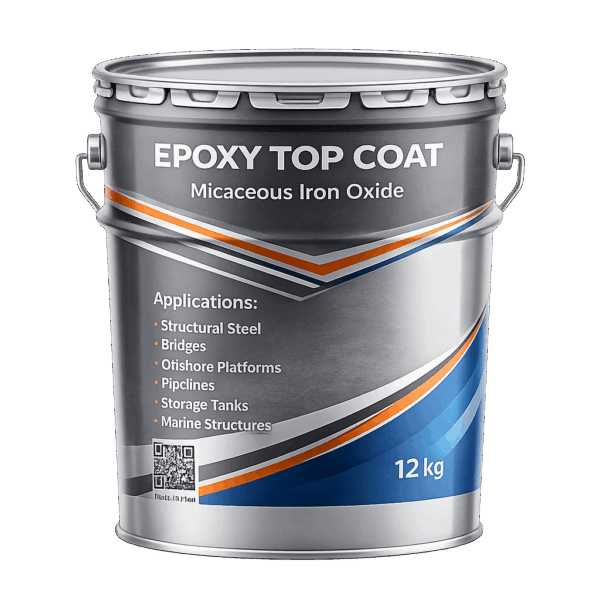
Epoxy MIO Top Coat
Epoxy MIO Top coat paints are available in standard epoxy MIO, high-build epoxy MIO, and surface-tolerant grades, depending on project specifications and exposure conditions. Typical applications include structural steel, bridges, offshore platforms, oil & gas facilities, storage tanks, marine structures, power plants, and industrial steel frameworks. Key specifications include high solids content, excellent adhesion, low water vapor permeability, and strong resistance to abrasion, weathering, and chemicals. The lamellar structure of MIO pigments creates an overlapping barrier effect that significantly reduces moisture and oxygen penetration. Major advantages include enhanced corrosion resistance, improved crack resistance, excellent intercoat adhesion, and compatibility with epoxy primers and polyurethane or epoxy finish coats.
Epoxy MIO Top Coat paints are supplied as two-component systems (base + hardener) and are available in 12 kg and 20–25 kg metal pails, as well as 200 kg drums and IBC containers for large industrial projects. Export packaging includes palletized and shrink-wrapped units suitable for international shipment. Epoxy MIO Top Coat paints are a preferred solution for infrastructure, marine, and energy projects requiring high-performance, specification-compliant corrosion protection systems.
Epoxy Paint Thinner
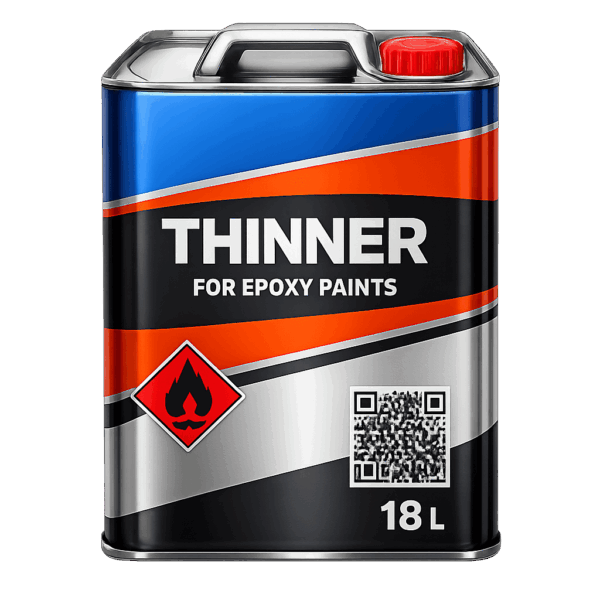
Epoxy paint thinner improves spray atomization and surface leveling, resulting in a uniform and defect-free finish. Its controlled evaporation rate allows sufficient working time for proper film formation. The thinner enhances wetting and penetration of epoxy coatings on steel, concrete, and previously coated surfaces. It helps reduce common application issues such as pinholes, sagging, and uneven film thickness. Epoxy paint thinner supports consistent curing and drying behavior under various environmental conditions. It is compatible with a wide range of solvent-based epoxy primers, intermediate coats, and top coats. The formulation maintains adhesion, chemical resistance, and mechanical strength of the cured coating. It improves application efficiency and reduces labor time on site. Easy blending ensures stable and predictable performance. The product meets common industrial quality requirements. It is suitable for heavy-duty and protective coating systems. It supports reliable results in demanding environments.
Typical applications include thinning epoxy primers, epoxy interlayers, and epoxy top coats used in industrial and marine projects. Epoxy paint thinner is widely used in steel structures, storage tanks, pipelines, floors, and industrial equipment. It is suitable for spray, roller, and brush application methods. Proper use helps improve coverage and reduce material waste. The product supports consistent coating quality in large-scale projects. Available in various packaging sizes for commercial and export supply. Epoxy paint thinner offers an optimal balance of performance and cost efficiency. It remains a trusted solution for high-quality epoxy coating applications.
Epoxy Paints
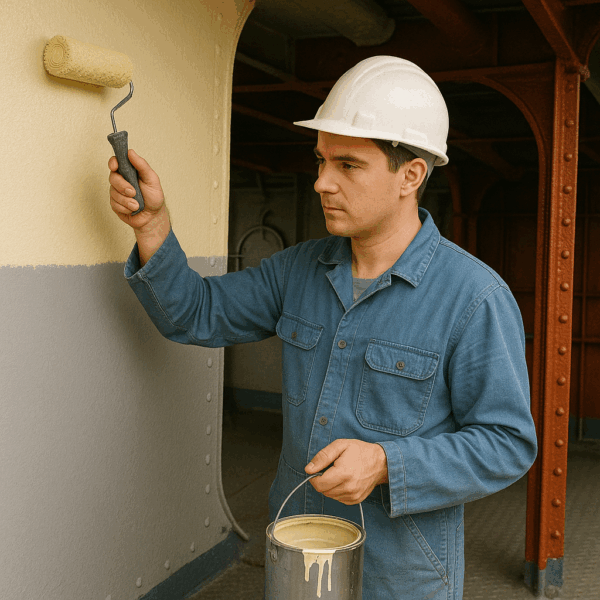
The combination of acrylic and epoxy creates a paint that stands up to heavy use and resists common stains. Epoxy paints can made in varying ratios of the carrying agent to epoxy, with paints that have a higher epoxy content being more durable. Industrial epoxy paints offer superior performance, hardness, and a long lifespan. They have excellent resistance to a wide range of elements and are ideal for a variety of applications that require a very durable coating. Epoxy paints ca show very good Abrasion and impact resistance , Excellent adhesion Excellent flexibility and Superior barrier coat protection.
Epoxy paints can be used for Industrial Maintenance , Off-Shore Structures , Concrete Floors , Machinery & Equipment and Civil Engineering Projects. Epoxy paint can be made in a wide array of hues and unique mixes, including metallics, that spice up a garage, workshop, or a floor in a bathroom or sauna.