

 Arabic
shop
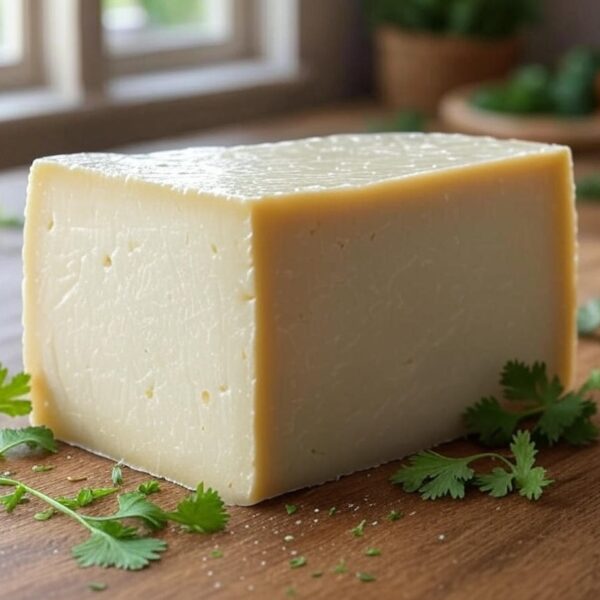
Cotija Cheese
Cotija Cheese as a white , hard, crumbly Mexican cheese begins as mild and salty, and becomes tangier as it ages. it doesn’t melt, so it’s used for grating on soups, tacos, tostadas, and as a hispanic-style cheese similar to feta.
Crumble and sprinkle over cooked dishes, soups, beans and salads. also called queso anejo (aged cheese). some types may be very dry and hard.
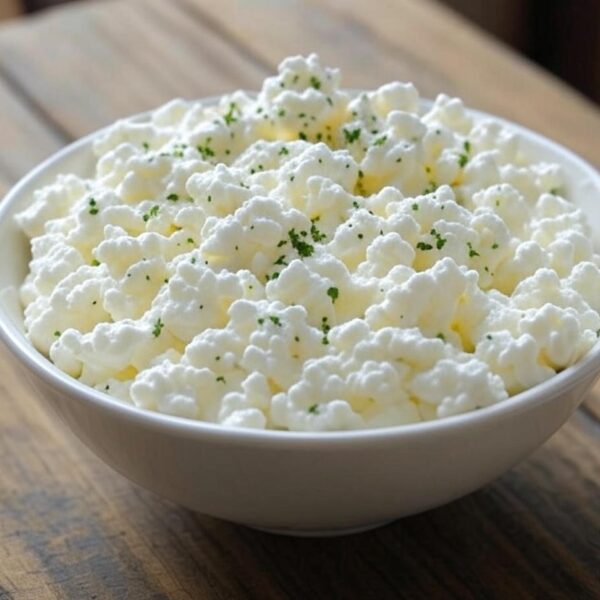
Cottage cheese
Cottage cheese or Farmer’s cheese is white ,Soft and moist with large or small curds made when curds are separated from the whey, and unlike other kinds of cheeses, it isn’t pressed so it remains creamy and lumpy so some whey remains and retains moisture. The curd is generally washed to remove the acidity. It is made from different types of milk with different fat levels.
It can be eaten on its own, with fruit, on toast, or in salads. May be flavored, as with chives. Also good in cooked foods or blended for dips. Low-fat and nonfat types available.
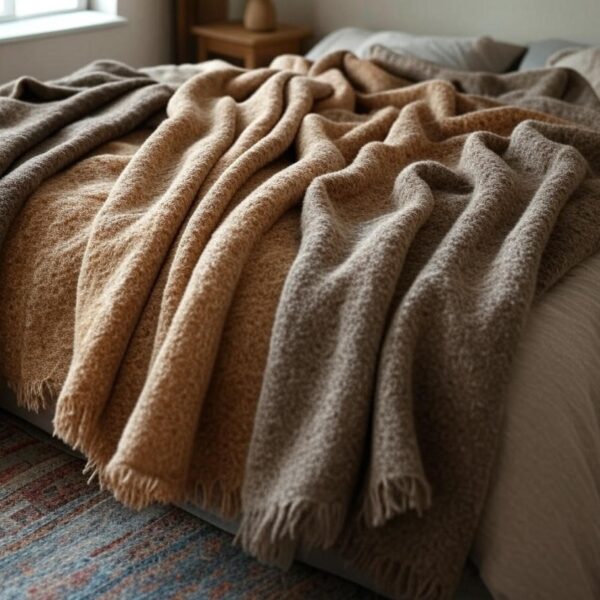
Cotton Blanket
Cotton Blankets offer a range of benefits, making them a popular choice for bedding and other uses. Here are some of the key advantages of cotton blankets:
- Softness and Comfort: Cotton is known for its softness and breathability, making cotton blankets incredibly comfortable to sleep under. The natural fibers of cotton allow for better airflow, helping to regulate body temperature and keep users cool and comfortable throughout the night.
- Durability: Cotton blankets are durable and long-lasting, able to withstand regular washing and use without losing their shape or quality. High-quality cotton fibers are less prone to pilling and fraying, ensuring that cotton blankets maintain their appearance and performance over time.
- Versatility: Cotton blankets come in a variety of weights and thicknesses, making them suitable for use year-round. Lightweight cotton blankets are perfect for summer or warmer climates, while heavier cotton blankets provide extra warmth during the colder months.
- Hypoallergenic: Cotton is naturally hypoallergenic, making it an excellent choice for individuals with sensitive skin or allergies. Cotton blankets are less likely to cause irritation or allergic reactions compared to blankets made from synthetic fibers or wool.
Cotton blankets have a rich history and continue to be valued for their comfort, durability, and versatility. From ancient civilizations to modern-day households, cotton blankets have remained a timeless essential, providing warmth and comfort to people around the world. Whether used for bedding, picnics, or as decorative throws, cotton blankets offer a blend of practicality and luxury that is unmatched by other materials.

Cotton Fabric Glove
cotton glove protects hands from rough surfaces and minor abrasions and can safeguard against minor temperature changes such as those in refrigerated warehouses.
cotton gloves are used when handling materials that could become damaged from the oils on human skin. They are also sometimes called liners and are worn beneath other gloves.
These gloves are thin, breathable, and Cotton gloves are made from lightweight, breathable materials would be best used in an assembly line setting , general warehouse work as these gloves are ideal for keeping hands clean and they offer protection against scrapes, abrasions, and increased grip, making them suitable for general warehouse work, landscaping, general maintenance, and light automotive tasks.
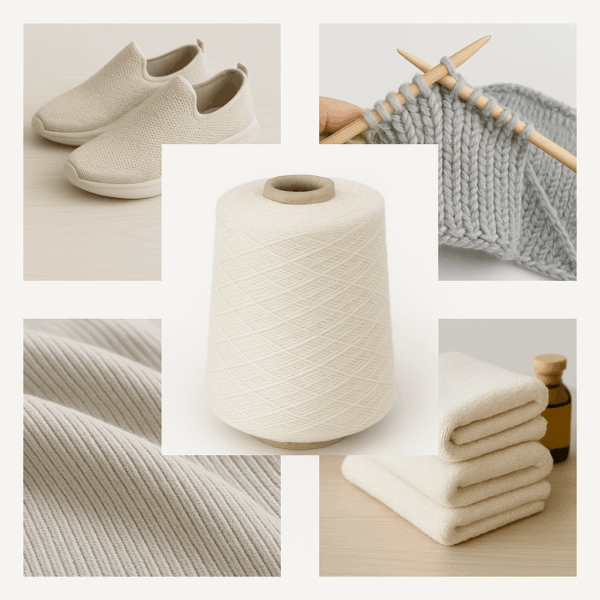
Cotton Nylon Blend Yarn
Cotton blends are an ideal blend yarn to apply heavy fibers on the surface, making it very easy to wash and dry quickly. As a result, cotton blends are ideal blend yarn to make garments that are soft and warm to touch. While cotton blends are well used in making, knit, and knitted fabric, garments. Cotton nylon blend yarns are designed to be weaved in a way that increases the surface area. When it comes to cotton nylon yarn, it is important to consider washing, threads, and threads to maintain the yarn. Nylon is meant to add strength, smoothness and it is wrinkle resistant. Cotton when blended with nylon to give it more stretch and durability. The blend makes it suitable for warp yarns in durable fabrics with antistatic properties, which can be dyed.
Cotton-Nylon blends are used to make bed sheets, AC comforters, curtains, and denim. What makes nylon-cotton blend so well-suited to textile industry is the combining of the best that each of the two base fibres offers. Nylon brings to the mix its great durability and more, while cotton brings comfort plus other excellent qualities.
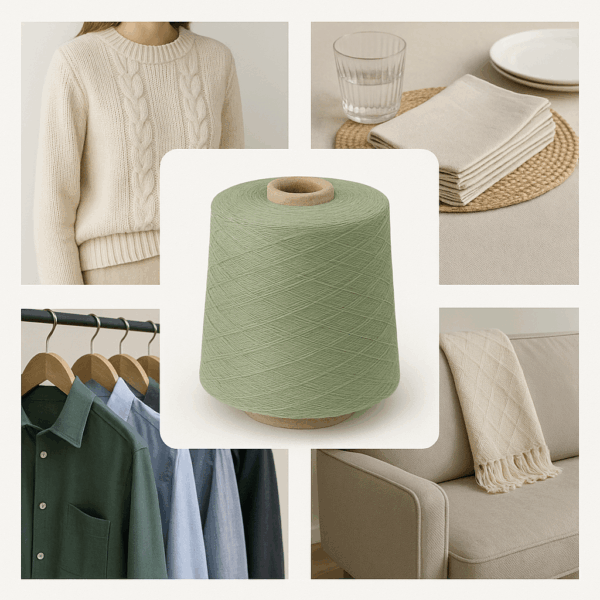
Cotton Viscose Blended Yarn
This yarn is the amalgamation of cotton’s comfort and viscose’s sheen. It’s more breathable than synthetic yarn, making it ideal for warm climates. Its absorption capability is commendable, ensuring sweat-free experiences for wearers. Additionally, its draping quality makes it a sought-after choice for fashion designers. The aesthetic appeal, coupled with its functional benefits, marks it a winner in the textile segment.
Applications for Cotton Viscose Yarn:
- In Clothing and Fashion: From elegant evening gowns to casual T-shirts, cotton viscose yarn lends itself beautifully to various fashion garments. Its softness and drape make it a favorite among fashion designers.
- Home Textiles: Beyond clothing, cotton viscose is also prominent in home textiles. Its luxurious feel makes it perfect for curtains, bed linens, and upholstery, adding a touch of sophistication to interiors.
- Specialty Products and Crafts: The yarn’s adaptability doesn’t end with mainstream textiles. It’s also used in specialty products like scarves, shawls, and even in crafts. For those interested in crafting, understanding the right yarn for specific projects
Cotton Viscose fiber has low thermal conductivity and light texture, so it is close to wool fibers, making the yarns have a good thermal insulation effect.
Cotton and viscose yarns are commonly blended in various proportions to achieve different textures and properties. Here are some typical blend ratios:
- 55% Cotton / 45% Viscose
- 65% Cotton / 35% Viscose
- 70% Cotton / 30% Viscose
- 85% Cotton / 15% Viscose
These blends combine the softness and breathability of cotton with the smoothness and sheen of viscose, making them suitable for a variety of knitting and weaving projects.
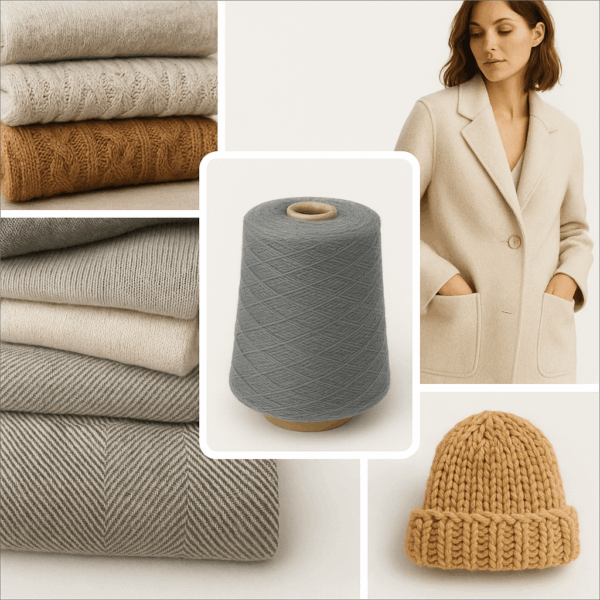
Cotton Wool Bend Yarn
Advantages of cotton wool blend yarns :
- Versatility and Comfort: Wool-cotton blends are praised for being versatile and comfortable. Cotton adds breathability and softness, while the wool provides warmth and elasticity.
- Durability and Care: These blends are generally durable and easier to care for compared to pure wool. They are often machine washable on a delicate cycle, but it’s always best to check the specific care instructions on the yarn label.
- Texture and Feel: Reviews highlight that wool-cotton blends feel smooth and soft, yet sturdy. The wool component prevents the yarn from being too heavy and adds some elasticity, which helps the finished product maintain its shape.
- Color and Appearance: Some blends, like the Katia Cotton-Merino, have a unique visual appeal due to the way the fibers are dyed. The wool fibers are dyed while the cotton remains undyed, creating a beautiful two-tone effect.
The advantages of using cotton wool blend yarn are manifold. This type of yarn inherits the breathability and hypoallergenic nature of cotton, coupled with the insulating and moisture-wicking capabilities of wool. The merino cotton blend yarn exemplifies this synergy, offering a fabric that is comfortable in a range of climates. For those who prioritize ease of care, cotton blend 8 ply yarns are noteworthy for their machine-washable qualities, making them a practical choice for daily use items.
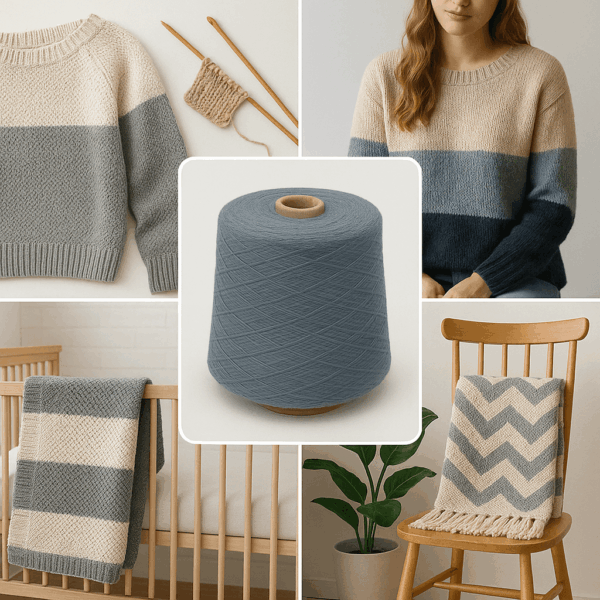
Cotton-Acrylic Blend Yarns
Benefits of Cotton Acrylic Blends
- Breathability: Cotton is a natural fiber known for its breathability. While acrylic is not considered breathable, it retains a respectable level of breathability when blended with cotton.
- Durability: One of the advantages of a cotton acrylic blend is its greater durability. Acrylic fibers are stronger and more resistant to wear. As a result, this combination is appropriate for clothing that requires durability and increased abrasion resistance.
- Softness: Cotton and acrylic fibers have different textural properties. Therefore, the combination results in a soft and comfy fabric.
- Moisture Absorption: Cotton is well-known for its capacity to absorb a significant amount of moisture. Acrylic, on the other hand, may wick away moisture. The cotton acrylic blend has well-balanced moisture absorption properties.
- Warmth: Cotton provides some warmth, but when combined with acrylic, it provides greater thermal insulation. The presence of acrylic in the blend boosts the fabric’s warmth, making it suitable for cold-weather clothing.
A cotton acrylic blend fabric combines the benefits of both cotton and acrylic. This blend is so affordable and this blend is lighter overall and dries more quickly than 100% cotton. Typically, the common blend ratio is:
- 50% cotton and 50% acrylic
- 60% cotton and 40% acrylic
- 75% cotton and 25% acrylic
However, other blends are also available.
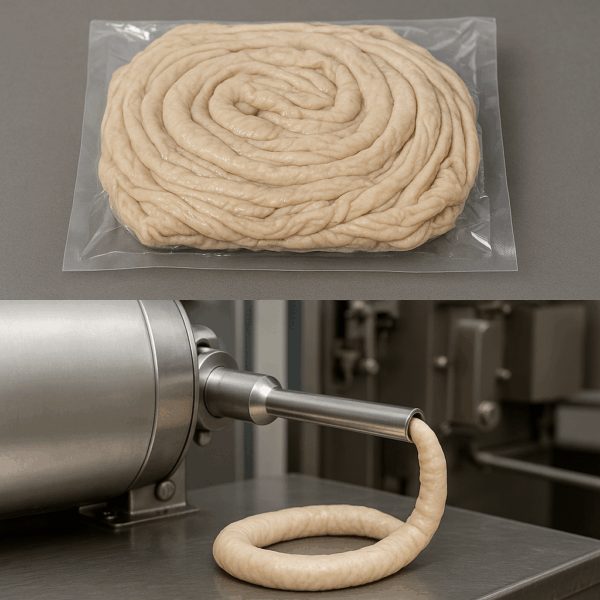
Cow Intestine
Industrial-grade cow intestines are categorized into several types, including salted casings, dried casings, cleaned wet intestines, collagen-rich segments, and by-products used for gelatin, peptone, and pharmaceutical enzyme extraction. These materials are essential for the production of surgical sutures, bio-membranes, laboratory culture media, pet food additives, and organic fertilizers. In the food industry, cow intestine is valued for natural casings that offer high tensile strength and excellent heat stability. In cosmetics and nutraceutical manufacturing, collagen extracted from cow intestine supports the development of beauty supplements, skincare formulations, and protein-based ingredients. Industrial processors also use intestine tissues to create chondroitin sulfate, heparin, and enzymatic derivatives for medical and veterinary applications. The consistent supply chain, ease of storage, and cost-effectiveness increase its commercial demand globally.
Availability, biodegradability, and versatile processing options of Cow Intestines make it a preferred choice for B2B buyers seeking consistent quality. Packaging options typically include salted barrels, vacuum-sealed bags, frozen blocks, and bulk food-grade containers, depending on the required moisture level and export destination. Standard packing sizes are 25 kg, 50 kg, and 100 kg, with private labeling and export documentation available for international buyers. We offer customizable grades based on cleanliness, tensile strength, length, and intended industrial usage. With stable sourcing, competitive pricing, and strong quality-control systems, cow intestine products remain a strategic raw material for manufacturers.
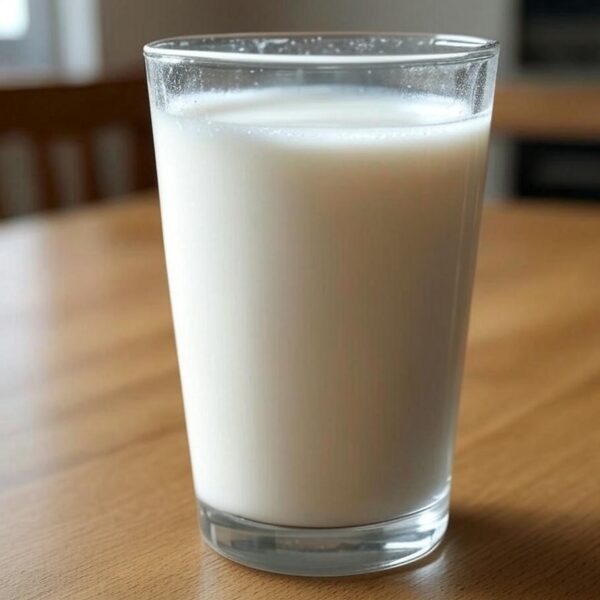
Cow Liquid Milk
Following types of Cow milks is different packages are available :
Whole milk is cow’s milk that retains its natural fat content. Whole milk contains around 3.25% fat and is thicker than other varieties of cow’s milk. Whole milk contains essential nutrients like protein, carbohydrates, and calcium.
2% Reduced fat Milk , Reduced-fat milk retains 2% of its fat.
Low-fat milk or 1% milk contains all the protein, vitamins and minerals that whole milk contains, but it has less total fat as well as saturated fat.
Skim milk, also known as fat-free or non fat-milk, contains about up to 0.5% milk fat.
Organic Milk has a slightly higher concentration of vitamin E, omega-3 and omega-6,
Grass-fed milk comes from cows that are fed fresh grass and other forage rather than a more concentrated grain-based feed.
Lactose-free milk is made by adding lactase to regular cow’s milk, breaking lactose down into its 2 simple sugars, glucose and galactose, making it easier to digest.
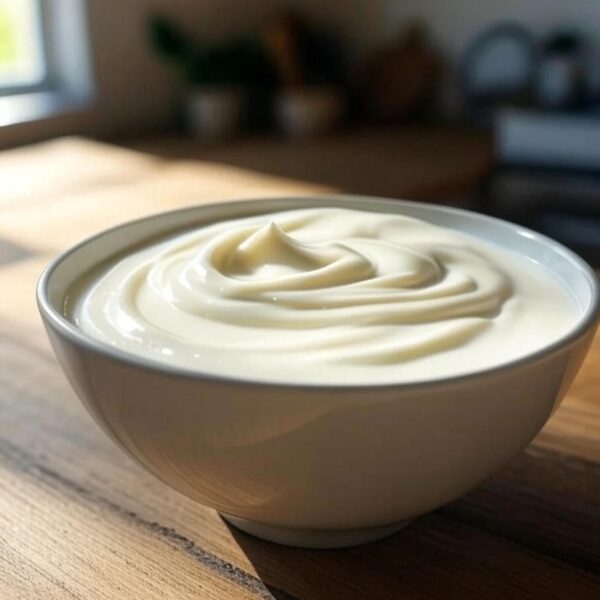
Cow Milk Cream
Available types of Cow Milk Cream :
Extra light (or ‘lite’) 12–12.5%
Light (or ‘lite’) 18–20%
Thickened cream 35–36.5% Cream with added gelatine and/or other thickeners to give the cream a thicker texture, also possibly with stabilisers to aid the consistency of whipped cream. Such cream would not typically be used for cooking
Cream >= 35% Recipes calling for cream are usually referring to pure cream with about 35% fat. This is used for cooking as well as for pouring and whipping.
Double cream 48–60%
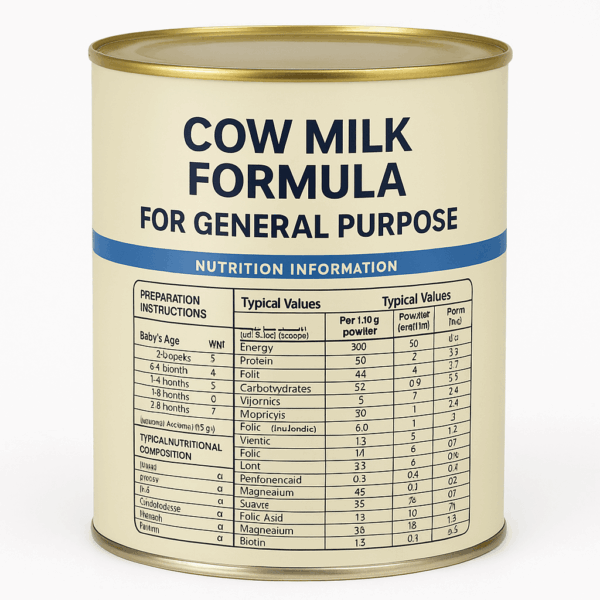
Cow Powder Milk Formulas
Cow-milk-based formulas are fortified with vegetable oils, vitamins, minerals, and iron to meet the nutritional needs of healthy full-term infants. For babies under 12 months of age, cow’s milk-based baby formula is recommended , all baby formula has added minerals, vitamins, and fats that babies need and can’t get from straight cow’s milk .Babies can’t digest cow’s milk as easily or completely as breastmilk or formula , since the protein level in cow’s milk is too high for babies – in formula some of this protein has been taken out. Casein and whey are the proteins in breast milk, and cow’s milk formula has the same proteins.