Your gateway to numerous Iranian top exporters
Create one request and get multiple quotes from verified suppliers. 100% free.
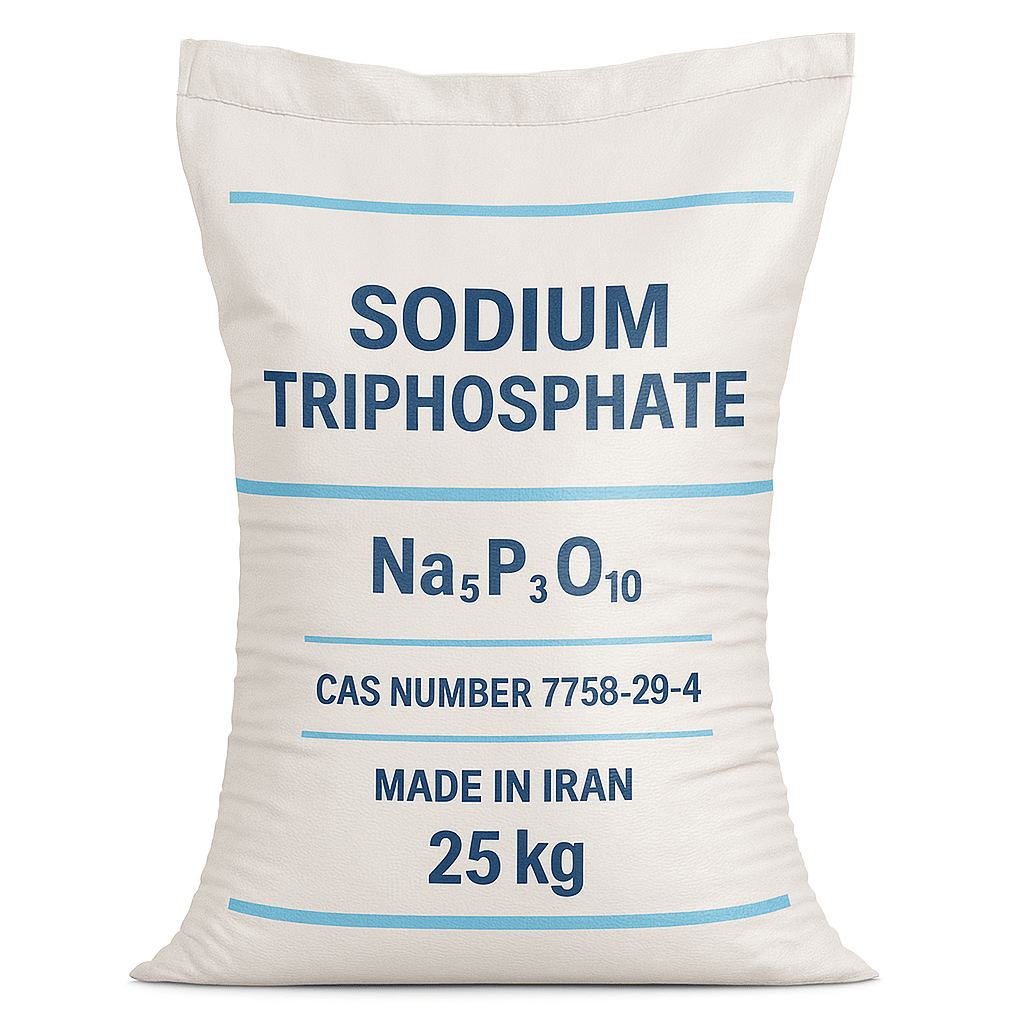
Sodium Triphosphate
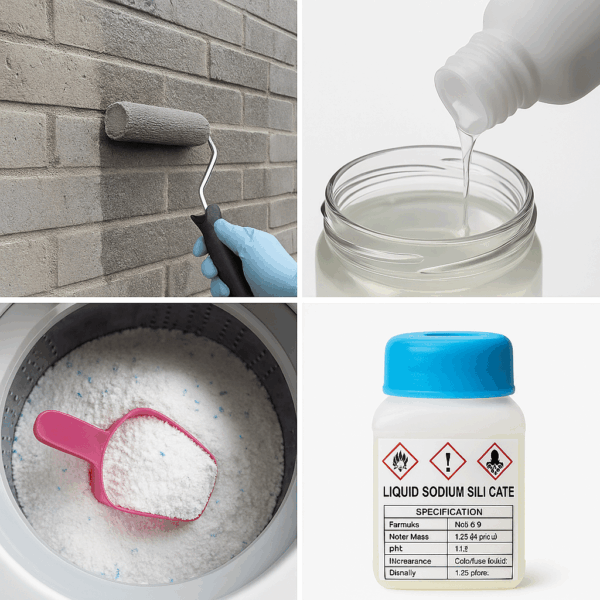
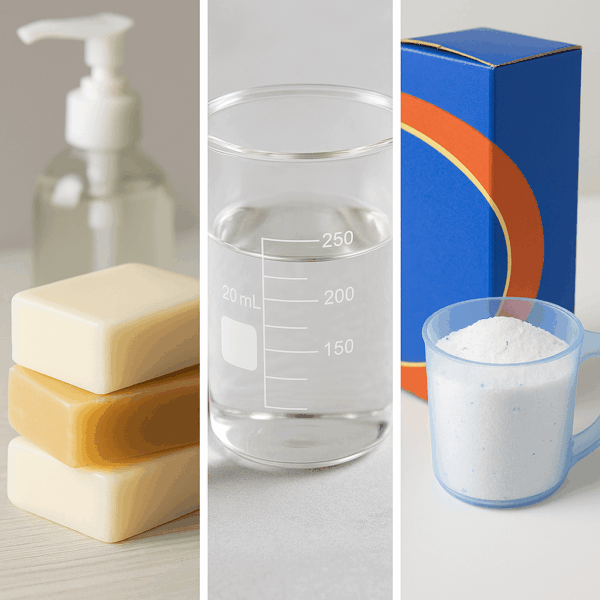
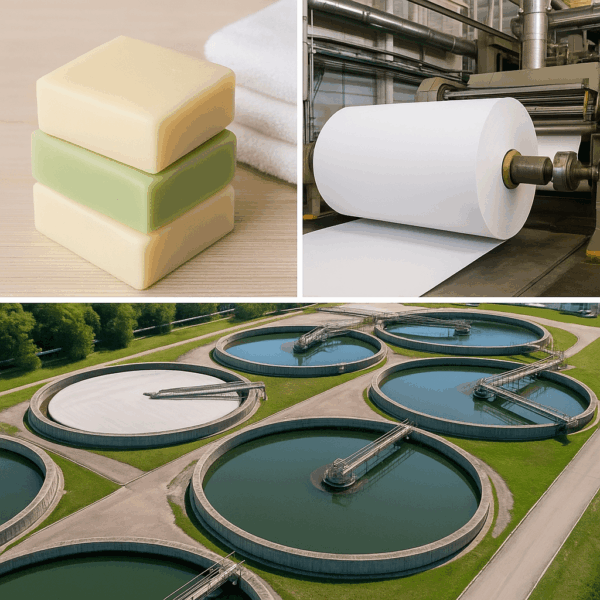
Sodium Triphosphate, also widely known as Sodium Tripolyphosphate (STPP), is a high-performance inorganic phosphate with the chemical formula Na₅P₃O₁₀ and CAS No. 7758-29-4, extensively used as a functional raw material in a wide range of manufacturing industries. This versatile white, free-flowing powder or granular product is characterized by its excellent water solubility, strong sequestration capacity, buffering properties and effective dispersing performance, making it an important ingredient for manufacturers of detergents, ceramics, food products, water-treatment chemicals and various industrial formulations. In detergent manufacturing, Sodium Tripolyphosphate acts primarily as a builder and water-softening agent by binding calcium and magnesium ions, thereby improving the performance of surfactants and enhancing cleaning efficiency, particularly in hard water. In the ceramic industry, STPP is valued for its powerful deflocculating and dispersing properties, which help improve the fluidity and stability of ceramic slurries while supporting efficient processing and reducing excessive water requirements. It is also used in selected water-treatment and industrial applications where sequestration, mineral-ion control, buffering and dispersion are required. Food-grade Sodium Tripolyphosphate, where permitted by applicable regulations, is used in meat, poultry, seafood and other food-processing applications because of its ability to support water retention, texture management, emulsification and processing yield. The production of Sodium Tripolyphosphate generally begins with carefully controlled phosphate raw materials, particularly purified phosphoric acid and sodium-based compounds, which are reacted to form phosphate intermediates before undergoing controlled thermal condensation and polymerization. Following this stage, the resulting STPP is cooled, dried and processed through milling, screening or classification equipment to obtain the desired particle size, bulk density and physical characteristics. Throughout the manufacturing process, parameters such as chemical composition, moisture, phase characteristics, solubility, particle size, bulk density and product purity can be carefully monitored to produce a consistent material suitable for different industrial and commercial applications.

Sodium Triphosphate is available in several grades and physical forms, allowing manufacturers to select the most appropriate product according to their production process and final application. Industrial or technical-grade STPP is commonly supplied for detergent powders, industrial cleaning products, ceramics, pigments, water-treatment formulations and other technical applications, while food-grade Sodium Tripolyphosphate is produced and documented for food-processing applications in accordance with the applicable requirements of the target market. Depending on the customer’s manufacturing process, STPP may be offered as light powder, dense powder or granular material, with physical properties selected to provide the required dissolution, hydration, handling and mixing performance. Detergent manufacturers may require a specific phase composition, hydration behavior and particle-size distribution to ensure optimum performance during formulation and spray-drying or blending operations, whereas ceramic manufacturers generally focus on dispersing efficiency, slurry stability and deflocculation performance. For food-processing applications, particular attention should be given to product purity, regulatory compliance and permitted application levels in the destination market.
The principal advantages of Sodium Tripolyphosphate include excellent water solubility, strong calcium and magnesium sequestration, effective dispersion, buffering capacity, formulation versatility and reliable performance across a broad range of manufacturing processes. These characteristics have made STPP an established phosphate raw material for large-scale industrial production and international trade. For wholesale and export buyers, selecting the appropriate grade is particularly important because differences in purity, phase composition, particle size, hydration rate and bulk density can directly influence the performance of the finished formulation. Buyers can therefore specify their required application, technical parameters, grade and physical form when requesting a quotation, enabling the supplier to provide the most suitable product for their manufacturing requirements. Export shipments can be supplied with appropriate technical documentation, including a Certificate of Analysis (COA), Safety Data Sheet (SDS/MSDS) and product specification, subject to the requirements of the order and destination country.
![]() |
This is general specification for your special specs please contact us.
IF YOU ARE WILLING TO BUY SODIUM TRIPHOSPHATE FROM VERIFIED IRANIAN SUPPLIERS, PLEASE SCROLL DOWN AND SUBMIT YOUR REQUEST. |
You must be logged in to post a review.
Request for Quotes
- Only relevant suppliers
- Data privacy compliant
- Easy and 100% free
Arabic

Reviews
Clear filtersThere are no reviews yet.