Your gateway to numerous Iranian top exporters

Create one request and get multiple quotes from verified suppliers. 100% free.

Gas Condensate

Gas Condensate is a valuable hydrocarbon liquid recovered from natural gas production and processing streams, consisting mainly of light hydrocarbons in the C5+ range with varying amounts of C6, C7, C8 and heavier components. It is typically clear to light amber in appearance and is characterized by high volatility, low viscosity and a relatively high API gravity. Gas condensate is commercially important because of its suitability as a refinery feedstock, blending component and source of valuable light hydrocarbons. The exact composition and quality of gas condensate depend strongly on the geological characteristics of the gas reservoir and the processing conditions used at the production facility.

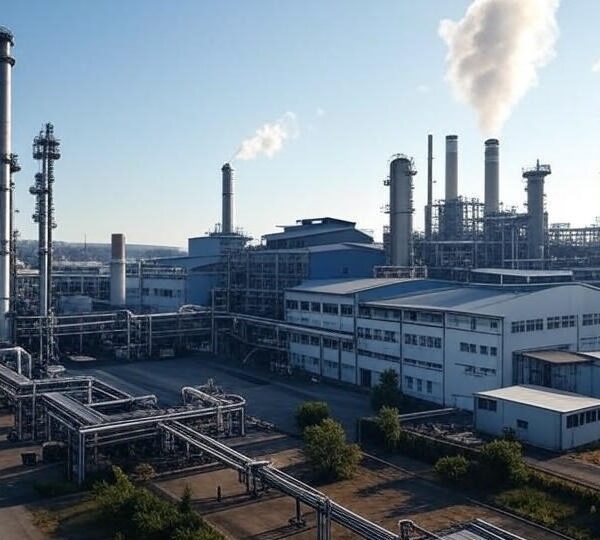
Gas condensate is generally obtained when reservoir fluids are brought to the surface and pressure and temperature conditions cause heavier hydrocarbons to separate from the natural gas stream. At the wellhead or gas processing plant, the production stream passes through separators where gas, condensate and produced water are separated. Further stabilization, dehydration and treatment may be carried out to reduce light-end hydrocarbons, water, hydrogen sulfide and other impurities. Commercial gas condensate may be supplied as unstabilized condensate, stabilized condensate, field condensate or lease condensate, depending on its origin and processing level. Stabilized grades normally have controlled vapor pressure and are more suitable for transportation, storage and refinery use.
Typical commercial specifications include API gravity, density, Reid Vapor Pressure (RVP), sulfur content, water and sediment, BS&W, distillation range, acidity, vapor pressure and hydrocarbon composition. Depending on its composition, gas condensate can be used as a refinery feedstock for producing gasoline-range products, naphtha, kerosene and other petroleum fractions, or as a blending component for crude oil and refined products. It is also used as a source of light hydrocarbons and petrochemical feedstock after appropriate fractionation. Because gas condensate is highly volatile and flammable, commercial transportation and storage are normally carried out in approved bulk liquid hydrocarbon systems, including road tankers, rail tank cars, storage tanks, barges and ISO tank containers where applicable. Export specifications, loading procedures and packaging formats are normally agreed according to the buyer’s required quality, destination regulations and terminal facilities.

 

Gas Condensate
Parameter Typical Commercial Specification
Product Name Gas Condensate
Main Hydrocarbon Range Predominantly C5+ hydrocarbons
Appearance Clear to light amber liquid
API Gravity Typically high, often above 40° API
Density at 15°C Approximately 0.65–0.82 g/cm³
Sulfur Content Depends on source; commonly specified by contract
RVP Controlled according to grade and transportation requirements
Water & Sediment Low; buyer-specific specification
BS&W Typically controlled to a low commercial level
Distillation Range Primarily light and middle hydrocarbon fractions
H₂S Content Controlled according to safety and contractual requirements
Commercial Packaging Bulk tanker, storage tank, rail tanker, vessel or ISO tank where applicable


IF YOU ARE WILLING TO BUY GAS CONDENSATE   FROM IRANIAN SUPPLIERS, PLEASE SCROLL DOWN AND SUBMIT YOUR REQUEST.

0 reviews
0
0
0
0
0

There are no reviews yet.

Be the first to review “Gas Condensate”

FAQ Gas Condensate

Gas condensate is mainly used as a refinery feedstock, blending component and source of light hydrocarbons for gasoline, naphtha and petrochemical production.
Stabilized gas condensate has undergone additional processing to remove a portion of highly volatile components and achieve a controlled vapor pressure, making it more suitable for storage and transportation.
Important parameters include API gravity, density, sulfur, RVP, water and sediment, BS&W, distillation characteristics, H₂S and detailed hydrocarbon composition.
Gas condensate is recovered when hydrocarbons separate from natural gas as pressure and temperature conditions change during production, followed by separation and, when required, stabilization and treatment.
Gas condensate is normally transported in bulk using suitable road tankers, rail tank cars, vessels, storage tanks or ISO tank containers, depending on the grade, destination and applicable regulations.
You can find and connect with suitable Iranian suppliers through Irancorps, a B2B platform for connecting buyers with Iranian suppliers.

Request for Quotes

Create one request and get multiple quotes from verified suppliers.