

 Arabic
I
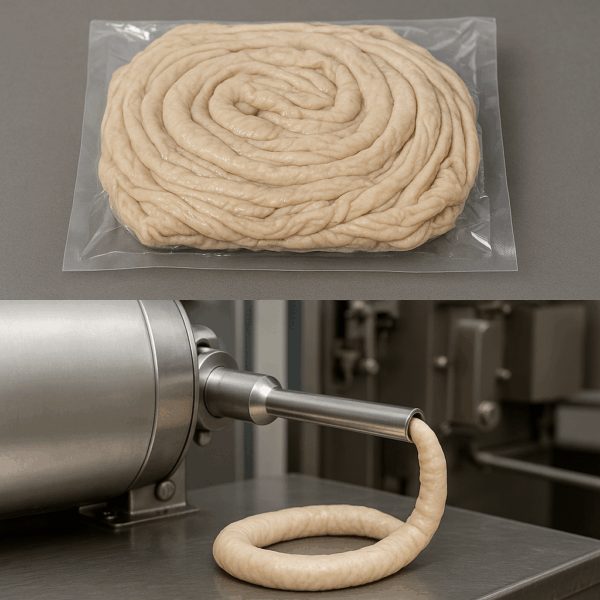
Cow Intestine
Industrial-grade cow intestines are categorized into several types, including salted casings, dried casings, cleaned wet intestines, collagen-rich segments, and by-products used for gelatin, peptone, and pharmaceutical enzyme extraction. These materials are essential for the production of surgical sutures, bio-membranes, laboratory culture media, pet food additives, and organic fertilizers. In the food industry, cow intestine is valued for natural casings that offer high tensile strength and excellent heat stability. In cosmetics and nutraceutical manufacturing, collagen extracted from cow intestine supports the development of beauty supplements, skincare formulations, and protein-based ingredients. Industrial processors also use intestine tissues to create chondroitin sulfate, heparin, and enzymatic derivatives for medical and veterinary applications. The consistent supply chain, ease of storage, and cost-effectiveness increase its commercial demand globally.
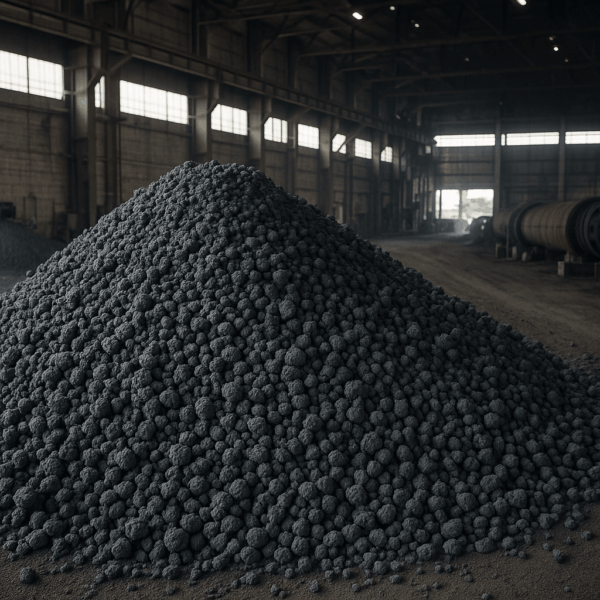
Direct Reduce Iron (Sponge Iron)
Direct reduction processes will remove the oxygen contained in various forms of iron ore (sized ore, concentrates, pellets, mill scale, furnace dust, etc.), in order to convert the ore to metallic iron, without melting it (below 1,200 °C (2,190 °F)). Direct-reduced iron has about the same iron content as pig iron, typically 90–94% total iron (depending on the quality of the raw ore) so it is an excellent feedstock for the electric furnaces used by mini mills, allowing them to use lower grades of scrap for the rest of the charge or to produce higher grades of steel. Sponge iron is not useful by itself, but can be processed to create wrought iron or steel. The sponge is removed from the furnace, called a bloomery, and repeatedly beaten with heavy hammers and folded over to remove the slag, oxidize any carbon or carbide, and weld the iron together.
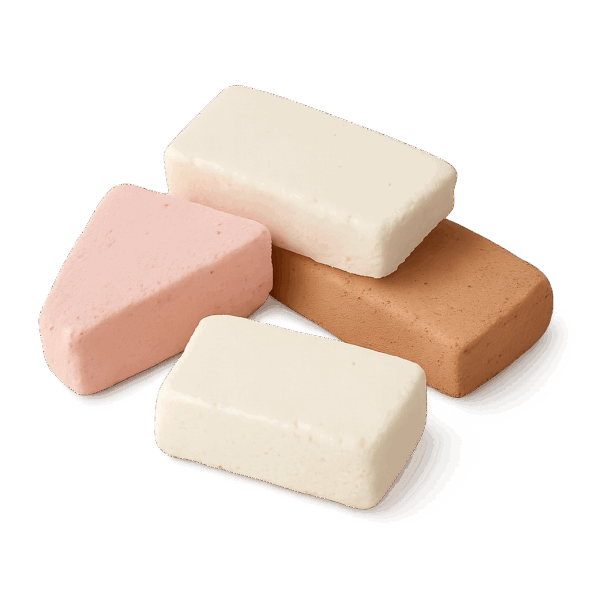
Dried Ice Cream
Freeze drying (or lyophilization) removes water from the ice cream by lowering the air pressure to a point where ice sublimates directly from a solid to a gas. The ice cream is first placed in a vacuum chamber and frozen until any remaining water crystallizes. The air pressure is then lowered below water’s triple point, creating a partial vacuum, forcing air out of the chamber; next heat is applied, sublimating the ice; finally a freezing coil traps and turns the vaporized water into ice. This process continues for hours, resulting in a freeze-dried ice cream slice.
Although different and modernized ice creams are available , However, Top Ice-cream Flavors in Trends are:
- Vanilla
- Banana
- Chocolate
- Cookies & Cream
- Mint Chocolate Chip

Flavored Ice Cream
Although different and modernized ice creams are available , However, Top Ice-cream Flavors in Trends are:
- Vanilla
- Banana
- Chocolate
- Cookies & Cream
- Mint Chocolate Chip
- Moose Tracks
- Neapolitan
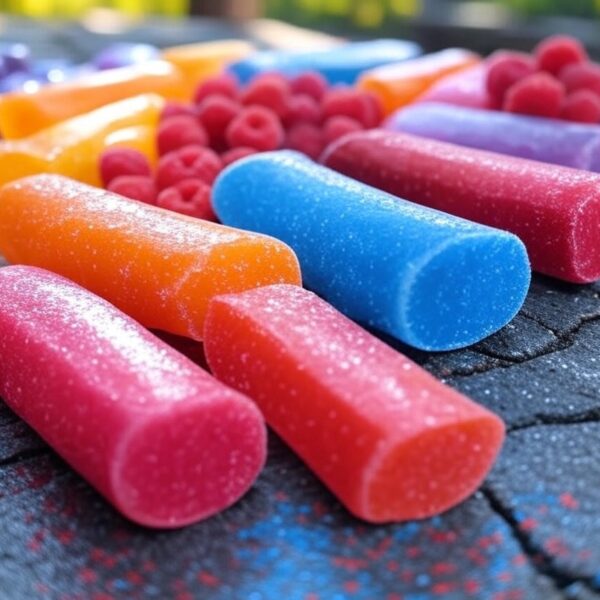
Freezie
Freezies come in sealed plastic tubular wrappers and conform to the shape of the wrapper when frozen to serve; as such, they do not need to be stored cold. They also do not need to be frozen as solidly as an ice pop and can have a consistency similar to that of a slushie. Freezies are sold in a variety of flavors, including cherry, orange, lemon-lime, watermelon, cream soda, blue raspberry and grape.

Goat Intestine
Industrial goat intestine is available in several grades, including salted goat casings, dry casings, cleaned wet intestines, collagen-rich sections, and raw trimmings for gelatin, peptone, and enzymatic production. Natural goat casings are especially used for traditional and regional sausages due to their firmness and distinctive bite quality. Collagen extracted from goat intestines finds applications in cosmetic creams, nutraceutical powders, edible films, and medical devices such as absorbable sutures. Biotechnology companies rely on goat-intestine-derived enzymes for fermentation media, laboratory processes, and specialty biochemical formulations. The material is also used in pet food production, organic fertilizers, and artisanal crafts such as instrument strings. Consistent sizing, high tensile strength, and efficient cleaning technologies enhance its industrial suitability and export value.

Ice Pop
8 types of ice pops:
- Traditional ice pop, These are the most common and the easiest to produce. Consisting of syrup, water and gelatin they are poured into stainless steel molds.
- Eskimo Ice Pop, This product is made in almost the same way as the traditional pops but whit crunchy chocolate shell that covers the top of the ice pop.
- Paleta, The paleta is a type of stuffed ice pop. Various flavors and combinations are possible with fruit and liquid fillings.
- Diet Ice Pop For people who have to watch their weight and/or sugar intake, the diet ice pop is a perfect alternative.
- All Natural Ice Pop, These Ice Pops are for those who enjoy all natural, organic ingredients. No preservatives, dyes, sugars or sweeteners added into the mix.
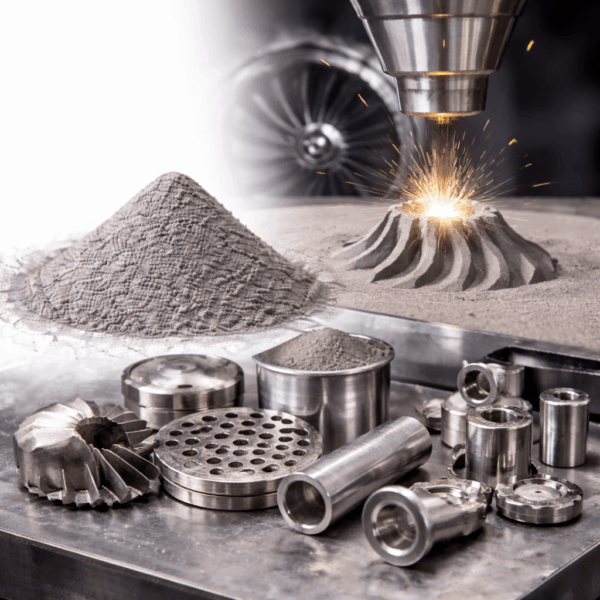
Inconel Powder
Our Inconel powder is available in several commercial grades such as Inconel 600, 625, 718, and other customized nickel-chromium-based alloy formulations. These powders typically contain nickel as the main component, alloyed with chromium, iron, molybdenum, and niobium to enhance oxidation resistance and mechanical performance. Inconel powder is extensively used in additive manufacturing, powder metallurgy, thermal spray coatings, and hot isostatic pressing. Key applications include aerospace components, gas turbines, heat exchangers, chemical processing equipment, oil and gas systems, and high-performance automotive parts. Controlled particle size distribution and spherical morphology ensure excellent flowability and high deposition efficiency. The powder is suitable for laser powder bed fusion, directed energy deposition, and high-temperature sintering processes. Commercial packaging options include sealed 1 kg and 5 kg containers, 25 kg drums, and customized bulk packaging for industrial users.
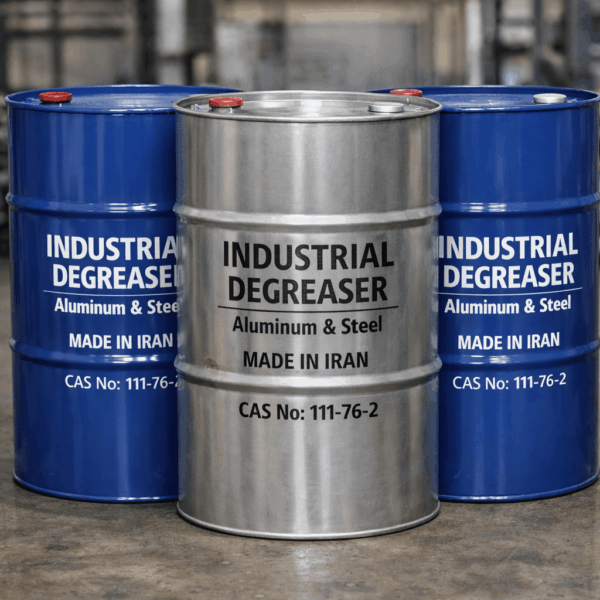
Industrial Cleaners & Degreasers
From heavy-duty degreasing to precision surface care, these cleaners are built for results you can trust. Our range of industrial cleaners features advanced formulations with high active content, fast action, and low residue, ensuring deep cleaning with minimal downtime. Key features include superior grease and oil removal, scale and rust control, anti-corrosion protection, and compatibility with sensitive surfaces. Available in multiple commercial grades such as light-duty, medium-duty, and heavy-duty, these cleaners are suitable for diverse operational needs. We offer various physical forms including liquids, gels, concentrates, powders, sprays, and foams to match different cleaning methods and equipment. Many products are low-VOC, biodegradable, non-flammable, and compliant with international safety and environmental standards. Industrial cleaners are formulated for manual cleaning, CIP systems, pressure washing, ultrasonic cleaning, and automated processes. Packaging options include bulk drums, IBCs, pails, and customized private-label solutions. Technical specifications such as pH range, dilution ratios, operating temperature, and material compatibility are clearly defined to ensure optimal performance. These cleaners support long equipment life, reduced maintenance costs, and consistent cleaning outcomes.
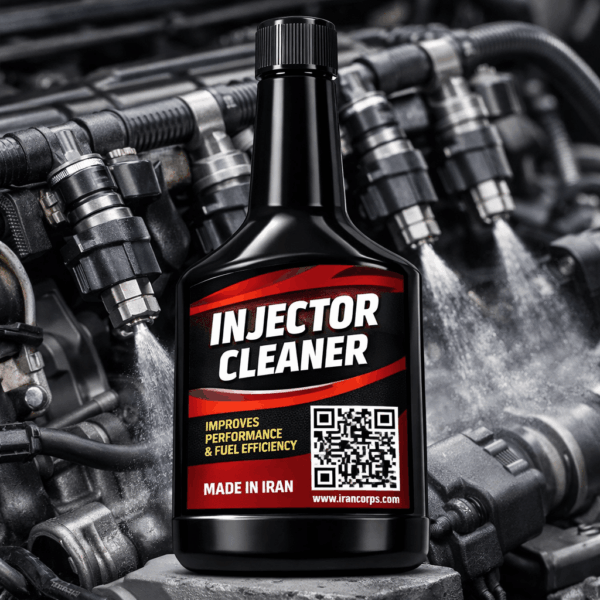
Injector Cleaner
Injector Cleaners are available in gasoline injector cleaner, diesel injector cleaner, and high-performance concentrated formulations designed for direct injection (GDI), multi-point injection (MPI), and common-rail diesel systems. Typical components include high-strength detergents, deposit control additives, dispersants, lubricity enhancers, and corrosion inhibitors that effectively dissolve carbon, varnish, and gum deposits. Injector cleaners are widely used in passenger cars, light commercial vehicles, heavy-duty trucks, buses, agricultural machinery, generators, and marine engines. Advanced formulations are compatible with turbochargers, fuel pumps, catalytic converters, and emission control systems when used at the recommended treat rate.
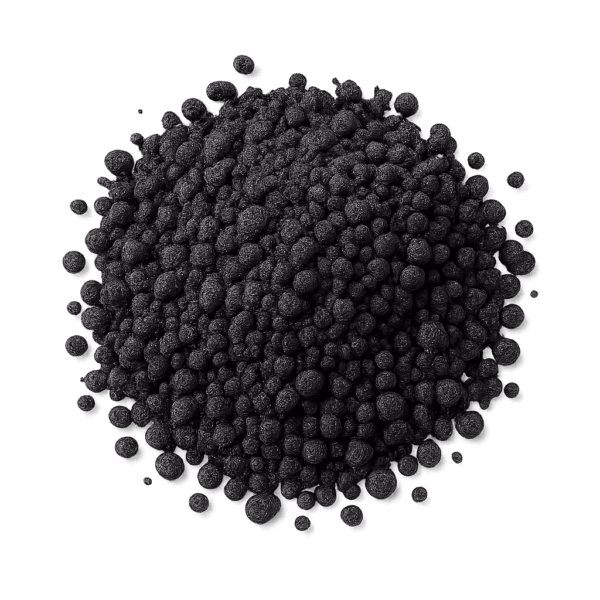
Iodine
Among the major uses of iodine compounds are catalysts, animal feed supplements, stabilizers, dyes, colourants and pigments, pharmaceutical .minor uses include smog inhibition, cloud seeding, and various uses in analytical chemistry. Iodine is an essential trace mineral not made by the body so must be obtained by food or supplements. It is found naturally in some foods and is added to supplements and some salt seasonings. Iodine is needed to make the thyroid hormones thyroxine and triiodothyronine. Without enough iodine, these thyroid hormones do not work properly and can lead to an under-active or overactive thyroid gland, causing the medical conditions of hypothyroidism and hyperthyroidism with various negative side effects in the body. Iodide salts are also used in disinfectants, printing inks and to make polarising filters for LCD displays.
Iodine is one element that can act as a radioactive tracer, a substance with a radioactive isotope that emits radiation as it passes through a medium. In medical diagnostics, iodine is used in X-ray, ultrasound and nuclear imaging scans such as computerized axial tomography, or CAT, scans.
Iron Concentrate
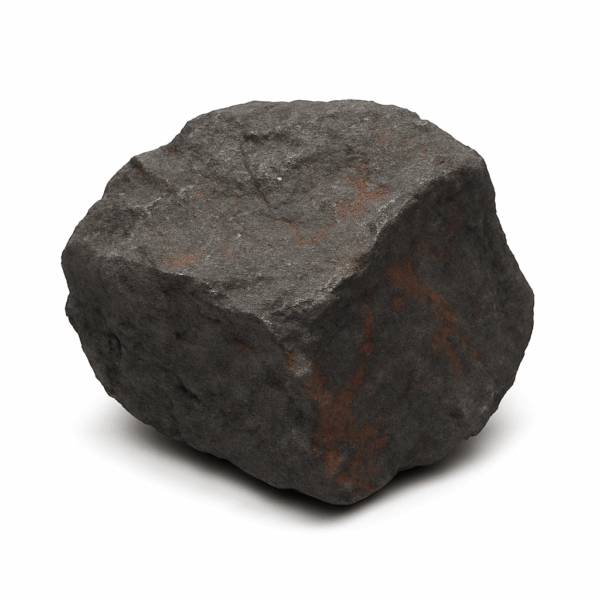
Concentration means compacting and compressing at high temperatures. This product is made from the combination of several rich raw materials and various types of rocks, including magnetite and hematite, which are converted into powder during the extraction and market entry phase. That is why the name “concentration” was chosen for this powdered product, which is mostly used to increase the grade and value of iron ores. This product has a dark black color and is used as a raw material for the production of products such as iron pellets, sponge iron, furnaces, etc.