

 Arabic
Blog
Alcohol Based Octane Booster is a high-performance fuel additive widely used in gasoline formulations to improve octane rating, enhance combustion efficiency, and reduce engine knocking. It plays a crucial role in both automotive and industrial fuel systems, especially in regions where fuel quality varies or high-octane gasoline is not readily available.
With increasing demand for cleaner and more efficient fuel systems, alcohol-based octane boosters have become an essential component in modern fuel technology. Their ability to enhance performance while supporting cleaner combustion makes them highly valuable for fuel distributors, automotive industries, and chemical suppliers.
This article provides a complete overview of the benefits and applications of Alcohol Based Octane Booster, along with technical insights into how it is used across different industries.
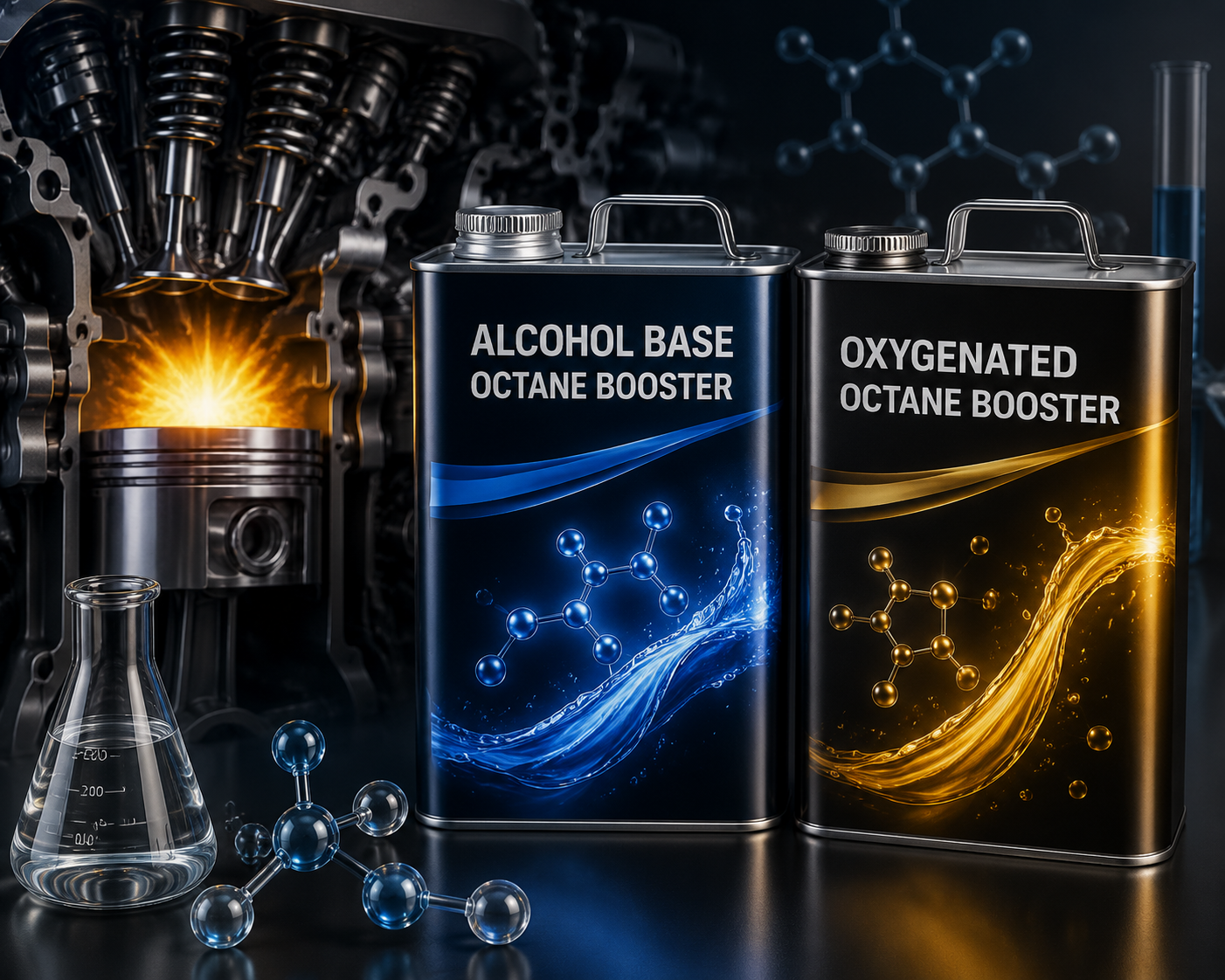
What Is Alcohol Based Octane Booster?
Alcohol Based Octane Booster is a fuel additive composed primarily of oxygenated alcohol compounds such as ethanol, methanol, or blended alcohol derivatives. These compounds are designed to increase the octane number of gasoline, which measures the fuel’s resistance to premature ignition.
Higher octane fuel ensures smoother combustion, reduced knocking, and improved engine efficiency. Alcohol-based formulations are particularly effective because they introduce oxygen into the fuel mixture, promoting more complete and cleaner combustion.
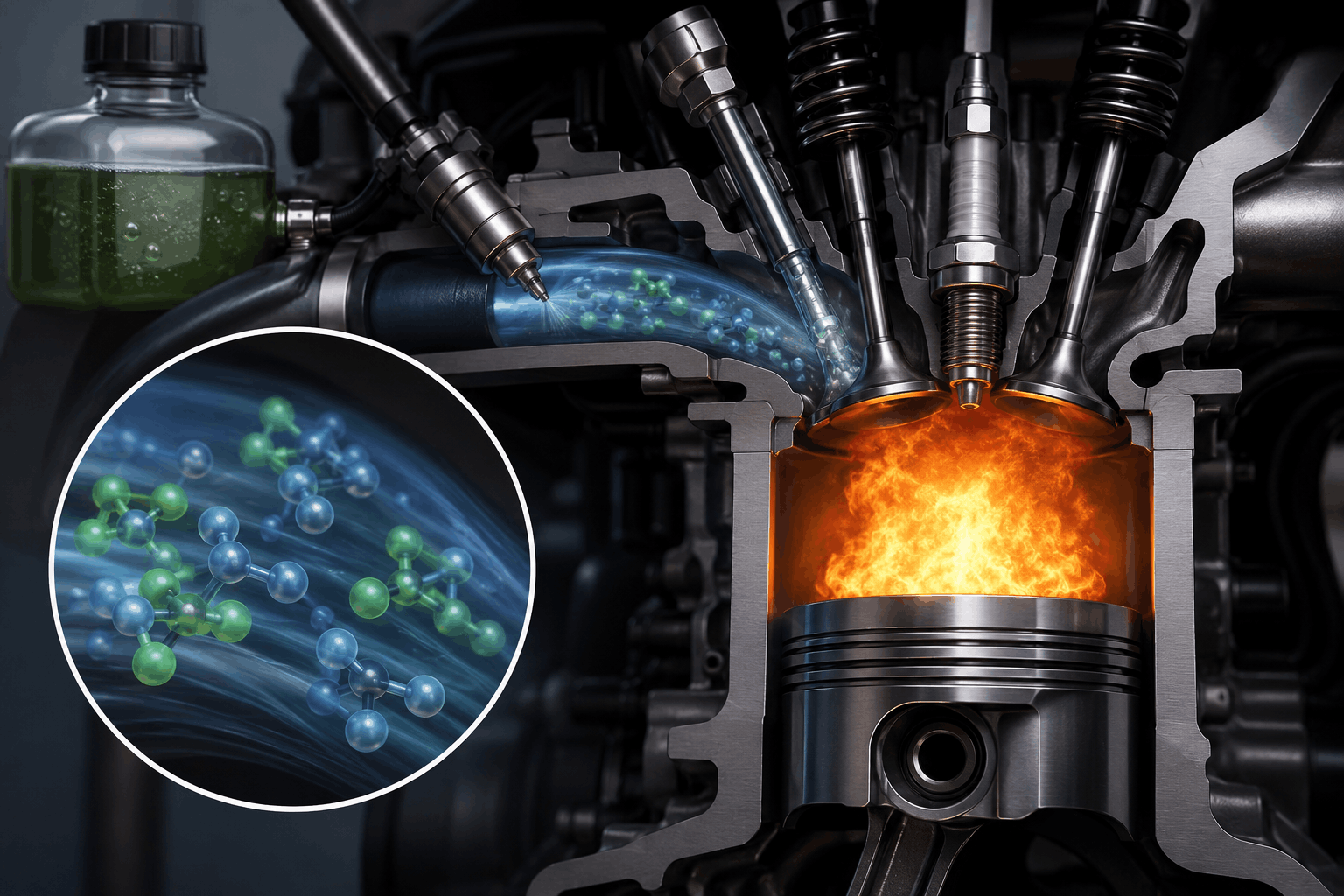
How Alcohol Based Octane Booster Works
The primary function of an octane booster is to improve the combustion characteristics of gasoline.
When fuel burns inside an engine cylinder, it must ignite in a controlled manner. If ignition occurs too early or unevenly, it creates a phenomenon known as engine knocking, which can damage engine components over time.
Alcohol Based Octane Boosters work by:
- Increasing oxygen content in fuel
- Improving flame propagation speed
- Enhancing combustion stability
- Reducing pre-ignition tendency
This results in smoother engine operation and better overall fuel performance.
Key Benefits of Alcohol Based Octane Booster
Alcohol Based Octane Boosters offer a wide range of performance, environmental, and operational benefits. These advantages make them highly popular in automotive, industrial, and fuel distribution sectors.
- Increased Octane Rating
The primary benefit is the increase in fuel octane number. Higher octane fuel allows engines to operate at higher compression ratios without knocking, which directly improves performance and efficiency.
This is especially important for:
- High-performance vehicles
- Turbocharged engines
- Racing engines
- Modern gasoline engines with advanced ignition systems
- Reduction of Engine Knocking
Engine knocking is one of the most harmful conditions for internal combustion engines. It occurs when fuel ignites prematurely due to pressure or heat.
Alcohol Based Octane Boosters significantly reduce this risk by stabilizing combustion and ensuring proper ignition timing.
Long-term benefits include:
- Extended engine lifespan
- Reduced mechanical wear
- Lower maintenance costs
- Improved Fuel Combustion Efficiency
Because alcohol-based additives contain oxygen, they enhance the combustion process by allowing fuel to burn more completely.
This leads to:
- Better energy extraction from fuel
- Reduced unburned hydrocarbons
- More efficient engine operation
- Cleaner Engine Operation
Complete combustion reduces carbon deposits inside the engine, including:
- Fuel injectors
- Combustion chamber
- Valves
- Pistons
Cleaner engines operate more efficiently and require less frequent maintenance.
- Lower Emissions
One of the key environmental advantages is reduced emissions. Alcohol-based additives help reduce:
- Carbon monoxide (CO)
- Unburned hydrocarbons (HC)
- Particulate matter (PM)
This makes them suitable for regions with strict environmental regulations.
- Compatibility with Modern Engines
Most modern gasoline engines are designed to handle oxygenated fuels. Alcohol Based Octane Boosters are generally compatible with:
- EFI (Electronic Fuel Injection) systems
- Turbocharged engines
- Direct injection engines
- Carbureted engines (in older vehicles)
- Cost-Effective Performance Enhancement
Compared to upgrading fuel systems or purchasing premium gasoline, using an octane booster is a cost-effective solution for improving performance.
Fuel distributors also use it as a blending component to upgrade lower-quality gasoline into higher-octane fuel grades.
- Improved Acceleration and Engine Response
By improving combustion speed and stability, alcohol-based boosters can enhance throttle response and acceleration, especially in performance engines.
Drivers often notice:
- Smoother acceleration
- Better engine responsiveness
- Improved high-load performance
Industrial Applications of Alcohol Based Octane Booster
Alcohol Based Octane Booster is not limited to passenger vehicles. It has wide industrial applications across multiple sectors.
- Automotive Industry
The automotive sector is the largest consumer of octane boosters.
Applications include:
- Passenger cars
- Sports cars
- SUVs
- Motorcycles
- Hybrid gasoline engines
It is commonly used to enhance fuel quality and improve engine performance in both OEM and aftermarket applications.
- Fuel Blending Industry
Refineries and fuel distributors use octane boosters as blending agents to upgrade gasoline quality.
Benefits in fuel blending:
- Adjust octane rating to required specifications
- Improve fuel market value
- Meet regulatory fuel standards
- Optimize production costs
- Racing and Motorsport Industry
High-performance racing engines require extremely stable and high-octane fuel.
Alcohol Based Octane Boosters are used to:
- Prevent knocking under extreme compression
- Maximize engine power output
- Improve combustion stability at high RPMs
- Marine Engines
Gasoline-powered marine engines benefit from octane boosters due to variable fuel quality in different regions.
Applications include:
- Boats
- Yachts
- Small marine engines
- Industrial Power Equipment
Some industrial systems rely on gasoline engines, including:
- Generators
- Pumps
- Agricultural machinery
Octane boosters help maintain consistent performance in these systems.
- Fuel Distribution and Export Markets
Chemical exporters and fuel additive suppliers use Alcohol Based Octane Booster as a commercial product for international markets.
Key uses:
- Bulk export
- Private label production
- OEM manufacturing
- Distributor supply chains
Comparison of Benefits by Application
| Application | Main Benefit |
| Automotive | Performance & efficiency |
| Fuel Blending | Octane adjustment |
| Racing | Maximum power output |
| Marine | Fuel stability |
| Industrial | Engine reliability |
| Export | Commercial value |
Environmental Impact
Alcohol Based Octane Boosters are generally considered more environmentally friendly compared to metallic additives.
Environmental benefits include:
- Lower toxic emissions
- Reduced particulate formation
- Improved combustion efficiency
- Compatibility with cleaner fuel regulations
However, environmental performance depends on formulation quality and proper usage.
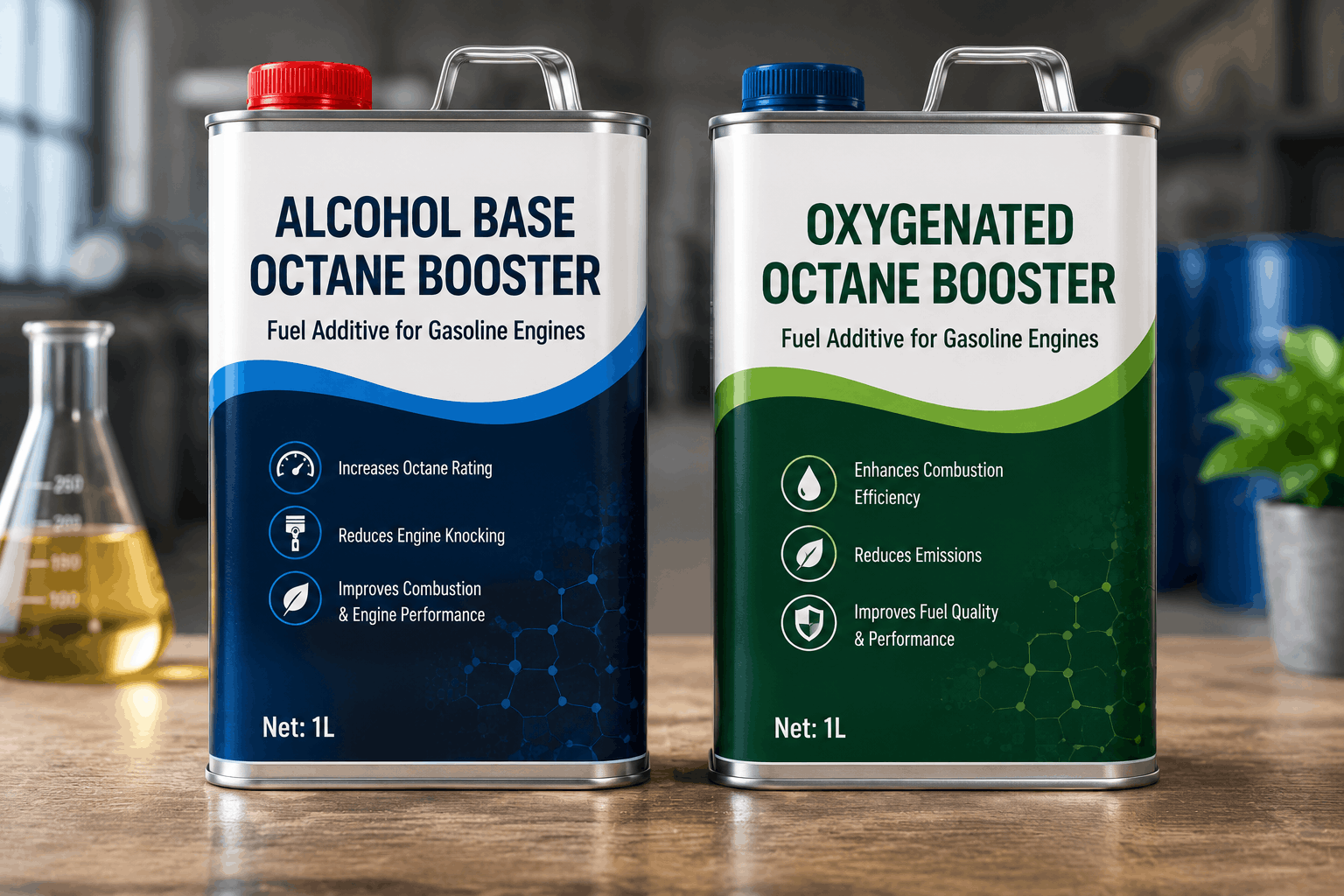
Storage and Handling Guidelines
Proper storage ensures product stability and performance.
Recommended conditions:
- Store in sealed containers
- Keep in a cool and dry environment
- Avoid direct sunlight
- Keep away from ignition sources
- Use proper industrial safety standards
Shelf life typically ranges from 18 to 24 months depending on formulation.
Why Industries Prefer Alcohol Based Octane Boosters
Industries choose alcohol-based formulations because they offer:
- Balanced performance and cost
- Wide compatibility with fuel systems
- Easy integration into blending processes
- Environmental compliance advantages
- Stable global supply chain availability
Role in Global Fuel Market
With increasing demand for high-performance fuels, alcohol-based octane boosters play a significant role in:
- Improving fuel quality in developing markets
- Supporting fuel standardization
- Reducing dependency on expensive refinery upgrades
- Enhancing export competitiveness of fuel additives
Future Trends
The future of alcohol-based octane boosters is influenced by:
- Stricter emission regulations
- Growth of high-compression engines
- Expansion of renewable fuel blends
- Increasing demand for cleaner combustion technologies
These trends are expected to increase global demand for oxygenated fuel additives.
Conclusion
Alcohol Based Octane Booster is a highly effective fuel additive that improves gasoline performance by increasing octane rating, reducing engine knocking, and enhancing combustion efficiency.
Its applications span across automotive, industrial, marine, and fuel blending sectors, making it a versatile solution for modern fuel systems.
With strong environmental and performance benefits, alcohol-based octane boosters continue to play an important role in the global fuel additive industry, especially for exporters and chemical suppliers targeting international markets.
Frequently Asked Questions (FAQ)
What is Alcohol Based Octane Booster used for?
It is used to increase gasoline octane rating and improve engine performance.
Does it reduce engine knocking?
Yes, it significantly reduces knocking by stabilizing combustion.
Is it safe for modern engines?
Yes, most modern gasoline engines are compatible when used correctly.
Can it be used in fuel blending?
Yes, it is widely used in industrial fuel blending operations.
Is it environmentally friendly?
Compared to metallic additives, alcohol-based boosters produce cleaner combustion and lower emissions.