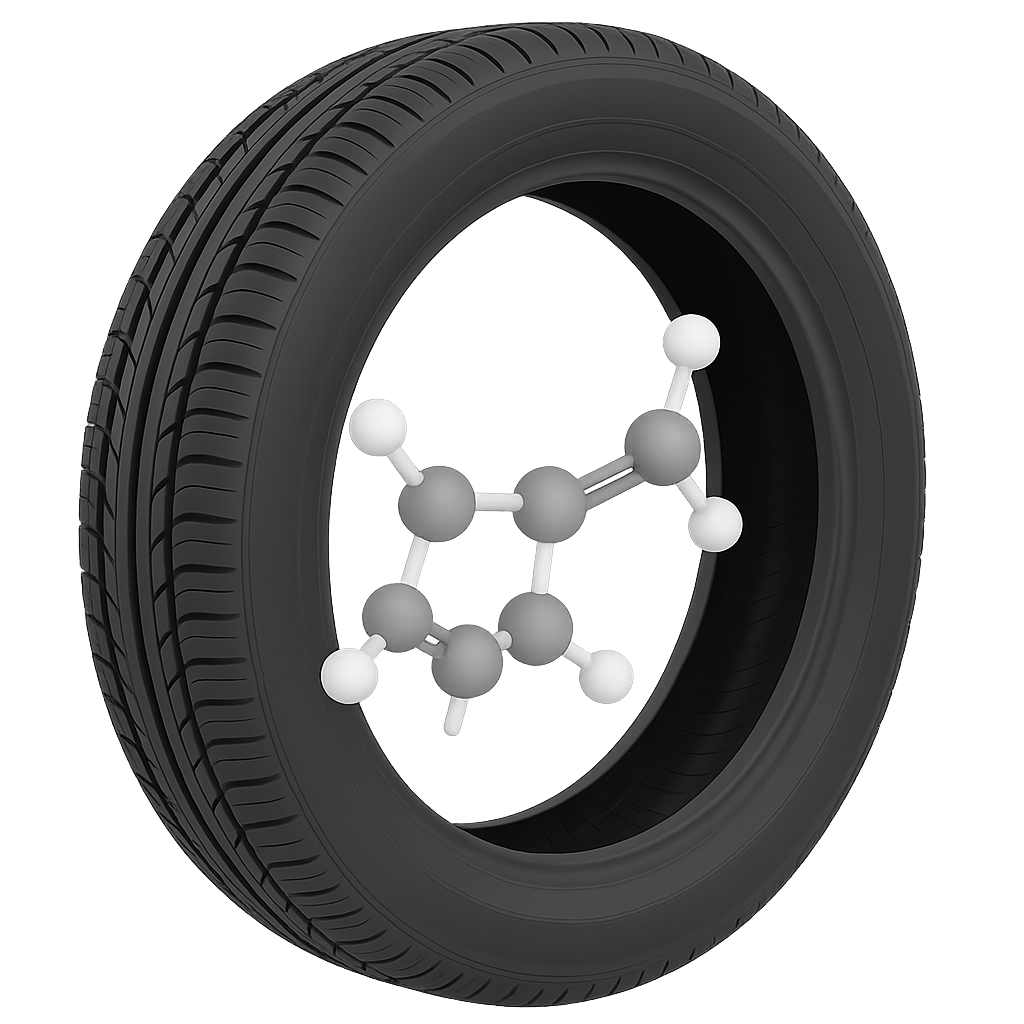
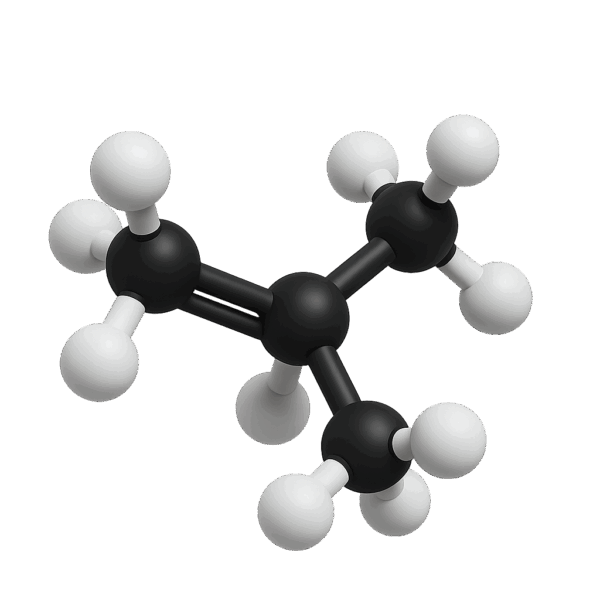
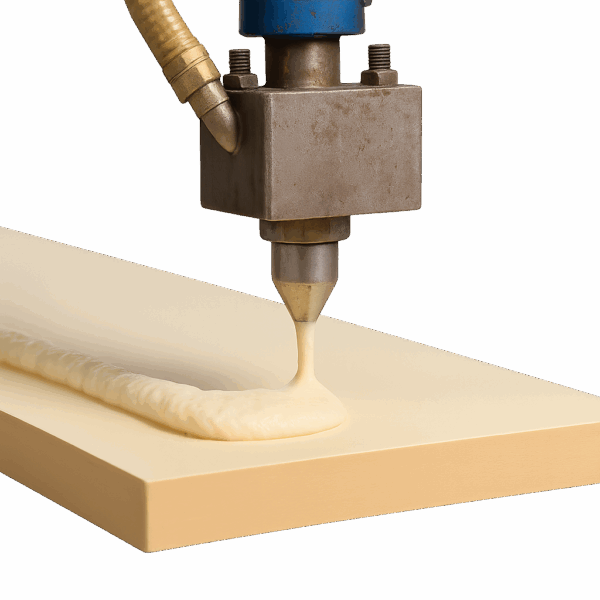
Isoprene is widely used in the manufacture of polyisoprene rubber, which provides properties similar to natural rubber and is valued for its elasticity, tensile strength, resilience, and fatigue resistance. It is also used in synthetic rubber formulations for tires, rubber goods, industrial components, footwear, adhesives, sealants, and flexible polymer products. Other applications include the production of specialty elastomers, thermoplastic materials, chemical intermediates, and research-grade polymer systems. Commercially available isoprene can be supplied in different purity levels and stabilized grades according to the requirements of polymer manufacturers, chemical processors, laboratories, and other industrial users. High-purity isoprene is suitable for demanding polymerization and specialty chemical applications, while standard industrial grades can be selected for general synthetic rubber and chemical manufacturing processes. Stabilized isoprene grades contain controlled inhibitor levels to improve storage stability and reduce the risk of unwanted polymerization during transportation and handling.
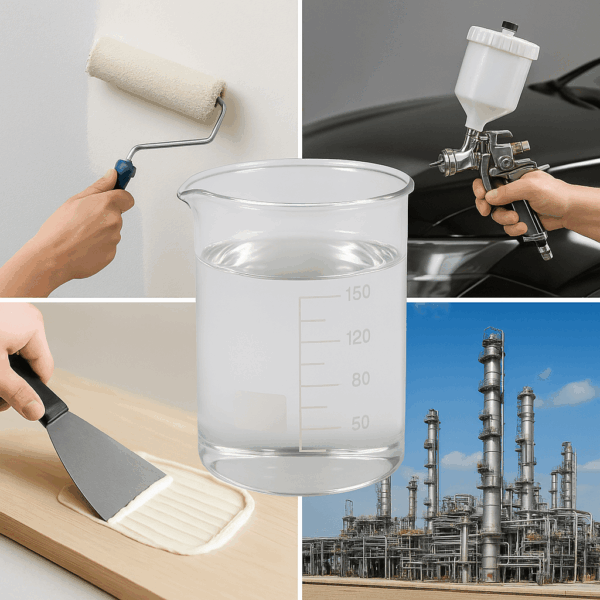
The main advantages of commercial isoprene include high reactivity, excellent polymerization capability, suitability for producing elastic polymers, and flexibility in industrial formulation and processing. Its controlled purity and consistent quality make it suitable for large-scale manufacturing where reproducible polymer performance is required. Isoprene is generally supplied in properly sealed drums, pressure-rated containers, tank containers, or bulk tank systems depending on customer requirements, shipment volume, and transportation regulations. Packaging and stabilization conditions should be selected according to the intended storage period and applicable hazardous-material transportation requirements because isoprene is highly flammable and reactive. Commercial specifications may include purity, inhibitor content, water, non-volatile matter, color, and other impurity parameters. Reliable sourcing should focus on product specification, certificate of analysis, packaging integrity, storage conditions, and consistent supply capability. Isoprene can therefore serve as a valuable industrial raw material for manufacturers seeking a reliable monomer for synthetic rubber, elastomer, polymer, and specialty chemical production.


 Arabic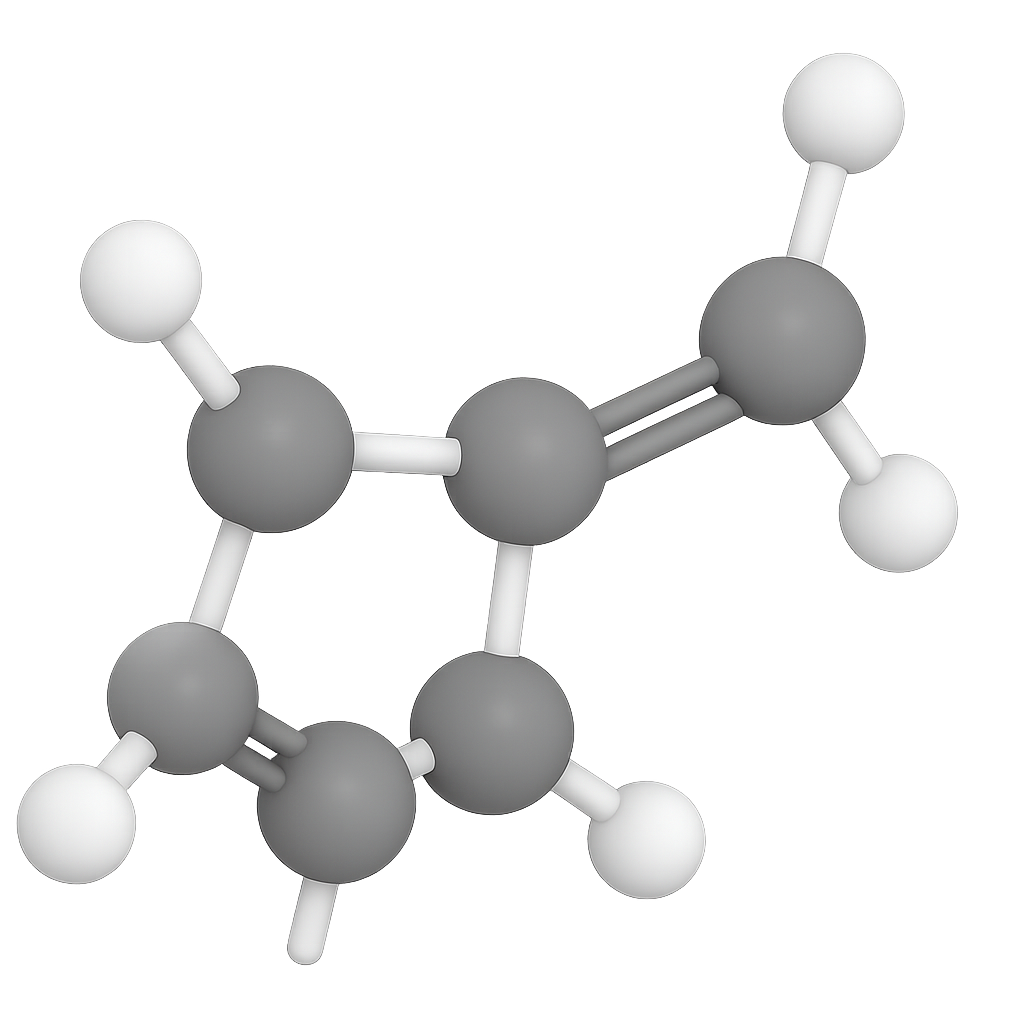


Reviews
Clear filtersThere are no reviews yet.