

 Arabic
Why Iran is the most important country in Middle East

Iran
The Middle East has always been one of the world’s most strategic and influential regions. Among all countries in this region, Iran stands out as one of the most historically significant, geopolitically important, and economically powerful nations. With its ancient civilization, educated population, vast natural resources, strategic location, industrial capacity, and military influence, Iran continues to play a critical role in regional and international affairs.
For investors, business leaders, manufacturers, logistics companies, and international traders, understanding Iran’s importance is essential for recognizing future opportunities in the Middle East and Eurasia.
A Civilization with Thousands of Years of History
Iran is one of the oldest civilizations in the world. The history of Persia dates back thousands of years and has influenced art, science, architecture, literature, mathematics, philosophy, and governance across Asia, Europe, and the Middle East.
The ancient Persian Empire was once among the largest and most advanced empires in human history. Historical cities such as Persepolis, Isfahan, Shiraz, and Yazd continue to attract historians and tourists from around the world because of their unique architecture, cultural heritage, and historical significance.
This deep historical identity has created a strong national culture and a highly educated society that values science, engineering, business, and innovation.
An Educated and Skilled Population
Iran has one of the largest educated populations in the Middle East. Millions of Iranian students graduate annually from universities in engineering, medicine, information technology, chemistry, business, and industrial sciences.
Iranian professionals are widely recognized for their technical expertise, entrepreneurial mindset, and strong scientific background. The country has developed advanced capabilities in industries such as:
- Petrochemicals
- Oil & gas engineering
- Automotive manufacturing
- Steel and mining
- Nanotechnology
- Pharmaceuticals
- Construction materials
- Information technology
- Industrial machinery
This educated workforce gives Iran a strong competitive advantage in regional manufacturing, industrial development, and technology-driven sectors.
Strategic Geopolitical Location
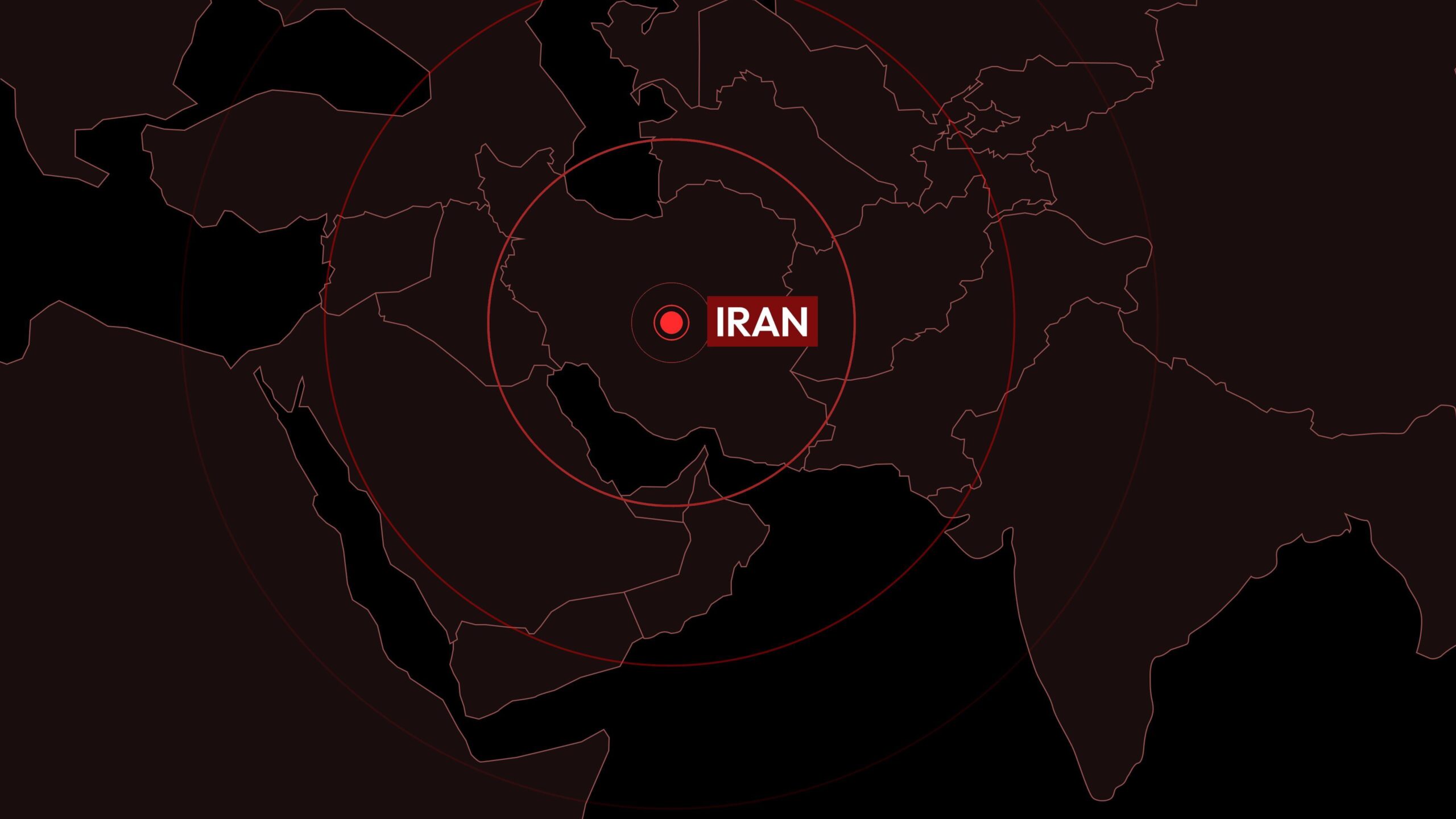
One of the biggest advantages of Iran is its exceptional geopolitical position. Iran connects the Middle East, Central Asia, the Caucasus, South Asia, and Europe. Because of this strategic location, the country serves as a major transportation and trade corridor for international commerce.
Iran has direct access to:
- The Persian Gulf
- The Gulf of Oman
- The Caspian Sea
- Central Asian markets
- Major Asian trade routes
Its position makes it highly important for:
- International transportation
- Energy transit
- Maritime trade
- Railway logistics
- Regional supply chains
- North-South trade corridors
Iran is also a key part of several international transportation projects linking Asia to Europe. This geographic advantage significantly increases the country’s long-term economic and strategic importance.
The Importance of Iran in the Persian Gulf
The Persian Gulf is one of the world’s most important energy and shipping regions, and Iran plays a central role in maintaining the balance of this strategic waterway.
Iran controls a large coastline along the Persian Gulf and also borders the Strait of Hormuz — one of the most critical maritime chokepoints in the world. A significant percentage of global oil exports pass through this narrow route every day.
Because of this position, Iran has substantial influence over:
- Global energy transportation
- Maritime security
- Regional trade
- International shipping routes
This strategic importance gives Iran a major role in both regional geopolitics and the global energy market.
Rich Natural Resources and Mineral Wealth
Iran is among the richest countries in the world in terms of natural resources. In addition to its massive oil and gas reserves, the country possesses extensive mineral resources that support large industrial sectors.
Iran has major reserves of:
- Iron ore
- Copper
- Zinc
- Lead
- Aluminum
- Chromite
- Coal
- Limestone
- Gypsum
- Marble and decorative stones
The mining and industrial sectors contribute significantly to the country’s economy and create major opportunities for manufacturing and exports.
Iran is also one of the leading producers of steel, cement, petrochemicals, ceramics, and industrial raw materials in the region.
Oil and Gas Powerhouse
Iran possesses some of the world’s largest oil and natural gas reserves. The country has long been one of the key players in global energy markets.
Its energy sector includes:
- Crude oil production
- Natural gas extraction
- Petrochemical manufacturing
- Refining industries
- LNG potential
- Pipeline infrastructure
Iran’s massive hydrocarbon resources provide long-term opportunities for industrial development, exports, energy cooperation, and downstream petrochemical investments.
The country’s energy infrastructure supports many industries including plastics, chemicals, fertilizers, construction materials, and industrial manufacturing.
Large Population and Vast Territory
Iran has a population of more than 80 million people, making it one of the largest consumer and labor markets in the Middle East.
Its large domestic market creates strong demand across industries such as:
- Construction
- Automotive
- Food products
- Household appliances
- Healthcare
- Technology
- Industrial products
In addition, Iran is geographically one of the largest countries in the region, with diverse climates, landscapes, and economic zones that support agriculture, tourism, mining, manufacturing, and transportation.
Agriculture and Food Production
Iran’s climate diversity allows the country to produce a wide range of agricultural products. From northern forests and fertile plains to southern tropical regions, Iran has strong agricultural potential.
Major agricultural products include:
- Pistachios
- Saffron
- Dates
- Fruits and vegetables
- Wheat
- Rice
- Tea
- Nuts
- Livestock products
Iran is globally recognized for producing high-quality saffron and pistachios, both of which are major export products.
The agricultural sector also supports food processing industries and contributes to national food security.
Tourism Potential and Natural Beauty
Iran is one of the most culturally and naturally diverse countries in the world. The country offers a combination of:
- Ancient historical sites
- Mountains and ski resorts
- Deserts
- Forests
- Islands
- Beaches
- Traditional architecture
- Cultural festivals
Tourists can visit UNESCO heritage sites, traditional bazaars, ancient mosques, Persian gardens, and historical palaces throughout the country.
Cities such as Tehran, Isfahan, Shiraz, and Tabriz attract millions of visitors due to their culture, architecture, cuisine, and historical landmarks.
Iran’s tourism industry has enormous long-term growth potential in cultural tourism, eco-tourism, medical tourism, and hospitality investments.
Industrial Capacity and Manufacturing Strength
Iran has developed one of the largest industrial bases in the Middle East. Despite economic and political challenges, the country has maintained strong manufacturing capabilities across multiple sectors.
Key industries include:
- Steel production
- Automotive manufacturing
- Petrochemicals
- Cement
- Household appliances
- Industrial machinery
- Construction materials
- Chemicals
- Food processing
Iranian manufacturers export products to many countries across Asia, the Middle East, Africa, and neighboring regions.
The combination of industrial infrastructure, skilled labor, and abundant raw materials makes Iran an important industrial economy in the region.
Military Power and Regional Influence
Iran is also recognized as one of the major military powers in the Middle East. The country has invested heavily in defense technologies, missile systems, naval capabilities, and domestic military production.
Its strategic military position contributes to:
- Regional security balance
- Maritime security in the Persian Gulf
- Border security
- Defense industry development
Iran’s military and geopolitical influence make it one of the key strategic actors in the broader Middle East region.
Conclusion
Iran’s importance in the Middle East is the result of multiple powerful factors combined together:
- Ancient civilization and cultural influence
- Educated and skilled population
- Strategic geopolitical location
- Access to major international transportation routes
- Rich oil, gas, and mineral resources
- Large domestic market
- Strong industrial capabilities
- Agricultural strength
- Tourism potential
- Military and regional influence
For international businesses, investors, traders, manufacturers, and logistics companies, Iran remains one of the most strategically significant countries in the region. Its long history, vast resources, and geographical advantages continue to position it as a major player in the future economic development of the Middle East and Eurasia.