

 Arabic
shop

Volumizing shampoo
While volumizing shampoo does not make your hair physically thicker, it can provide a look of fullness. This is especially helpful if you have hair that typically lays flat. Volumizing can also help address damaged hair issues and strengthen the strands. Ingredients in Volumizing Shampoo That Actually Work can be Burdock root is a root vegetable native to Europe and Asia. It has long been used as an herbal remedy for various health benefits, such as skin and hair care. Bamboo is a type of grass that is a fast-growing perennial evergreen plant. Bamboo is high in silica and minerals, which can help your hair feel stronger and support moisture retention. Sage is a plant native to the Mediterranean region and is often used as a culinary herb. But this powerhouse also comes in handy for medicinal and ornamental purposes. It’s a natural astringent that can help cleanse your hair follicles while also supporting balanced oil levels.
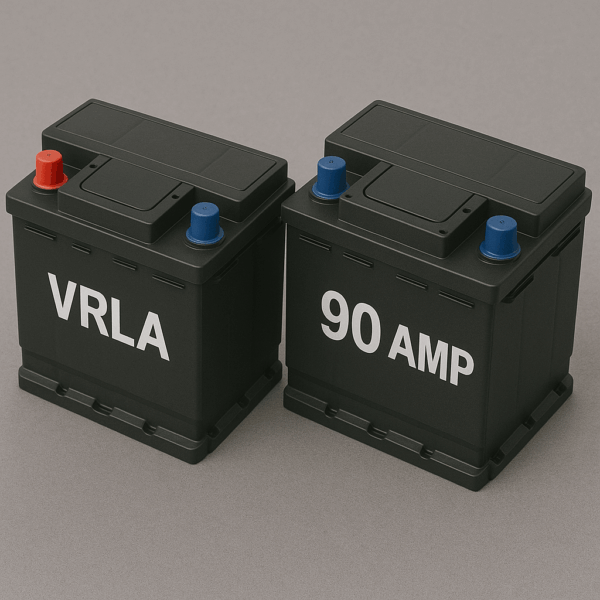
VRLA Automotive Batteries
VRLA automotive batteries are available in two main types: AGM (Absorbent Glass Mat) and GEL batteries. AGM batteries offer superior cranking power, fast recharge capability, and excellent performance for start-stop systems, high-load electrical accessories, and heavy-duty vehicles. GEL batteries provide deep-cycle capability, high endurance, and stability for vehicles operating in extreme temperatures or long idling conditions. Standard amperage options range from 35Ah, 45Ah, 55Ah, 60Ah, 70Ah, 90Ah, 100Ah, up to 200Ah, depending on the vehicle’s electrical system and power requirements. These VRLA batteries support applications such as engine starting, auxiliary power supply, infotainment systems, navigation electronics, lighting systems, and safety equipment. Their sealed design prevents leakage, minimizes maintenance, and ensures high operational reliability. Enhanced grids, advanced separators, and optimized lead-calcium alloys further improve energy density and lifecycle performance for automotive OEM and aftermarket sectors.
VRLA technology supports extended life cycles, reduced water loss, and strong resistance to vibration and temperature fluctuations. Their versatility makes them an essential energy source for cars, SUVs, commercial fleets, and off-road vehicles.
Packaging typically includes reinforced cartons, heat-sealed shrink packs, palletized export bundles, and foam-protected units to ensure safe transportation and storage. Each battery is supplied with terminal protectors, QR codes, manufacturing codes, and compliance labels such as CE, ISO, and automotive standard certifications. With stable supply chains, competitive export pricing, and advanced VRLA technology, these automotive batteries remain a dependable solution for global automotive manufacturers and spare-parts wholesalers.
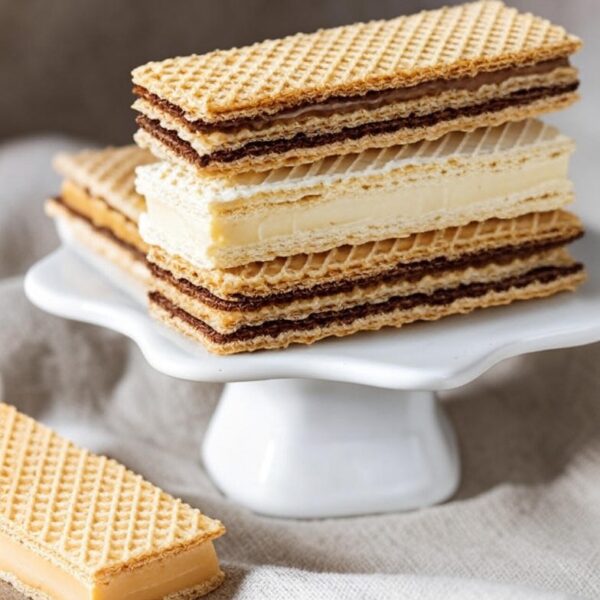
Wafer Biscuits
Manufactured from a fluid batter of wheat flour, water, fats, emulsifiers, and optional sugar, wafers are baked between hot plates at controlled temperatures to achieve perfect crispness. After cooling, premium cream fillings—vanilla, chocolate, hazelnut, lemon, strawberry, and more—are applied and layered into uniform wafer blocks. Modern automated lines ensure precision in baking, creaming, and cutting, offering consistent sheet weight, moisture control, and stable texture. Options include low-sugar, gluten-free, chocolate-enrobed, and flavored variants tailored to global market needs. Moisture-tight packaging and nitrogen flushing preserve freshness across long distribution chains.
With global wafer demand exceeding, these biscuits continue to grow in popularity due to convenience, flavor variety, and strong consumer appeal. We serve both the traditional snack segment and the fast-rising premium and health-oriented categories. From industrial ice-cream cones to branded cream-filled wafers, manufacturers rely on robust processing, controlled storage, and high-performance raw materials to achieve optimal quality. Whether for retail, foodservice, or co-manufacturing, wafer biscuits offer unmatched lightness, cost efficiency, and product innovation potential.
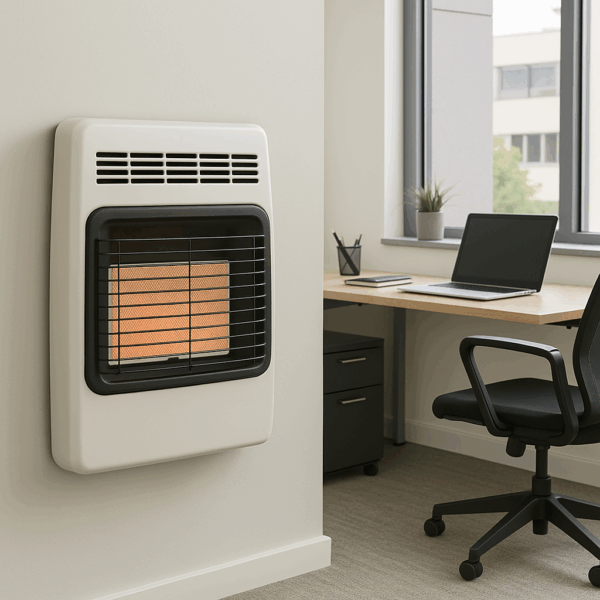
Wall Hang Gas Heater
Wall gas heaters provide fast and efficient heat when required; they can quickly heat up in a minute or two. They provide the best alternative for supplemental heating. It helps lower energy bills, particularly during the winter months. wall gas heaters different technologies of heating are available such as convection heat , radiant heat or blue flame and whether it is vented (exhausting combustion gases outside) or ventless (taking oxygen from the room air ).
Ventless wall heaters include an oxygen depletion detector that immediately turns off the heater if it senses dangerously low oxygen levels in the area. A ventless gas wall heater is best used in well-ventilated spaces.
Key Features
-
Wall-Mounted: Saves floor space, often slim design.
-
Vent-Free: No flue or chimney required, easier installation.
-
Ignition Options: Manual, piezo push-button, or electronic ignition.
-
Heating Styles:
-
Radiant: Direct heat from glowing panels (like feeling the sun).
-
Convection: Circulates warm air through the room.
-
-
Safety Features: Oxygen Depletion Sensor (ODS) that shuts off gas if oxygen drops too low; tip-over protection on some models.
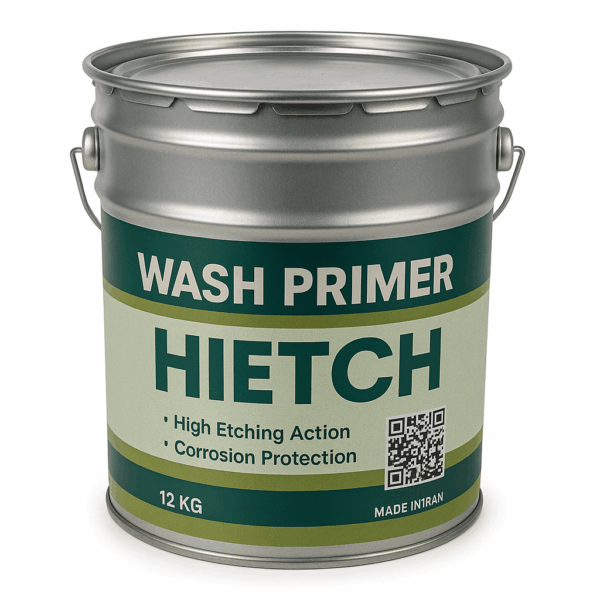
Wash Primer
Wash Primers are available mainly as two-component systems (base + acid activator) and are widely used on structural steel, automotive parts, metal fabrications, aluminum profiles, galvanized surfaces, machinery components, and industrial equipment. Key advantages include excellent surface etching, strong adhesion to smooth or difficult substrates, very fast drying, and reduced risk of underfilm corrosion. Typical properties include thin film thickness, good flexibility, high adhesion strength, compatibility with epoxy, polyurethane, and alkyd topcoats, and suitability for use in mild to medium corrosive environments.
Wash Primers are applied by spray gun, brush, or roller, with spray application being the most common method for uniform coverage. They are supplied in standard packaging such as 1 kg, 5 kg, 10 kg, and 20 kg metal containers, as well as industrial drum packaging for large-scale users. Wash Primers are widely specified in automotive, fabrication, and maintenance painting due to their ease of use, rapid drying, and ability to enhance the overall performance and durability of complete coating systems.
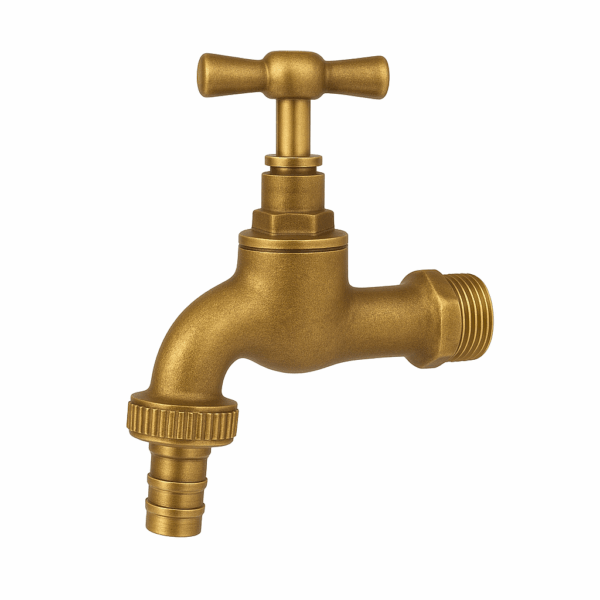
Washer Tap
The most common type of washer tap is a “compression tap” where the handle needs to be turned multiple times to fully open or close, and the washer is the key component that creates the seal against wear and tear, requiring periodic replacement when the tap is leaking. The washer itself is typically made from rubber or fiber, which provides a good seal when compressed.
Well-suited for DIY work, washer taps, otherwise known as compression washer taps, have a pillar tap that operates with a twisting handle. As the name suggests, the washer inside controls the amount of water released.
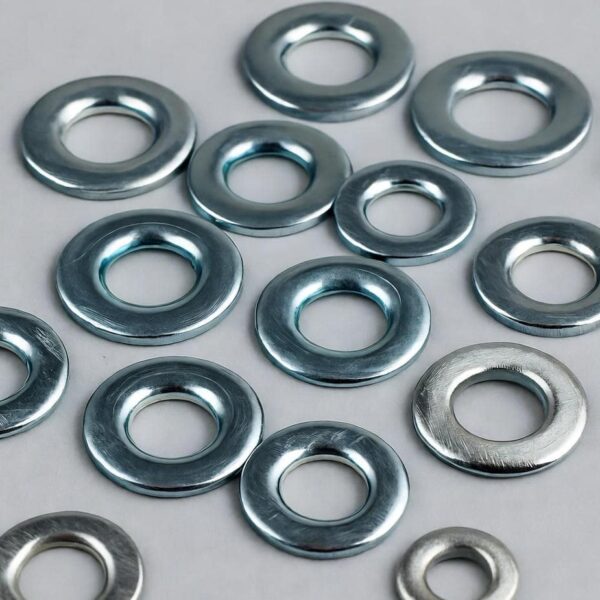
Washers
Many kinds of Washers are available to supply including :
-
Beveled washers are a unique kind of washer that have a flat side and a slanted side. Different installation angles can be accommodated by the sloped side, which also enables a stable and tight fit when mating and aligning two non-parallel faces.
-
Flat Washers, Its thin, plate-like design increases surface area to stop a fastener from loosing and pulling out. Additionally, they reduce surface friction and serve as spacers when extra distance between items is required.
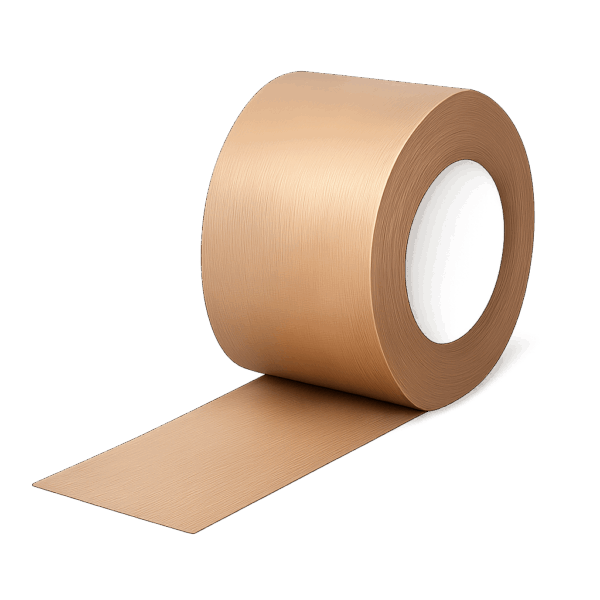
Water Activated Tape
Water Activated Tape is commercially available in several grades including Standard Kraft Gummed Tape for general carton sealing, Reinforced Gummed Tape (Filament Reinforced Tape) containing fiberglass threads for heavy cartons and high-strength packaging, White Gummed Tape for premium packaging appearance, Custom Printed Water Activated Tape for brand identification and security purposes, and Cold Temperature Gummed Tape for applications in challenging storage conditions. Common sizes include widths of 36 mm, 48 mm, 60 mm, 70 mm, 72 mm, and 100 mm, with roll lengths commonly ranging from 50 meters to 1000 meters. Different grades are selected according to carton weight, transportation conditions, export requirements, and packaging automation systems. Standard grades are widely used for lightweight and medium cartons, while reinforced grades are suitable for heavy boxes, industrial equipment packaging, and international shipments.
Water Activated Tape offers several advantages including excellent adhesion, high tensile strength, environmentally friendly composition, recyclability, and compatibility with paper-based packaging systems. Because the adhesive penetrates carton fibers, the sealed package becomes more secure and resistant to unauthorized opening. This product is widely used in export industries, e-commerce packaging, food and beverage packaging, pharmaceutical cartons, electronics packaging, furniture shipments, automotive parts packaging, and industrial logistics. Manufacturers can supply Water Activated Tape in various paper grades, adhesive formulations, roll dimensions, and customized printing options to meet international wholesale export requirements.
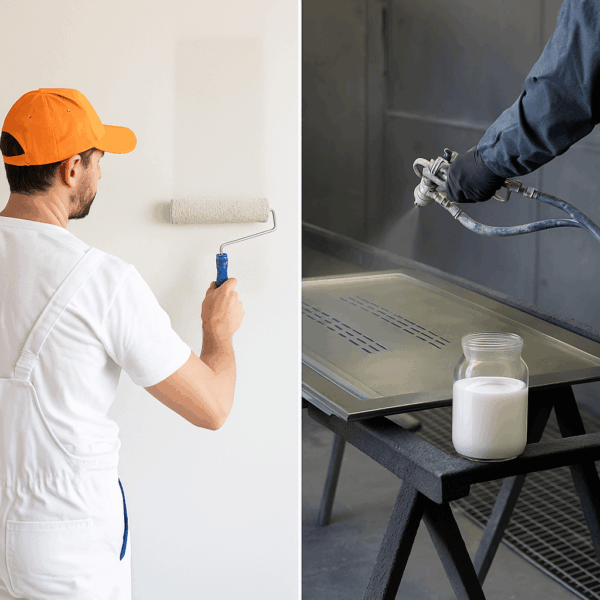
Water Base Acrylic Resin
Water-borne acrylic systems provide outstanding adhesion to concrete, metal, wood, plastic, and composite surfaces, supported by strong UV resistance, color retention, and crack-resistance. Their fast drying performance, low surface tack, and high gloss potential make them ideal for interior and exterior water-borne paints, protective coatings, and decorative emulsions. The polymer network ensures long-term durability against moisture, alkali, abrasion, and chemical exposure. Water-Based Acrylic Resins are widely used in architectural wall paints, emulsion coatings, water-reducible industrial enamels, wood & parquet coatings, road marking paints, flexible roof coatings, plastic & metal primers, and water-borne printing inks.
For manufacturers seeking sustainability, Water-Based Acrylic Resins offer excellent processing safety, reduced environmental impact, and compliance with global eco-standards. They provide smooth film leveling, anti-cracking performance, long-lasting exterior durability, and consistent production reliability — making them the future-ready solution for green coating technology. Available with varying Tg, particle size, and crosslinking capability, these resins allow formulators to tailor hardness, flexibility, scrub resistance, and gloss level to meet application requirements.
Water Based Acrylic Adhesives
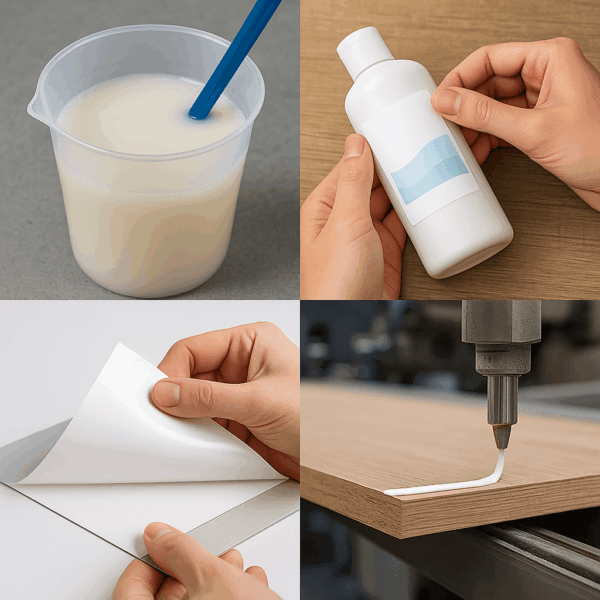
Available types include pressure-sensitive acrylic adhesives (PSA), laminating adhesives, heat-seal grades, label adhesives, packaging adhesives, woodworking grades, and specialty formulations for construction and automotive interior applications. Enhanced grades such as high-tack, removable, repositionable, deep-freeze resistant, UV-resistant, and high-temperature acrylic systems support diverse industrial requirements and converting processes. Their low-VOC profile and non-flammable nature make them ideal for modern manufacturing lines seeking safer and greener adhesive technologies. Key advantages of water-based acrylic adhesives include outstanding aging resistance, excellent transparency, superior UV stability, and strong cohesive strength.
They maintain consistent viscosity, form uniform coating layers, and offer excellent water and humidity resistance after curing. Their compatibility with roll-coating, spray, brush, gravure, and slot-die application systems makes them suitable for large-scale production. With sustainable performance, reduced odor, minimal emissions, and high bond reliability, water-based acrylic adhesives remain the preferred choice for packaging manufacturers, label producers, flexible laminators, hygiene product makers, and OEM industries aiming for high-quality, export-ready adhesive solutions.
Water Based Acrylic Top Coat
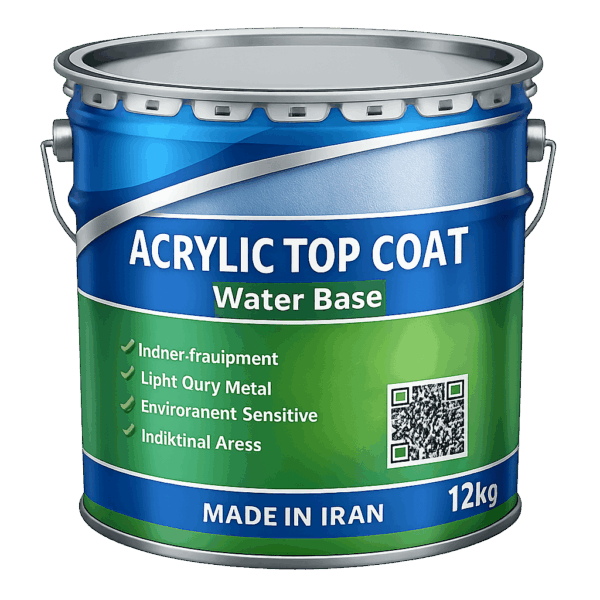
They provide strong adhesion to a wide range of substrates including metal, concrete, wood, and previously coated surfaces, creating a smooth, uniform, and visually appealing finish. Water based acrylic top coats offer excellent resistance to UV radiation, weathering, moisture, and environmental pollutants, ensuring long-lasting color stability and gloss retention. Their fast-drying characteristics help improve productivity and reduce project downtime, while the low-odor formulation makes them ideal for indoor and occupied environments. Easy application by spray, roller, or brush, along with simple water clean-up of tools, reduces labor time and maintenance costs.
These coatings are widely used for steel structures, industrial buildings, warehouses, machinery, equipment, and decorative architectural elements. Water based acrylic top coats comply with modern environmental and safety regulations and support sustainable construction standards. They are available in a wide range of colors and gloss levels, making them a reliable and cost-effective solution for industries seeking durable, high-quality, and eco-conscious coating systems.

Water Based Decorative Paint
Decorative paints come in a wide range of colors, textures, and finishes, making them a versatile tool for interior designers and homeowners to create a unique look and feel in their space. Decorative paints are available in different sheen such as :
- High gloss
- Semi gloss
- Satin
- Eggshell
- Matte
- Textured finish.
A water-based coating uses water as the liquifying agent instead of chemical solvents, so it emits fewer VOCs. For water based decorative paints , the resin can be acrylic or latex and Water based paints have always been the preferred choice for painting interior and exterior wall surfaces due to their:
- Quick drying properties
- Low odor
- Easy application