

 Arabic
shop
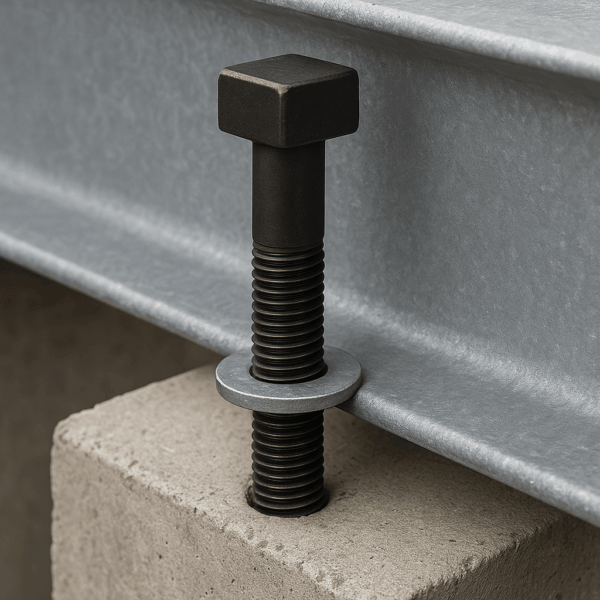
Square Head Bolt
These bolts are commonly used in applications where traditional hex head bolts might be difficult to install or where a secure, high-torque connection is needed. Square head bolts are utilized in applications where strong fastening is needed but visibility is restricted. These bolts are simple to tighten with a wrench and have large, flat sides. Square heads work best in small, dim areas where a fabricator or machinist must blindly tighten the bolt. Even without any visible marks, it is easy to fit a tool across the square head, reducing the likelihood of tool slippage. The square head provides a larger surface area for gripping with a wrench, making it easier to install and tighten, even in difficult-to-reach areas.
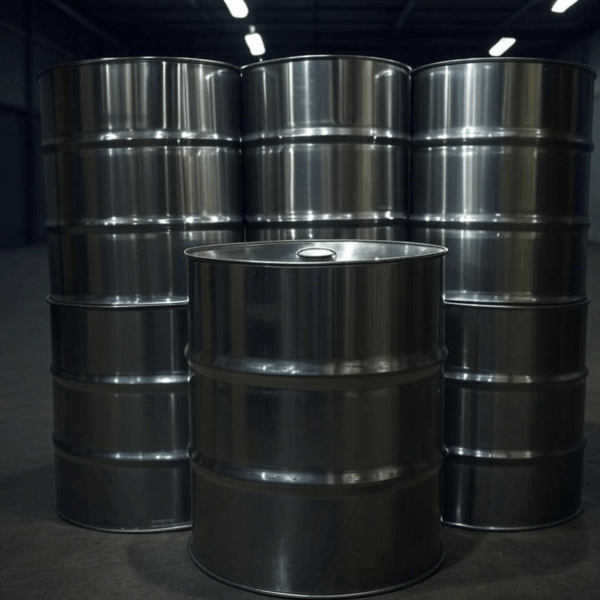
Stainless Steel Drums
These lids are removable , making filling and dispensing of products easy. They are offered in 4 to 85 gallon, with 55 gallon being the most popular.
Stainless steel material as we all know has high corrosion resistance, tensile strength, and reusability.
Due to this, stainless steel drums have become a widely popular choice for storing liquid and granulate substances.
These include food, industrial chemicals, and pharmaceuticals. Generally, the features of stainless steel drums make them suitable for containing hazardous and volatile materials , or rather, materials that require drum purity and compatibility.
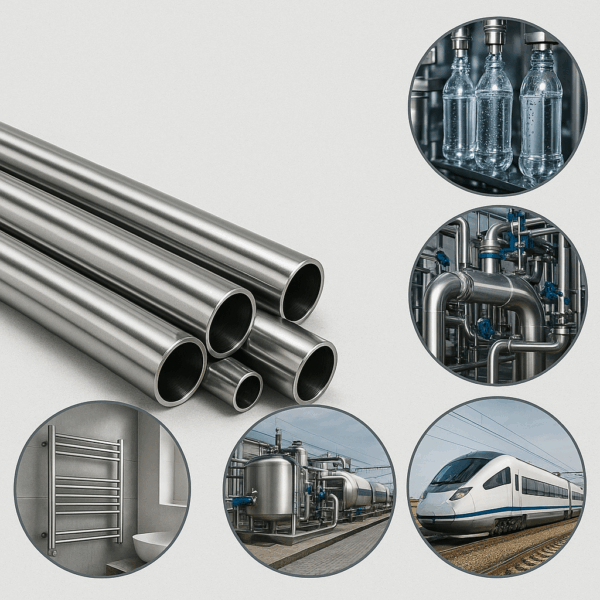
Stainless Steel Pipe
A stainless steel is an alloy of steel known for its corrosion resistance due to the addition of chromium and other elements. These pipes are widely used for transporting fluids and gases, especially in industries where corrosion resistance is crucial, such as chemical processing, oil and gas, and food and beverage. Stainless steel’s alluring finish is paired with low maintenance needs, making it a premium choice for architectural elements. The material’s natural resistance to corrosion surpasses that of most other metals, ensuring that installations remain pristine with very minimal upkeep.
Stainless steel pipes are available in various grades such as 304, 316, 304 L and 316 L (low carbon) for authentic applications, grade 403 for high corrosion resistance, Duplex Stainless Steels that have a mixed austenitic-ferritic microstructure, offering a combination of high strength and good corrosion resistance. They are often used in demanding applications. There are also other grades like 310, 321, and various duplex grades, each with specific properties suited for applications. Stainless steel pipes can be supplied from 1/8 inches to 36 inches in diameter and also different tolerances .
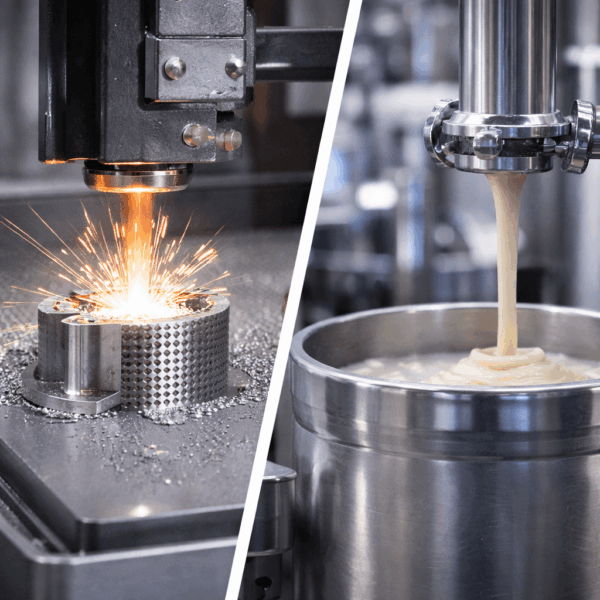
Stainless Steel Powder Type 304
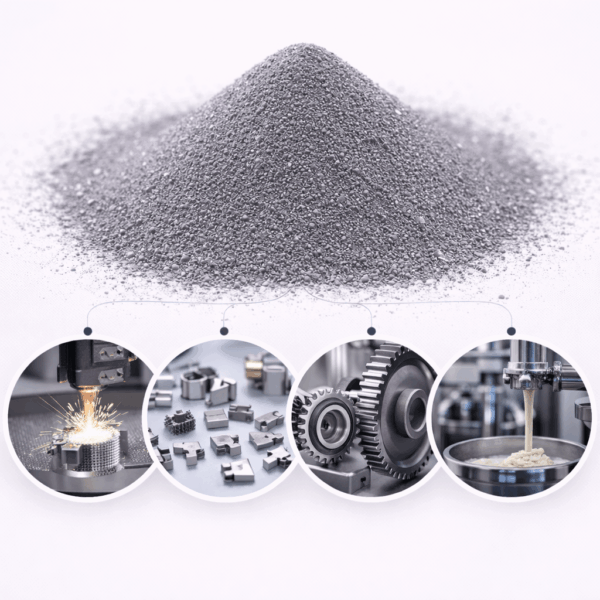
Stainless Steel 304 Powder is available in different production types, including water-atomized, gas-atomized, and spherical powders, offered in a wide range of particle size distributions to suit specific processes. Chemically, it is based on the classic 18-8 composition, containing approximately 18–20% chromium and 8–10.5% nickel, with iron as the balance and very low carbon content. This composition provides excellent resistance to oxidation and corrosion in mildly aggressive environments. Type 304 stainless steel powder is extensively used in powder metallurgy, metal injection molding (MIM), additive manufacturing and 3D printing, thermal spraying, sintered filters, and structural components. It is also applied in automotive parts, chemical equipment, food-grade components, and industrial tooling where hygienic properties and long service life are required. Key technical characteristics include flowability, apparent density, particle morphology, and controlled oxygen levels, ensuring stable performance during sintering or melting processes.
Stainless Steel Powder Type 304 can packed in sealed steel drums, plastic drums, vacuum-sealed bags, or 25 kg cartons, depending on particle size and customer requirements. Packaging is designed to protect the powder from moisture, contamination, and oxidation during storage and transportation. With its balanced alloy composition, broad application range, and proven industrial reliability, Stainless Steel 304 Powder remains a preferred choice for manufacturers seeking high-quality stainless steel performance in powder form.
stainless Steel Powder Type 316
Stainless Steel Powder Type 316 is available in different particle sizes, mesh ranges, and packaging weights according to manufacturing requirements. Common commercial sizes include fine powders below 20 microns for additive manufacturing and advanced coating applications, 20–45 microns for metal 3D printing, 45–106 microns for powder metallurgy and thermal spraying, and larger mesh grades for industrial processing. Available grades include 316L Stainless Steel Powder, which is preferred for medical, dental, and additive manufacturing applications due to its low carbon content and enhanced corrosion resistance; 316 Stainless Steel Powder, commonly used for industrial components and wear-resistant coatings; and spherical 316 Powder, designed for laser powder bed fusion (LPBF), electron beam melting (EBM), and metal injection molding processes. Packaging options usually include 1 kg, 5 kg, 10 kg, 25 kg, and customized industrial bulk packaging depending on customer requirements.
Stainless Steel Powder 316 is widely used in aerospace, automotive, marine, chemical processing, pharmaceutical equipment, food processing machinery, medical implants, laboratory instruments, filtration systems, and precision engineering industries. Its major advantages include outstanding corrosion resistance, excellent mechanical strength, high durability, good weldability, superior dimensional accuracy, and compatibility with modern manufacturing technologies. Due to its stable performance in aggressive environments, Stainless Steel Powder Type 316 is an ideal material for producing complex metal parts, protective coatings, sintered components, and customized industrial products through powder metallurgy and additive manufacturing methods. Manufacturers and exporters supply SS316 powder according to international standards such as ASTM, ISO, and customer-specific technical specifications.
Standard Polyurethane Top Coat
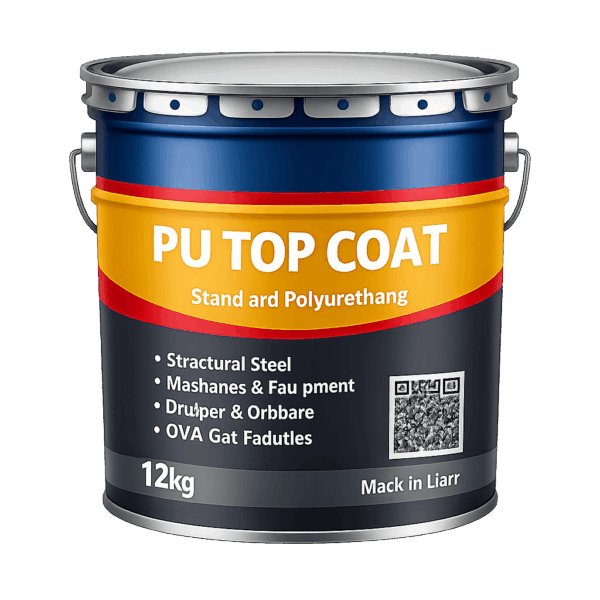
standard PU top coats are based on a reaction between polyols and isocyanate hardeners, forming a dense and flexible cross-linked film. They offer outstanding resistance to abrasion, impact, chemicals, oils, fuels, and moisture. These coatings exhibit excellent UV stability, color retention, and weather resistance, making them suitable for both indoor and outdoor use. Standard polyurethane top coats provide smooth flow, high leveling, and strong adhesion to prepared substrates. They can be applied by spray, brush, or roller, depending on project requirements. Typical substrates include steel, concrete, aluminum, galvanized surfaces, and previously coated systems. Available in gloss, semi-gloss, and satin finishes, PU top coats ensure consistent appearance and surface protection. Fast curing and good recoating properties improve productivity in industrial painting operations.
Standard PU top coats are widely used in steel structures, industrial machinery, storage tanks, pipelines, automotive components, marine equipment, and factory floors. They are preferred for projects requiring a balance between performance, cost efficiency, and long service life. These coatings comply with common industrial standards and are compatible with most epoxy and polyurethane systems. With easy maintenance, long durability, and excellent visual finish, standard polyurethane top coats are a trusted solution for professional industrial coating applications worldwide.
Stearic Acid
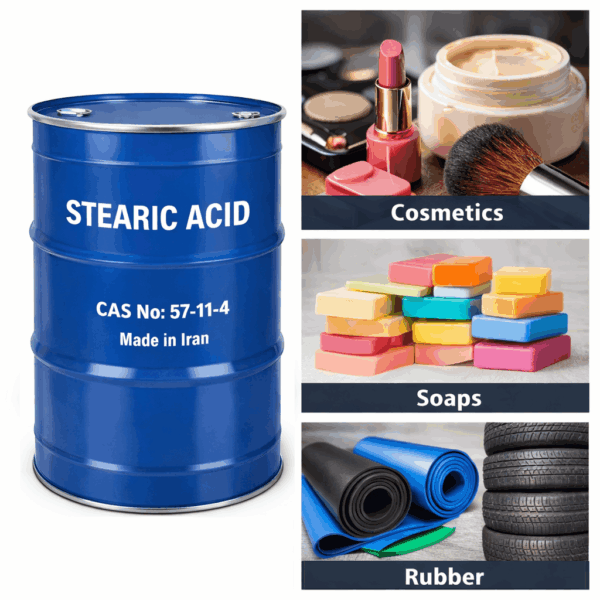
Its stability and performance make Stearic Acid a critical ingredient in modern manufacturing processes. Stearic Acid is available in technical, refined, cosmetic, and pharmaceutical grades, allowing precise selection for specific applications. Key features include high purity, low moisture content, excellent oxidative stability, and uniform particle size. Typical technical parameters include acid value, iodine value, saponification value, melting point, and color (APHA), ensuring consistent quality and reliable processing. Stearic Acid exhibits strong thickening, hardening, and emulsifying properties, making it essential in creams, lotions, soaps, candles, and lubricants. It is compatible with a wide range of fatty acids, waxes, and surfactants, enhancing texture and stability in formulations. Its saturated structure provides resistance to oxidation and high-temperature stability. Packaging options include drums, bags, IBCs, and bulk supply to meet commercial and industrial needs efficiently.
Stearic Acid is widely applied in soaps and detergents, cosmetics and personal care products, candles, lubricants, metalworking fluids, rubber and plastic processing, alkyd resins, and chemical intermediates. Its versatile performance, consistent global availability, and renewable sourcing make it a preferred choice for manufacturers seeking high-quality, reliable, and sustainable fatty acid solutions for a broad range of industries.
Steel Billet
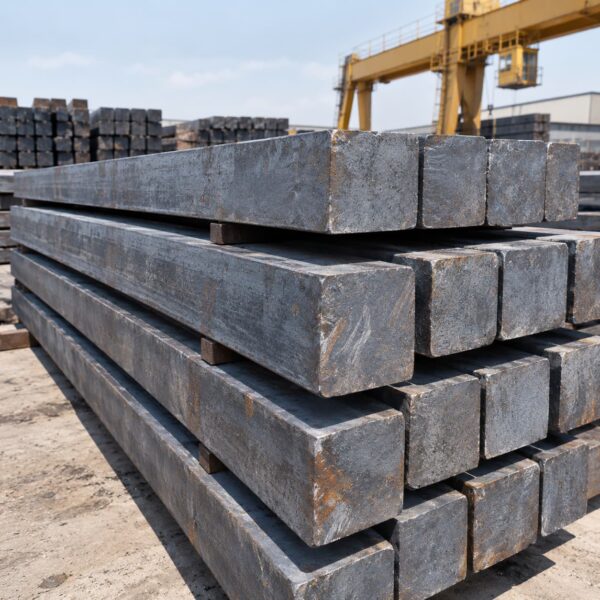
Commercial Steel Billets are available in different grades and dimensions to meet the requirements of construction, infrastructure, mechanical engineering, automotive components, industrial fabrication, and general steel processing. Common products include low-carbon billets for general-purpose rebar and structural products, medium-carbon billets for applications requiring higher strength and hardness, and alloy steel billets for specialized engineering and mechanical components. Typical billet dimensions include 100 × 100 mm, 120 × 120 mm, 130 × 130 mm, 150 × 150 mm, and 160 × 160 mm, although other dimensions can be manufactured according to mill capability and buyer specifications. The chemical composition, carbon equivalent, surface condition, internal quality, dimensional tolerance, and mechanical properties are important factors when selecting Steel Billet for further rolling. High-quality billets offer consistent chemistry, reliable internal structure, good surface quality, controlled dimensional accuracy, and stable performance during reheating and rolling, helping steel mills reduce production losses and maintain consistent quality in finished products.
Steel Billets are normally supplied in bundles or secured lots, with packing and marking arranged according to the buyer’s requirements, transportation method, and destination-country regulations. Commercial shipments can be supplied in bulk quantities suitable for steel mills, rolling mills, fabricators, and international distributors, while loading arrangements may include direct loading onto trucks, railway wagons, or vessels depending on the logistics route. Before shipment, billets can be inspected for dimensions, chemical composition, surface condition, and other agreed quality parameters, with documentation such as a Mill Test Certificate, Certificate of Analysis, packing list, commercial invoice, and certificate of origin available when required. The combination of consistent metallurgical quality, flexible grade selection, efficient downstream processing, and suitability for large-volume production makes Steel Billet an important feedstock for the global steel industry.
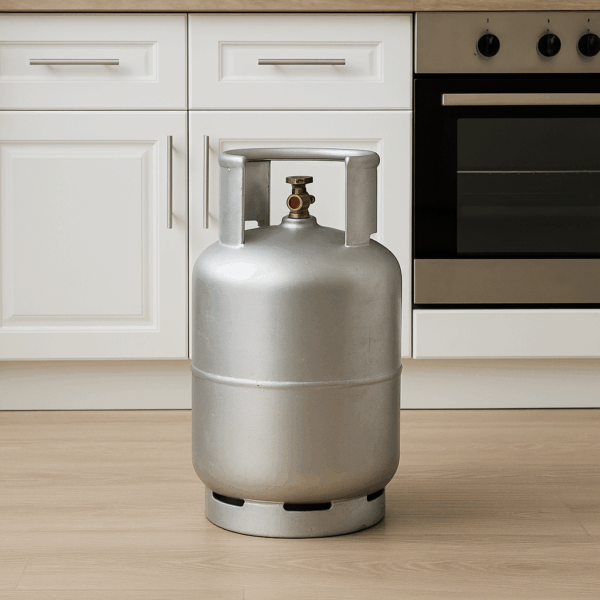
Steel LPG Gas Cylinders
A gas cylinder is a pressure vessel for storage and containment of gases at above atmospheric pressure, A full LPG gas cylinder contains 86% liquid; the ullage volume will contain vapour at a pressure that varies with temperature. When the cylinders are filled with LPG, a pressure ranging from 12 – 18 bar gets created inside the LPG cylinder.
Many sizes can be produced according customer request but normally the 1 KG to 3 KG are for trip and camping ,The 5 kg and 14.2 kg cylinders are largely meant for domestic use and comprise almost 90% of all gas distributed,, while the 19 kg and above Jumbo cylinders are marketed for industrial and commercial consumption. Each cylinder is produced from 2 or 3 parts and The welding done on the cylinder is known as Submerged Arc – Welding (SAW). In SAW the strength of the weld junction is more than the strength of the parent material. The strength is more in order to prevent leakage which can be catastrophic.
Steel cylinders are often used because they are harder and more resistant to external surface impact and abrasion damage, and can tolerate higher temperatures without affecting material properties.
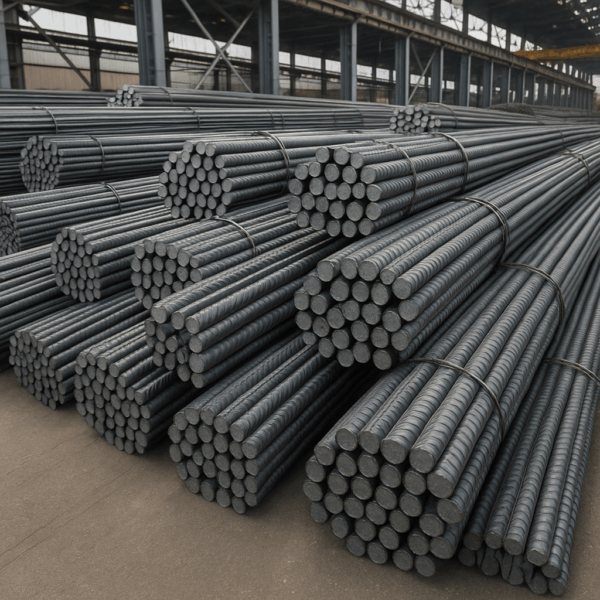
Steel Rebar
The production process of steel rebar begins with high-grade steel billets that are heated at controlled temperatures and passed through a series of rolling stands to achieve the required dimensions and mechanical properties. After hot rolling, the bars undergo cooling, straightening, cutting, inspection, and quality testing according to international standards such as ASTM, BS, DIN, and EN specifications. Steel rebars are available in commercial types including plain round bars, deformed bars, ribbed rebars, and high-strength reinforcement bars. Deformed steel rebar with enhanced surface ribs is widely used for reinforced concrete applications because of its superior bonding strength with concrete.
Steel rebar is extensively used in residential buildings, commercial complexes, bridges, highways, tunnels, dams, industrial facilities, foundations, and large infrastructure projects. Available sizes typically range from small diameter bars for general construction to large diameter reinforcement bars for heavy-duty applications. The main advantages of steel rebar include high tensile strength, excellent concrete adhesion, durability, flexibility, resistance to structural stress, and cost efficiency. Export packages are prepared according to customer requirements and may include bundled bars with steel straps, protective wrapping, labeling, and documentation for international shipment. With competitive pricing, consistent quality, and reliable supply capacity, our steel rebar products are an ideal choice for global construction markets.
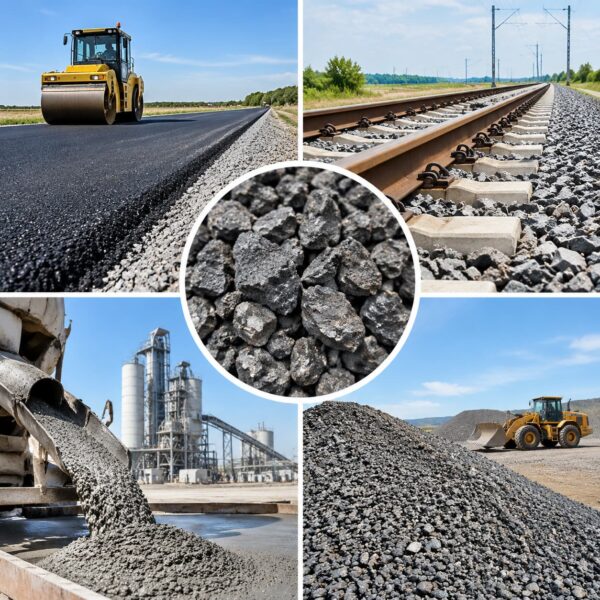
Steel Slags
Steel Slag is available in different grades depending on production method, particle size, chemical composition, and end-use requirements. BOF Steel Slag is mainly used in road construction, railway ballast, cement production, and aggregate applications because of its high strength and stability. EAF Steel Slag is commonly used in construction aggregates, asphalt mixtures, concrete production, and industrial flooring due to its excellent mechanical properties. Granulated Steel Slag with finer particle size is suitable for cementitious applications and can improve strength, durability, and environmental performance of cement products. Steel Slag Powder is used as a mineral additive in cement, concrete, soil stabilization, and specialized construction materials. Different screened grades such as coarse aggregate, fine aggregate, and powder grades are supplied according to customer specifications for construction and industrial projects.
Steel Slag offers several advantages including high compressive strength, excellent resistance to wear, good load-bearing capacity, improved sustainability, and reduced dependence on natural stone resources. It contributes to environmentally friendly construction by recycling steel industry waste and reducing landfill disposal. Due to its superior physical characteristics, Steel Slag is widely applied in highways, railways, concrete structures, asphalt pavement, cement manufacturing, land reclamation, soil improvement, and industrial projects. Strict quality control including chemical analysis, particle size classification, and removal of metallic impurities ensures consistent performance for international buyers. As a reliable industrial material, Steel Slag provides an economical and sustainable solution for companies looking for high-performance construction and metallurgical products for wholesale export markets.
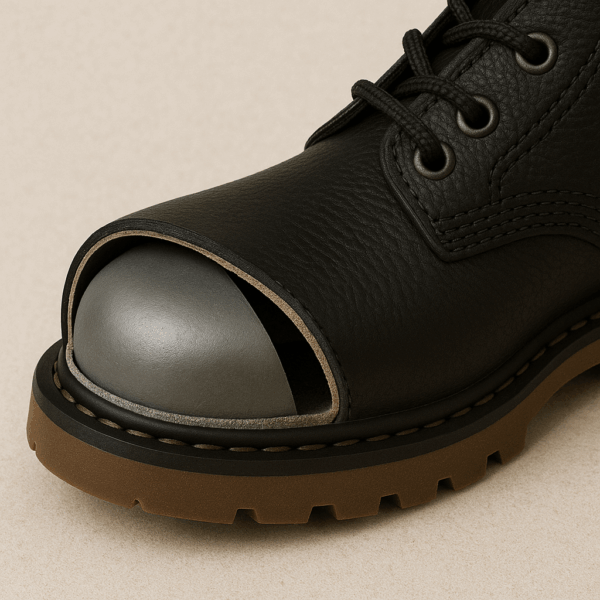
Steel Toe Work Shoes
Some Steel Toe Work Shoes are also designed to protect against compression, punctures, and cuts. They are a popular choice for warehouses, manufacturing facilities, and construction sites where foot injuries are a risk. Steel toe work shoes , also known as safety boots or steel-capped boots, feature a steel capping over the toe area to provide protection against falling objects. One of the most popular and reliable choices for protective footwear, steel toe shoes are ideal for warehouses, manufacturing plants, and other industrial sites working with heavy machinery and objects.
These shoes incorporate a steel cap or toe box, often made of heavy-duty steel, inside the toe area of the shoe. This steel reinforcement provides a barrier against impact and compression forces.