

 Arabic
shop
Sheepskin
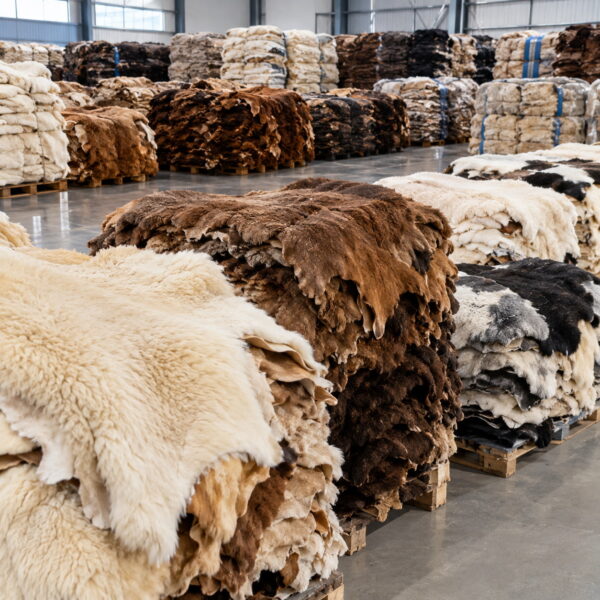
Sheepskin is available in several forms according to its preservation condition, animal age, wool characteristics and intended end use. Salted sheepskin is one of the most widely traded forms and is suitable for international buyers who require preserved raw skins for subsequent industrial processing. Fresh or chilled sheepskin can be supplied when rapid transportation and immediate processing are available, while dried sheepskin may be selected for markets where dry preservation and longer storage are preferred. Lambskin, obtained from younger sheep, is generally recognized for its finer and softer fleece and can be used in applications where a more delicate wool texture is required. Mature sheep skin can provide a different combination of skin size, wool length and fiber characteristics and is commonly selected according to the requirements of the final processing industry.
Sheepskin can also be categorized commercially according to wool length, including short-wool, medium-wool and long-wool skins, although the exact classification and acceptable specifications depend on the buyer and destination market. Wool color is another important commercial factor, with white and light-colored sheepskin often preferred for applications where dyeing or further color processing is required, while naturally colored skins can be used where the original appearance of the fleece is desirable. The main applications of sheepskin include the production of natural sheepskin rugs, wool products, decorative pelts, footwear components, slippers, winter accessories, seat covers, interior products and other wool-based goods. Selected sheepskins are also used for high-quality comfort products because natural wool can provide warmth, softness and a pleasant tactile surface. In the automotive and interior sectors, suitable sheepskin pelts may be processed into seat covers and decorative coverings, while in the footwear and apparel industries, specific grades can be used for warm footwear, slippers, coats and other cold-weather products. The suitability of a particular sheepskin for each application depends heavily on wool density, fiber length, softness, cleanliness, skin size and overall condition. For wholesale export, buyers normally specify the required preservation method, skin size, wool length, wool quality, color, moisture condition and acceptable defect level before purchasing. This allows suppliers to prepare and sort the material according to the technical and commercial requirements of the target market.
Sheet Metal Screw
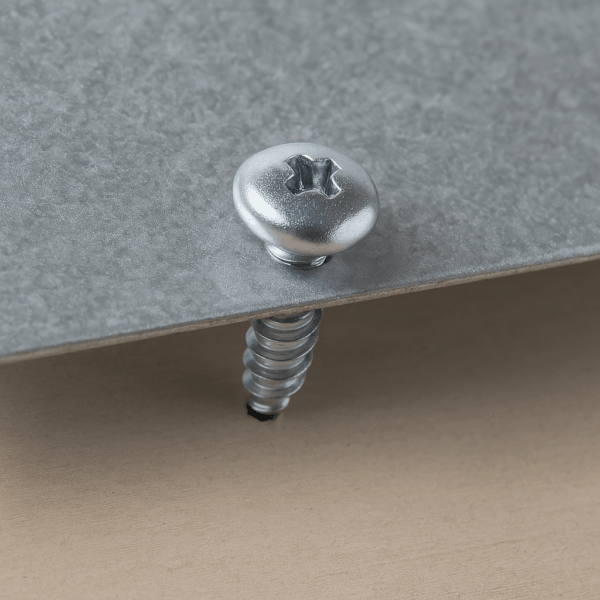
Usually made from steel, these screws are designed to self-tap through metal, making them sharp and durable. Available in a range of sizes with sharp points and flat or hex heads, these heavy-duty screws are versatile and reliable. Sheet metal screws are characterized by the presence of exterior threading covering their entire shank. The exterior threading doesn’t begin until part of the way up the screw’s shank. Sheet metal screws are distinguished from other screws by featuring a shank that’s completely covered with external threading.
Shoemaking Nails & Tacks
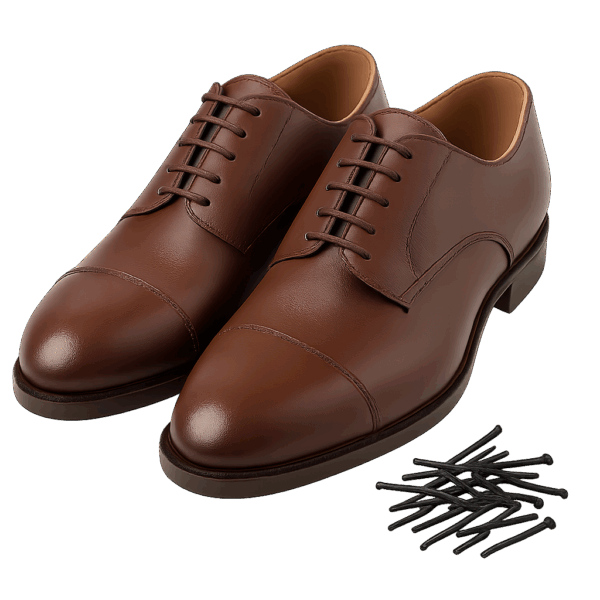
Nails must be of suitable strength, with a shank that is long enough to provide an appropriate attachment. Shoemaking nails are small, sharp fasteners used in the process of making shoes. They are essential for securing shoe components, especially insoles and heels. Shoemaking nails come in various sizes, typically ranging from 6mm to 26mm, with specific lengths used for different parts of the shoe. Common types include tacks, lasting nails, and buttress heel nails, each with distinct characteristics and applications.
Short Oil Alkyd Top Coat
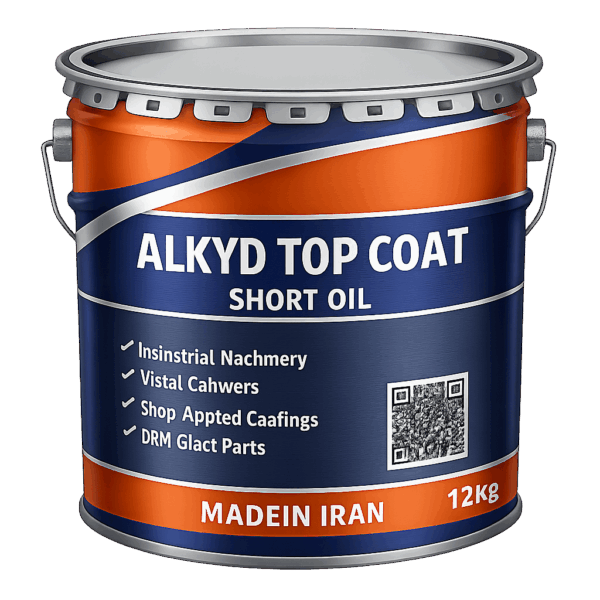
It is widely used in industrial environments that demand durability and efficient production and from a technical perspective, short oil alkyd top coat is formulated using specially selected short oil alkyd resins that provide rapid drying, high surface hardness, and excellent adhesion. The cured film offers good resistance to abrasion, impact, and handling damage. Compared to longer oil alkyds, it exhibits lower flexibility but higher mechanical strength and better chemical resistance. Smooth flow and leveling allow uniform finishes when applied by spray, roller, or brush over properly prepared and primed substrates.
Short oil alkyd top coats are commonly applied on machinery, equipment frames, metal furniture, panels, and industrial components requiring fast handling and recoating. They perform best in controlled indoor or semi-outdoor environments with moderate exposure conditions. The coating supports high production speed and reduced downtime. Available in various colors and gloss levels, short oil alkyd top coats provide an efficient and cost-effective solution for durable industrial finishing systems.
Shoulder Bolt
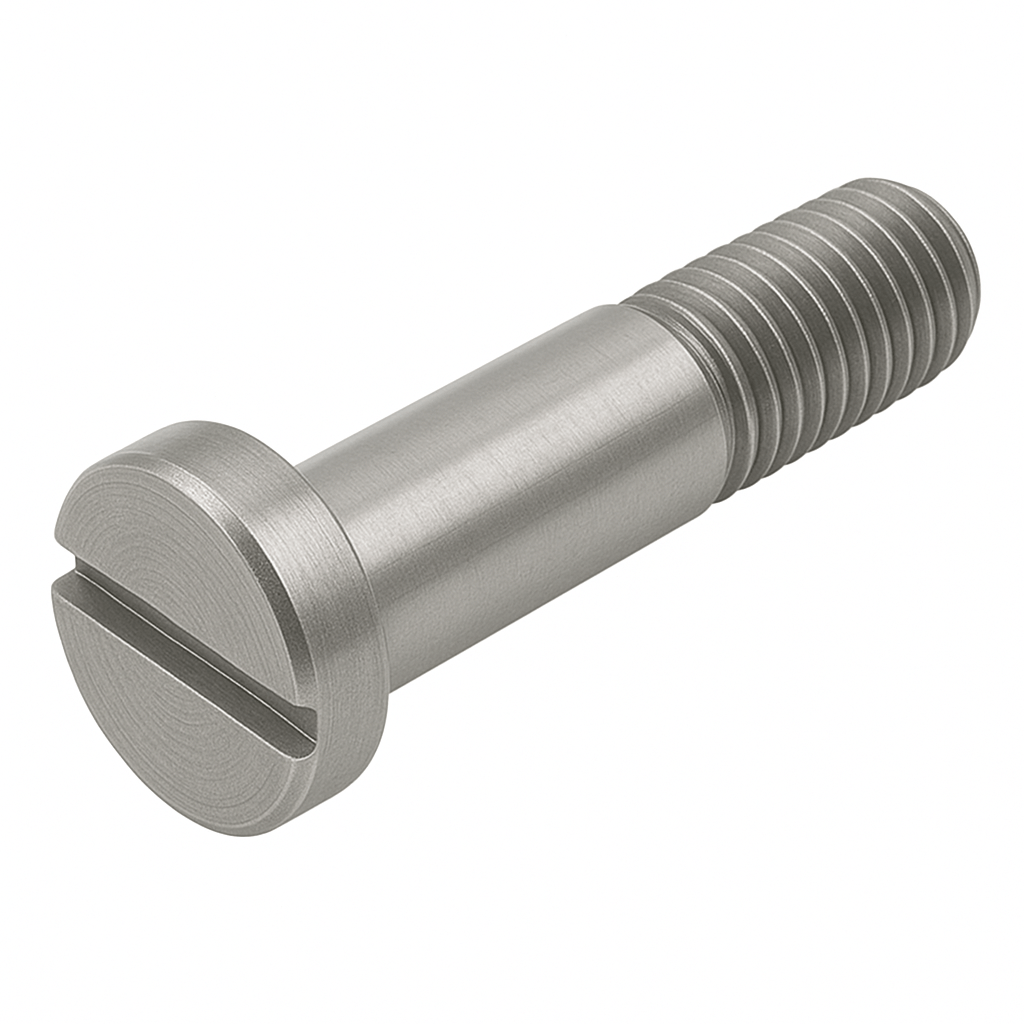
The screw’s head, which has the greatest diameter part and serves as both a bearing surface and a drive mechanism (slotted, hex, etc.) for installing it, prohibits the screw from being inserted any further than its length. The center, smooth region of the screw called the shoulder is where the workpieces’ lateral movement is contained. The threaded portion contains helixed grooves with a main diameter that is only marginally smaller than the shoulder diameter. This section is for insertion into a matching thread, such as a nut or tapped hole. The shoulder allows for controlled rotation or sliding of attached parts while maintaining alignment. Shoulder bolts are used in various applications where precise movement and secure attachment are needed, such as in machinery, automotive, and aerospace industries. The shoulder allows for rotation of one part while another part is fixed to the threaded portion.
Shrimp & Prawn
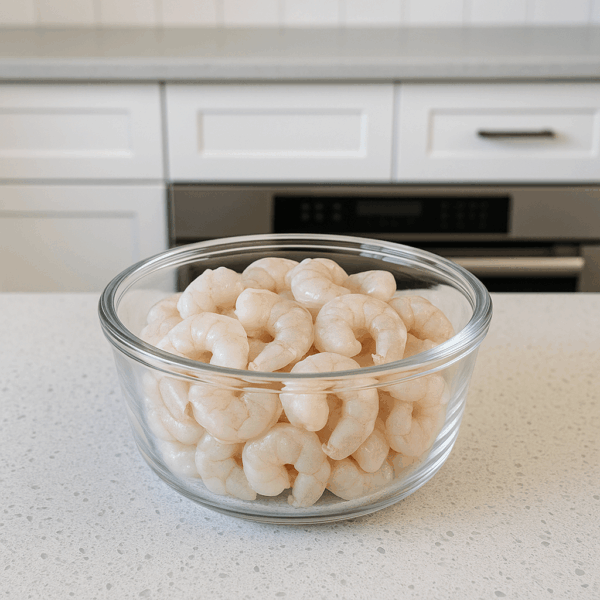
There are two types of shrimp, marine shrimp and farmed shrimp; approximately all of shrimp farmed in Iran is a species called “vannamei or the so-called western white species”,
Various Sizes of Exported Vannamei Shrimp are : 30-40 , 40-50, 50-60, 60-70, 70-80, 80-100, 100-120
” size means the total pieces of shrimps in one KG”
There are some types of marine shrimp from Iran which are:
- Green Tiger Shrimp
- Pink Tiger Shrimp
- banana shrimp
- Jinga shrimp
- Indian White Shrimp
- Giant Tiger Shrimp

Side By Side Refrigerator
This design allows for easy access to both fresh and frozen foods, with the doors running from the top to the bottom of the appliance. The design allows for efficient storage of items from top to bottom within each compartment. Side-by-side refrigerators have a larger overall storage capacity that make them suitable for a family . The top-to-bottom design can also include advanced features like in-door ice and water dispensers , drinking bar , control touch panel and …
Silica Powder
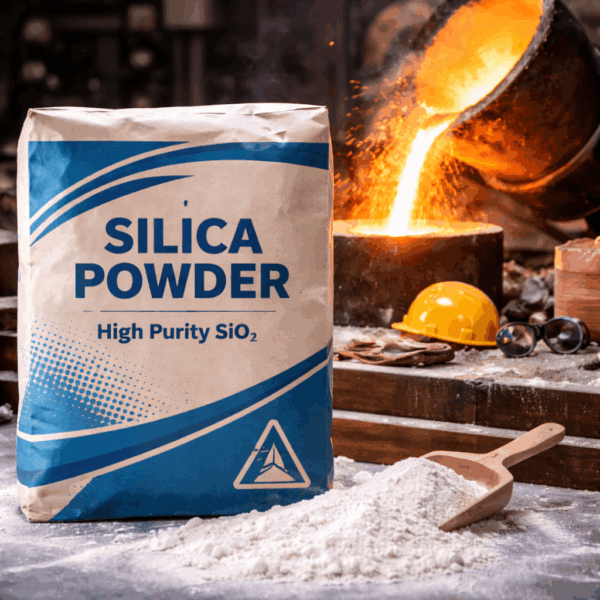
Industrial Grade Silica Powder with medium particle sizes is widely used in construction materials, cement products, concrete additives, and coatings due to its hardness, chemical stability, and resistance to abrasion. Fine and micronized Silica Powder grades are commonly applied as functional fillers in paints, coatings, adhesives, sealants, plastics, rubber compounds, and polymer industries where improved mechanical strength, durability, and dimensional stability are required. High Purity Silica Powder grades with very high SiO₂ content are suitable for glass manufacturing, ceramics, electronics, investment casting, and specialized applications requiring low impurity levels. Foundry Grade Silica Powder is used in molding sands and refractory materials because of its excellent thermal resistance and ability to maintain stability at high temperatures.
Silica Powder is available in different mesh sizes and micron grades such as 100 mesh, 200 mesh, 325 mesh, 400 mesh, 500 mesh, and ultra-fine micronized grades depending on the intended application. The main advantages of Silica Powder include high hardness, excellent chemical inertness, low thermal expansion, high melting point, good electrical insulation properties, superior abrasion resistance, and compatibility with many industrial formulations. Due to its versatile performance and wide industrial applications, Silica Powder is an important raw material for global markets including construction, glass, ceramics, paints, plastics, rubber, foundry, and chemical industries. Reliable manufacturers supply Silica Powder in customized particle sizes and packaging solutions suitable for wholesale export worldwide.
Silicon Adhesives & Sealants
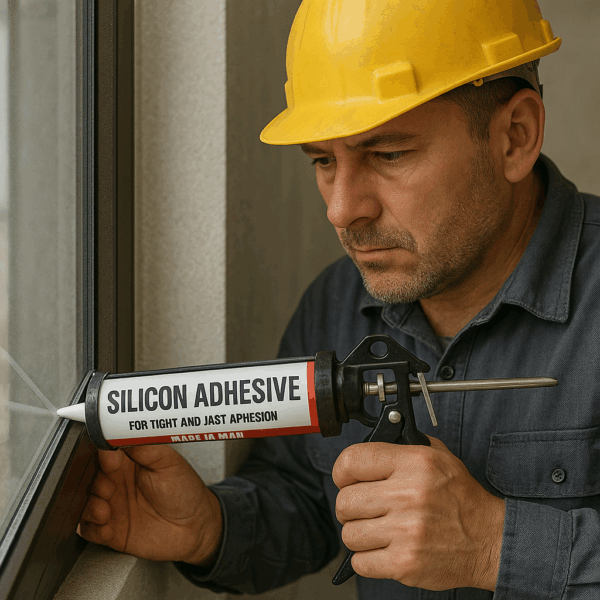
There are several types of silicone adhesives and sealants including
- high temperature silicone adhesive can withstand temperatures in excess of 600° F or 315° C and is resistant to aging, vibrations, and shock
- room temperature vulcanizing (RTV), is a mild adhesive that creates a gasket like adhesive when gluing two surfaces and develops a cushiony texture.
- silicone rubber sealant, It is often used for marine applications as a means for sealing and waterproofing boats due to its watertight properties.
- two part and single part silicon adhesives
- Fluorosilicone Adhesive contains trifluoropropyl, which increases its chemical resistance to solvents, fuels, oils, acids, and alkaline beyond silicone adhesives.
- Ultra-Violet ,Ultra-violet cured silicone adhesive has photoinitiators to activate the curing process.,
- Fast Cure Silicone that uses a two part platinum system and does not require air or moisture for the initiation of the process.
- Aquarium Silicone Adhesive that is used to keep the tank from leaking and attaching rocks, plants, and decorations. Since it dries clear and is unnoticeable, it is the ideal adhesive for aquarium use.

Silicon Base Grease
Silicone Base Grease has broad operating temperature capability, which enables reliable lubrication and protection in both relatively low- and high-temperature environments. Silicone grease generally maintains its physical stability over a wide temperature range and offers good resistance to oxidation, moisture, many chemicals, and atmospheric exposure, although the exact operating range depends on the silicone fluid, thickener, additives, and formulation grade. Its excellent dielectric properties make it particularly valuable for electrical connectors, terminals, ignition components, switches, sensors, cable connections, and other applications where lubrication must be combined with electrical insulation and moisture protection. In automotive applications, silicone grease is used for rubber seals, O-rings, brake-system components, electrical connections, weatherstripping, and various plastic or elastomeric components because it can reduce friction while helping protect surfaces from water and environmental exposure. In plumbing and industrial equipment, it is used for valves, seals, gaskets, faucets, pumps, pneumatic components, and mechanical assemblies requiring a water-resistant lubricant with good material compatibility. Silicone grease can also be formulated for use with plastics and elastomers, but compatibility should always be evaluated for the specific material and operating conditions because silicone formulations are not universally suitable for every polymer, seal material, or process environment. Depending on the required consistency, products may be supplied in NLGI grades such as NLGI 1, NLGI 2, or other customized consistencies, allowing users to select a grease suitable for manual application, assembly operations, sealing, or more specialized lubrication systems.
Silicone Base Grease is commercially supplied in several packaging formats selected according to order volume, application requirements, storage conditions, and transportation needs. Small-volume packaging commonly includes plastic or metal jars, tubes, cartridges, and pails designed for maintenance operations, workshops, assembly lines, and technical service applications, while larger industrial quantities can be supplied in 5 kg, 10 kg, 15 kg, 20 kg, 25 kg, 50 kg, or larger containers depending on the manufacturer’s standard packaging and customer requirements.

Silicon Heat Resistance Paint
silicone resins readily withstand temperatures in excess of 600 °C without being destroyed or suffering adhesion failure. Silicone heat resistant paint can be Modified with other resins, or combined with special pigments and fillers, silicone paint has good applying performance, drying performance, physical and chemical properties of the coating film and special heat resistance, and is widely used to protect the surface of a high-temperature working environment. The silicone high-temperature resistant paint can maintain good corrosion resistance at high temperatures such as boilers, exhaust pipes, engines.
Advantages :
- Outstanding heat resistance
- Good water resistance
- Good outdoor stability and color retention
- Electric insulation
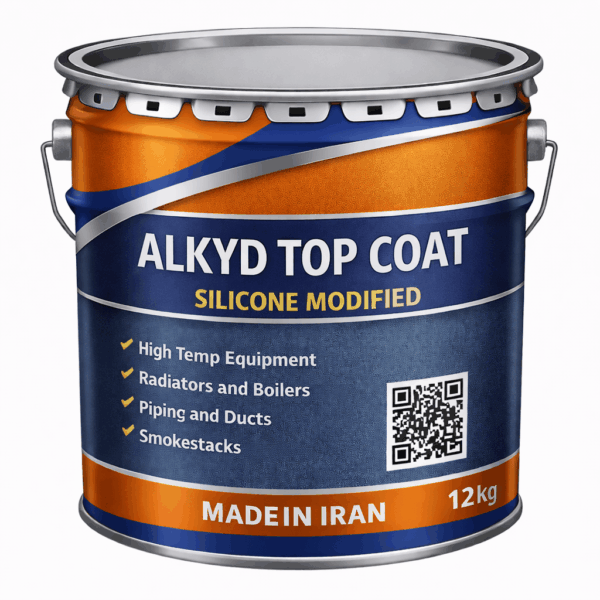
Silicone Modified Alkyd Top Coat
By incorporating silicone modification, this top coat provides superior protection in outdoor and industrial environments exposed to sunlight, heat, and atmospheric conditions. It is an ideal solution where extended service life and aesthetic stability are required. Silicone modified alkyd top coat is formulated using specially modified alkyd resins combined with silicone components that improve resistance to UV radiation, moisture, and temperature fluctuations. The cured coating forms a hard yet flexible film with excellent adhesion to properly prepared steel and metal substrates. It offers improved resistance to chalking, fading, and surface degradation under harsh weather exposure. Smooth flow and leveling properties allow easy application by spray, roller, or brush, resulting in uniform, high-gloss or semi-gloss finishes.
Silicone modified alkyd top coats are widely used on steel structures, industrial buildings, pipelines, storage tanks, chimneys, and outdoor equipment. They perform reliably in industrial plants, coastal areas, and high-temperature atmospheric conditions. The coating helps extend maintenance intervals and reduce long-term repainting costs. Available in various colors and gloss levels, silicone modified alkyd top coats provide an effective balance of durability, weather resistance, and cost efficiency for industrial and commercial coating systems.