

 Arabic
shop
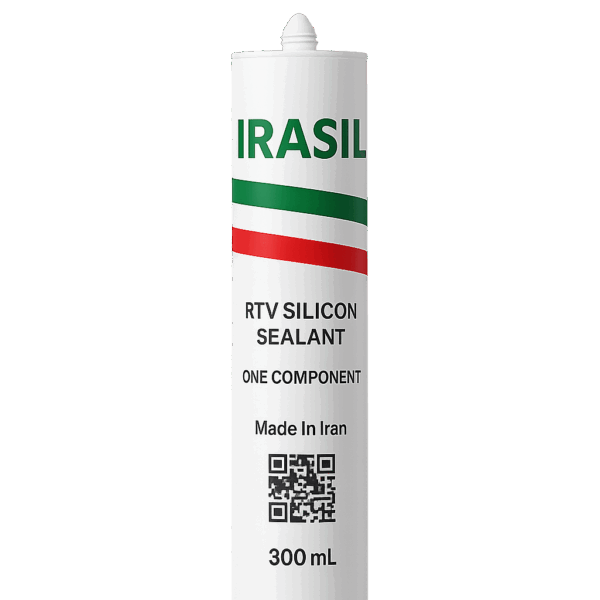
RTV Silicone Sealants- One Component
One-Component RTV Silicone Sealants provide strong, long-lasting adhesion with high elasticity, excellent weatherability, and resistance to moisture, ozone, UV radiation, chemicals, and thermal cycling. Their low shrinkage, smooth extrusion, and stable rheology ensure clean application and professional finishing across diverse substrates. Key advantages include non-corrosive curing, low odor, mold-resistant formulations, high movement capability, and superior aging performance even in extreme climatic conditions. Typical applications include window and façade sealing, glazing, sanitary joints, expansion joints, electrical insulation, appliance sealing, automotive gasketing, and general industrial bonding. Export-ready grades are supplied in 300 ml cartridges, sausage packs, and bulk pails, suitable for OEM manufacturing and international distribution.
Available Types
- Acetoxy RTV Silicone
- Neutral Cure RTV
- Anti-Fungal Sanitary RTV
- High-Temperature RTV (up to 300°C)
- Low-Modulus façade RTV
- High-Modulus
- structural RTV
- Specialty industrial RTV grades for gasketing and electrical potting.
We also offer fast-cure RTV, paintable hybrid RTV, UV-resistant outdoor RTV, and automotive-grade RTV optimized for vibration and oil resistance.
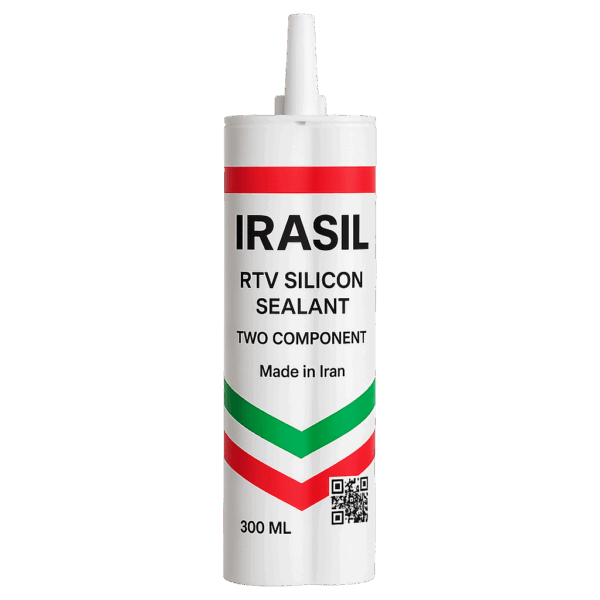
RTV Silicone Sealants- Two Component
This advanced formulation consists of a base compound and a curing agent that react at room temperature to form a durable, flexible silicone rubber with exceptional stability and long-term sealing performance. 2K RTV silicone provides accelerated, uniform curing regardless of humidity or joint depth, making it ideal for thick sections, deep cavities, and large-volume casting or bonding applications. Its optimized chemistry ensures consistent hardness, minimal shrinkage, and excellent adhesion to metals, ceramics, glass, composites, engineered plastics, and treated substrates.
Key advantages include controlled working time, rapid full cure, high tear strength, excellent elongation, resistance to UV, moisture, oils, chemicals, and thermal cycling, and long service life even under harsh outdoor or industrial conditions. The non-corrosive curing mechanism is compatible with sensitive metals and electronic assemblies.
Typical applications cover curtain wall and façade construction, structural bonding, large-gap sealing, electrical potting, LED modules, appliance assembly, vibration damping, and gasketing in machinery and automotive parts. Two-Component RTV systems also support precise metering and automated dispensing for OEM manufacturing. Export-ready products can be supplied in pre-measured kits, bulk pails, and drums, offering consistent quality and competitive prices.
Available types include structural two-component RTV, low-modulus façade sealants, high-modulus industrial grades, potting and encapsulation formulations, electronic-grade 2K RTV, thermally conductive silicone, flame-retardant RTV, and high-temperature grades for automotive and aerospace environments. Color options such as clear, white, gray, and black support diverse industrial needs.

Running Shoes
Running Shoes differ from other types of athletic shoes, like training shoes, by offering more midsole cushioning and arch support to absorb impact and protect against overuse injuries. In running shoes the bottom layer, provides grip and durability, with materials like rubber or carbon rubber for traction and wear resistance. The cushioning layer, often made of EVA or other foams, absorbs impact and provides energy return. The inner layer, offering comfort, moisture-wicking, and support. the top part of the shoe, usually made of breathable mesh and synthetic materials, provides structure and ventilation.
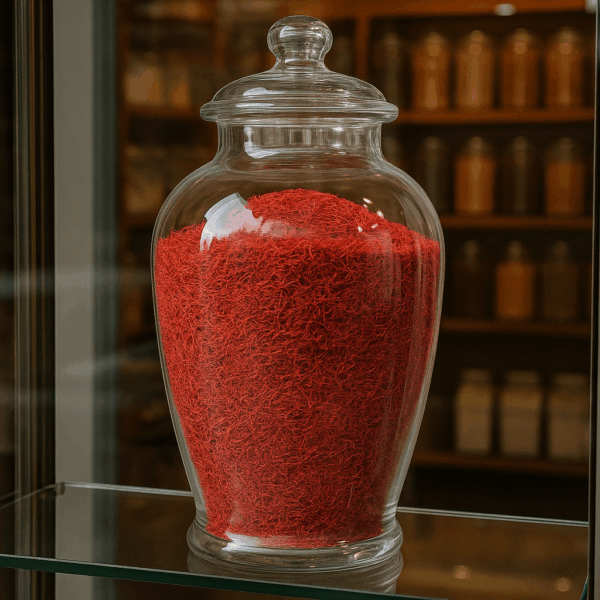
Saffron
Iranian Saffron has a broad range of applications across the food, beverage, nutraceutical, cosmetic, pharmaceutical, and specialty ingredient industries. In the food industry, saffron is used as a natural coloring, flavoring, and aromatic ingredient in rice dishes, sauces, soups, meat products, seafood, dairy products, bakery products, biscuits, cakes, chocolates, desserts, ice cream, confectionery, and ready-to-eat foods. Saffron threads are particularly suitable for premium culinary products, luxury food presentations, spice blends, and retail packaging, while saffron powder offers convenient dosing and rapid dispersion for industrial food production.
Negin Saffron, with its visually attractive red stigmas, is commonly selected for premium retail, gourmet foods, hospitality, and high-value culinary applications.
Sargol Saffron, consisting mainly of red stigma portions without the yellow style, is suitable for food manufacturers, spice companies, restaurants, and premium culinary products.
Pushal Saffron contains red stigmas with a portion of the yellow style and can be used in conventional food processing and spice applications.
Saffron Powder is widely used where uniform blending, precise dosage, and efficient industrial processing are important.
Beyond food applications, saffron is used in specialty beverages, herbal products, nutraceutical formulations, cosmetics, personal-care preparations, fragrances, and other value-added products, subject to applicable regulations and formulation requirements.
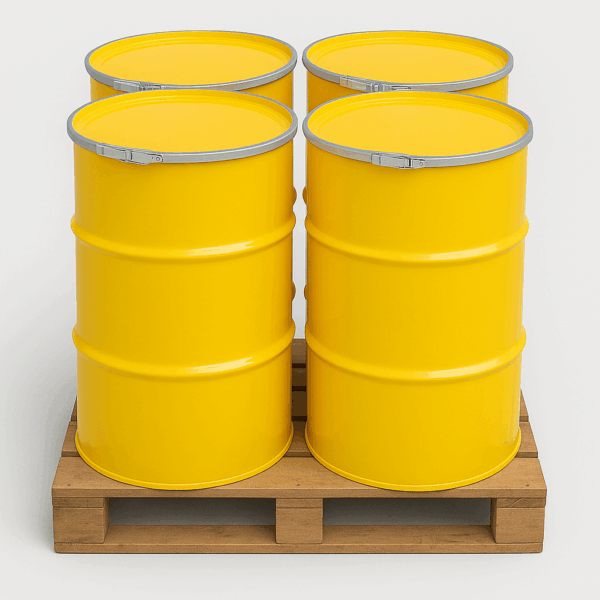
Salvage Drums
These drums are made of carbon steel, stainless steel and Drum accessories are also available for your needs.
Salvage Drums are designed to contain packages of hazardous materials that are damaged, defective, or found leaking. The drums are regulated by the Department of Transportation (DOT) under 49 CFR 173.3 (c). If a company or shipper has a leaking package of hazardous material, sorbents or rags used on a spill or leak, and they wish to ship them across public roads, they must use a Salvage Drum under the restrictions of 173.3 (c).
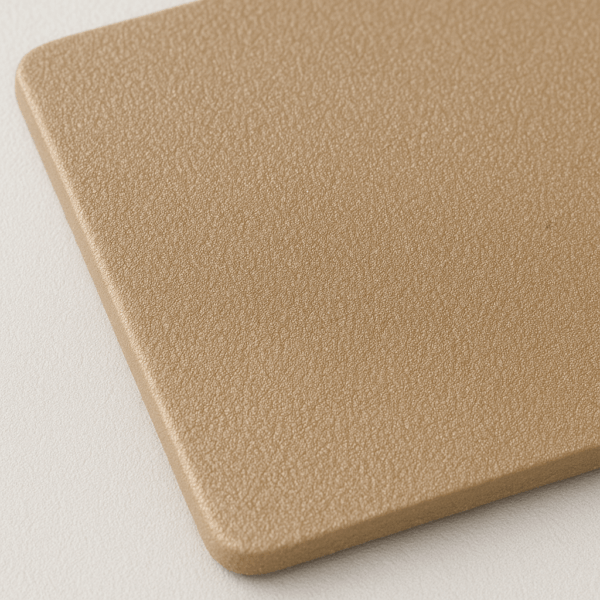
Sand Texture Powder Coating
This coating provides a unique tactile feel and visually uniform texture, making it ideal for outdoor furniture, security doors, fences, toolboxes, lighting fixtures, automotive accessories, gym equipment, metal cabinets, office furniture, industrial machinery housings, and architectural components. Sand Texture Powder Coating is formulated with high-durability polyester or hybrid resins, texture-forming additives, mineral fillers, flow modifiers, UV absorbers, anti-yellowing agents, and corrosion inhibitors, Sand Texture Powder Coating ensures stable texture formation and long-term performance under harsh conditions. It is available in matte and ultra-matte versions, with color options ranging from black sand, grey sand, and bronze sand to custom textured metallic shades. The coating provides excellent resistance to scratching, moisture, chemicals, outdoor weathering, and mechanical impact.
The production process of Sand Textured Powder Coatings starts with precise premixing of resin systems with texture additives and mineral fillers, followed by controlled extrusion at low shear to maintain texture integrity. After cooling and flaking, the material is micronized and sieved to ensure consistent particle distribution. Key advantages include zero VOC emissions, high durability, exceptional coverage, excellent defect-masking capability, anti-slip performance, and minimal maintenance requirements. Sand Texture Powder Coating is the ideal choice for manufacturers seeking a durable, attractive, and functional textured finish for industrial and commercial applications.

Sandals
Sandals, a staple of summertime ease, stand out because of their open design. They offer a breezy comfort unmatched by other footwear. From strappy gladiators to the chunky, futuristic platforms that defy tradition, sandals truly embody versatility. Whether paired with airy sundresses or denim shorts, they improve any ensemble. Ideal for beach escapades, leisurely city strolls, or backyard gatherings, sandals serve foot-friendly fashion. Sandals are a type of open-toed footwear consisting of a sole secured to the foot with straps or thongs that go over the instep and around the ankle or heel. They are often chosen for warm weather due to their breathability and comfort, and come in various styles, heel heights, and materials.
Sandals have become a fashion staple, with numerous styles and designs available to suit different tastes. A sole also can be attached to the foot using straps or thongs that can vary in width and design. Other different types of sandals are available to supply such as heeled sandals , sport sandals, gladiator sandals and thong sandals.

Sandwich Cream Biscuits
Available commercial varieties of Sandwich Cream Biscuits are supplied in different flavors, sizes, shapes, and weight categories to meet various market requirements. Common grades include Vanilla Cream Sandwich Biscuits for general retail consumption, Chocolate Cream Biscuits for chocolate-flavored snack markets, Cocoa Sandwich Biscuits for premium biscuit categories, Strawberry Cream Biscuits for fruit-flavored products, Milk Cream Biscuits for children and family consumption, and Customized Private Label Cream Biscuits for international distributors and supermarket brands. These biscuits are commonly available in individual packs of 20–30 grams, small family packs of 50–150 grams, medium packs of 200–300 grams, and bulk export cartons containing multiple retail packs. Depending on the customer requirements, manufacturers can provide different shapes including round, rectangular, square, and customized designs with various cream filling thicknesses and flavors.
Sandwich Cream Biscuits are suitable for applications in retail food markets, supermarkets, convenience stores, school snack programs, hospitality industries, catering services, and food distribution networks. The product advantages include excellent taste, consistent quality, attractive packaging, easy transportation, extended shelf life, and suitability for international export. High-quality production under food safety systems ensures product hygiene, uniform texture, stable cream filling, and customer satisfaction. Export-grade Sandwich Cream Biscuits can be supplied according to international food standards with customized packaging, private labeling, and different formulations according to destination market preferences. Their combination of affordability, convenience, and consumer demand makes them a valuable product for food importers and wholesale distributors worldwide.

Saturated Polyester Resin for Automotive Paints
These resins are widely applied in OEM & refinish coatings, bumper paints, car body panels, plastic parts, powder-clear topcoats, and metallic basecoats. The main raw ingredients include purified terephthalic acid (PTA), isophthalic acid (IPA), neopentyl glycol (NPG), cyclohexane dimethanol (CHDM), adipic acid, and controlled polyol blends. Formulation additives often include UV absorbers, HALS stabilizers, leveling agents, flow modifiers, adhesion promoters, and anti-yellowing packages to guarantee premium automotive performance. The polymer architecture is optimized for flexibility, scratch resistance, and high-definition surface appearance. High-weather UV-boosted polyesters for metallic auto paints can support water-borne, solvent-borne, and powder topcoat systems depending on customer demand.
Saturated polyester resins for automotive paints have some advantages such as superior UV resistance, outstanding gloss durability, excellent impact and stone-chip resistance, and long-term anti-corrosion stability under sun, rain, fuel and salt-spray exposure. These resins improve leveling, color uniformity, and metallic/pearlescent reflection, making them ideal for high-class automotive coatings. Their chemical strength supports resistance against gasoline, oils, detergents, brake fluids, and automotive cleaning agents.
Available Grades:
- high-solid saturated polyester resins
- super-durable exterior grades
- clear-coat specific polyesters
- plastic-component adhesion grades
- fast-drying OEM topcoats, refinish repair versions, matte & semi-gloss types
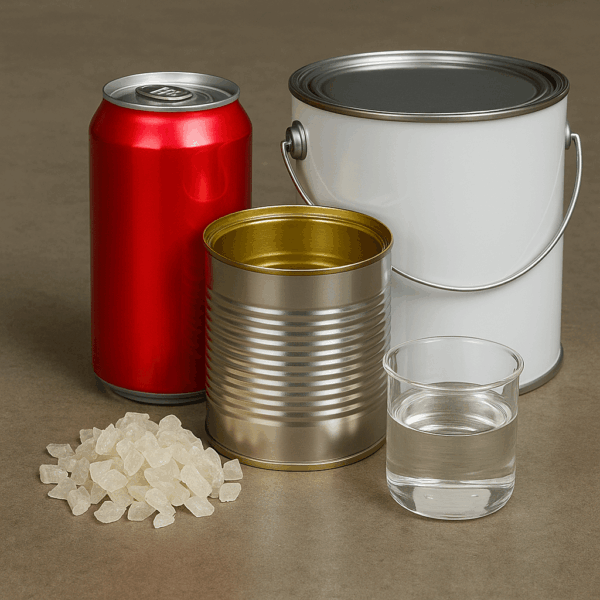
Saturated Polyester Resin for Can Coating
This type of Saturated Polyester Resin supports high-speed coating lines, smooth film formation, and outstanding pasteurization and sterilization resistance for internal and external can layers. Key ingredients include terephthalic acid (PTA), isophthalic acid (IPA), neopentyl glycol (NPG), cyclohexane dimethanol (CHDM), adipic acid, and safe cross-linking agents suitable for food contact compliance. Additives such as wetting agents, catalysts, flow modifiers, and BPA-free stabilizers improve coating efficiency and safety. These resins are compatible with white enamel, clear coatings, gold coatings, and overprint varnishes used in beverage cans, aerosol cans, food cans, and metal closures.
Production involves controlled esterification of diols and dicarboxylic acids under precise temperature and vacuum conditions, followed by polycondensation to reach the desired molecular weight and hydroxyl value. The resin is filtered, stabilized, and flaked or pelletized for uniform dispersion in can-coating formulations. Saturated polyester resins for cans provide high gloss, excellent acid resistance, outstanding sulphur stain resistance, and strong retort performance in acidic, alcoholic, carbonated, and high-temperature filling environments. They prevent metallic migration, improve shelf-life stability, and maintain taste neutrality — essential for food and beverage safety regulations. Their elasticity supports deep-drawing, crimping, and stamping without cracking, even in thin-film coating systems.
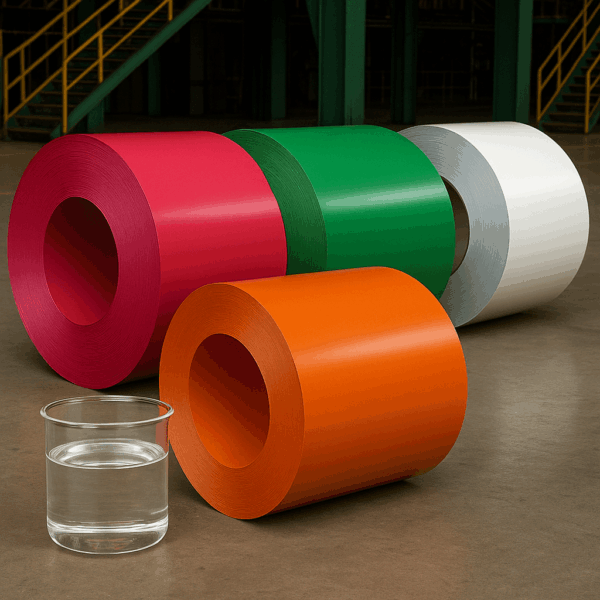
Saturated Polyester Resin for Coil Coating
These resins provide excellent film formation, corrosion protection, and UV resistance, making them ideal for roofing sheets, facade panels, household appliances, HVAC units and architectural steel rolls. Their balanced molecular structure ensures high elasticity, scratch resistance and outstanding outdoor gloss retention. Main ingredients include purified terephthalic acid (PTA), isophthalic acid (IPA), neopentyl glycol (NPG), cyclohexane dimethanol (CHDM), adipic acid and selected diols engineered for mechanical flexibility. Additives such as UV stabilizers, flow modifiers, leveling agents and anti-yellowing packages enhance stability during curing and improve coating quality. These resins support both topcoat and primer layers for high-speed pre-coating operations.
Low-bake energy-efficient grades for industrial lines that is used in construction panels, coated coils, rainwater systems, white goods, refrigerators, washing machines, sandwich panels, and insulated cladding systems. Other available types of polyester resins for coil coating are:
- High-Flexibility Grades
- Super-Durable Outdoor Grades
- Primer-Grade Saturated Polyesters
- High-Gloss Topcoat Grades, Matte and Semi-Gloss Formulations
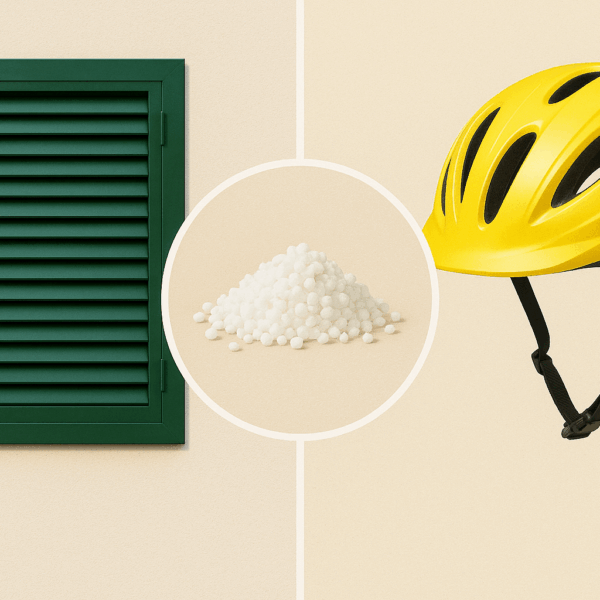
Saturated Polyester Resin for Powder Coatings
The balanced molecular structure of such polyester resins deliver strong adhesion, high flexibility, and superior gloss retention across architectural, automotive, household appliance, and general-industry coatings. The key ingredients of saturated polyester resins include purified terephthalic acid (PTA), isophthalic acid (IPA), neopentyl glycol (NPG), trimethylolpropane (TMP), and selected diols optimized for reactivity and mechanical stability. Formulations may also incorporate UV stabilizers, flow modifiers, pigments, and catalysts for enhanced performance. These resin systems ensure low-VOC, environmentally safe, and solvent-free coating technology suitable for green manufacturing processes.
Production begins with esterification and polycondensation of acids and glycols under controlled temperature and vacuum. The reaction continues until the target acid value and viscosity are achieved, followed by filtration, stabilization, flaking, or granulation for industrial handling. Saturated polyester resins provide excellent impact strength, high weatherability, scratch resistance, and long-term gloss stability. They deliver outstanding exterior durability, corrosion protection, and strong mechanical performance on steel, aluminum, galvanized metals, MDF, radiators, agricultural equipment, refrigerators, office furniture, fences, and architectural façades. TGIC and TGIC-free (HAA/Primid) grades are available for different regulations and curing profiles.